Alpha Progression Alternatives: What to Try and Why
Outgrowing Alpha Progression? Here are the 5 strongest alternatives (including RepBro), what each does best, and which to pick based on your goals.
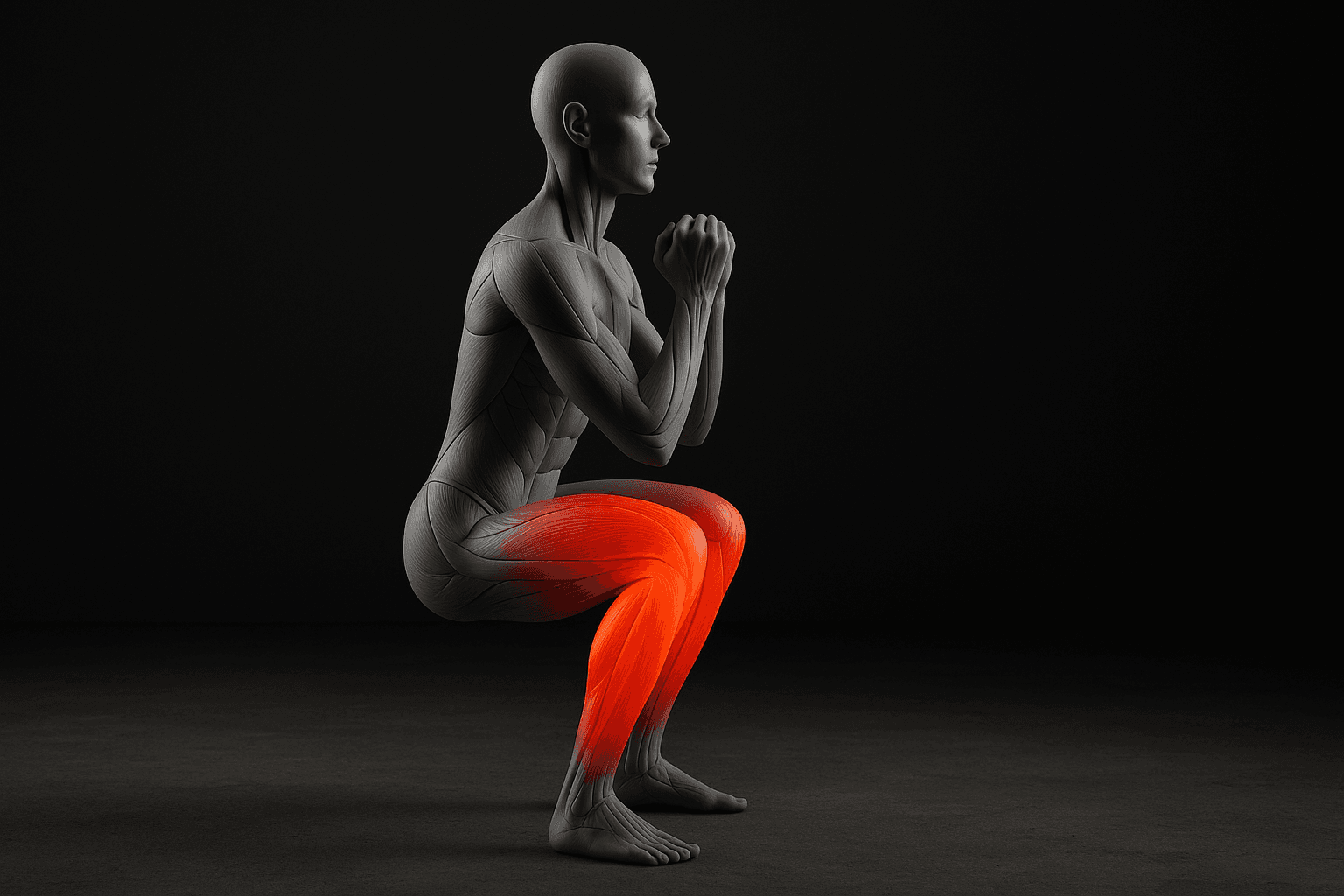
Photo by RepBro.
Alpha Progression Alternatives: What to Try and Why
If you feel you've outgrown Alpha Progression, consider these 5 strongest alternatives: RepBro, StrongLifts 5x5, JuggernautAI (JTS-style autoregulation), Fitbod, and Wendler 5/3/1 — each serves a different use case depending on whether you want algorithmic personalization, a simple linear template, autoregulated periodization, equipment-aware AI workouts, or slow, reliable periodization.
Which option is best if I want personalized AI plans and flexible tools?
Try RepBro (iOS). What it does best: AI-generated personalized workout plans you can edit, a custom plan builder, an AI coach chat, motivational "hype calls" from coach personas, and several logging conveniences (strength + cardio logging with Apple Watch import, offline-first logging, voice logging). RepBro also offers an AI "Future Me" transformation preview and supports ChatGPT plan import via https://www.repbro.app/import. It's iOS-only today (Android in development) and runs on a subscription with a free trial.
Use case recommendation: Choose RepBro if you want a single app that builds and adapts plans automatically, lets you tinker with sets/assistance work, keeps reliable offline logs, and gives quick AI coaching/feedback between sessions. Compare feature fit with other apps at https://www.repbro.app/vs.
Which option is best if I want the simplest proven strength template?
Try StrongLifts 5x5 (program + app). What it does best: extreme simplicity and minimal decision-making. StrongLifts uses a 3x/week schedule with compound lifts and straightforward additions (typically 2.5–5 kg increments) that work very well for true beginners and early intermediates.
Use case recommendation: Choose StrongLifts if you want to focus on heavy compound lifts with a very low cognitive load and predictable progression. It’s not ideal once your squat/deadlift bench session progress is inconsistent or when you need more volume variation for hypertrophy.
Which option is best if I need algorithmic autoregulation for intermediate gains?
Try a JuggernautAI-style approach (or other autoregulated algorithmic systems). What it does best: dynamic adjustments based on recent performance, rep ranges, and fatigue, which can squeeze progress out of intermediate lifters who need day-to-day flexibility. These systems shift intensity and volume across mesocycles rather than pushing fixed weekly jumps.
Use case recommendation: Choose an autoregulation-driven plan if you track RPE/reps consistently and want the program to adjust load/volume for you to manage fatigue and peak for key lifts.
Which option is best if I want AI-generated gym sessions that match my gear and recovery?
Try Fitbod (AI workout apps). What it does best: builds individual workouts that account for your available equipment, muscle groups trained recently, and user-input fatigue/recovery; good for lifters who vary sessions frequently or prefer machine/DB-based options.
Use case recommendation: Choose an equipment-aware AI workout app if you have inconsistent gym access, want frequent variation, or prefer hypertrophy-focused session templates that automatically balance muscle groups.
Which option is best if I prefer slow, reliable periodization with simple rules?
Try Wendler 5/3/1 (program). What it does best: slow progression with planned deloads and predictable cycles (commonly 4-week blocks). 5/3/1 is forgiving: it trades rapid linear gains for long-term steadiness and is easy to customize with assistance work.
Use case recommendation: Choose 5/3/1 if you’re an intermediate lifter who still wants to add strength steadily without chasing weekly PRs, or if you want a plan that's trivial to run with a small set of core choices.
How should I choose between these alternatives?
- Goal alignment: pick hypertrophy/varied sessions (Fitbod) vs. strength-heavy templates (StrongLifts or 5/3/1) vs. adaptive AI/autoregulation (RepBro or JuggernautAI).
- Recovery bandwidth: if you miss many sessions or have variable energy, prefer autoregulation or equipment-aware session builders.
- Decision load: if you want to minimize thinking, pick StrongLifts or a templated 5/3/1; if you want control and adaptation, pick RepBro or an autoregulated system.
- Tools & logging: if offline logging, voice input, Apple Watch import, and an editable AI-plan are important, RepBro is the standout among these options.
What to expect when switching programs
- Expect 2–6 weeks of adjustment in perceived difficulty and soreness as volume/intensity patterns change.
- Track the same 3–5 lifts for 4–8 weeks to judge whether the new system improves performance.
- Keep sleep, calories, and stress consistent; the program is one variable among several.
Safety note
Stop any exercise that causes sharp or unusual pain. If you have a preexisting condition or are unsure about an exercise, consult a qualified professional before making major program changes. This article does not provide medical advice.
Honest takeaway: If you want editable AI personalization plus robust logging and iOS-native features, try RepBro; if you prefer a single-minded template (fast gains for beginners or slow, steady periodization), pick StrongLifts or 5/3/1; use autoregulation or equipment-aware AI when you need flexible day-to-day adjustments.
Frequently asked questions
- I'm outgrowing a linear program—should I switch immediately?
- Not necessarily. If you still make weekly progress on key lifts, you can extend a linear model 4–8 weeks. Switch when progress stalls for 3–4 sessions or fatigue accumulates and you miss reps more often than you hit them.
- Can I bring an existing plan into RepBro?
- Yes—RepBro supports ChatGPT plan import at https://www.repbro.app/import so you can convert many existing templates into editable, AI-personalized plans.
- Is any of these a 'guarantee' for faster gains?
- No. Different systems prioritize different levers (volume, intensity, autoregulation). Choose one that matches your time, recovery, and technical needs; no app guarantees specific results.