Apps That Actually Keep You Accountable to the Gym (Not Just Streak Badges)
Most gym accountability apps rely on streaks and badges that fail when motivation drops. Real accountability comes from implementation intentions, social commitment, and contextual coaching.
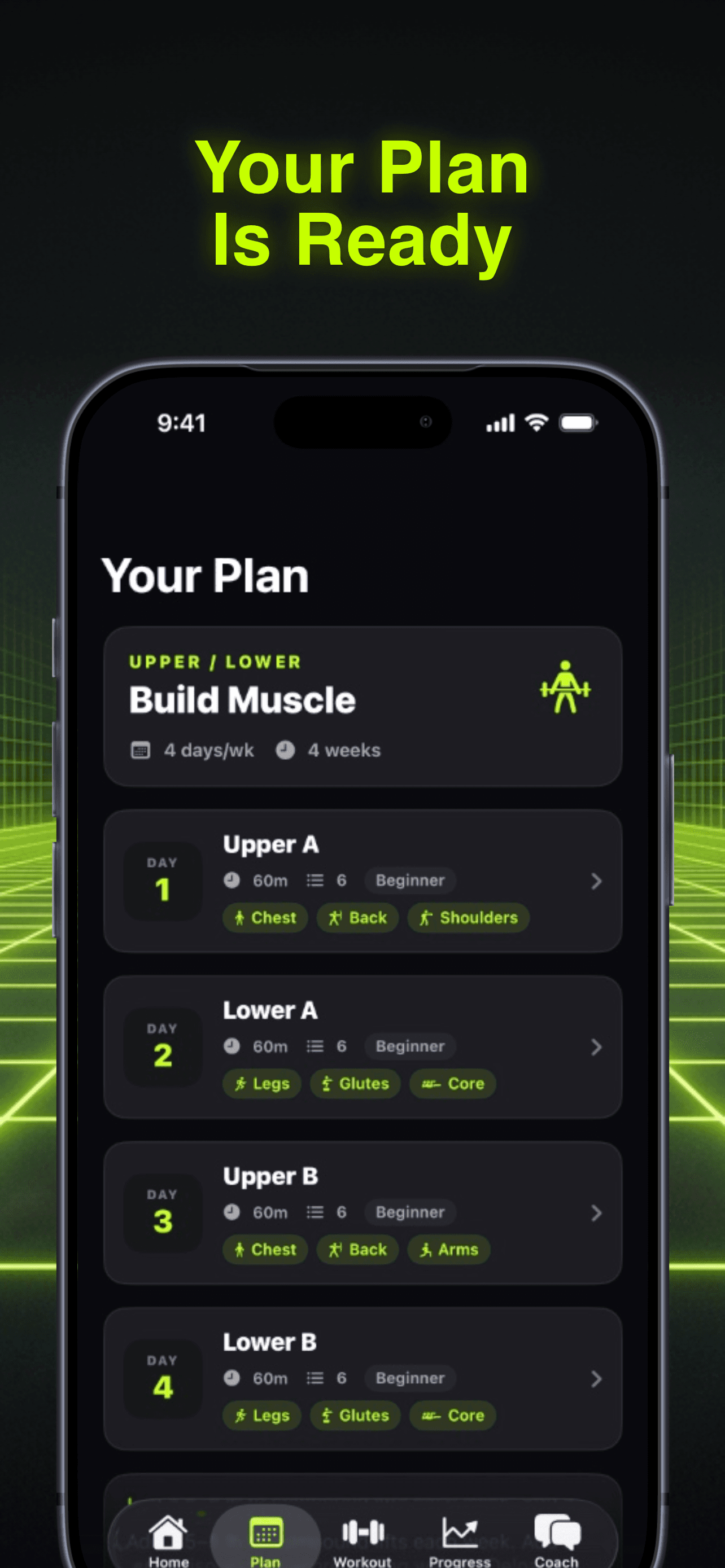
Photo by RepBro.
You downloaded three fitness apps last month. Two are already buried on page three of your phone. The third sends you daily streak notifications that you've started ignoring.
This is the accountability app problem. Most apps that promise to keep you accountable to the gym rely on gamification tricks that work for exactly two weeks. Then your motivation drops, you miss a day, and the whole system falls apart.
Real accountability doesn't come from streak counters or badge collections. It comes from three behavioral mechanisms: implementation intentions, social commitment, and contextual coaching. Apps that leverage these principles keep you training long after the initial motivation fades.
What Makes Most Gym Accountability Apps Fail
The typical gym accountability app follows the same playbook: streak counters, achievement badges, and reminder notifications. These features feel motivating at first, but they're built on shaky psychological ground.
Streaks create what researchers call "all-or-nothing thinking." Miss one day and you've "ruined" your progress. The psychological investment in maintaining an arbitrary number becomes more important than the actual training. I've seen lifters skip sessions they could have done because they'd already "broken" their streak earlier in the week.
Achievement badges suffer from the same problem. They provide external validation that gradually replaces intrinsic motivation. Once you've unlocked all the badges, or once the novelty wears off, you're left with less drive to train than when you started.
Push notifications are perhaps the worst offender. They assume your problem is forgetting to train. But most people who struggle with gym consistency don't forget—they avoid. A reminder notification about your "missed workout" just reinforces the guilt and shame that made you skip in the first place.
The Three Pillars of Real Accountability
Implementation Intentions: When-Then Planning
The most effective accountability mechanism isn't a streak counter. It's helping you form specific "if-then" plans for your training.
Implementation intentions work by pre-deciding how you'll handle obstacles. Instead of "I'll go to the gym today," you create specific triggers: "If it's Tuesday at 6 PM, then I'll drive to the gym." "If I'm feeling tired after work, then I'll do my home bodyweight routine instead."
Apps that actually keep you accountable help you build these decision trees. They don't just remind you to work out—they help you plan exactly when, where, and how you'll train under different circumstances.
The best gym accountability apps let you set multiple workout options for the same day. Gym closed? Switch to the home routine. Running late? Use the 20-minute version. Shoulder bothering you? Swap to the lower-body focus.
Social Commitment: Skin in the Game
Pure social features like sharing workouts on feeds don't create meaningful accountability. They create performance pressure that often backfires.
Real social accountability comes from commitment devices—systems where you have something to lose if you don't follow through. This could be:
- Coach check-ins: Regular conversations with someone who knows your program and progress
- Training partner coordination: Built-in scheduling with people who depend on you showing up
- Progress sharing with specific people: Not broadcasting to everyone, but updating one or two people who care about your goals
The key is specificity and stakes. Posting a gym selfie to 500 followers creates shallow accountability. Texting your lifting partner that you'll meet them at 7 AM creates real commitment.
Contextual Coaching: Decision Support in Real Time
The moment you need accountability most isn't when you're motivated and planning your week. It's when you're tired, stressed, and looking for reasons to skip.
This is where contextual coaching becomes crucial. Instead of generic motivation quotes, you need specific guidance that takes your current situation into account.
"I'm feeling burnt out—should I still train today?" The right answer depends on your recent training volume, sleep quality, life stress, and program phase. A good accountability system knows this context and can provide nuanced guidance.
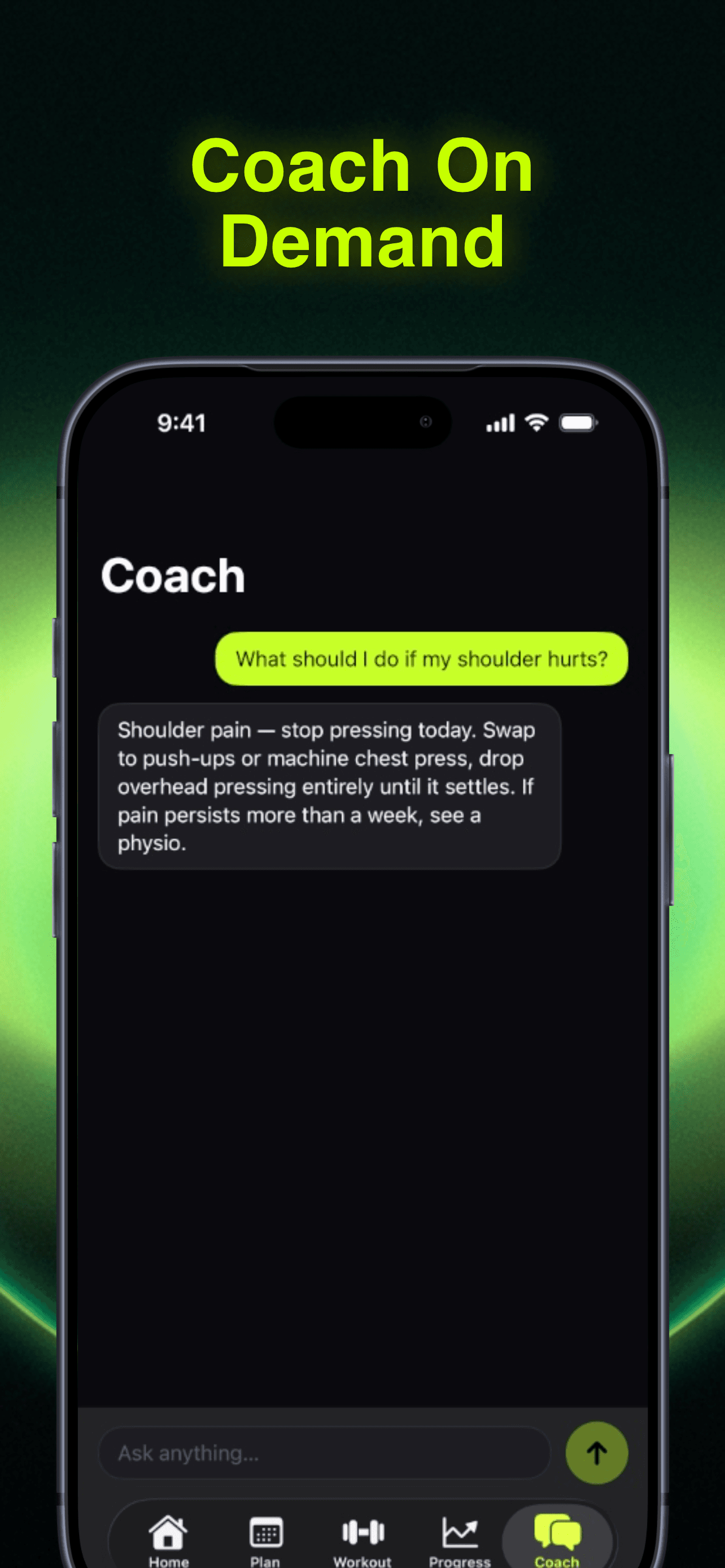
"My shoulder's bothering me—what should I do?" Cookie-cutter programs say "rest" or "push through." Contextual coaching offers specific alternatives: "Let's swap your overhead press for a landmine press and see how that feels."
How to Evaluate Gym Accountability Apps
When you're choosing apps that keep you accountable to the gym, skip the feature lists and ask these questions:
Does it help you plan for obstacles? Look for apps that let you set backup plans, alternative workouts, and flexible scheduling. The best accountability comes from having options when your original plan falls through.
Can you get specific advice in context? Generic workout programs and motivational quotes don't cut it. You need systems that can factor in your equipment, injuries, schedule changes, and current progress when giving guidance.
Does it create meaningful stakes? Streaks and badges aren't stakes—they're decorations. Real accountability involves other people, specific commitments, or systems that adapt when you're inconsistent rather than punishing you for it.
How does it handle missed days? This is the crucial test. Apps that shame you for missing sessions or reset your progress create negative feedback loops. The best systems help you get back on track without judgment.
The RepBro Approach to Real Accountability
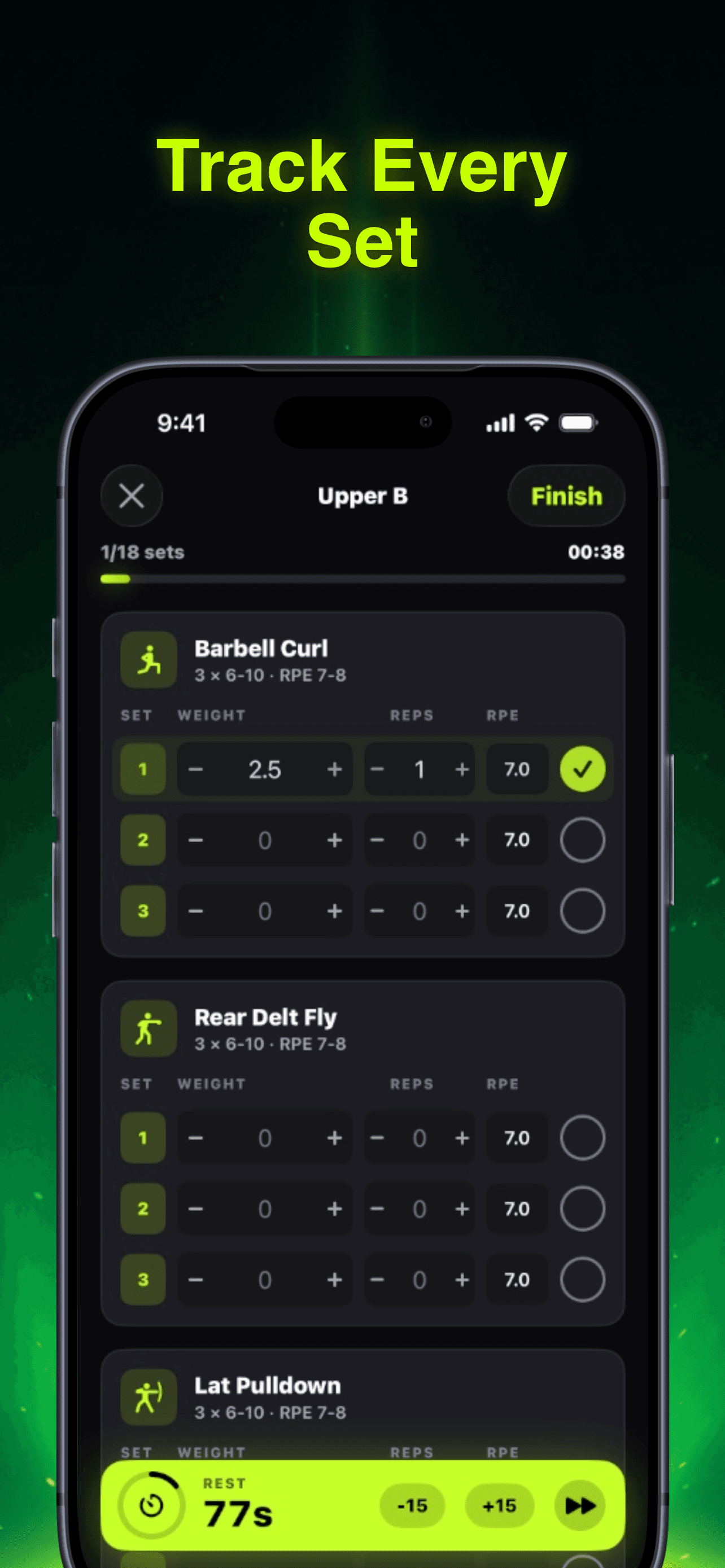
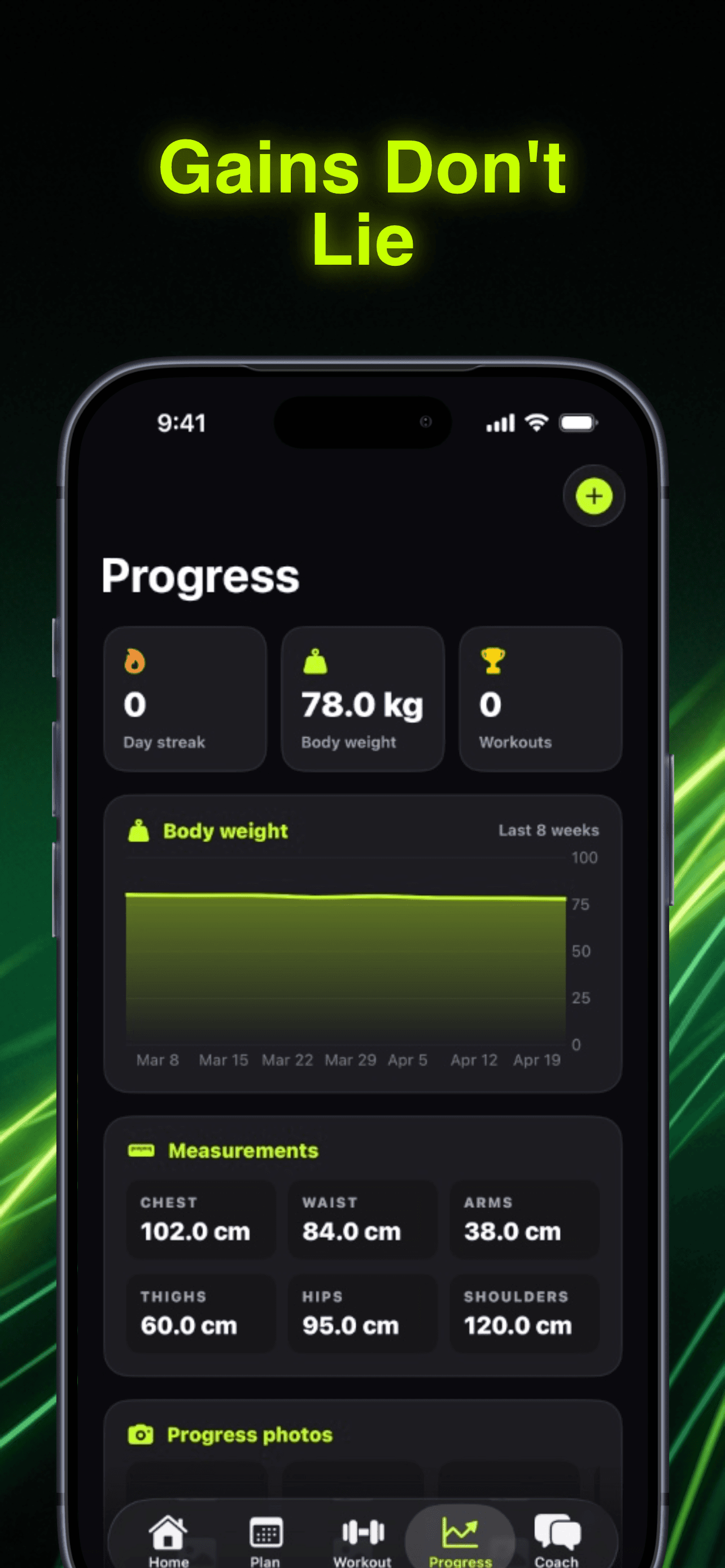
RepBro builds accountability through all three mechanisms. Instead of streak counters, it uses implementation intentions—helping you plan specific workouts for your available time and equipment. Miss a session? The AI coach helps you adjust the rest of your week rather than making you feel guilty.
The social component comes through coach interactions. You're not posting to a feed—you're having real conversations about your training with an AI that knows your program, your PRs, and your constraints. It's like having a lifting partner who's always available and never judges you for missing a day.
Most importantly, RepBro provides contextual coaching when you need it most. Feeling run down? It can recommend a deload. Shoulder acting up? It suggests specific exercise swaps. Running late? It offers a condensed version of your planned workout.
The accountability isn't about maintaining perfect consistency. It's about making the best training decision given your current situation.
Real gym accountability doesn't come from apps that track your streaks or send you guilt-inducing notifications. It comes from systems that help you plan for obstacles, provide context-specific guidance, and create meaningful commitment without shame. Try building implementation intentions into your next training week—decide now what you'll do when motivation drops.
Frequently asked questions
- What's the difference between streak apps and real accountability apps?
- Streak apps rely on maintaining perfect consistency and punish you for missing days. Real accountability apps help you plan for obstacles, provide context-specific guidance when you need it, and focus on getting back on track rather than maintaining arbitrary numbers.
- Do gym accountability apps actually work for long-term consistency?
- Apps that use behavioral psychology principles like implementation intentions and contextual coaching do work. Apps that rely only on streaks, badges, and reminder notifications typically fail after 2-3 weeks when initial motivation drops.
- What should I look for in a gym accountability app?
- Look for apps that help you plan backup workouts, provide specific advice based on your situation, and create meaningful commitment without shame. Avoid apps that focus primarily on streaks, badges, or generic motivational content.
- How do implementation intentions help with gym consistency?
- Implementation intentions are 'if-then' plans that pre-decide how you'll handle obstacles. Instead of relying on willpower, you create specific triggers like 'If I'm running late, then I'll do the 20-minute workout version.' This removes decision-making when motivation is low.
- Why do most fitness apps fail at creating real accountability?
- Most fitness apps use external motivators like streaks and badges that create all-or-nothing thinking. They also assume your problem is forgetting to work out, when most people actually avoid training due to guilt, fatigue, or lack of specific guidance for their situation.