Freeletics Alternatives: What to Try and Why
Practical alternatives to Freeletics for strength, calisthenics, or hybrid training. Compare Fitbod, StrongLifts, Nike Training Club, Madbarz, and RepBro by use case and strengths.
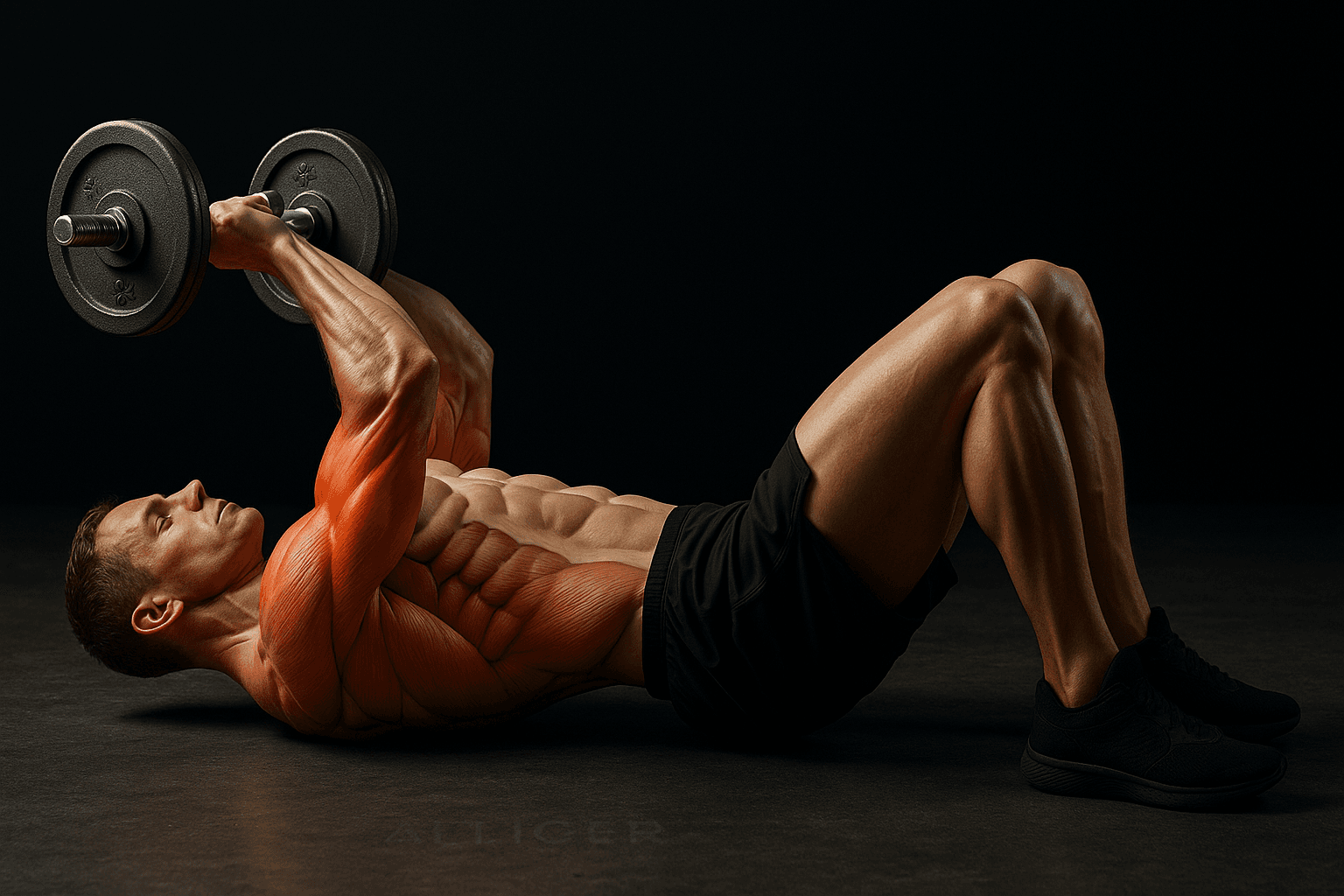
Photo by RepBro.
Answer-first: If you’re outgrowing Freeletics, pick the app that matches what you want next — structured progressive overload for strength, a calisthenics progression system, or a hybrid AI coach that adapts to logged data. Below are 4–5 alternatives with clear use-case recommendations.
Why might I want an alternative to Freeletics?
Freeletics emphasizes bodyweight HIIT and metabolic conditioning. As you improve you may hit limits in progressive overload, need heavier barbell work, want clearer weekly periodization, or seek better logging and watch integration. Alternatives address those gaps by focusing on load progression, skill progressions, or deeper personalization.
Is Fitbod a good alternative for strength with varied equipment?
Who it’s for: Lifters who have access to dumbbells, barbells, or machines and want algorithmic workout generation that adapts to what you did last session.
Why pick it: Fitbod uses your logged workouts and available equipment to suggest exercises, sets, and approximate loads. It aims to balance muscle groups and manage fatigue across sessions. For people stepping up from bodyweight work, it helps introduce systematic overload and structured volume.
Limitations: Algorithm suggestions aren’t individualized coaching; you still need to check exercise choice and form. Offline features and exact behavior depend on the app’s current offerings.
Use-case recommendation: Choose Fitbod if you want automated, equipment-aware programming and a smoother bridge from bodyweight to weighted compound lifts.
Will StrongLifts 5x5 fit my goals if I want barbell strength?
Who it’s for: Beginners to intermediate lifters prioritizing simple linear progression on core barbell lifts (squat, bench press, deadlift, overhead press, barbell row).
Why pick it: StrongLifts focuses on progressive overload with a simple, repeatable template. That clarity helps lifters consistently add load session-to-session, which is the most reliable way to build maximal strength when recovery allows.
Limitations: The program is deliberately minimal—less accessory volume and little emphasis on conditioning or advanced periodization. It can stall as weights get heavy unless you incorporate autoregulation or planned deloads.
Use-case recommendation: Pick StrongLifts if your priority is increasing barbell strength and you prefer a straightforward, reproducible progression.
Would Nike Training Club (NTC) help if I want guided workouts and recovery guidance?
Who it’s for: Athletes who want high-quality instructional videos, varied programs, and guided workouts with a mix of strength, mobility, and conditioning.
Why pick it: NTC offers professionally produced sessions and block-style programs. It’s useful for people who want structure plus video demonstrations and recovery or mobility components alongside workouts.
Limitations: NTC is program-focused rather than deeply adaptive to individual logged loads. If you need precise load progression records for hypertrophy or maximal strength, combine it with a logging tool.
Use-case recommendation: Choose NTC if you value coached videos, variety, and built-in mobility/recovery sessions rather than strict load progression.
Is Madbarz (or Thenx) a better calisthenics-focused option?
Who it’s for: Lifters prioritizing bodyweight skill development—progressions toward muscle-ups, levers, and advanced calisthenics holds.
Why pick it: Calisthenics apps provide stepwise progressions, skill days, and targeted accessory work for isometric strength and pulling/pushing balance. They program regressions and progressions which are essential when skill practice is the priority.
Limitations: Pure calisthenics programs can be limited for hypertrophy at advanced levels unless you add load (weighted calisthenics) or increase training volume significantly.
Use-case recommendation: Choose a calisthenics app if your goal is skill acquisition and bodyweight strength, and you prefer minimal equipment.
How does RepBro compare if I want AI personalization and logging compatibility?
Who it’s for: iOS users who want AI-generated personalized plans that are editable, built-in AI chat coaching, and strong logging features including Apple Watch import.
Why pick it: RepBro generates personalized plans, offers an AI coach chat and motivational coach personas, lets you import plans from ChatGPT, supports offline-first logging and voice logging, and includes a “Future Me” transformation preview. Those features suit users who want a flexible, editable plan with integrated logging.
Limitations: iOS only today; Android is in development. As with any AI system, recommendations depend on accurate logging and you’ll still need to ensure technique and recovery are appropriate.
Use-case recommendation: Choose RepBro if you want an editable AI-driven program with solid watch integration and offline logging on iOS.
Comparison at a glance: which app suits my next phase?
| App | Primary focus | Personalization | Best for | Notable logging/features |
|---|---|---|---|---|
| Fitbod | Equipment-aware strength/hypertrophy | Algorithmic, adapts to recent workouts | Bridging bodyweight to weights | Auto-adjusts sessions based on logged data |
| StrongLifts 5x5 | Barbell linear progression | Minimal but clear progression | Building foundational strength | Simple weight progression tracking |
| Nike Training Club | Guided programs and videos | Program-driven, less adaptive | Instructional workouts + recovery | High-quality videos and structured programs |
| Madbarz / Thenx | Calisthenics progressions | Skill-focused progressions | Bodyweight skill acquisition | Progressions/regressions for skills |
| RepBro | AI personalized plans + logging | Editable AI plans, AI coach chat | iOS users wanting integrated AI and watch logging | Apple Watch import, offline-first, voice logging, ChatGPT plan import |
What safety steps should I follow while switching apps?
Stop any set or movement on sharp or unusual pain. Use conservative loads when testing new exercises, and gradually increase volume or intensity—sports-science consensus supports planned progression and occasional deloads when fatigue accumulates. Apps cannot watch your form; consult a qualified coach or clinician for persistent pain or post-injury programming.
What can apps and AI coaching not do for you?
No app or AI can see or reliably correct your movement pattern in real time from a phone interface; injury diagnosis and rehabilitation require a qualified professional. A plan’s quality is limited by accurate logging and consistency—attendance and progressive overload determine results more than app choice. Expect to self-check technique and seek in-person coaching for complex lifts.
Limitations: This comparison summarizes common features and typical use cases. App features and availability change; check each app’s official documentation for current functionality. The guidance here focuses on program fit and practical trade-offs, not medical or individualized rehabilitation advice.
Safety note: Never train through sharp joint pain. If you have a medical condition or recent injury, get clearance and guidance from a qualified healthcare professional.
Frequently asked questions
- Can I replace Freeletics with a strength-focused app?
- Yes. Many people move from Freeletics to a strength-focused app to prioritize progressive overload, programmed sets and reps, and load tracking. Choose an app that logs weights and progression, and pair it with 2–4 weekly heavy sessions plus accessory work for balanced strength and hypertrophy.
- Is a calisthenics-specific app better than Freeletics for bodyweight skills?
- If your goal is skill work (muscle-up, planche, front lever), a calisthenics-focused app or coach that programs daily skill practice and progressive regressions will help more than general HIIT. Look for apps that offer progressions, clear regressions, and logging of attempts.
- Do AI workout apps actually adapt to my progress?
- Some AI-driven apps adapt by adjusting exercise selection, volume, and suggested loads based on logged performance and available equipment. Adaptation quality varies; the most useful systems let you edit plans, import existing routines, and export or log real weights to influence future recommendations.