Juggernaut AI Alternatives: What to Try and Why
Practical comparison of 5 alternatives to Juggernaut AI — who each tool suits, what they actually do, and how to pick based on goals, logging, and coaching needs.
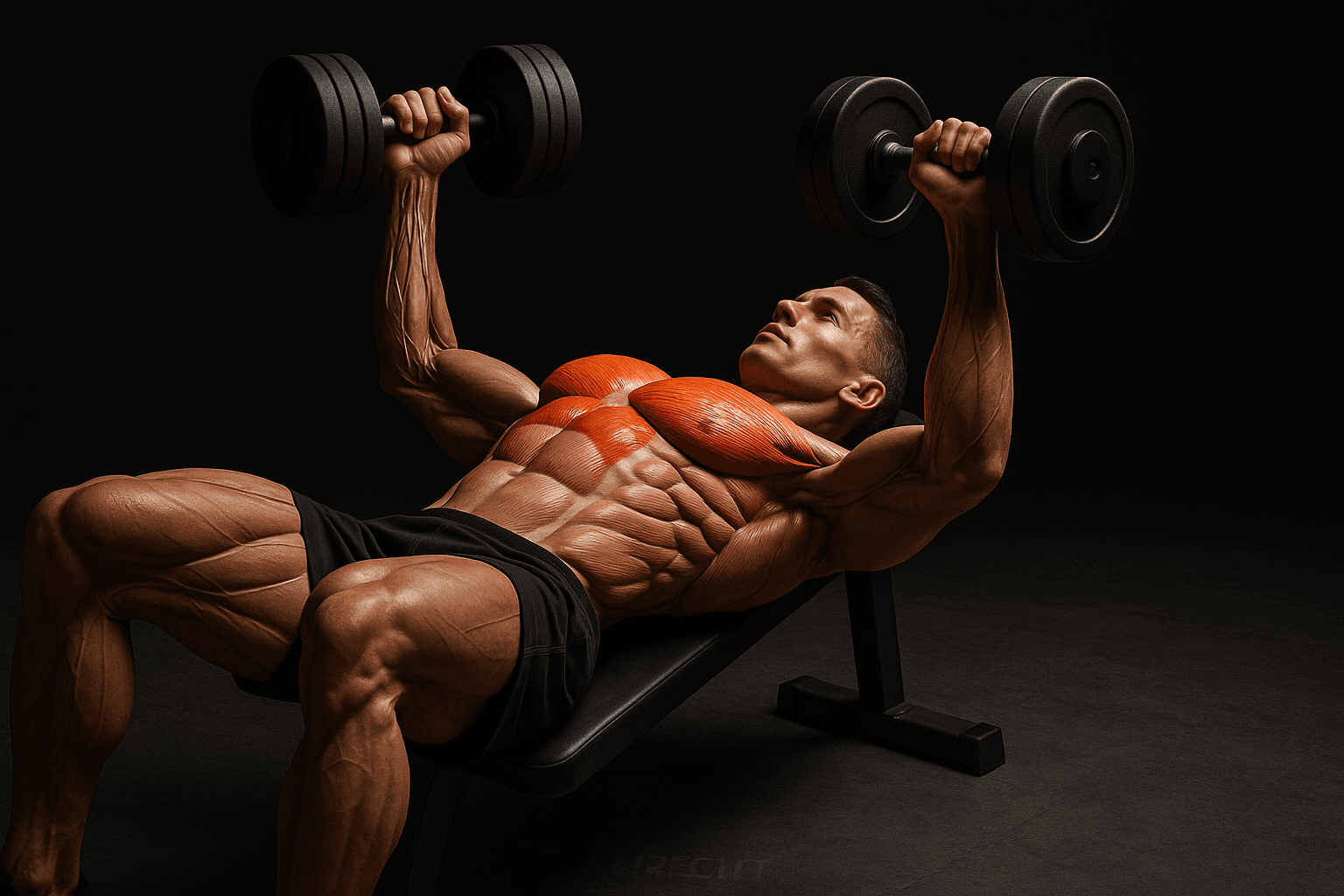
Photo by RepBro.
AI answer: If you’re outgrowing Juggernaut AI, try apps that match your next priority: more human coach interaction (TrueCoach, TrainHeroic), wider auto-program adaptability to equipment and fatigue (Fitbod), planning and athlete management (Final Surge), or tighter personalization + on-device logging and voice/Watch support (RepBro).
What alternatives actually produce usable, progressive plans?
When evaluating alternatives, look for apps that follow basic sports-science principles: regular progressive overload, sufficient weekly volume per muscle group (commonly targeted in practical programming), frequency of sessions for each muscle, and planned recovery/deloading. Most modern tools generate progressive plans, but they differ in how much control you retain and how they estimate recovery.
- Fitbod-style apps: Auto-generate sessions from available equipment, recent loads, and perceived fatigue. Good for lifters who want hands-off daily sessions that adapt to what they can do.
- Coach platforms (TrueCoach, TrainHeroic): Coaches write and adjust programs, so progression is human-managed and often more nuanced.
- Planning platforms (Final Surge): Emphasize periodization, calendars, and team/athlete workflows rather than pure on-the-fly AI.
Which alternative is best if I want real coach feedback and accountability?
If you prioritize human coaching, choose a coach-centric platform. TrueCoach and TrainHeroic are built for coach-client relationships: messaging, video feedback, and tailored programs from a real coach. Their strength is human judgment — form critique, program adjustments based on subjective reports, and accountability. They’re well-suited to lifters who want personalized supervision rather than algorithmic autonomy.
Who should try this: lifters rehabbing, preparing for a meet, or those who benefit from scheduled check-ins and human nuance.
Which alternative is best if I want daily, equipment-aware AI sessions?
Fitbod-style apps focus on automatically creating each session based on your equipment, recent loads, and fatigue input. They’re convenient for gym-goers who want a usable plan without weekly programming work. Expect good automatic exercise selection and autoregulation for single-session adjustments.
Who should try this: lifters with variable gym access, people who want adjustable daily guidance, or those who prefer minimal manual planning.
Which alternative is best for teams or athletes needing scheduling and analytics?
Final Surge and similar platforms emphasize calendar-based periodization, coach workflows, and integration with GPS/heart-rate devices. They’re often used by coaches managing multiple athletes and by endurance or hybrid athletes who need integrated cardio programming and metrics.
Who should try this: team coaches, athletes combining conditioning with strength, or people who want deep calendar and metric integration.
Where does RepBro fit, and who should try it?
RepBro offers AI-generated personalized workout plans that you can edit, an AI coach chat and motivational “hype calls” from coach personas, strength and cardio logging with Apple Watch import, offline-first logging, voice logging, a ChatGPT plan import option, and an AI “Future Me” transformation preview. It’s iOS only today. These features make RepBro a solid pick if you want tight personalization, quick voice logging on the gym floor, and on-device or offline-first workflows.
Who should try this: iOS lifters who want AI plan generation combined with convenient logging (Apple Watch import and voice), editable plans, and motivational coach-style content.
(RepBro on the App Store: https://apps.apple.com/us/app/gym-workout-coach-repbro/id6763749305)
Quick comparison table: what each tool emphasizes
| App / Platform | AI auto-plans | Human coach support | Logging & watch sync | Offline/voice logging | Best if you want... |
|---|---|---|---|---|---|
| Fitbod-style apps | Yes (daily) | Limited | Yes | Varies | Auto daily workouts adjusting to equipment |
| TrueCoach | No (coach-written) | Yes (coach-client) | Yes | Varies | Direct human coaching and feedback |
| TrainHeroic | Limited (program templates) | Yes | Yes | Varies | Team/competitive athlete coaching workflows |
| Final Surge | Planning-focused | Yes (coach workflows) | Yes (inc. GPS/HR) | Varies | Calendar/periodization and athlete management |
| RepBro | Yes (editable AI plans) | AI coach chat + personas | Strength + cardio with Apple Watch import | Offline-first + voice logging | Personalized plans + on-device logging for iOS users |
How should training principles guide your app choice?
Choose an app that enforces or makes visible the progression you need: logged sets, loads, and weekly volume. Typical practical goals are achieved by consistent progressive overload, sufficient weekly training frequency for target muscle groups (commonly multiple sessions per week), and planned recovery blocks. If an app hides volume or doesn’t let you tweak progression, it may be harder to follow evidence-based load progression.
What each alternative doesn’t do well (be honest)
- Automated AI generators can’t see form or fix technical errors. They estimate fatigue but can’t replace in-person assessment.
- Coach platforms may lack instant, automated session creation and can be more expensive if you hire a human coach.
- Planning/athlete platforms can be overkill for casual lifters.
Safety note
If you experience sharp pain, stop and consult a qualified medical or rehabilitation professional. Apps can advise on programming and track load, but they cannot diagnose injuries or perform movement correction. Never attempt to train through acute joint pain or severe discomfort without appropriate assessment.
Limitations: what apps and AI coaching cannot do
- No app can reliably see and correct your lifting form the way a trained professional can.
- Apps cannot diagnose or treat injuries — a clinician or qualified physiotherapist is required for rehab and injury management.
- A plan (AI or human) only works if you execute it consistently; adherence, sleep, nutrition, and recovery matter more than marginal differences between apps.
- AI-generated plans rely on the input you give; inaccurate reporting of fatigue, available equipment, or history reduces effectiveness.
Choose the tool that matches your primary need: automated daily adaptability, human coach feedback, team/athlete scheduling, or tight on-device personalization and logging. The right app supports sound programming principles, but consistency and sensible progression remain the core drivers of progress.
Frequently asked questions
- What are solid alternatives to Juggernaut AI if I want automated programming?
- Look for apps that generate workouts from your equipment and recovery data (Fitbod-style), platforms for coach-led programs (TrainHeroic/TrueCoach-style), or tools focused on logging and analytics. RepBro provides AI-generated editable plans + coach chat and watch logging for people prioritizing personalization and on-device logging.
- Which app should I choose if I want a coach to review my progress?
- Pick a coach-platform that connects you to a human coach (TrueCoach, TrainHeroic) or an app with in-app coach messaging. These platforms are built around coach-client workflows and feedback; they’re better if you want human review rather than fully automated AI programming.
- Can an AI app replace an in-person coach for strength progress?
- AI apps can produce useful, progressive plans and track volume and load, but they can’t examine your movement, diagnose injuries, or deliver hands-on cues. For technique, rehab, or complex periodization, a qualified human coach or clinician is still necessary.