Nike Training Club Alternatives: What to Try and Why
Compare four to five realistic alternatives to Nike Training Club, with use-case recommendations, feature trade-offs, and an evidence-aligned guide to pick the right app for your lifting goals.
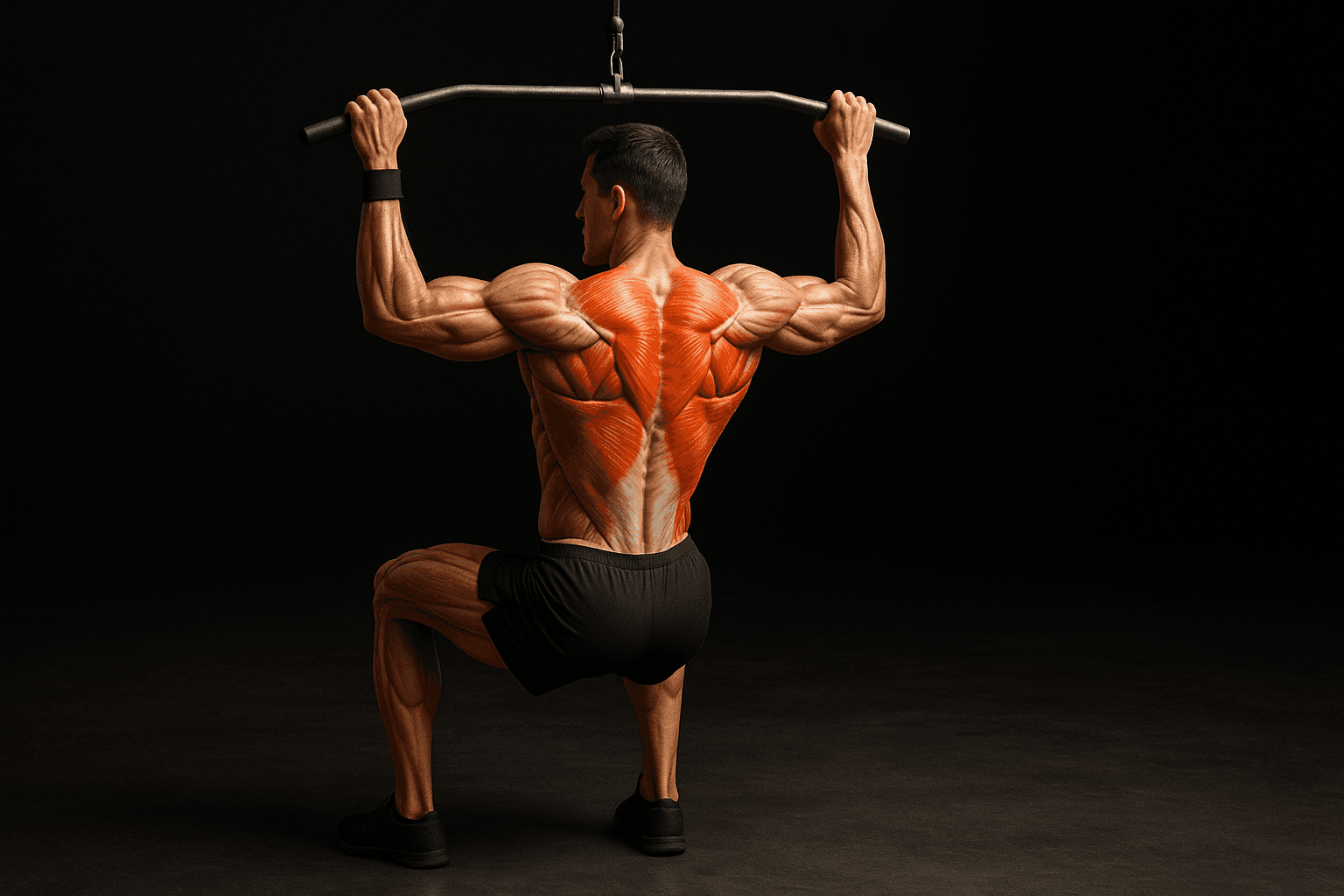
Photo by RepBro.
Answer-first: If you want to move beyond Nike Training Club, choose an app that matches your main gap — more individualized strength programming, better logging and progression tools, class-driven coaching, or AI-adapted plans. Below are four to five strong alternatives and the specific use case each serves.
What do people actually need when they outgrow Nike Training Club?
Many lifters leave NTC because they want more progression control, heavier barbell work, better logging, or genuinely personalized programming. Science-informed training centers on progressive overload, appropriate weekly volume and frequency for your goal, and periodic recovery phases (deloads). Any alternative should help you manage these variables, not just feed workouts.
Which apps should I consider and why?
The following alternatives cover the typical reasons people move on from NTC: need for structured strength progression, smarter personalization, richer logging, or class-based motivation.
-
RepBro (iOS)
- Use case: You want AI-personalized, editable plans and strong logging with Apple Watch support.
- Strengths: AI-generated personalized workout plans you can edit, a custom plan builder, AI coach chat and motivational "hype calls" from coach personas, Apple Watch import for strength and cardio, offline-first logging and voice logging, ChatGPT plan import, and an AI "Future Me" transformation preview. These features suit lifters who want automated plan design that they can tweak and who value rich logging and motivational nudges in a single iOS app. RepBro is iOS only today.
-
Fitbod
- Use case: You want algorithm-driven workouts tailored to available equipment and recovery.
- Strengths: Fitbod uses an algorithm to pick exercises and set/repetition targets based on your equipment, past workouts, and estimated recovery. That helps maintain progressive overload while keeping sessions varied. It’s a practical choice if you like machine-selected workouts and want the program to adapt day-to-day.
-
Strong (or StrongLifts-style apps)
- Use case: You prioritize simple, clear barbell progressions and fast, reliable logging.
- Strengths: Apps focused on strength logging provide a clean interface for sets, reps, and load tracking with clear progression mechanics. They’re useful for intermediate and advanced lifters who base progress on consistent linear or periodized loading and want minimal distraction during training.
-
JEFIT
- Use case: You want a large exercise library, templated programs, and community-shared routines.
- Strengths: JEFIT offers extensive exercise databases and program templates you can follow or adapt. It’s practical for lifters who like manual control and a wide choice of accessory movements but still want structure and logging.
-
Apple Fitness+
- Use case: You prefer instructor-led classes and seamless Apple Watch integration for metrics.
- Strengths: If you train within the Apple ecosystem, Fitness+ provides studio-style classes across modalities (strength, HIIT, mobility) with real-time heart-rate and calorie feedback via Apple Watch. It’s more class-driven than barbell-progression oriented.
How do these options compare at a glance?
| App | Focus | Personalization | Logging & Watch Integration | Offline access |
|---|---|---|---|---|
| RepBro | AI-personalized plans + logging | High (AI plans, editable) | Strong (Apple Watch import, voice, offline-first) | Yes (offline-first logging) |
| Fitbod | Algorithmic workout selection | Moderate–High (equipment & recovery-based) | Good (workout history-driven) | Varies by platform |
| Strong | Strength-focused logging | Low–Moderate (manual progression) | Good (simple, fast logging) | Varies |
| JEFIT | Exercise library + programs | Moderate (templates, manual edits) | Good (robust logging features) | Varies |
| Apple Fitness+ | Class-led workouts | Low (class selection, not individualized plans) | Excellent in Apple ecosystem | Limited (downloadable workouts available) |
Note: "Good" and "Varies" used where features differ by platform or plan tier — check each app for current capabilities.
Which app should you pick based on your training goals?
- Want a true personalized training plan tailored by AI and tight Apple Watch logging? Choose RepBro if you’re on iOS and value editable, adaptive plans plus voice/offline logging.
- Want day-to-day variety that adapts to equipment and recovery? Try Fitbod for algorithmic planning that reduces program design decisions.
- Want minimal-friction barbell progression tracking? Pick a strength-focused logging app like Strong for fast, reliable sessions and clear load progression.
- Want lots of program templates and accessory exercise options? JEFIT is useful for building or following detailed templates and browsing movements.
- Want instructor-led motivation and studio classes with live metrics? Apple Fitness+ works well within the Apple ecosystem for class-style sessions.
What does the evidence say about app-based programming?
Apps can help manage progressive overload, volume, and frequency if they allow you to: track volume (sets × reps × load), prescribe repeatable progression rules, and schedule recovery. Consistent logging enables meaningful adaptation. However, periodized cycles and planned deloads are part of established practice — ensure the app you choose lets you program these or manually adjust when needed.
What can't any app do for you?
- Apps cannot reliably observe or correct your movement quality from afar; only a qualified coach or clinician can assess form in person.
- Apps do not replace medical or rehabilitative care; consult a qualified professional for injuries.
- A plan—however well designed—only works if you train consistently and progressively. App choice helps, but adherence is the primary driver of results.
Safety note: Stop any exercise that causes sharp or unusual pain. This article does not diagnose injuries. For persistent pain or recent injury, consult a qualified health professional before continuing training.
Limitations
- Platform availability differs: some apps are cross-platform, while others are iOS-only; check current app store listings.
- Feature details and business models change; don’t rely on this article for pricing or exact feature parity—verify on each vendor’s site.
- AI recommendations depend on the quality of input data; inaccurate or incomplete logs produce less reliable personalization.
Choosing the right alternative to Nike Training Club comes down to which gap you need filled: personalized progression, better logging, instructor-led classes, or a trusted exercise library. Match that need to the app’s strengths, test with trial periods where available, and prioritize consistent, well-logged training over app novelty.
Frequently asked questions
- Which app most closely replaces Nike Training Club for varied workouts and coaching?
- If you want varied guided sessions similar to NTC, look for an app that offers both class-style workouts and structured plans. Apple Fitness+ fits class-led training within the Apple ecosystem, while apps with large exercise libraries (e.g., JEFIT) offer flexible plan templates and on-demand sessions.
- Can AI-powered apps create a reliable strength plan for me?
- AI apps can generate personalized plans using your history, available equipment, and stated goals, and they can adapt as you log workouts. They cannot replace human assessment of form or medical advice, but they can produce sensible progression and volume recommendations when paired with consistent logging.
- What should I prioritize when switching from NTC to another app?
- Prioritize the feature that mattered most in NTC: guided classes, structured strength programs, or flexibility. Also check whether the app supports accurate logging (and device integration like Apple Watch), plan customization, and offline access if you train without reliable internet.