Conditioning for Lifters Who Hate Cardio
Practical, low-fluff conditioning guidance for strength athletes. Clear protocols (times, intensities, frequencies), scheduling tips, and common misconceptions.

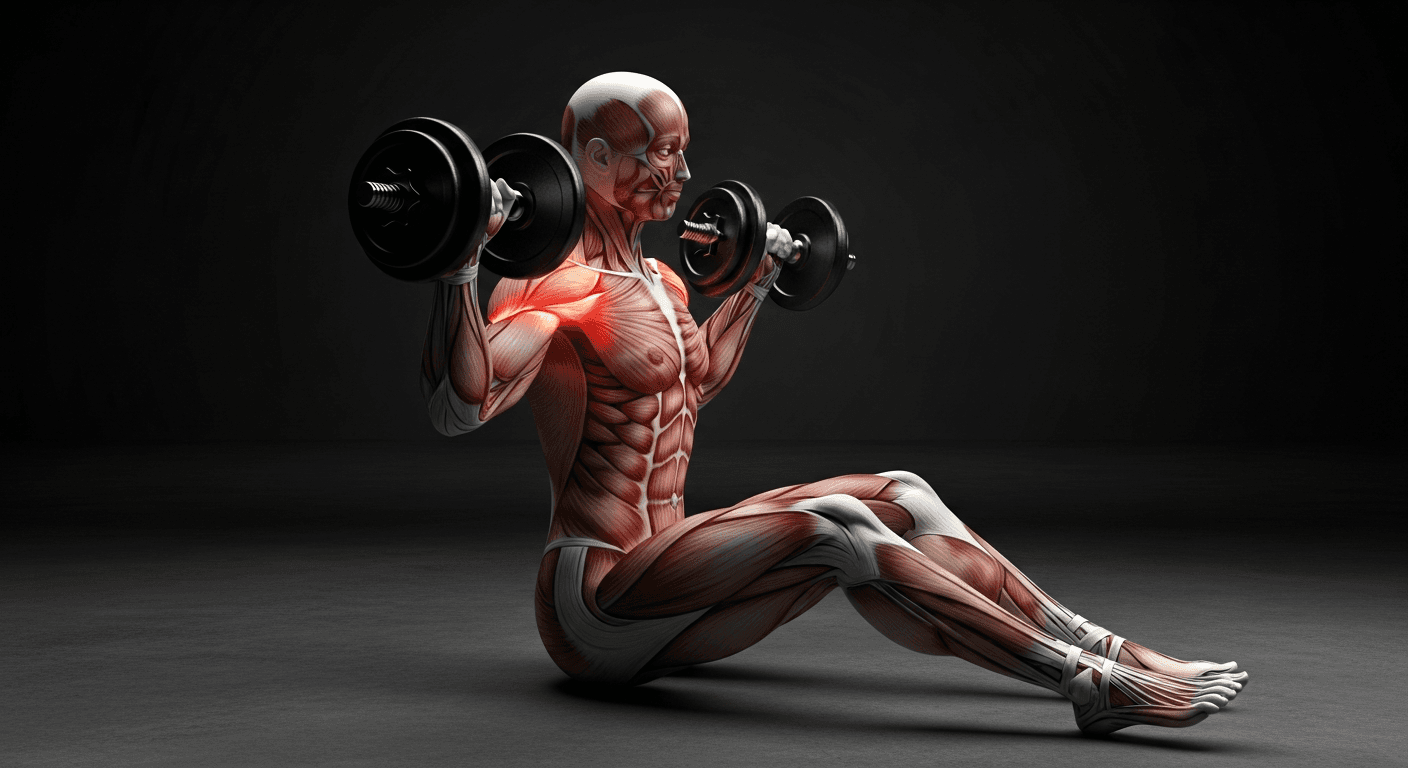
Photo by RepBro.
Conditioning for lifters means adding specific, time-efficient cardio that raises work capacity, improves recovery between sets, and supports health without derailing strength gains — practical protocols below show exactly what to do (sessions, intensity, and frequency).
What exactly is conditioning for lifters?
Conditioning is training that improves your ability to sustain work and recover between efforts — not long-distance running for its own sake. For strength athletes it should be targeted (low time cost, sport-friendly) and split into three useful templates: low-intensity steady state (LISS), tempo/moderate intervals, and high-intensity intervals (HIIT). Each has a place depending on goals and recovery.
How much cardio should I do and how intense?
-
Frequency: 2–4 sessions per week. Keep total weekly time: 40–180 minutes depending on intensity. Example ranges:
- Low/steady (LISS): 2×/week, 20–45 min at 60–70% HRmax (easy conversational pace).
- Tempo/moderate intervals: 2×/week, 15–30 min of work at 75–85% HRmax (hard but controlled), e.g. 6×3 min at tempo with 90–120 s rest.
- HIIT: 1–2×/week, 10–20 min total high-intensity work. Protocols below.
-
Intensity measures: use heart rate, pace, or RPE. If you don’t use HR: LISS = RPE 3–4/10 (can talk comfortably), Tempo = 6–7/10 (short sentences), HIIT = 8–9/10 (one-word responses).
What specific protocols work best?
Pick one primary template and one supporting session per week.
- LISS (recovery and volume):
- 20–45 minutes at 60–70% HRmax (walk incline treadmill, bike, easy row).
- Frequency: 1–3×/week. Low CNS cost; safe to do after light lifting or on rest days.
- Tempo / Cruise Intervals (work capacity):
- Example: 6×3 min at 75–85% HRmax, 90–120 s easy rest between intervals. Total time 24–30 min.
- Alternatively: 20 min steady at tempo.
- Frequency: 1–2×/week. Good mid-week or on non-max lift days.
- HIIT / Power Intervals (metabolic conditioning):
- Short-sprint style: 8×30 s all-out on bike/sled/row with 90–150 s easy recovery. Total high-intensity time 4 min, session ~20–25 min.
- Long-interval style: 4–6×2–4 min at 85–90% HRmax with 3–6 min rest (harder on aerobic system but lower CNS stress than all-out sprints for some athletes).
- Frequency: 0–2×/week depending on tolerance.
- Strength-compatible circuits (low-impact, high-load):
- Sled pushes, prowler, farmer carries, or ruck walks: 6–10 rounds of 30–60 s work with full recovery. Great for strength athletes because they blend strength, power, and conditioning.
How should conditioning interact with lifting?
- Prioritize lifts: Never do high-intensity intervals immediately before a heavy squat or deadlift session. If you must, keep it very short and submaximal.
- Placement options:
- After lifting: do 10–30 min LISS or short tempo sessions after your workout.
- Separate sessions: ideal — do conditioning on separate days or at least 6–12 hours apart.
- Morning/evening split: strength in evening, conditioning in morning (or vice versa) with adequate fueling.
- Volume control: Cut conditioning volume when in heavy strength phases (peaking cycles). Add more when in off-season or hypertrophy blocks.
- Nutrition: Ensure protein (1.6–2.2 g/kg) and adequate calories, especially on days with both lifting and conditioning.
What’s a simple weekly template for lifters who hate cardio?
Example (intermediate lifter doing 4 lifting sessions):
- Monday: Heavy squats + optional 15 min LISS (bike) at easy pace.
- Tuesday: Conditioning — 6×3 min tempo intervals (total ~30 min).
- Wednesday: Heavy bench/rows; rest from conditioning.
- Thursday: Off or easy 20–30 min walk/hike.
- Friday: Heavy deadlift + 8×30 s bike sprints with 2:00 rest (or 4×3 min long intervals) — only if recovery allows.
- Saturday: Light active recovery (30–45 min walk, mobility, or sled work).
- Sunday: Rest.
Adjust to fewer sessions if you’re new: start with Tuesday LISS and Saturday tempo, then progress.
How should I progress conditioning without losing gains?
- Small weekly increases: add 5–10% volume (time or reps) per week for 2–3 weeks, then a recovery week.
- Intensify before increasing volume: reduce rest or add intervals rather than extending every session.
- Monitor lifts: if 1–3RM strength drops or RPEs go up by 0.5–1 across sessions, back off conditioning volume.
What are common misconceptions?
- "Cardio kills strength": False when dosing and sequencing are managed. Poorly timed, high-volume cardio can impair recovery, but modest conditioning improves work capacity and recovery.
- "Only HIIT helps": No. LISS and tempo work both have roles and are less taxing on the nervous system.
- "Cardio must be running": Low-impact options (bike, row, sled) are often better for heavy lifters' joints and compliance.
How should I measure success?
- Strength preservation or improvement in main lifts.
- Easier recovery between sets (shorter rest for same lifts) and lower session RPE.
- Repeatable conditioning metrics: average pace on a 2 km row, watts in a 30 s sprint, or consistent heart rate response.
Safety note: Stop any exercise causing sharp or unusual pain. If you have cardiovascular, joint, or medical concerns, consult a qualified professional before starting high-intensity conditioning.
For practical tracking and to import routines into your training app, check tools like RepBro and learn how to bring plans into your system at https://www.repbro.app/import.
One-sentence takeaway: Add 2–4 short, focused conditioning sessions per week — prioritize lifting, pick LISS plus one intensity session, progress slowly, and cut volume during peak strength blocks.
Frequently asked questions
- How much conditioning should a lifter do each week?
- Do 2–4 sessions weekly: either 2–3 moderate sessions (20–45 min at 60–75% HRmax) or 2 shorter high-intensity sessions (10–20 min total work with intervals). Adjust by training phase and recovery capacity.
- Will cardio make me lose strength or muscle?
- Not if you manage volume, intensity, and nutrition. Keep heavy lifting prioritized, avoid repeated high-intensity sessions on heavy-lift days, and maintain protein and calorie intake.
- What's the safest way to add conditioning without burning out?
- Start with 2 sessions/week of low-impact work (rowing, bike, brisk walking) 20–30 min at an easy-moderate effort, then add intensity or another session after 2–4 weeks while monitoring sleep and lift performance.