Does Cycling Interfere With Leg Day?
Practical, evidence-aware guidance on how cycling interacts with leg training: timing, intensities, frequencies, protocols, and common misconceptions for strength and hypertrophy.
Photo by RepBro.
Short answer
Short answer: Moderate, low-frequency cycling does not inherently interfere with leg-day strength or hypertrophy if you manage intensity, volume, and timing. High-volume or high-intensity rides close to heavy squat sessions can blunt progress. Prioritize resistance sessions, schedule intense rides away from leg days, and use recovery rides on off-days.
How does cycling physiologically interact with leg training?
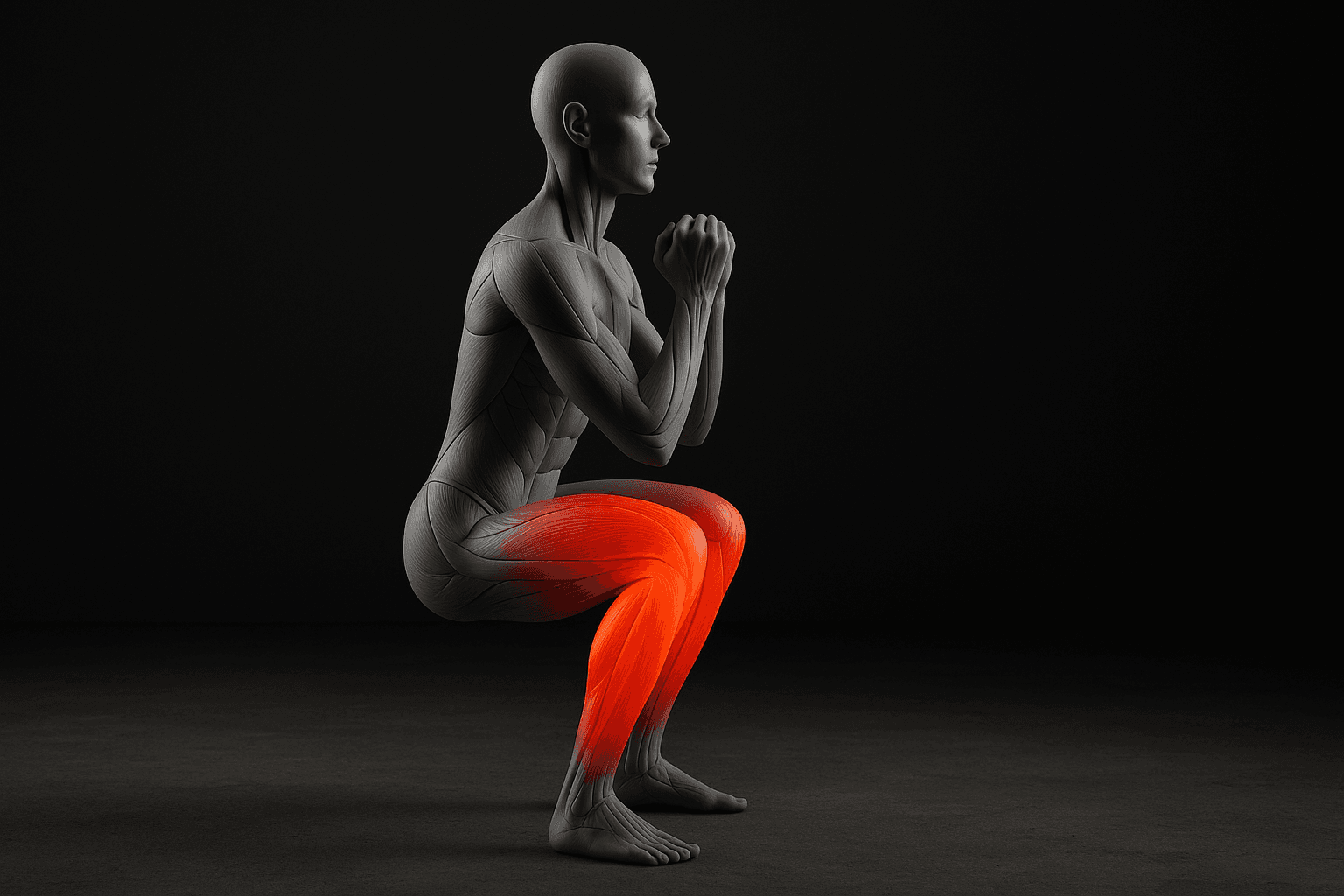
Cycling is primarily an endurance stimulus (high-repetition concentric work) that produces metabolic and mitochondrial adaptations. Resistance training stimulates neuromuscular and muscle-protein-synthesis pathways. When you do both, there can be a "concurrent training" interaction: high volumes or high-intensity endurance work increase overall fatigue and can reduce strength or hypertrophy gains if not balanced. The size of that effect depends on intensity, duration, frequency, and how sessions are scheduled.
What cycling intensities and session lengths are compatible with leg-day goals?
Use intensity guided by Rate of Perceived Exertion (RPE 1–10) or heart-rate zones.
- Active recovery ride: 20–60 minutes, RPE 2–3, <60% HRmax. Safe any time, useful day after heavy legs.
- Warm-up/skill ride: 10–20 minutes, RPE 3–4 with a few short strides. Use before lifting if you want light blood flow without fatigue.
- Moderate/tempo ride: 30–60 minutes, RPE 5–6 (roughly 65–80% HRmax). One or two sessions per week are usually compatible; avoid directly before heavy squats.
- High-intensity intervals (HIIT): 1–2 sessions per week, total hard time 10–30 minutes (e.g., 6×1 minute all-out with full recovery). Schedule at least 24–48 hours from heavy leg training and limit frequency if strength is the priority.
- Long endurance ride: >90 minutes. If you do long rides regularly, expect to adjust lifting volume/frequency—limit long rides to low-priority training blocks if hypertrophy/strength are primary.
How should I schedule rides relative to leg day?
- Same day: If doing both the same day, do lifting first when strength is the goal; put short easy rides after lifting if desired. If the ride is high-intensity and you must do it same day, separate sessions by several hours and eat/rehydrate between sessions.
- Day before: Avoid long or intense rides within 24 hours of a planned heavy squat session. If you ride, keep it very easy (20–30 minutes) or skip.
- Day after: Easy cycling can be active recovery and help soreness for many lifters, but listen to fatigue signals.
What concrete weekly protocols can I follow (examples)?
Use these templates based on priorities. Replace sets/loads in your resistance plan with your current program.
- Strength-priority (3 resistance leg sessions/week): 2 easy rides (20–45 min, RPE 2–4), 0–1 HIIT ride/week (10–20 total high-intensity minutes) scheduled 48+ hours from heavy leg sessions.
- Hypertrophy-priority (2–3 resistance leg sessions/week): 2–3 moderate rides (30–60 min, RPE 4–6) but keep HIIT to 0–1/week and avoid on heavy leg days.
- Cycling-priority (training for rides): Reduce leg training volume (fewer sets or less frequency) and accept slower strength gain; include 2 resistance sessions for maintenance.
How should I adjust nutrition and recovery?
- Carbs: For rides >60 minutes or intense intervals, include carbohydrates before and after to support glycogen and recovery.
- Protein: Aim to distribute 20–40 g of high-quality protein across meals and include protein after resistance sessions to support muscle protein synthesis.
- Monitor sleep, soreness, and performance metrics (load lifted, RPE). If lifts stagnate and rides are frequent/intense, reduce cycling volume or lighten lifting volume.
What mistakes do people commonly make?
- Doing long or high-intensity rides too close to heavy squats.
- Increasing cycling volume and lifting volume simultaneously.
- Treating cycling as equivalent to heavy resistance work—cycling causes less eccentric load and different stimulus, so it won’t replace heavy squats for strength.
Quick comparison: how different rides affect leg training
| Ride type | Typical session | Interference risk to heavy leg training | Suggested frequency if strength/hypertrophy is priority |
|---|---|---|---|
| Easy commute / recovery | 20–60 min, RPE 2–3 | Very low | 2–4×/week |
| Moderate/tempo | 30–60 min, RPE 5–6 | Low-to-moderate | 0–2×/week |
| HIIT / intervals | 10–30 min hard work, high neuromuscular demand | Moderate-to-high if frequent or near lifts | 0–2×/week |
| Long endurance | >90 min | High if frequent | 0–1×/week unless cycling is primary goal |
What progression and deload rules should I follow?
Progress one variable at a time (increase cycling volume or lifting volume—not both). Track performance (weights, reps, RPE) and signs of accumulated fatigue. When you notice persistent reductions in lift performance or increased soreness/fatigue, reduce one training load for a week. Frequency of structured deloads varies by individual; prioritize subjective and objective recovery markers.
Safety note
Stop any activity if you experience sharp or unusual pain. This article does not diagnose injuries. For persistent pain, complex programs, or rehabilitation after injury, consult a qualified clinician or coach who can assess your form and medical history.
Limitations: what coaching apps and AI cannot do
- No app or AI can see or correct your movement mechanics in real time; video review by a coach is necessary for detailed form correction.
- Apps can guide programming and track load but cannot fully account for day-to-day stress, sleep, or undiagnosed injuries—human judgment remains essential.
- A plan only works if you follow it consistently; adherence and progressive overload matter more than exact app choices.
Practical takeaway
Cycling does not automatically ruin leg-day progress. Keep most rides easy, limit high-intensity or very long rides near heavy lifting, sequence lifting first when strength matters, and monitor fatigue. Adjust volumes rather than trying to maximize both high-volume cycling and high-frequency heavy leg training at once.
Frequently asked questions
- Will cycling stop my leg strength or muscle growth?
- Short answer: No—occasional, low-to-moderate cycling won’t stop strength or hypertrophy if resistance training is prioritized. High-frequency, long or very intense rides can blunt adaptations by increasing fatigue; manage volume, intensity and recovery and sequence sessions with strength priority.
- Can I ride the bike the day before heavy squats?
- Do not do a long or high-intensity ride the day before a maximal or heavy squat session. If you must ride, keep it short and very easy (20–30 minutes, RPE 2–3) or schedule intense rides 24–48+ hours away from heavy leg training.
- How often can I cycle and still progress on legs?
- You can cycle 2–4 times per week while progressing on legs if most rides are easy or moderate and you avoid combining high-intensity rides with heavy leg sessions. If cycling volume is high, reduce lifting volume or frequency to avoid cumulative fatigue.