Rucking for Beginners: Getting Started the Right Way
Practical, evidence-aware guide to rucking for lifters: when to start, concrete sessions (times, loads, frequency), how rucks fit with lifting, common misconceptions and safety notes.

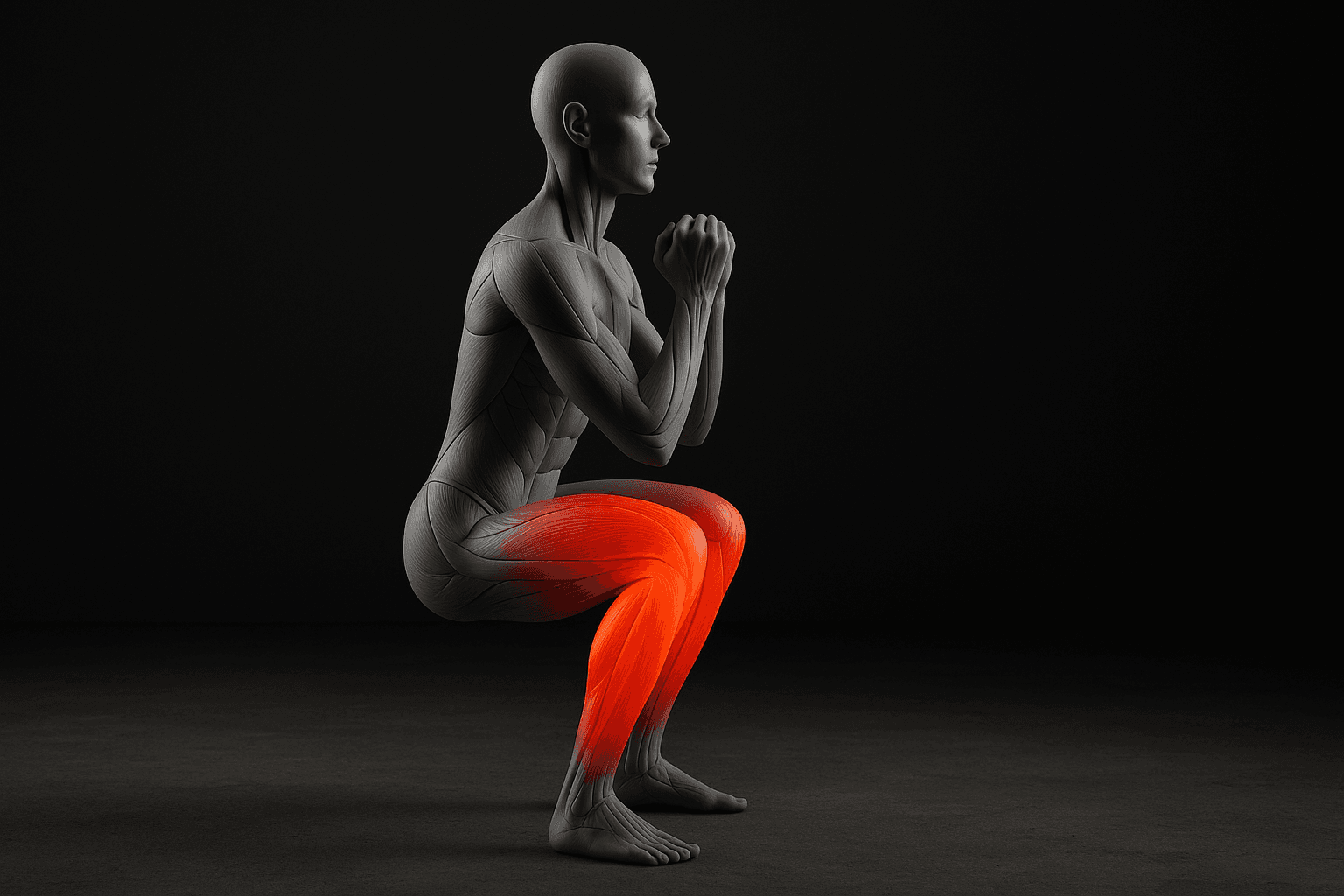
Photo by RepBro.
Direct answer (read first): Rucking is loaded walking that efficiently increases aerobic capacity and posterior-chain endurance with lower impact than running. Beginners should start with 20–40 minute sessions, about 2 times per week, carrying roughly 5–10% bodyweight, and progress slowly by time or small weight increments.
What is rucking and why should lifters care?
Rucking is simply walking while carrying a weighted pack. For strength athletes it fills a practical niche: low-to-moderate intensity cardio that builds work capacity, reinforces hip and back endurance, and is kinder to knees than running. It maintains aerobic fitness without large interference to strength if you control volume.
How should a complete beginner structure a first 8-week progression?
Start conservative and prioritize consistency.
- Weeks 1–2: 2 sessions/week, 20–30 minutes, 5% bodyweight in the pack, RPE 3–4/10 (easy to moderate). Focus on posture and cadence.
- Weeks 3–4: 2–3 sessions/week, 30–40 minutes, 8–10% bodyweight, RPE 3–5/10. Add short hills or slightly faster segments.
- Weeks 5–8: 2–4 sessions/week, 40–60 minutes, 10–15% bodyweight if comfortable, RPE 4–5/10. One session can be longer but keep most sessions moderate.
Progression rules: increase time before load if you must choose. Increase load in small steps — for example, 1–2 kg (2–5 lb) every 1–2 weeks or increase pack by about 5% of bodyweight once you can sustain current duration comfortably. If you feel persistent soreness or performance drops, reduce volume and recover.
How hard should I go — pace, heart rate and perceived effort?
Avoid max efforts. Aim for a moderate aerobic effort where you can maintain conversation but notice increased breathing (RPE 3–5/10). If you use heart rate, think steady-state aerobic ranges rather than intervals. Walk cadence and stride length will vary with load; shorter, controlled steps reduce joint stress.
How does rucking interact with my lifting program?
- Frequency: 1–3 rucks weekly fits most strength programs. If you train legs heavy twice a week, limit rucks to 1–2 low-volume sessions or place rucks on non-leg days.
- Timing: Prefer rucks on separate days from your heaviest lower-body sessions. If done same day, do the ruck after lifting or keep it very light beforehand.
- Interference: The interference effect is driven by volume and intensity. Moderate rucks typically have minimal negative effect on maximal strength when recovery and nutrition are adequate.
What gear and form details matter for beginners?
- Backpack vs dedicated ruck: a supportive pack with a hip belt disperses load better than a gym backpack. Pack low and snug; avoid top-heavy loads.
- Footwear: sturdy, cushioned shoes or lightweight hiking boots depending on terrain. Avoid stiff military boots unless you are accustomed to them.
- Load distribution: keep weight centralized and stable; use soft padding so the pack doesn’t jab the shoulders.
- Form: stand tall, engage glutes, slightly shorten stride, and maintain an active heel-to-toe walk. Use the hip hinge when ascending hills rather than over-striding.
How does rucking compare to running and walking?
| Activity | Impact on joints | Typical effort | How it helps lifters |
|---|---|---|---|
| Rucking | Low–moderate (depending on load) | Moderate intensity loaded aerobic | Builds posterior-chain endurance, usable cardio without high-impact pounding |
| Running | Moderate–high impact | Moderate–high intensity | Best for high-intensity conditioning and VO2 improvements but higher recovery cost |
| Walking (unloaded) | Low impact | Low–moderate intensity | Good for recovery and baseline aerobic work; less posterior loading than rucking |
Choose depending on goals: rucking is a middle ground between walking and running, giving more strength transfer than unloaded walking with less stress than running.
What are common misconceptions about rucking?
- You do not need military loads to gain benefit. Small, progressive loads give meaningful gains without excessive injury risk.
- Rucking will not replace targeted strength training; it complements, not substitutes, for squats or deadlifts.
- Heavier is not always better. Excessive load increases joint stress, changes gait, and impairs recovery.
Quick sample week for a lifter who trains 4 times for strength
- Monday: Heavy upper-body lifting
- Tuesday: Ruck 30 minutes, 8% bodyweight, easy pace
- Wednesday: Heavy lower-body lifting
- Thursday: Rest or mobility walk
- Friday: Light upper-body or Dynamic leg work
- Saturday: Ruck 45 minutes, 10% bodyweight, moderate pace
- Sunday: Rest
Adjust frequency and timing to match your training cycle and fatigue.
Safety note
Stop if you experience sharp joint or nerve pain. Expect muscular soreness, not shooting pains or numbness. If you have a pre-existing back, hip, or knee condition, consult a qualified clinician before adding load. This guidance is not a medical diagnosis.
Limitations: what apps and AI coaching can't do
Coaching apps and AI can provide structure, logging, and general feedback, but they cannot directly observe or correct your form, detect subtle compensation patterns, or provide hands-on rehabilitation. For persistent pain, suspected injury, or individualized medical clearance, see a qualified healthcare or movement professional. Also remember: a plan only works if you follow it consistently — consistency is the main driver of progress.
If you track workouts digitally, you can log rucks alongside lifts to monitor total weekly load and recovery; some users log both strength and rucks in RepBro.
Final practical tips: start light, build time before adding significant weight, keep most sessions conversational in effort, schedule rucks away from maximal leg days, and prioritize steady progression and recovery.
Frequently asked questions
- How often should a beginner ruck?
- Begin with two rucks per week of 20–40 minutes each at a moderate effort. Progress to 2–4 sessions weekly as conditioning improves. Keep one or more days without rucking between heavier lifting sessions to manage recovery and fatigue.
- How heavy should my ruck be when starting?
- Start conservatively: around 5–10% of bodyweight for most lifters. If you already use loaded carries or a heavy pack, begin a bit higher. Increase load slowly — small, regular increments rather than big jumps — and prioritize duration or frequency before large weight increases.
- Will rucking harm my squat and deadlift progress?
- Not if you manage volume: keep rucks moderate intensity and schedule them apart from heavy lower-body training. Avoid long or very heavy rucks on the day before max-effort leg work. Monitor fatigue and reduce ruck volume during strength-focused training blocks.