StairMaster vs Incline Treadmill: Which Burns More?
Compare StairMaster and incline treadmill for calorie burn, muscle impact, and how to program them with lifting. Practical protocols, scheduling, safety, and limits.
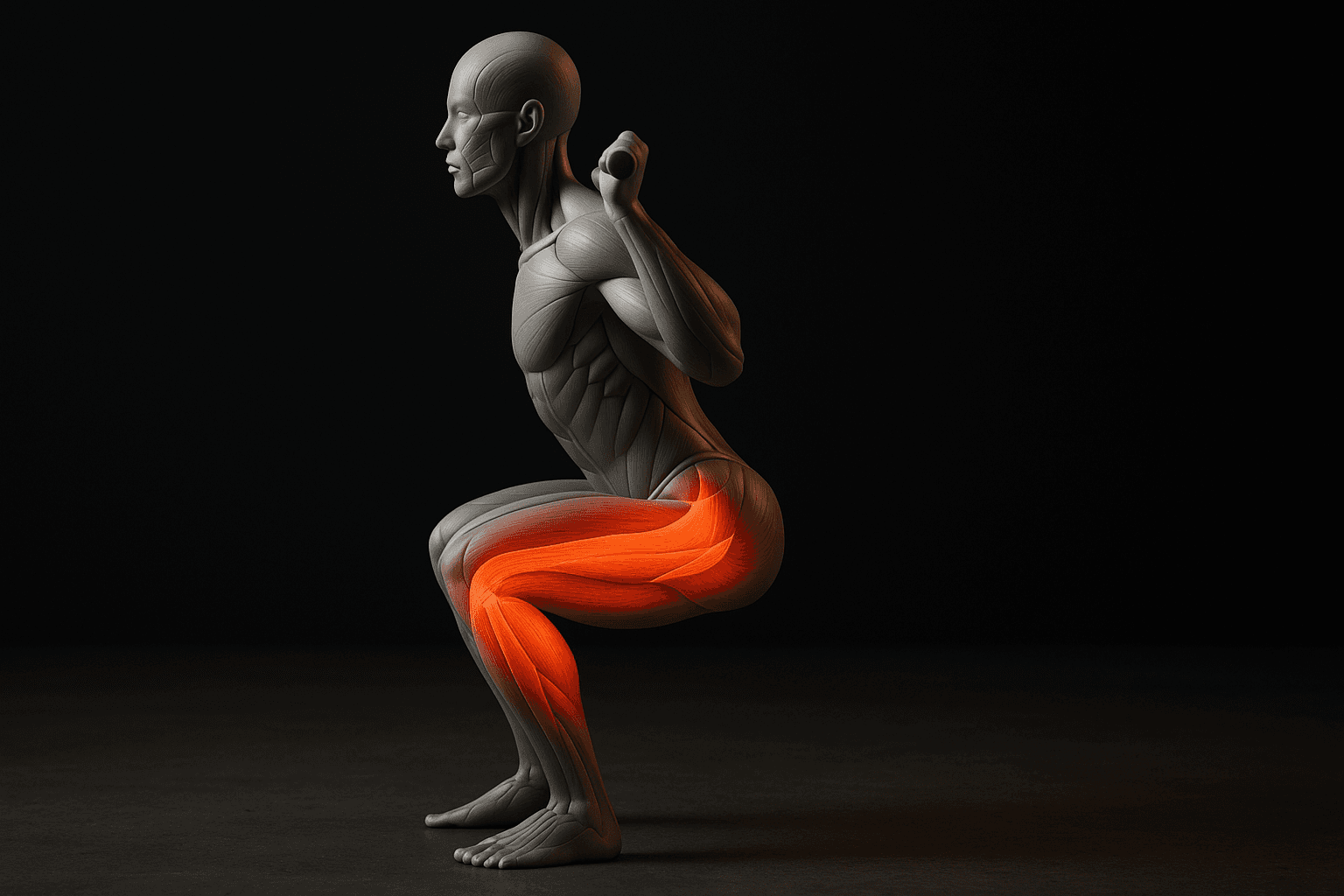
Photo by RepBro.
Short answer: Neither machine inherently burns more calories—total energy expenditure depends on intensity, duration, and body mass. A matched-effort interval protocol on an incline treadmill or a sustained hard climb on a StairMaster will produce similar metabolic and conditioning effects.
Which burns more calories per minute: StairMaster or incline treadmill?
Calories per minute are not a property of the machine; they’re a function of work rate. Heart rate, perceived exertion, and duration are better predictors than the label on the console. Use effort (RPE or percent of HRmax) to compare sessions: a vigorous StairMaster climb and a vigorous incline treadmill walk/run at the same relative intensity will yield similar calorie expenditure.
Practical rule: focus on intensity and duration rather than the machine name. If you must compare single sessions, match perceived effort (RPE 7–9) or aim for the same percentage of HRmax (77–93% for vigorous work).
How do they differ mechanically and with muscle activation?
- Primary movement: StairMaster simulates repeated stepping—shorter step, higher step frequency. Incline treadmill can be used for steep walking or running—longer stride, more hip extension.
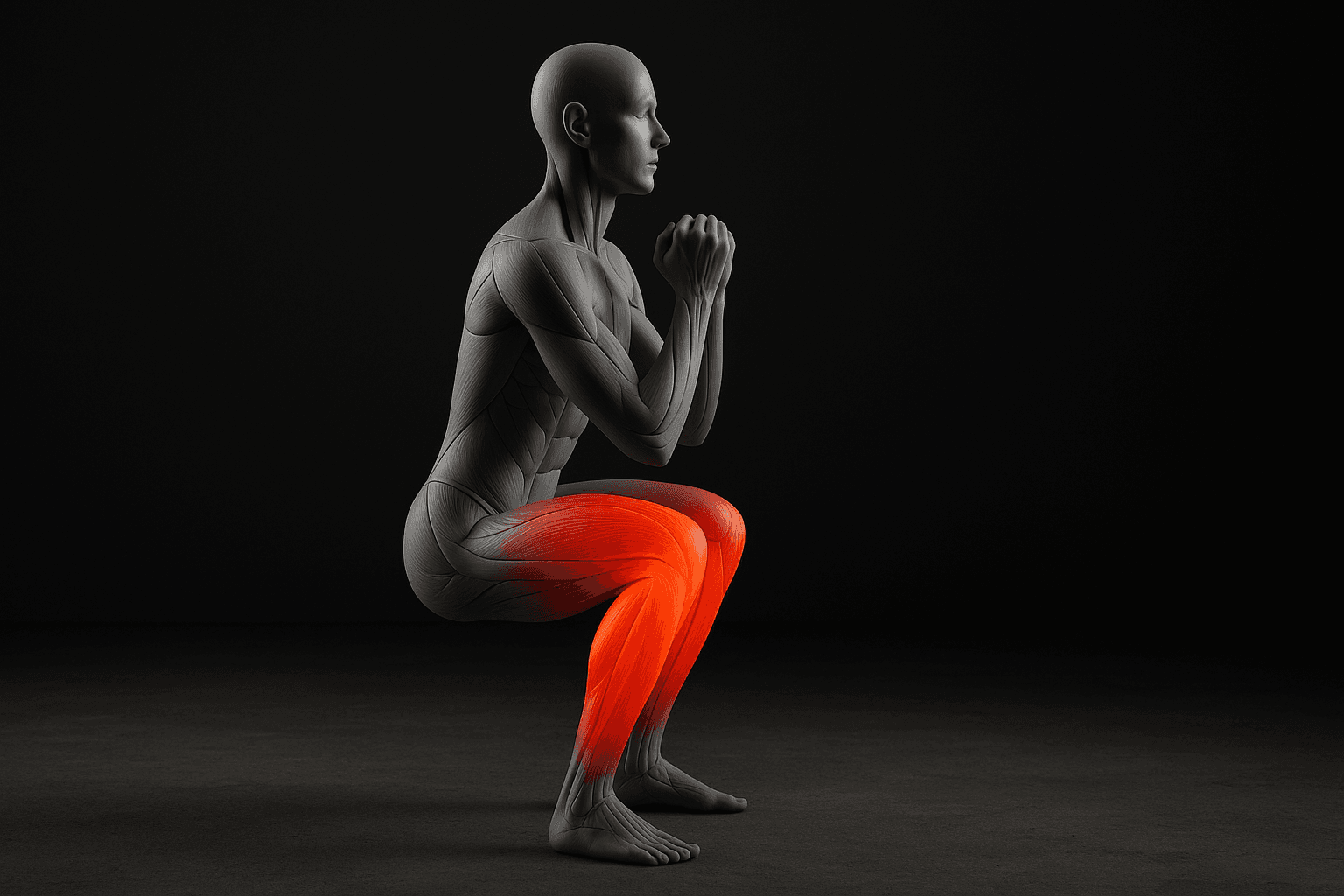
- Main muscle emphasis: both target quadriceps and glutes; higher inclines shift demand toward the posterior chain (glutes, hamstrings). Stair climbing tends to emphasize concentric hip and knee extension with less eccentric braking than running.
- Impact: StairMaster is lower-impact than running; incline walking can also be low impact. Both are easier on the joints than repeated downhill or high-speed running.
Avoid over-interpreting small EMG or lab differences; the practical takeaway is both train the lower body and cardiovascular system well.
What protocols work for lifters? (times, intensities, frequency)
Below are practical, evidence-aligned protocols you can use. Use RPE (Rate of Perceived Exertion, 1–10) or heart-rate zones where specified.
- Strength-friendly maintenance (2–3 sessions/week)
- Two steady-state sessions: 20–40 minutes at moderate intensity (RPE 5–6; ~64–76% HRmax).
- One optional short interval: 10–15 minutes total work with 6–8 x 30s hard (RPE 8–9) / 90s easy.
- Place intervals after lifting or on separate days; do steady-state on off days or after training.
- Conditioning-focused (3–5 sessions/week)
- Two interval sessions: HIIT 10–25 minutes work (e.g., 8–12 x 30–60s hard with 60–90s recovery) at RPE 8–9.
- One to three steady-state aerobic sessions: 30–60 minutes at RPE 4–6.
- Balance with 2–4 strength sessions; reduce lifting volume if cardio volume increases substantially.
- Time-crunched fat-loss approach (3 sessions/week)
- 2 short interval sessions (15–20 minutes total, including warm-up): 10 x 30s hard / 60s easy.
- 1 steady session: 30–40 minutes brisk incline walk or moderate StairMaster.
Progression: add volume slowly—no more than ~10% increase per week in total cardio minutes; prioritize recovery if strength is stagnating.
How do these machines interact with lifting performance and recovery?
- Order: Strength first if strength/hypertrophy is priority. Cardio before lifting can reduce performance, especially leg power, unless low intensity and short.
- Frequency/volume: High weekly aerobic volume can interfere with gains if not managed. Keep high-intensity cardio limited or separate from heavy leg days.
- Nutrition: refuel appropriately when doing both—carbs around sessions help preserve strength adaptations.
Which should I choose for specific goals?
| Goal | StairMaster | Incline Treadmill |
|---|---|---|
| Preserve strength while adding conditioning | Good — short, high-intensity climbs fit after lifting | Good — incline walks are easy to control and scale |
| Build lower-body muscular endurance | Good — step pattern and cadence stress endurance | Good — long uphill walking with load variations work well |
| Time-efficient HIIT | Good — quick adjustments and clear intervals | Good — allows walking or running intervals with varied slope |
| Joint-friendly cardio | Good — low impact compared to running | Good — walking at incline is low impact |
| Ease of progressive overload | Moderate — machine steps may limit pace adjustments | High — adjust speed and incline precisely |
Common misconceptions
- "StairMaster burns more calories automatically": False — intensity and duration matter more than the machine.
- "Incline walking won’t build conditioning": False — steep, sustained walks or intervals produce robust cardiovascular stimulus.
- "Cardio will ruin my gains": Not if volume and timing are managed. Use 2–4 weekly sessions and place high-intensity work after lifting or on separate days.
Safety and practical tips
- Stop and consult a professional if you feel sharp or unusual pain. Do not ignore persistent joint pain.
- Warm up 5–10 minutes before intense intervals; cool down 5–10 minutes after.
- Use handrails only for balance, not to support body weight—excessive grip reduces training stimulus.
- If you introduce high-incline walking, start conservatively to avoid excessive muscle soreness.
How to track progress
Measure relative intensity (RPE, heart rate zones), time at target effort, ability to increase interval work or grade, and how sessions affect subsequent lifting performance. Consider logging sessions in a training app; you can use RepBro to record intervals and monitor trends.
Limitations — what apps and articles can’t do
- No app or article can see or correct your movement form; a qualified coach or clinician is needed for individualized technique feedback and rehab.
- Remote guidance can’t fully account for your injury history, medication, or medical conditions—consult a healthcare professional before a new high-intensity program.
- A plan only works if you follow it consistently; programming is only one part of progress—sleep, nutrition, and adherence matter more than picking between machines.
Summary: Pick the machine you’ll use consistently, match sessions by effort and duration, and program cardio around your lifting priorities. Both StairMaster and incline treadmill are valid tools for conditioning and calorie expenditure when used with appropriate intensity and recovery.
Frequently asked questions
- Which machine burns more calories: StairMaster or incline treadmill?
- Direct answer: Neither machine inherently burns more calories—energy expenditure is driven by intensity, duration, and your body mass. A hard interval session matched for effort on either machine will produce similar calorie burn; differences come from posture, stride, and how long you sustain the work.
- How often should lifters do StairMaster or incline treadmill sessions?
- For lifters prioritizing strength or hypertrophy: 2–4 cardio sessions weekly (two moderate 20–40 minute sessions and one optional short high-intensity session). Increase frequency only if conditioning or fat loss is the main goal, while managing recovery and training order to limit interference.
- Should I do cardio before or after lifting when using these machines?
- Do strength training first if strength or hypertrophy is primary. If you must do cardio same day, keep it lower volume before lifting (under 10–15 minutes low intensity) and place higher-intensity or longer cardio after strength work or on a different day.