The Most Common Back Extension Mistakes (and How to Fix Them)
Clear, evidence-aware guide to the top back-extension mistakes: why they happen, what they cost (lost gains or injury risk), and one concrete fix per mistake.
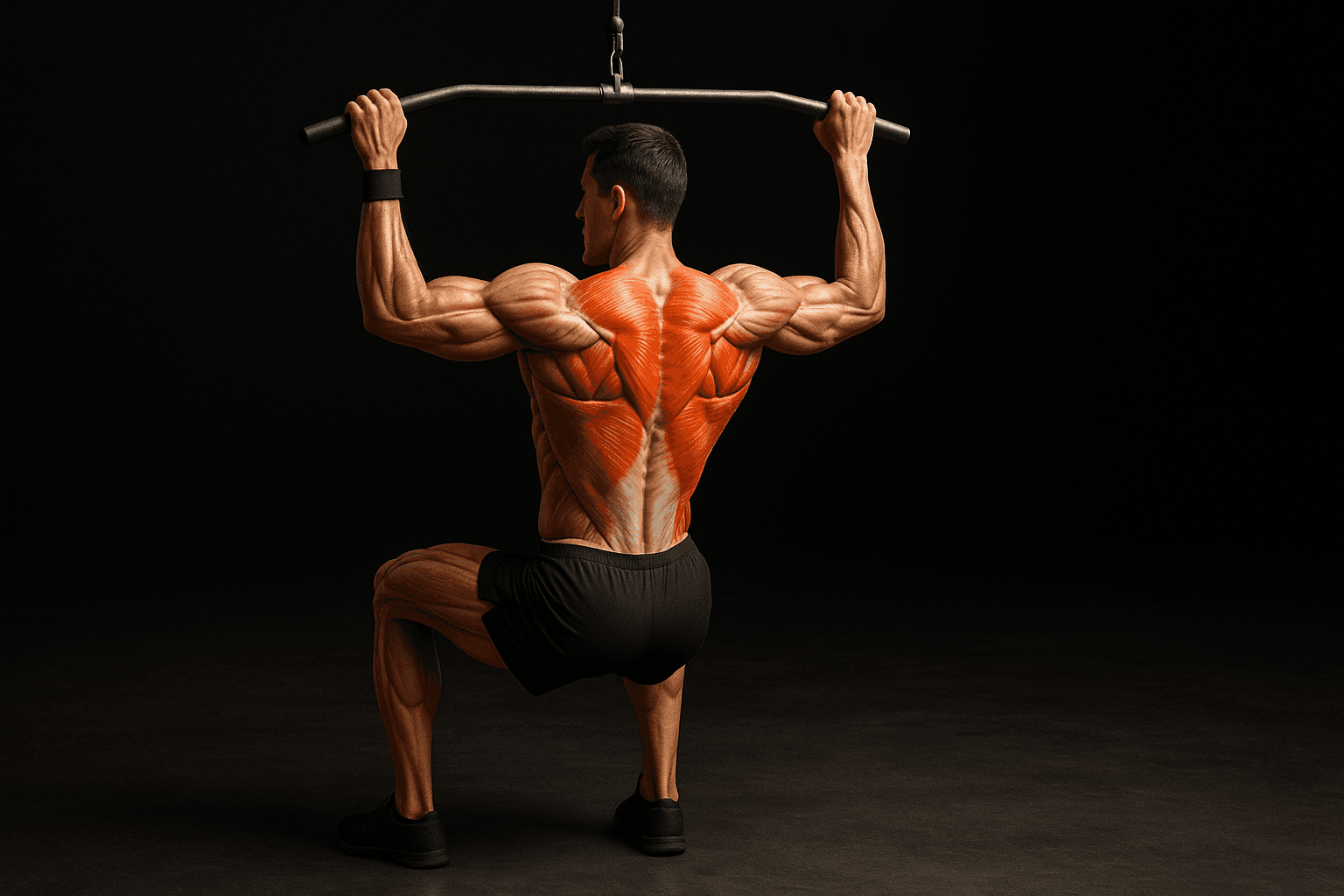
Photo by RepBro.
Answer-first (direct): Common back-extension mistakes are lumbar hyperextension, lumbar rounding, hinging at the wrong joint, using momentum, insecure foot/bench setup, and loading past a controlled range. Each reduces muscle stimulus or raises injury risk; the fixes are simple cues, regressions, and setup changes described below.
What causes excessive lower-back arching and how do I fix it?
Why it happens: lifters try to ‘get to the top’—they push past neutral into lumbar extension to look like they finished the rep. Weak posterior chain or aiming for a flashy finish also contributes.
What it costs: repetitive hyperextension increases compressive and shear loading on the lumbar spine, reduces tension on glutes/hamstrings, and can exacerbate lower-back pain.
One concrete fix: stop at neutral. Use a visual target (a foam block or band) so you only lift until your torso aligns with your hips. Cue “rib-down, pelvis-neutral.” If you still hyperextend, reduce range and work eccentrics (3–4 s lowering) until you control neutral consistently.
Why does my lower back round during back extensions and why is it a problem?
Why it happens: poor hip-hinge mechanics, tight hip flexors or quads, or fatigue (form collapse). Some people set the pad too high so the movement becomes a spinal-only flexion/extension.
What it costs: lumbar flexion under load transfers stress to discs and ligaments, reducing safe force production and hamstring/glute contribution.
One concrete fix: learn and rehearse the hip hinge. Practice Romanian deadlifts off a dowel or hip-hinge drills: push hips back, chest up, and feel the glutes/hamstrings lengthen. Regress to glute bridges and Romanian deadlifts before returning to full back extensions if rounding persists.
How does improper bench/foot setup undermine the exercise and how do I fix it?
Why it happens: pad placed too high or low, feet not secured, or ankles not braced. If the hips can’t pivot, the lumbar spine compensates.
What it costs: poor leverage, limited hip range, instability, and compensatory lumbar movement that reduces training transfer.
One concrete fix: set the pad so the hip crease is aligned with the pad edge when you stand. Feet should be locked under the footplate with weight on the heels; knees can be slightly bent. If your bench doesn’t allow this, do floor-based regressions (Swiss-ball back extensions or reverse hypers).
Why am I using momentum or jerking at the top and what do I lose?
Why it happens: trying to add reps or weight quickly, or lack of motor control under fatigue.
What it costs: momentum reduces time under tension and muscle activation. It also spikes shear forces on the spine and increases injury risk.
One concrete fix: control tempo. Use a 2–4 second eccentric, a 1-second pause at neutral, and an explosive but controlled return without thrusting the pelvis beyond neutral. Drop the load if you can’t maintain tempo.
When does loading too heavy become a mistake and how should I progress?
Why it happens: people assume heavier equals stronger; they add weight until form breaks.
What it costs: loading past the point of technical breakdown shifts load to passive structures and reinforces a flawed motor pattern, increasing injury risk and giving poor strength transfer.
One concrete fix: use RPE or technical-failure rules: stop the set 1–2 reps shy of form failure. Progress by increasing reps, slowing tempo, or adding small increments of external load only after perfect reps across sets.
Why is neck position important and how should I manage it?
Why it happens: lifters look up to ‘finish’ the rep, extending the cervical spine.
What it costs: cervical hyperextension adds unnecessary strain and can cascade into thoracic compensation.
One concrete fix: maintain a neutral neck aligned with the spine—gaze at the floor a few meters ahead. Think “long neck” and keep chin slightly tucked.
How do I choose regressions or progressions—for example, Roman chair vs floor alternatives?
Why it matters: some setups are more demanding on the lumbar spine; others are safer for beginners or rehab.
| Variation | Difficulty | Key use-case |
|---|---|---|
| Floor back extension / "Superman" | Low | Early motor control, rehab, bodyweight work |
| Swiss ball back extension | Moderate | Mobility-friendly, controlled ROM |
| Roman chair / GHD | High | Posterior chain strength and endurance |
| Glute-ham raise | Very high | Strength/hypertrophy for trained athletes |
Choose the lowest-difficulty option that lets you maintain a neutral lumbar spine for all reps. Progress only when control is consistent.
Safety note
Stop training if you feel sharp or worsening pain; this article doesn’t diagnose. If you have a history of spinal injury or persistent pain, consult a qualified clinician (physiotherapist, sports physician) before progressing. Record a few reps on video and compare to the cues above or use an app to track—this can help identify consistent errors.
Limitations: what coaching apps and AI cannot do for you
No app or AI can watch your exact movement live and correct subtle mechanics in real time the way an experienced coach can. Remote feedback is useful for pattern recognition but cannot replace hands-on assessment for injuries, manual therapy, or bespoke rehabilitation. A training plan only works if you follow it consistently; motivation, sleep, nutrition, and in-person assessment matter.
If you want to log sessions or compare videos over time, record from two angles and review form after warm-ups. Some lifters find structured logging helpful; a training app can store those videos for reference.
Closing practical checklist (do this next session):
- Set pad at hip crease and secure feet.
- Do 5 hinge-only warm-up reps (hips back, chest up).
- Perform back extensions with a 3 s lower, stop at neutral, and 2–3 sets of controlled reps.
- If form breaks, regress to Swiss-ball or floor variations and focus on hip hinge.
Safety reminder: none of this replaces professional medical advice. If pain or doubt persists, see a qualified practitioner.
Frequently asked questions
- What are the most common back extension mistakes?
- Common mistakes: excessive lumbar arching, rounded lower back, hinging at the wrong joint, using momentum, incorrect foot/bench setup, and loading too heavy. Each reduces training effect or increases injury risk. Fixes are hip-hinge cues, limiting ROM, slowing tempo, secure foot bracing, and regressions like bridges.
- How should I set up the Roman chair or back extension bench?
- Set the pad so your hips can pivot freely: the top of the pad should sit at the crease of your hips when standing. Feet should be secure and knees slightly below the pad. This lets you hinge at the hips and control lumbar positioning through the full but safe range.
- How do I progress back extensions without risking my lower back?
- Progress by adding repetitions, slowing tempo (longer eccentrics), increasing time under tension, or adding light external load only after form is perfect. Prioritize controlled range and neutral spine; if form breaks, reduce load or regress to easier variations like reverse hypers or glute bridges.