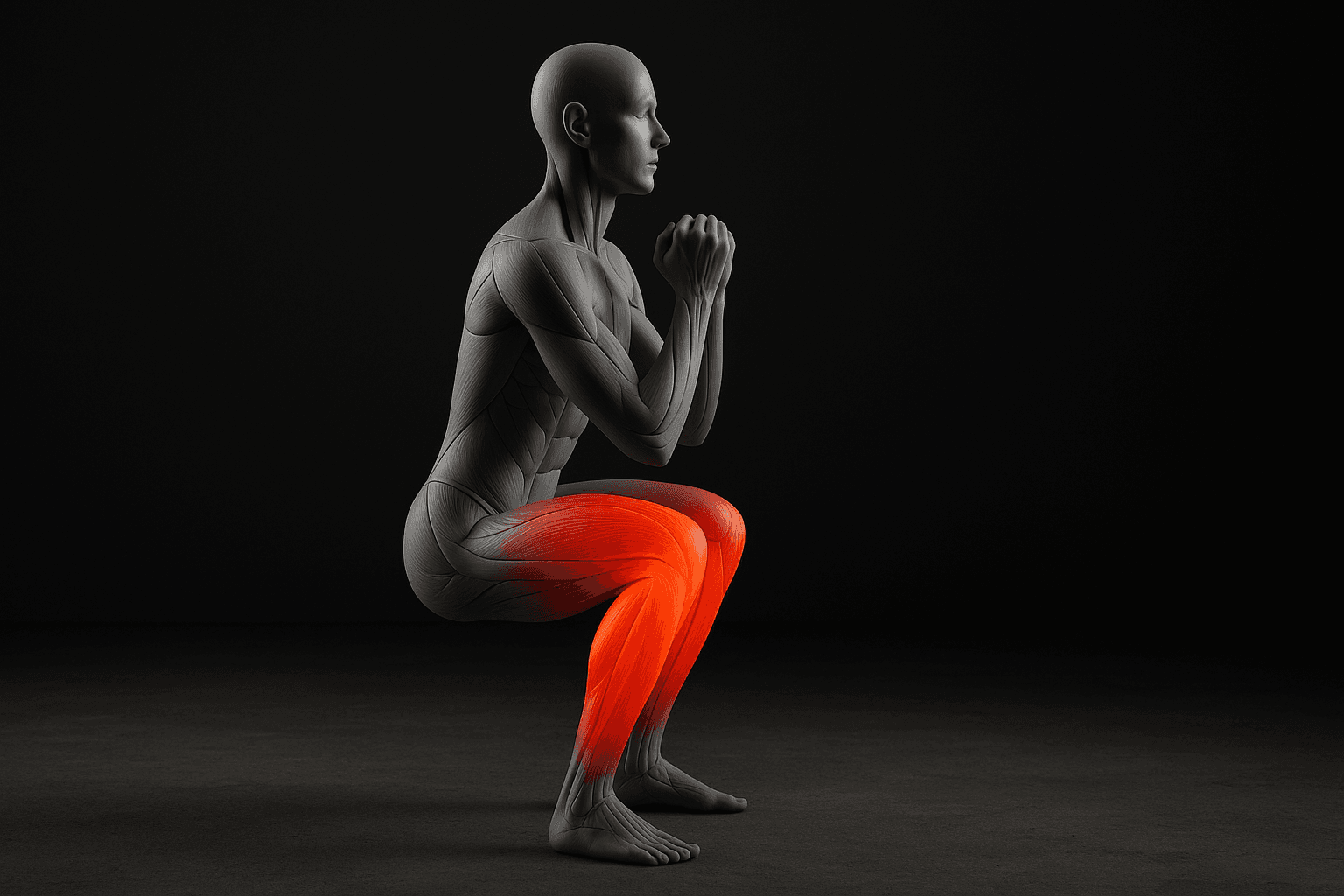
The Most Common Back Squat Mistakes (and How to Fix Them)
Fix the top 7 back squat mistakes: toes/heels, knee valgus, butt wink, shallow depth, forward lean, weak brace, and poor bar path—clear causes, costs, and single fixes.
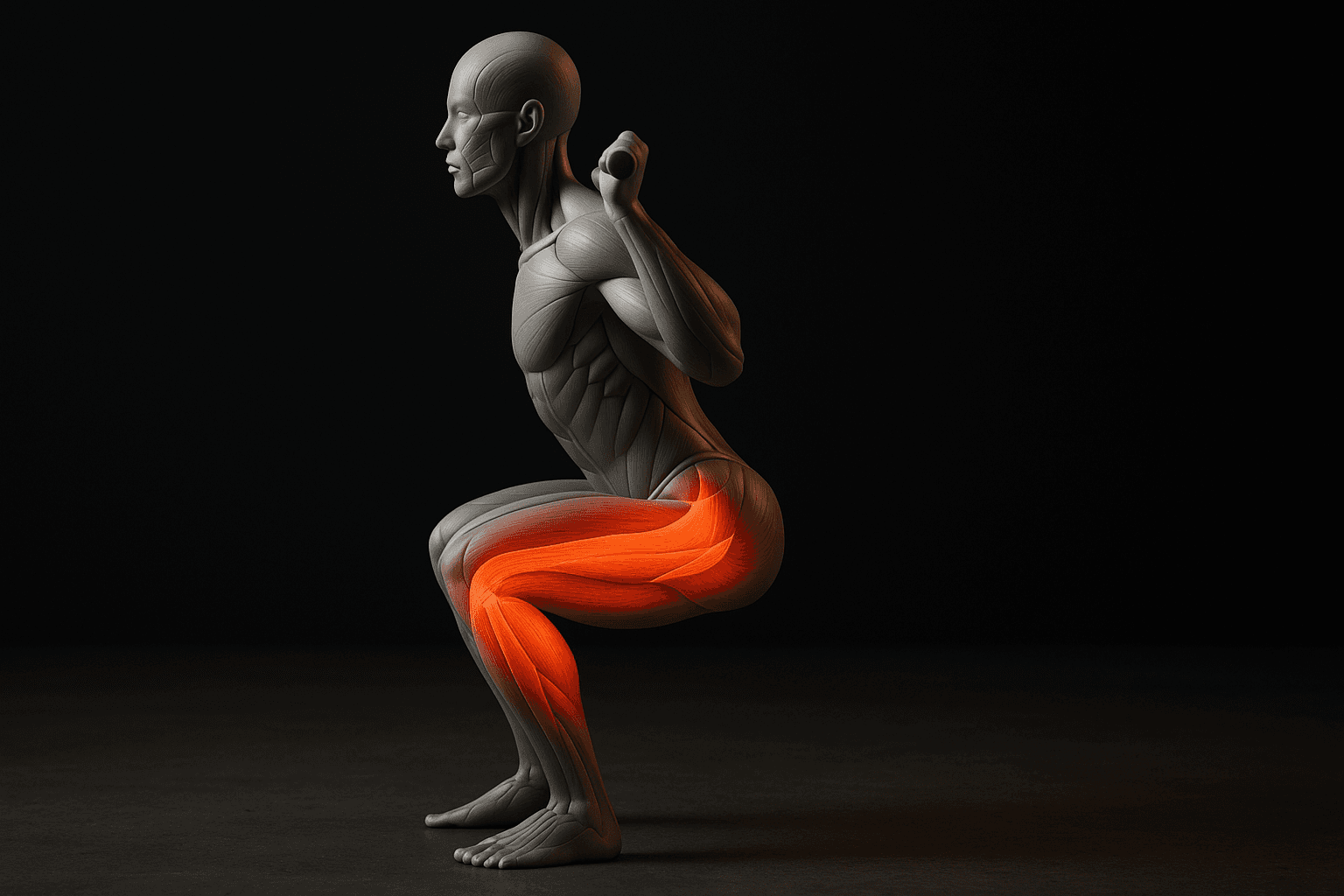
Photo by RepBro.
What are the most common back squat mistakes?
Here’s a direct answer: the most common back squat mistakes are weight on the toes/heels lifting up, knees collapsing inward (valgus), lumbar rounding at depth ("butt wink"), not reaching consistent depth, excessive forward torso lean/chest collapse, poor bracing/breathing, and inconsistent bar path/stance width. Below I explain why each happens, what it costs you (lost gains or increased injury risk), and a single, concrete fix you can apply today.
Why is my weight shifting onto my toes or my heels lifting? (Heels rise/weight on toes)
Why it happens: Limited ankle dorsiflexion, too-narrow stance, or a cue to "sit back" gone wrong. Also common with shoes that have very soft soles.
What it costs: Less posterior chain activation, less stable drive out of the hole, and risk of forward knee stress or ankle strain. You also lose efficient force transfer, reducing strength and hypertrophy potential.
One fix: Heel-elevated goblet squats. Place a 1–2.5 cm (0.5–1 in) wedge or 5–10 mm plate under each heel and perform 3 sets of 8 goblet squats with a 2-second pause at the bottom, focusing on keeping weight mid-foot. Do this twice weekly for 3–4 weeks while also doing a 60-second ankle mobility wall-toe test (3 reps each side).
Why do my knees cave inward during the squat? (Knee valgus)
Why it happens: Weak hip abductors/external rotators and poor motor control; sometimes fatigue or trying to lift too heavy too fast.
What it costs: Increased stress on the knees (medial structures) and less efficient force output from the glutes, limiting strength and increasing injury risk.
One fix: Band-resisted squat warm-up. Loop a mini-band just above the knees and perform 3 sets of 10 tempo bodyweight squats, aggressively pushing knees out against the band on the ascent. Progress to 3 sets of 8 with a light load once control is permanent.
Why does my lower back round at the bottom? (Butt wink / lumbar flexion)
Why it happens: Limited hip or hamstring mobility combined with a deep torso angle or trying to force depth beyond anatomical limits.
What it costs: Repeated lumbar flexion under load increases risk of acute strain and reduces ability to transfer force through the hips, capping strength gains.
One fix: Box-squat to target depth. Set a box where your hip crease reaches at parallel (or slightly above if you experience warning signs). Perform 4 sets of 5 box squats at 60–70% of working weight focusing on sitting back and maintaining a neutral lumbar position. Progressively lower the box by one step only when you can hold neutral spine for all reps.
Why don’t I hit full depth consistently? (Shallow squats)
Why it happens: Fear of hitting depth, quad-dominant movement patterns, mobility restrictions, or programming that prioritizes load over range of motion.
What it costs: Less glute and hamstring activation, diminished hypertrophy stimulus, and poor carryover to real-world strength demands.
One fix: Tempo box squat progression. Use a box at target depth and add a 2-second pause. Do 3 sets of 6–8 twice weekly, then remove the box only when you can hit the same position under control without the pause for 3 consecutive workouts.
Why is my torso collapsing forward or my chest dropping? (Excessive forward lean)
Why it happens: Weak upper back and poor bracing, combined with bar placement too high or too low on the back, or trying to lift too heavy.
What it costs: Greater shear forces through the lower back, less force through the legs, and limited progress because the posterior chain does more eccentric work than concentric drive.
One fix: High-bar to low-bar experiment plus 3 sets of 8 chest-up paused squats. First test bar placement: high-bar (upper traps) usually keeps torso more upright. Add a 1-second pause at mid-descent with a strict "chest-up" cue and lighter load (50–60% 1RM) for 3 sessions to retrain position.
Why can’t I hold my brace or I breathe wrong? (Poor bracing/breathing)
Why it happens: Rushing reps, not using intra-abdominal pressure, or lacking a cueed breathing routine.
What it costs: Reduced spinal stiffness, loss of force transfer, and higher perceived effort for the same weight—this limits progression.
One fix: The 3-breath brace. Before unracking, take a deep belly breath, brace like you’re about to be punched, perform one squat rep, exhale on the ascent, and re-breathe before the next rep. Practice with 3 sets of 5 at 60% twice a week.
Why does my bar drift or my stance feel inconsistent? (Bar path or stance issues)
Why it happens: Inconsistent setup, lack of a consistent foot or bar placement, or mirroring other lifters instead of finding your own width.
What it costs: Inconsistent leverage, inefficient force transfer, and plateaued progress due to technical variability.
One fix: Mark and repeat. Use tape or chalk to mark foot placement and note bar placement on your back (high/low). Take video from the side for 1–2 sets to confirm a vertical bar path. Repeat the same setup for 6–8 workouts and only then experiment with small changes.
When should I stop squatting? (Safety note)
Stop if you feel sharp or unusual pain; do not push through acute joint pain. If persistent pain appears, reduce load and consult a qualified clinician or coach. This article is not medical advice.
If you track technique or want a program-friendly app to log progress and drills, consider RepBro for straightforward tracking and compare options at https://www.repbro.app/vs.
One-sentence takeaway: Fix one technical flaw at a time with the single concrete drill above, lower weight if needed, and rebuild strength from a controlled, repeatable setup rather than forcing numbers at the expense of form.
Frequently asked questions
- How often should I practice the corrective drills?
- Do the specific corrective drill 2–4 times per week for 4–6 weeks, then reassess—short, focused work (5–10 minutes) before your squat session is usually best.
- Is 'depth' the same for everyone?
- No—aim for at least hip crease below the knee (assisted by a box if needed), but individual anatomy can change the exact depth; stay within a pain-free, controlled range.
- Should I lower my training weight to fix technique?
- Yes—drop to a weight where you can perform perfect reps for at least 5 sets of 3–5, then increase only when form is consistently solid.