Barbell Shrug: Proper Form, Step by Step
Practical, evidence-aware guide to barbell shrug form: setup, execution cues, breathing, tempo, common mistakes with fixes, safety notes, and short FAQ.
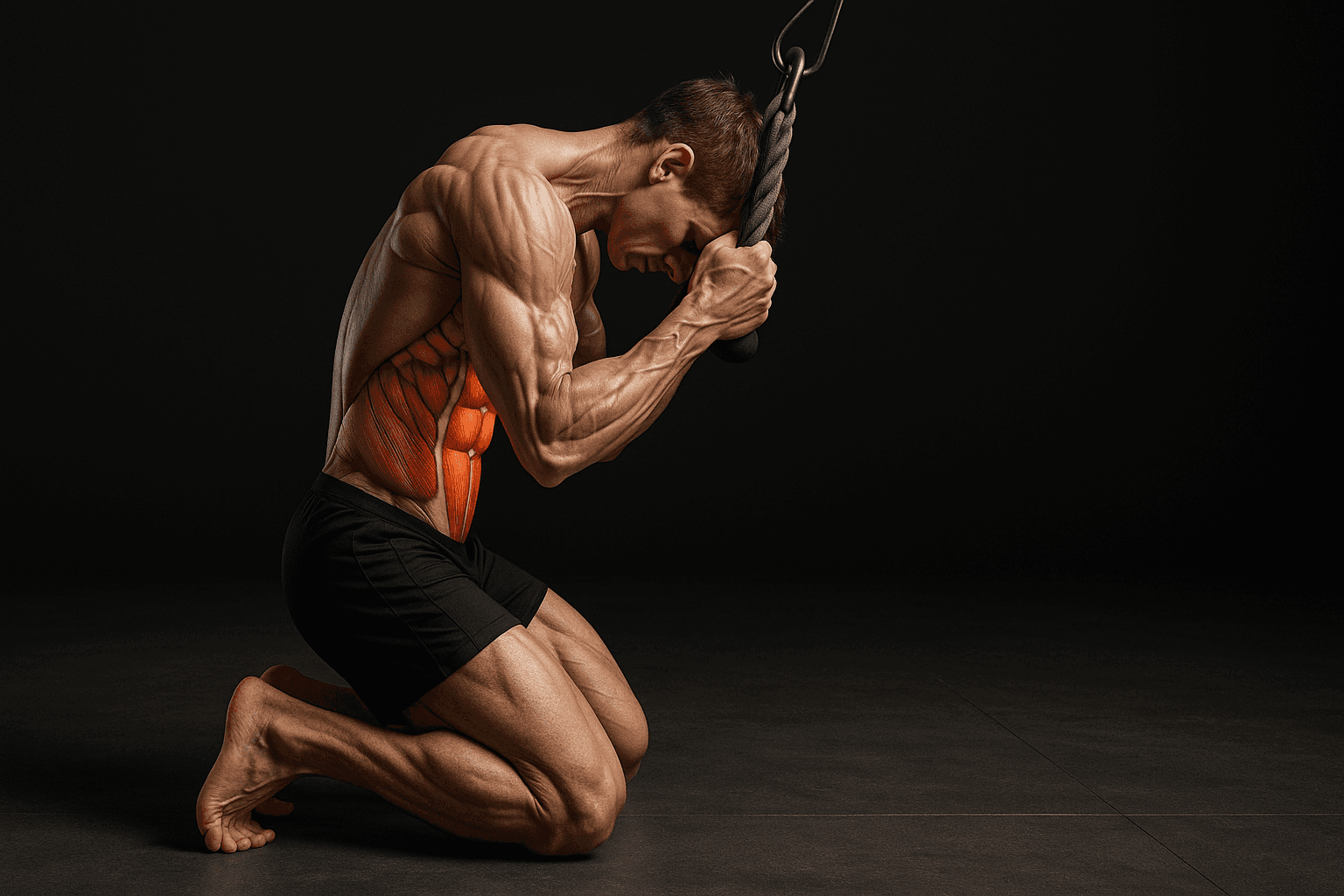
Photo by RepBro.
The barbell shrug works the upper trapezius primarily; perform it standing with a neutral spine, shoulder blades moving straight up and down, minimal elbow movement, controlled tempo, and moderate‑to‑heavy load. Use progressive overload across sessions, avoid rolling the shoulders, and stop on sharp pain.
Why do lifters include barbell shrugs in their program?
Barbell shrugs target the upper fibers of the trapezius, improving shoulder‑elevation strength and the visual thickness of the upper back. They are an accessory movement: useful for posture, carry strength, and aesthetic development when combined with rows and overhead work. Shrugs are not a substitute for compound upper‑back exercises.
How do I set up for a barbell shrug?
- Foot stance: Stand with feet hip‑width to shoulder‑width apart. 2. Grip: Use a double overhand, hook, or mixed grip just outside thigh width; hands should be symmetrical. 3. Bar position: Bar rests against your thighs with arms straight. 4. Posture: Chest up, neutral spine, slight knee bend (unlocked). 5. Scapula starting position: Shoulders relaxed down and back—don’t pre‑elevate.
What is the step‑by‑step execution?
- Unrack or lift the bar from the floor/stand to hip level with arms straight. 2. Inhale or brace lightly. 3. Shrug: Drive the shoulders straight up toward the ears in a vertical line using only the traps; keep elbows straight and forearms relaxed. 4. Pause for a controlled 0–1 second at top—no excessive neck extension or rolling. 5. Lower slowly under control until shoulders return to the starting position. 6. Repeat for the target reps.
Coaching cues that help:
- "Straight up, straight down" (avoid circular motion).
- "Lead with the top of your shoulders, not the neck."
- "Keep arms long" (minimize elbow bend).
- "Chest tall, ribs down" (maintain neutral spine).
How should I breathe and what tempo should I use?
- Breathing: Typically inhale on the descent and exhale at the top, or maintain a diaphragmatic brace throughout heavy sets. Choose a pattern that keeps you stable and avoids Valsalva unless you know how to use it safely.
- Tempo: A useful default is 1 second concentric (up), 0–1 second pause at top, and 1–2 seconds eccentric (down). Slower eccentrics increase time under tension; short pauses at the top improve control. Avoid bouncing or uncontrolled drops.
How many sets, reps, and how often should I do shrugs?
There is no single prescription. Typical accessory programming uses 2–4 sets of 6–15 reps depending on goal: lower reps and heavier load for strength emphasis, higher reps and moderate load for hypertrophy. Frequency of 1–3 times per week fits into most split layouts. Progress by adding small load increments, extra reps, or additional sets while monitoring recovery.
Are barbell shrugs better than dumbbell or trap‑bar shrugs?
| Variation | Load potential | Range of motion | Posture/comfort |
|---|---|---|---|
| Barbell shrug | High — allows heavy loading | Short, vertical | Requires neutral spine; may impinge in some lifters |
| Dumbbell shrug | Moderate — less raw load | Slightly greater scapular freedom | Hands at sides can be more comfortable for some shoulder anatomies |
| Trap‑bar shrug | High to moderate | Similar to barbell, often more upright torso | Can be easier on the spine for some lifters |
Select the implement that fits your anatomy and allows strict vertical shoulder elevation without compensations.
What are common mistakes and how do I fix them?
-
Mistake: Rolling the shoulders.
Fix: Shrug straight up and down; use a mirror or video to monitor motion. Think "shoulder tops up, not back." -
Mistake: Excessive neck extension or shrugging with the neck.
Fix: Tuck the chin slightly and lead with the shoulders; imagine pinching a coin between the shoulder blades rather than tipping the head back. -
Mistake: Bending the elbows and involving the biceps.
Fix: Keep arms long; if grip limits you, use straps or reduce load. -
Mistake: Using momentum/bouncing.
Fix: Slow the eccentric and control the bar; pause at the top for 0–1 second. -
Mistake: Rounded thoracic spine to lift more.
Fix: Reduce load and prioritize a neutral spine. Strengthen posterior chain and use safer implements if needed.
What safety notes should I follow?
Stop on sharp or radiating pain and consult a qualified professional; do not self‑diagnose. If you have a history of cervical or shoulder pathology, get clearance from a medical or rehabilitation professional. Maintain neutral spine and controlled movement; use straps or adjust load rather than compromising posture.
Limitations: What can’t this guide or an app do for you?
- A written guide or app cannot see or correct your live movement — in‑person assessment or a recorded video reviewed by a coach provides more accurate feedback.
- This article cannot diagnose injuries or prescribe rehabilitation; that requires a licensed clinician.
- Programming works only with consistency, adequate nutrition, and sleep; no set of cues replaces those fundamentals.
Short closing remark (non‑salesy)
Use controlled, vertical elevation, and progressive overload. If you’re uncertain about pain or mechanics, consult a qualified coach or clinician for hands‑on assessment and individualized adjustments.
Safety reminder
If you feel sharp pain, numbness, or tingling during shrugs, stop and seek professional advice. This article provides technique guidance, not medical diagnosis or treatment.
Frequently asked questions
- Will barbell shrugs grow my traps?
- Yes. Barbell shrugs load the upper trapezius directly and, when programmed with progressive overload and adequate volume, contribute to hypertrophy. Shrugs are an accessory; combine them with a balanced upper-back routine, sufficient protein, and recovery for the best results.
- Should I use straps for barbell shrugs?
- Use straps if grip failure limits your working sets and prevents overload of the traps. For general strength and grip development, avoid straps on lighter sets. Rotate their use depending on goals: straps for heavy volume, none for grip training.
- Can I round my back to lift heavier on shrugs?
- No. Maintain a neutral spine during barbell shrugs. Rounding shifts load to unsupported tissues and increases risk. If you need more load, use mixed grip, straps, or a heavier implement that allows a safer torso position.