Barbell Shrug: Muscles Worked and Solid Alternatives
Clear, evidence-aware breakdown of which muscles a barbell shrug trains, how to program it, and 3–4 practical alternatives with when to choose each.
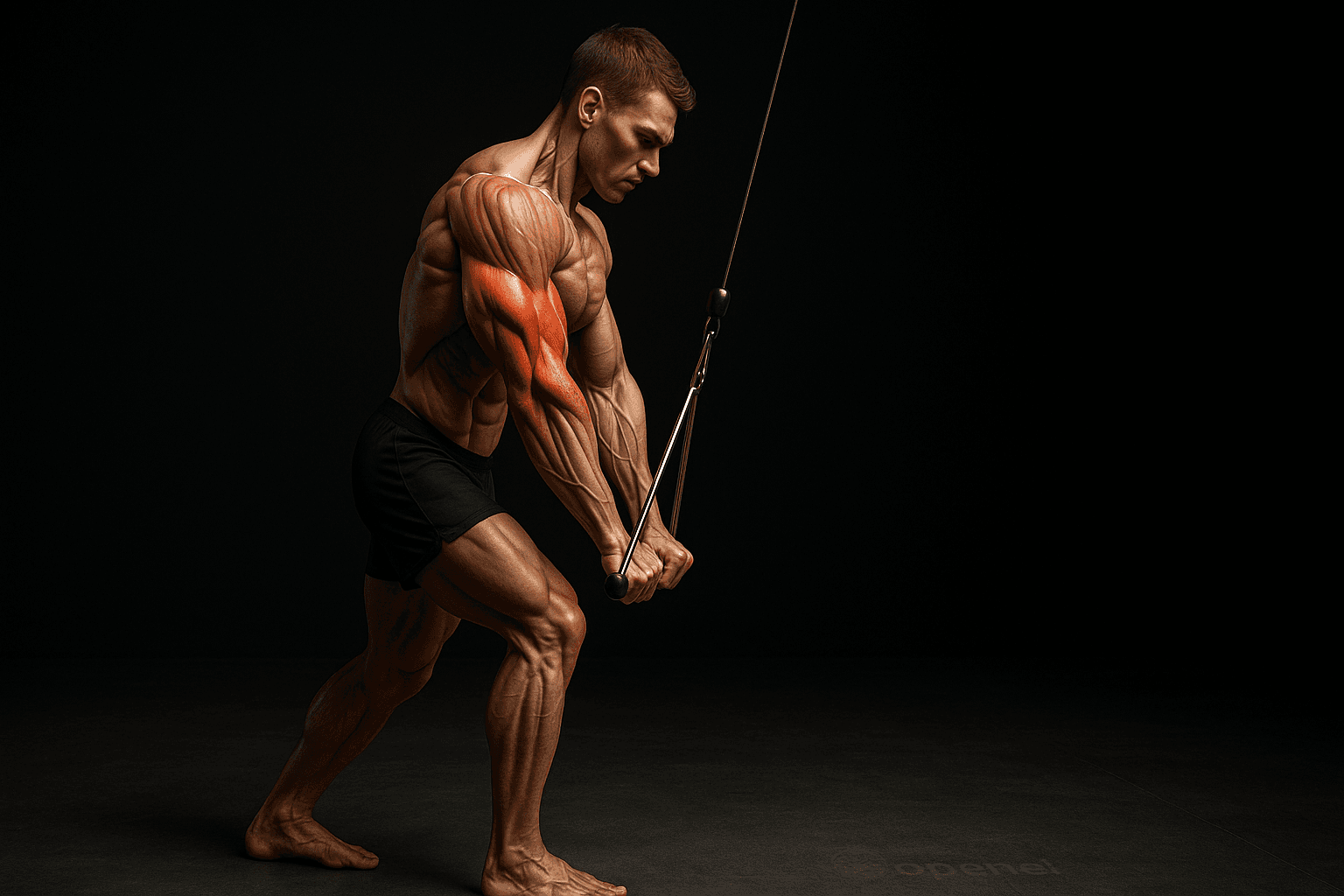
Photo by RepBro.
Direct answer: The barbell shrug primarily trains the upper trapezius (scapular elevation) with secondary involvement from the levator scapulae, middle traps, posterior deltoids, and forearm/grip muscles. Use it as a focused accessory for upper‑trap size and strength, programmed alongside compound pulling movements.
Which muscles does the barbell shrug train?
The main mover in a barbell shrug is the upper portion of the trapezius, responsible for elevating the scapula (lifting the shoulder girdle toward the ears). Secondary contributors include the levator scapulae and parts of the middle trapezius that stabilize the scapula. The posterior deltoid offers minor assistance and the forearms work isometrically to hold the bar.
EMG and biomechanical analyses of scapular elevation consistently show the upper trap is the dominant muscle in shrug-type movements. The barbell set-up tends to load both traps symmetrically but limits scapular upward rotation compared with overhead shrugging variations.
Where does the barbell shrug fit in a training program?
Place barbell shrugs as an accessory movement after heavy compounds (deadlift, squat, rows) or in a dedicated upper-back or trap-focused session. The exercise targets hypertrophy and local strength in the upper trap — not overall vertical pulling strength — so it supplements, rather than replaces, rows and deadlifts.
Programming pointers (evidence-aligned principles):
- Frequency: 2–3 sessions per week is a reasonable starting point for accessory trap work, adjusted to total weekly volume and recovery.
- Volume: Use multiple working sets per session; spread weekly sets across sessions to manage fatigue and recovery.
- Intensity and reps: Work from moderate reps for hypertrophy to heavier sets for strength. Keep technique strict; avoid excessive neck extension.
- Progression: Increase load, reps, or sets progressively over weeks while maintaining controlled movement.
Don't expect shrugs alone to markedly change posture or prevent neck pain — they build local mass and strength but posture is multifactorial.
How should I perform a barbell shrug (brief technique and safety)?
- Grip the barbell at about shoulder width with a double overhand or mixed grip.
- Feet roughly hip-width, chest up, neutral spine. Keep elbows straight but not locked; shrug by elevating the shoulders straight up toward the ears.
- Pause briefly at the top under tension, then lower in a controlled way. Avoid rolling the shoulders — that adds shoulder joint movement and risk.
Safety note: Stop if you feel sharp pain in the neck or shoulders. Consult a qualified professional for persistent pain or if you have a history of cervical issues. A coach or clinician should assess form when in doubt.
What alternatives to the barbell shrug work well and when should I pick them?
Below are 4 solid alternatives, with practical reasons to choose each.
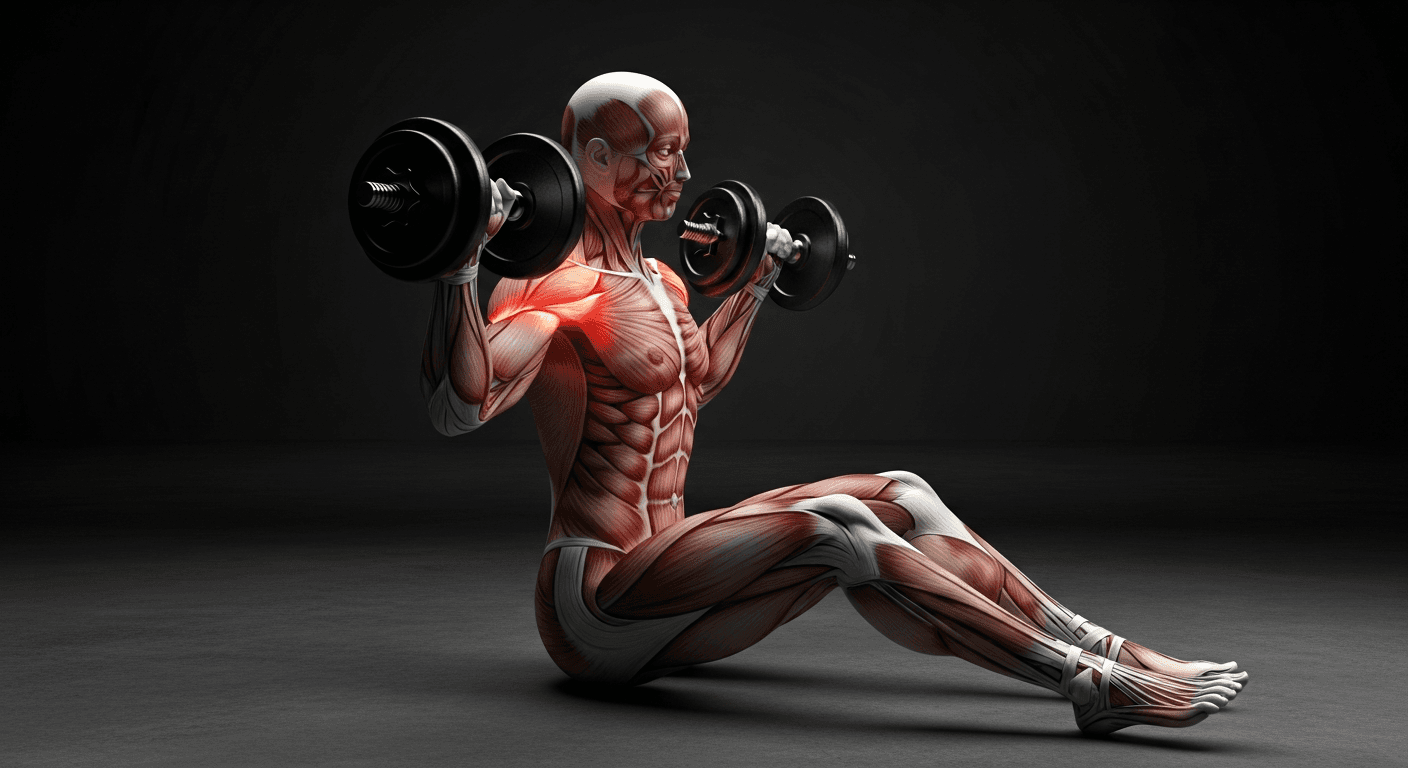
- Dumbbell Shrug
- Why pick it: Allows independent limb loading, slightly greater range of motion, and easier to adjust if one side is weaker; useful when a barbell isn't available.
- When to use: Equipment limitations, unilateral imbalances, or when a shorter range of motion with neutral wrist is preferred.
- Trap-Bar Shrug (Hex Bar)
- Why pick it: Better hand position (neutral grip) and often more comfortable spine position; lets you load higher for purely vertical shrugging without barbell interference at the hips.
- When to use: If you want heavier loading with less spinal loading and improved comfort for wrists/shoulders.
- Cable Shrug
- Why pick it: Maintains constant tension through the range and allows different lines of pull (e.g., angled up or down). Useful for hypertrophy focusing on time under tension.
- When to use: If you need continuous tension, want to avoid heavy axial loading, or are working around grip limits (use straps).
- Farmer’s Walk or Loaded Carries (as an indirect alternative)
- Why pick it: Traps are heavily engaged isometrically to stabilize the shoulder girdle, with the added benefit of full-body conditioning and core engagement.
- When to use: If you want carryover to functional strength, grip endurance, and postural control, or need a lower‑neck‑tightening alternative after heavy shrugging.
How do these options compare at a glance?
| Exercise | Equipment | Loading options | Grip demand | Primary benefit |
|---|---|---|---|---|
| Barbell shrug | Barbell | Heavy loads, simple progression | Moderate-high | Symmetric heavy trap overload |
| Dumbbell shrug | Dumbbells | Independent limbs, incremental microloads | Moderate | Unilateral correction, greater ROM |
| Trap-bar shrug | Hex bar | Heavy with neutral grip | Moderate | Comfortable spine and wrists, higher loads |
| Cable shrug | Cable machine | Constant tension, varied angles | Low-moderate | Time under tension, controlled ROM |
| Farmer's walk | Dumbbells/kettlebells | Load determined by carry | High | Functional isometric trap/core work |
How should I progress if I hit a plateau?
If shrug progress stalls, vary load, volume, tempo, or implement a short block that emphasizes heavier loads for lower reps or slower eccentrics for hypertrophy. Also check recovery factors: sleep, nutrition, and systemic fatigue from heavy deadlifts or rows may blunt trap progress. Use deload weeks when overall intensity and joint soreness accumulate.
What can't an app or article do for your shrug training?
- No app or article can see or correct your live movement pattern; individualized technique feedback requires a qualified coach.
- Apps cannot replace a clinician for injury diagnosis or rehabilitation; consult a physical therapist or physician for pain or structural problems.
- A perfectly programmed plan still requires consistency; adherence and progressive effort determine results more than app choice. (If you track sets and want simple logging, the RepBro app can record shrug volume and progression.)
Final practical checklist
- Use barbell shrugs for direct upper-trap development; pair them with rows and deadlifts.
- Train shrugs as accessory work 2–3 times per week, monitoring overall upper-back volume.
- Switch to dumbbells, trap bar, cables, or carries depending on equipment, comfort, and training goals.
Safety reminder: Never push through sharp neck or shoulder pain. Seek professional evaluation for persistent issues. This article offers general guidance and is not a medical diagnosis or individual coaching substitute.
Frequently asked questions
- Which muscles does the barbell shrug primarily work?
- Direct answer: The barbell shrug primarily targets the upper trapezius (elevation of the scapula). It also loads secondary muscles including the levator scapulae, middle trapezius, and to a lesser extent the posterior deltoid and forearm grip muscles. The movement is mainly a scapular elevation exercise.
- How often should I include shrugs in my routine?
- Direct answer: Include shrugs as part of your upper-back or accessory work two to three times per week depending on overall volume and recovery. Spread sets across sessions and progress load or reps gradually. Avoid daily heavy shrugging to limit neck and trap overuse.
- What is a good alternative if I can't do barbell shrugs?
- Direct answer: Dumbbell shrugs are the closest alternative because they preserve the same scapular elevation with slightly greater range of motion and independent loading. Choose them if a barbell isn't available, you have shoulder mobility differences, or you need unilateral correction.