Battle Ropes: Proper Form, Step by Step
Practical, evidence-informed guide to battle rope setup and execution. Learn stance, grip, breathing, tempo, programming tips, common mistakes and safety.
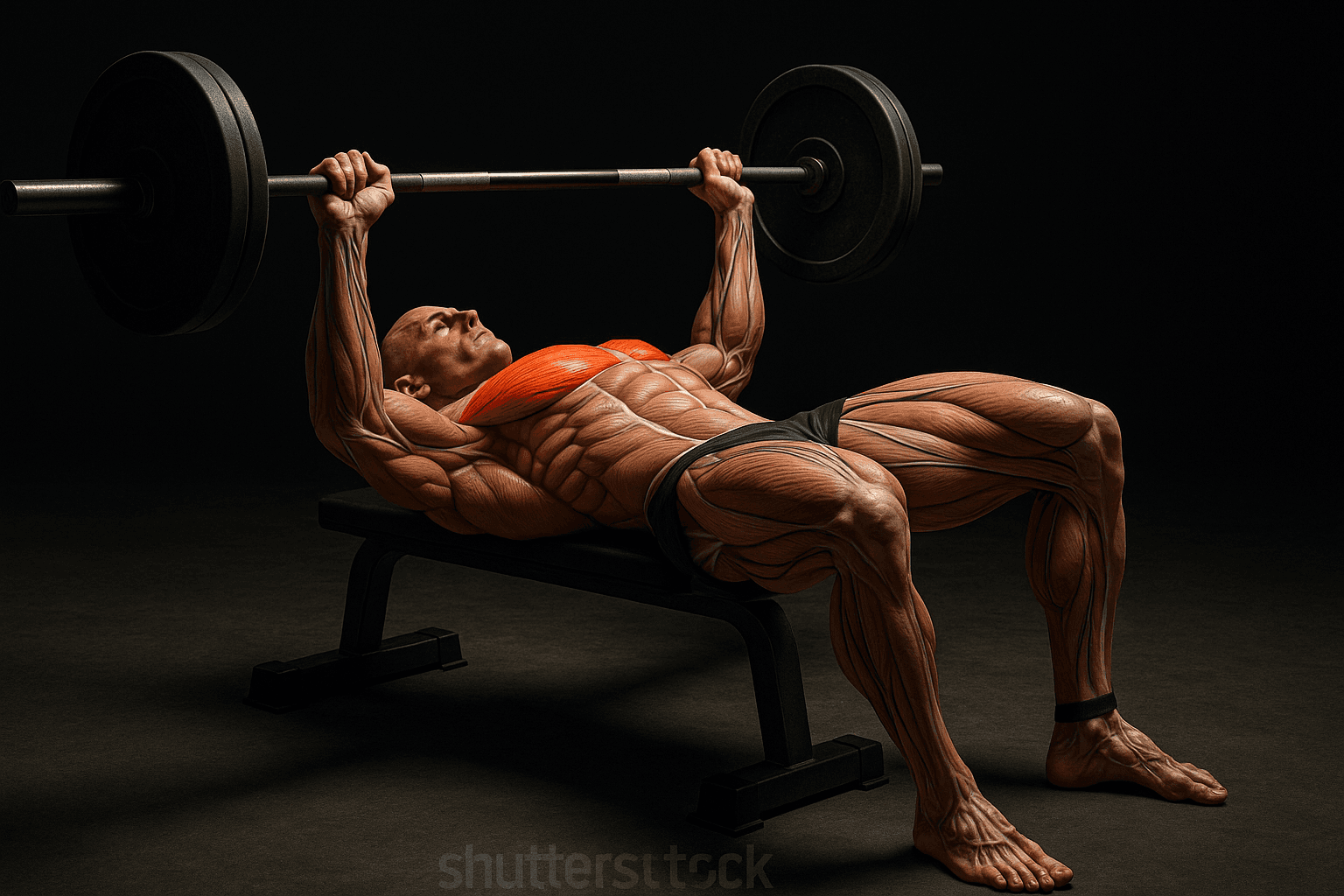
Photo by RepBro.
Direct answer (40–60 words): Battle rope proper form starts with a stable hip-width stance, a neutral spine, light knees, and relaxed shoulders. Grip the rope without squeezing, generate movement from the hips and shoulders, breathe cyclically, and keep tempo consistent. Progress by increasing duration, amplitude, or rope thickness, not by sacrificing posture.
How do I set up battle ropes correctly?
- Anchor: Fix the rope to a secure, low-mounted anchor point rated for dynamic loads (commercial anchor, heavy post). The anchor should be roughly midline between your feet when you start.
- Rope length and diameter: Typical gym ropes range 9–15 m (30–50 ft) and 25–50 mm (1–2 in) diameter. Longer/thicker ropes increase load and fatigue.
- Starting distance: Stand 2–3 m (6–10 ft) from the anchor so you have slack but not excessive sag. Adjust for rope length—closer for long ropes.
How do I perform the basic alternating wave, step by step?
- Stance: Feet hip-to-shoulder width, knees slightly bent, weight balanced midfoot. For more drive, use a split stance (one foot slightly forward).
- Grip: Hold the rope handles or ends with a neutral wrist and relaxed thumbs. Don’t grip so tight the forearms tense constantly.
- Posture: Ribcage down, neutral pelvis, shoulders back and down—not shrugged. Eyes forward.
- Movement origin: Initiate from a slight hip hinge and shoulder drive. Think "hip and shoulder repeat" rather than just arms waving.
- Wave execution: Rapidly alternate right/left arms creating continuous waves. Each arm should move through a controlled range—elbow slightly bent; snap from the shoulder while the other arm returns.
- Tempo and rhythm: Keep steady rhythm—start at moderate speed and raise amplitude as technique allows.
- End: Reduce speed gradually, return to neutral posture, and walk the rope in to cool down.
Coaching cues: "Hips back, chest tall," "light grip," "push the floor," "lead with shoulder, not elbow." Visualize sending energy down the rope rather than just waving the hand.
How should I breathe and control tempo?
- Breathing: Use cyclical breathing—exhale on the more forceful part of the action (e.g., exhale as you drive a wave or slam), inhale on the return. Avoid breath-holding (Valsalva) for repeated sets unless intentionally bracing for a maximal effort under supervision.
- Tempo: Match tempo to purpose. Power: short 8–20s bursts with maximal amplitude. Conditioning: 20–40s steady effort. Endurance: 45–60s lower amplitude. Rest 30–120s depending on intensity.
What exercise variations should I know and how do they compare?
| Movement | Primary training focus | Typical interval | Key cue |
|---|---|---|---|
| Alternating waves | Rhythm, conditioning, lower spinal load | 20–40s | "Push-pull rhythm; small, fast arms" |
| Double (both arms together) waves | Maximal amplitude, power | 8–20s | "Drive with hips; big splash" |
| Slams | Power, full-body force expression | 6–15 reps or 8–20s | "Hinge and explode, then exhale" |
| Circles (inward/outward) | Core stability, shoulder control | 20–40s | "Lead with shoulders; small controlled circles" |
What are common mistakes and how do I fix them?
- Mistake: Rounded upper back or shrugged shoulders. Fix: Retract shoulder blades slightly, keep chest tall; cue "proud chest." Reduce amplitude until posture holds.
- Mistake: Overgripping the rope and forearm fatigue. Fix: Loosen grip; let larger muscles (shoulder and hips) do the work. Use chalk or straps sparingly.
- Mistake: Moving primarily with the elbows. Fix: Think "shoulder-drive" and use a slight hip hinge to transfer power.
- Mistake: Locked knees or stiffness. Fix: Keep soft knees, absorb force through legs; use split stance to stabilize if needed.
- Mistake: Excessive torso rotation or hyperextension. Fix: Brace core and limit rotation; use smaller amplitude waves or alternate-arm pattern to reduce twisting.
How often and how should I program battle ropes?
Programming depends on goals: use ropes 2–3 times per week for general conditioning and power work. For metabolic conditioning, include 2–4 sets of 20–40s with 30–90s rest. For power, use shorter maximal sets (6–20s) with longer rest. Progress by increasing work time, amplitude, or load (thicker rope), and include deload weeks like any other modality.
What safety precautions should I take?
Stop if you feel sharp or unusual pain and consult a qualified health professional. Warm up the shoulders, thoracic spine and hips before intense rope work. Keep the spine neutral, avoid hyperextension, and regress movements if fatigue compromises form. Never rely on this article to diagnose or treat an injury.
What limitations should I be aware of with apps or remote coaching?
No app or AI can see your movement in real time and correct subtle technical faults. Apps are useful for logging and guidance but cannot replace a qualified coach for clinical issues, movement assessment, or rehabilitation. A training plan only works with consistent execution; adherence and recovery determine outcomes.
Where can I get feedback if I'm unsure about my form?
Seek a certified strength and conditioning coach or a physiotherapist with experience in dynamic training for an in-person or live video assessment. If pain exists, prioritize medical assessment before continuing. Self-videoing can help identify gross faults, but professional review is preferable.
Limitations: Apps and written guides provide useful frameworks but cannot observe subtle form errors, screen for underlying pathology, or replace in-person clinical evaluation. For persistent pain or injury, see a qualified professional. A training plan’s success depends on consistent application and graduated progression.
Safety reminder: If you experience sharp pain, dizziness, or neurological symptoms, stop immediately and seek medical advice. This article offers coaching guidance, not medical diagnosis.
References and further reading: Follow consensus principles from strength and conditioning guidelines—progressive overload, specificity, and adequate recovery—when integrating battle rope work into a balanced program.
Frequently asked questions
- How long should a battle-ropes interval last?
- Intervals commonly range between 10 and 45 seconds depending on the goal: short (10–20s) for power/high intensity, medium (20–35s) for conditioning, and longer (35–45s) for endurance or tempo work. Rest 30–120 seconds; adjust based on intensity and training status.
- Can battle ropes build muscle in the arms and shoulders?
- Battle ropes provide high-repetition, explosive or continuous loading that improves muscular endurance and power. They can contribute to hypertrophy when combined with progressive overload in a program, but they are best used alongside resistance training for maximal muscle growth.
- Are alternating waves or slams safer for beginners?
- Alternating waves are mechanically simpler and usually easier for beginners to control, promoting rhythm and lower spinal load. Slams demand more hip drive and trunk stability; learn alternating waves first, then progress to slams as technique and conditioning improve.