Bench Dip Alternatives at Home (Minimal Equipment)
Four to five at-home bench dip substitutes using bodyweight, dumbbells, or bands; what each preserves and loses versus bench dips and when to seek gym equipment.
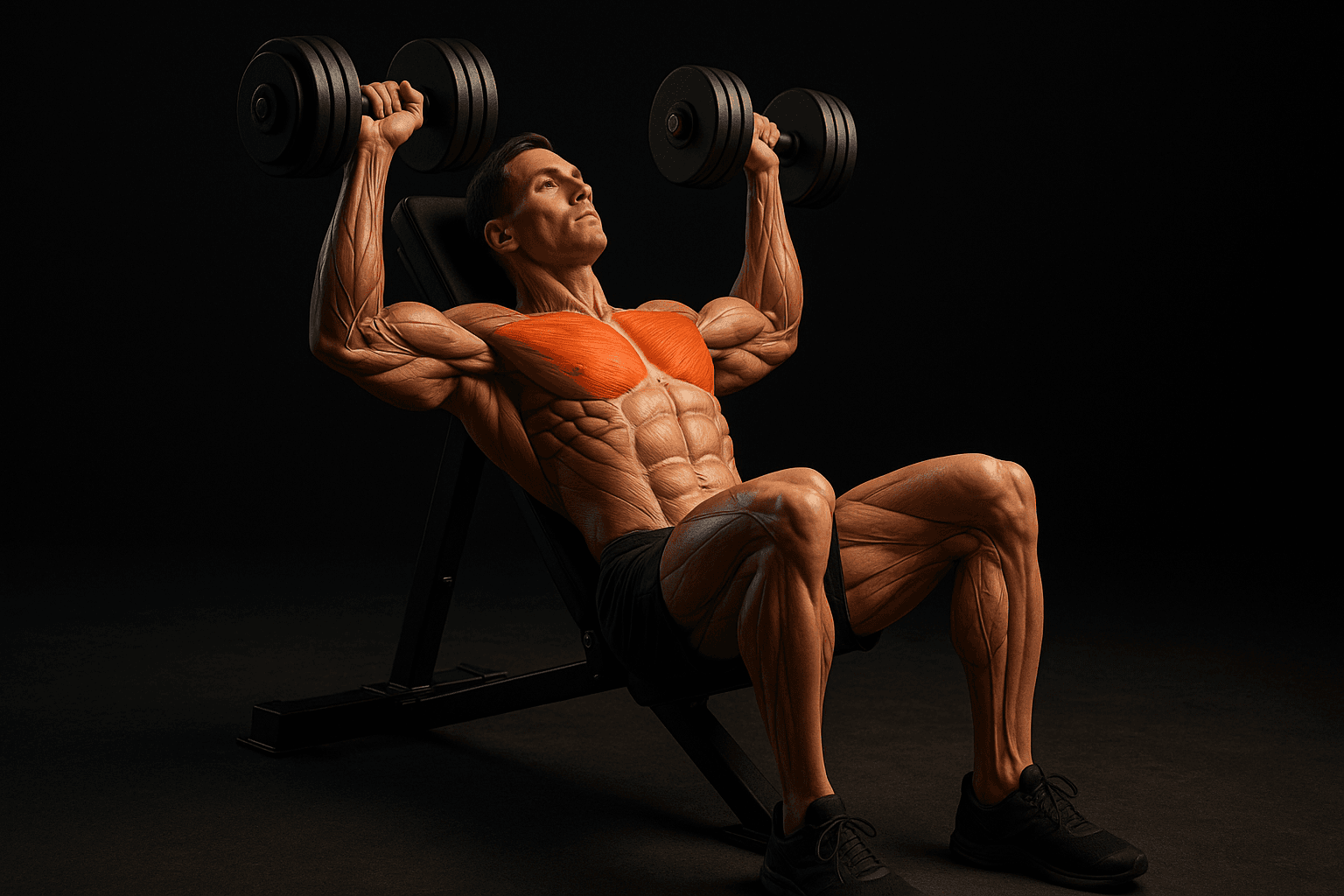
Photo by RepBro.
Short answer: The most practical bench-dip substitutes at home are close‑grip push-ups, assisted (knee or chair) dips, overhead dumbbell triceps extensions, lying dumbbell skull crushers, and banded triceps pressdowns/overheads. Each preserves elbow-extension load for the triceps but changes shoulder angle, stability demand, and loading options.
What are practical bench-dip alternatives I can do at home with minimal equipment?
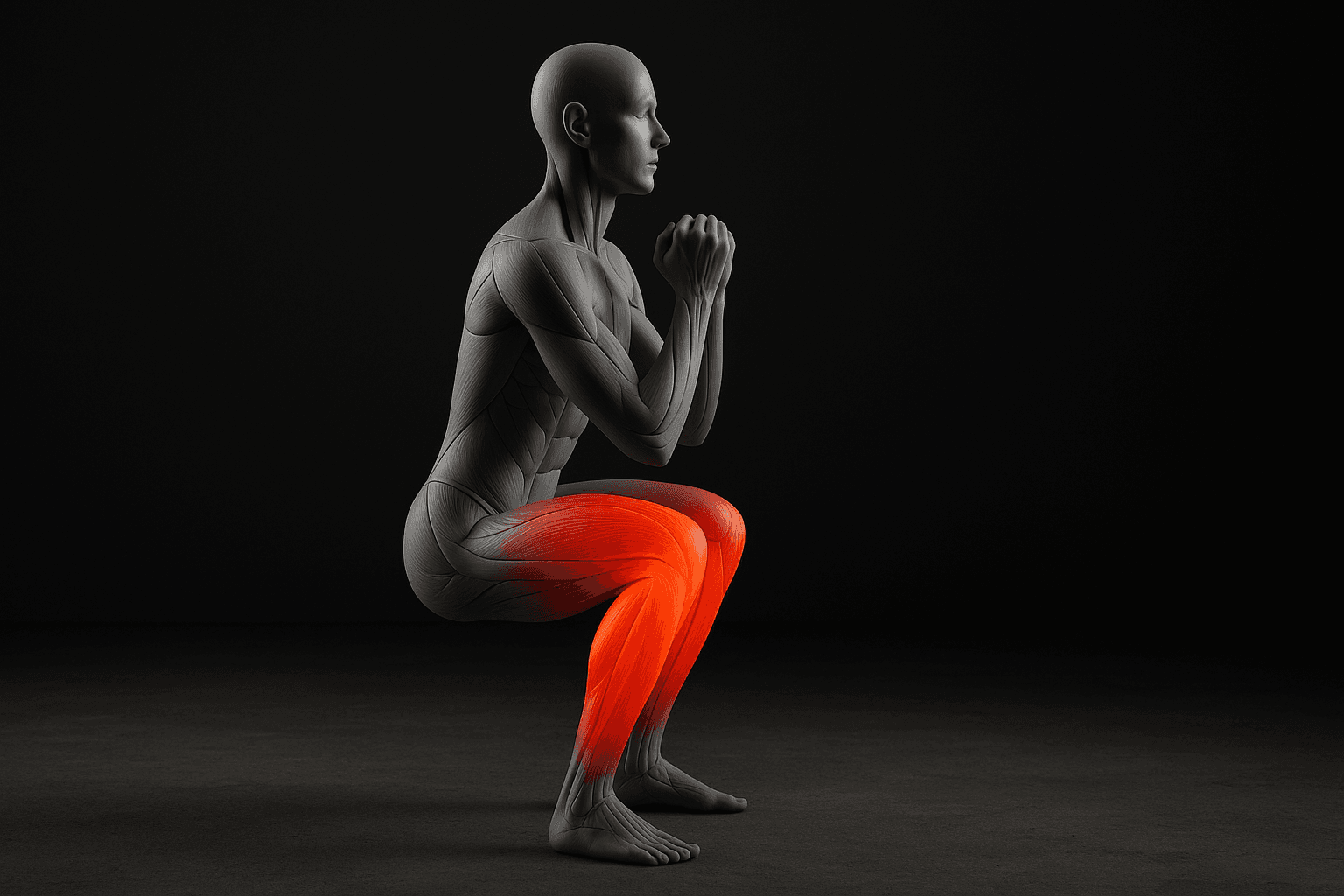
- Close-grip push-ups (bodyweight)
- How to: Hands under sternum, narrower-than-shoulder width, keep elbows tucked ~45°. Progress by elevating feet, adding a backpack weight, or slowing tempo.
- Muscles: Triceps (primary), pecs, anterior deltoid, core stability.
- Preserves: High elbow-extension demand, multi-joint pressing pattern, useful for hypertrophy and general strength.
- Loses: The shoulder-extension angle and stretch on the triceps long head you get when torso moves behind hands in bench dips; typically lower absolute load capacity than weighted dips.
- When adequate: When you lack equipment or want a safer shoulder angle. Progress until you can add external load or volume for continued adaptation.
- Assisted chair/knee dips (bodyweight)
- How to: Same mechanics as bench dips but keep feet bent and closer to the bench or keep one foot on the ground to reduce load. Use two chairs facing each other for more comfort if available.
- Muscles: Triceps, pecs, anterior deltoid.
- Preserves: Movement pattern and shoulder/torso relationship similar to bench dip; good regressions for beginners or shoulder-sensitive lifters.
- Loses: Maximum loading potential compared with foot-elevated or weighted dips.
- When adequate: For regressions, rehab phases, or when you want to learn the pattern before progressing to straight-leg or weighted variations.
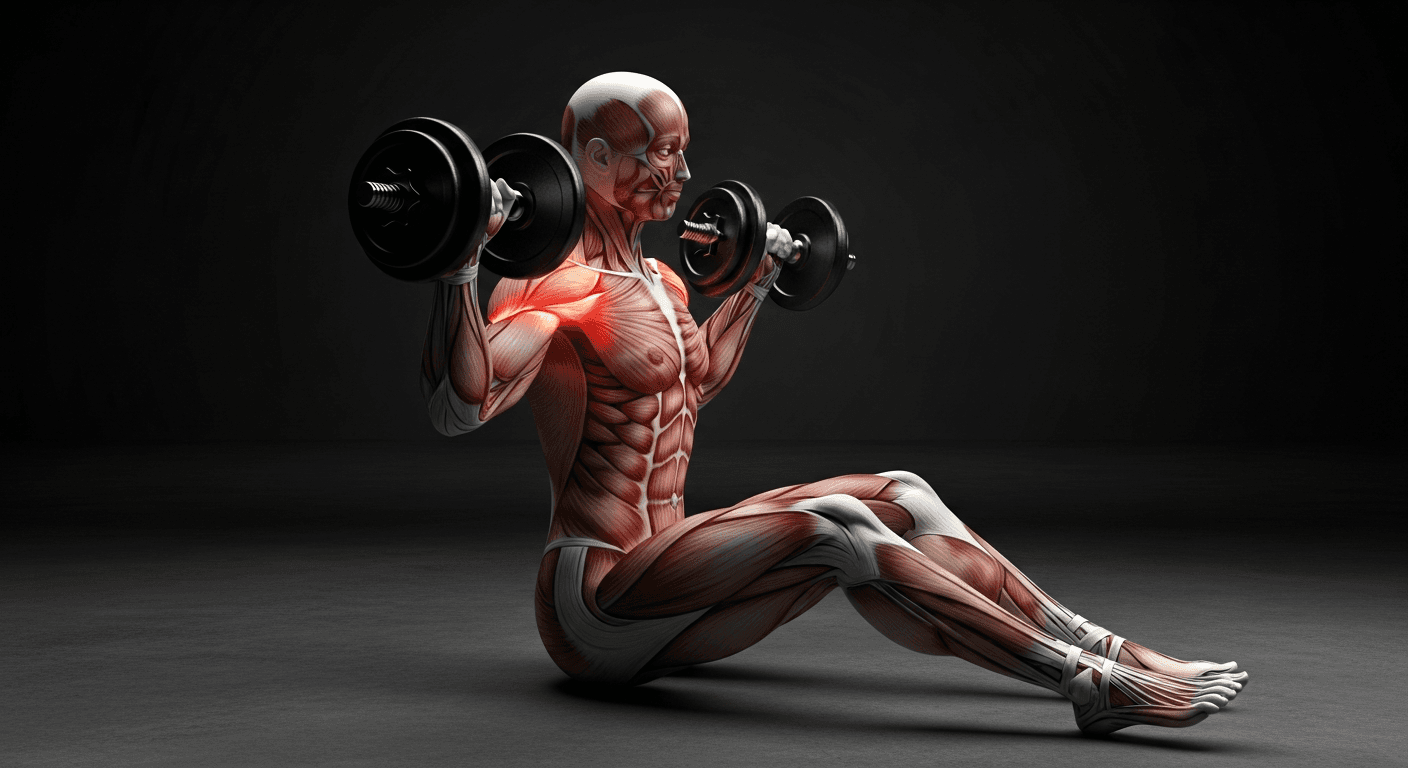
- Overhead dumbbell triceps extension (dumbbells)
- How to: Seated or standing, with one dumbbell held by both hands or single-arm, lower behind head and extend elbow.
- Muscles: Triceps long head emphasis because the shoulder is flexed.
- Preserves: Strong long-head bias (similar to some dip angles) and high tension through large range of motion.
- Loses: Multi-joint pressing carryover and the horizontal pressing element that trains pecs and anterior delts differently.
- When adequate: When you want targeted long-head hypertrophy at home; useful if shoulder stability or chest pressing is handled elsewhere.
- Lying dumbbell skull crushers / supine triceps extensions (dumbbells)
- How to: Lying on floor or bench, lower dumbbells to forehead/temples, extend elbows.
- Muscles: Triceps (all heads, with emphasis on overall elbow extension strength).
- Preserves: Good isolate-oriented overload for triceps; easy to progressively load as dumbbells increase.
- Loses: Standing stability demand and natural shoulder stretch compared with some dip variations.
- When adequate: When you want to accumulate quality hypertrophy volume and can load sufficiently with dumbbells at home.
- Banded triceps pressdowns or overhead band extensions (bands)
- How to: Anchor band overhead (for pressdowns use a high point) or step on band and extend overhead; perform controlled elbow extension.
- Muscles: Triceps, with variable emphasis depending on line of pull.
- Preserves: Constant tension through the range and easy micro‑progression by changing band thickness or doubling bands.
- Loses: Exact load curve of free weights; high end-range resistance may be limited by available bands.
- When adequate: When you need compact, scalable resistance and want to reduce joint compressive loads.
How do these alternatives compare to bench dips in a quick table?
| Exercise | Equipment | Primary target | Preserves vs bench dips | Loses vs bench dips | Progression options |
|---|---|---|---|---|---|
| Close-grip push-up | None | Triceps + chest | Elbow extension overload, multi-joint press | Dip shoulder angle, max external load | Feet elevation, weighted vest |
| Assisted chair dip | Chair | Triceps + chest | Movement pattern, similar shoulder position | Max load capacity | Reduce/increase assistance, feet position |
| Overhead DB extension | Dumbbell(s) | Triceps long head | Long-head bias, ROM | Horizontal press carryover | Heavier DBs, tempo |
| Skull crusher | Dumbbell(s) | Triceps overall | Isolated elbow extension, overload | Standing stability demands | Heavier DBs, reps/tempo |
| Band pressdown/overhead | Bands | Triceps | Constant tension, scalable | Absolute heavy loading ceiling | Thicker/doubled bands |
How should I program these alternatives for size and strength at home?
- Frequency: Train triceps 2–3 times per week with at least 48 hours between intense sessions. This aligns with standard resistance-training recommendations.
- Volume: Use 6–12 working sets per week per muscle group for most trainees seeking hypertrophy, split across sessions. For strength, include lower-rep, higher-load work if you have the capacity to load.
- Sets/reps suggestions: 3–4 sets of 6–12 reps for compound/weighted variations; 3–4 sets of 8–15+ for isolation and band work. Use progressive overload: add reps, increase band tension, increase dumbbell weight, or reduce assistance.
- Progression examples: Once you can do 12–15 close-grip push-ups with good form, add external load (backpack/dumbbell) or use a slower eccentric tempo to increase stimulus.
When is a home substitute no longer adequate and a gym is worth it?
- Get gym access if you need to consistently use much heavier external loads for maximal strength (e.g., weighted parallel-bar dips with large plates) or require specific equipment (parallel bars, heavy bands beyond home capacity).
- Consider the gym if you need varied pressing angles that home setups can’t safely reproduce, or if you’re preparing for a sport or test that requires exact dip-style strength under load.
Safety note
Stop any exercise that causes sharp or unfamiliar pain. Adjust shoulder position, range of motion, or reduce load if you feel joint pinching. Consult a qualified coach or healthcare professional for persistent pain, pre-existing injuries, or post‑surgical guidance. This article does not diagnose or promise injury prevention.
What can and can’t apps or AI coaching do for these substitutions?
- They can provide exercise selection, set/rep schemes, and progression options tailored to your stated goals and limited input.
- They cannot see your live movement, diagnose tissue damage, or reliably correct subtle technical faults without video review from a qualified professional.
- Rehabilitation, complex pain patterns, and manual assessments require an in-person clinician. Also remember: a plan only works if you consistently follow it.
Limitations
- Home alternatives are effective for hypertrophy and most strength goals, but they can’t perfectly replicate the exact loading curves and stability demands of heavy, weighted parallel-bar dips.
- No app or AI can fully replace an in-person coach for detailed form correction, nor can it diagnose or treat injuries. If you have specific medical concerns or an existing shoulder condition, seek a physical therapist or sports physician.
If you want a short progression ladder or a 4‑week at-home triceps block using these exercises, say which equipment you have (none, 1–2 dumbbells, or bands) and I’ll outline it.
Frequently asked questions
- Can close-grip push-ups replace bench dips for triceps growth?
- Yes. Close-grip push-ups replicate the elbow-extension demand of dips and are a reliable home substitute for triceps hypertrophy when loaded or progressed. They change shoulder angle (less extension) so they won’t identically target the triceps long head but are effective for most lifters in a home setting.
- Are band triceps pressdowns good for strength if I can’t go to a gym?
- Banded pressdowns provide constant tension and are scalable with thicker bands or doubled bands, making them useful for strength and hypertrophy at home. They won’t match heavy free-weight loading for maximal strength but allow progressive overload through increased band resistance and higher-quality set volume.
- When should I stop substituting at home and get gym access for dips?
- If your goal is to progress to heavy parallel-bar dips with substantial external load (weighted dips) or you need a different shoulder/torso angle for specific sport transfer, consider gym access. Otherwise, progressive home alternatives typically suffice for size and most strength goals.