Box Jump Alternatives at Home (Minimal Equipment)
Four practical at-home box jump alternatives using bodyweight, dumbbells, or bands, what each keeps or loses vs a box jump, programming cues, progressions and safety notes.
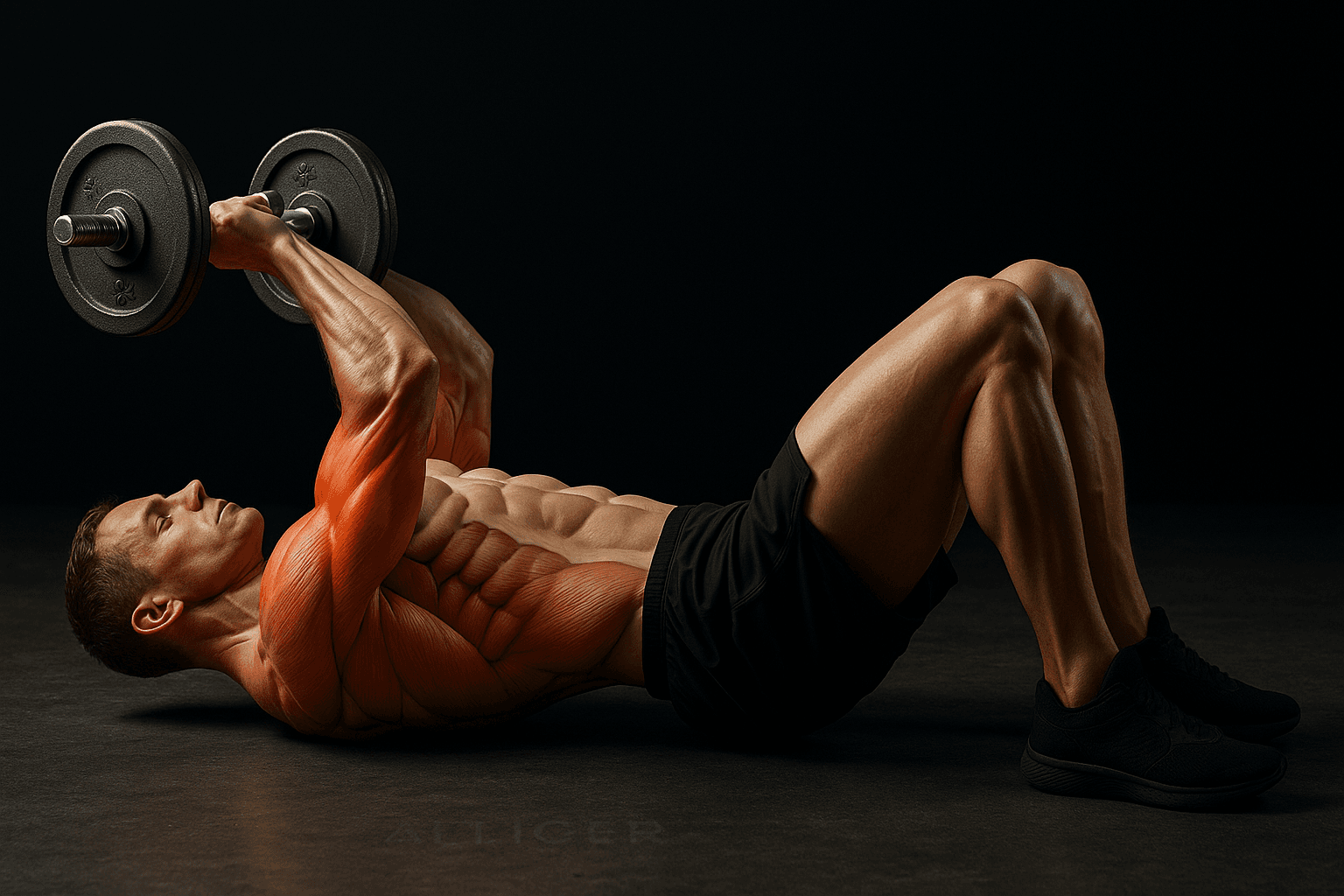
Photo by RepBro.
Direct answer
You can maintain and develop explosive hip extension and power at home with minimal equipment: tuck jumps, broad jumps, band-resisted squat jumps, weighted step-ups (or Bulgarian split jumps) and stair/step jumps. Each preserves some box-jump qualities and misses others; choose by the skill you want to train.
What are practical box-jump alternatives I can do at home with minimal equipment?
- Tuck jumps (bodyweight)
- What they do: train rapid hip and knee extension, short ground contact, and elastic storage/reuse (stretch–shortening cycle).
- Equipment: none.
- When to use: improving reactive vertical power, fatigue-resistant plyometrics, warm-ups.
- Broad jump / standing long jump (bodyweight)
- What they do: trains horizontal force production and powerful hip extension, good for general explosiveness.
- Equipment: none, clear flat space.
- When to use: if you lack a safe landing elevation or want a less impact-heavy vertical substitute.
- Band-resisted or band-assisted squat jumps (bands + small anchor)
- What they do: bands modify force–velocity demands—resisted jumps increase work output late in extension; assisted jumps reduce loading and help achieve higher velocities.
- Equipment: loop band or long band anchored low.
- When to use: to overload or assist specifically for rate of force development when a box isn’t available.
- Weighted step-ups or Bulgarian split-squat jumps (dumbbells)
- What they do: increase concentric force and unilateral strength; slower but useful for transferring strength to power when combined with fast intent.
- Equipment: dumbbells (light to moderate), stable step or low chair.
- When to use: when strength is the limiting factor or landing safety prevents jumping.
- Stair or curb jump (low step) or low platform jump
- What they do: mimics box jump but with lower, safer heights—keeps landing practice and vertical aim.
- Equipment: outdoor stair, sturdy step (20–40 cm / 8–16 in depending on ability).
- When to use: to practice landing mechanics and progression to higher surfaces.
What does each substitute preserve and what do I lose versus a box jump?
| Alternative | Preserves | Loses or reduces |
|---|---|---|
| Tuck jumps | Rapid triple extension, short contact time, elastic rebound | Precise landing height/offset, controlled step-down safety |
| Broad jump | Hip extension power, coordination, horizontal impulse | Vertical specificity, controlled landing height |
| Band-jumps | Adjustable resistance curve, force production at end-range | Exact real-world box landing mechanics (unless used with a platform) |
| Weighted step-up/split jump | Strength and unilateral drive, concentric overload | Rapid SSC response and short ground contact typical of plyometrics |
| Stair/low platform jump | Vertical aiming, landing practice, safer environment | High box heights and progressive drop variations for advanced plyometrics |
How should I program these alternatives to develop power sensibly?
- Frequency: 1–3 focused power sessions per week, separate or placed on the same day as low-volume heavy strength work depending on recovery. Power benefits from quality, not quantity.
- Sets / reps: keep reps low and intent high—think multiple short sets (for example, 3–6 reps per set) rather than high-rep circuits. Rest long enough for full effort between sets (often 60–120 seconds). Adjust loads or band tension to maintain high velocity or high intent.
- Progression: increase intent (speed/height/distance), add small load or resistance bands, increase complexity (single-leg, rebound series), or raise step height when landings remain controlled.
- Integration: pair plyo-type work before heavy strength if you want neural priming, or after warm-up but before metabolic fatigue. Avoid doing high-volume plyos after long high-intensity conditioning.
(These programming principles reflect commonly recommended practice for power development; individual adjustments depend on experience, injury history and recovery.)
How should I prioritize technique and what cues help transfer to box-jump qualities?
Focus on: explosive hip extension, active arm swing, quick ground contact, soft but controlled landing with knees tracking toes, and neutral trunk. Cue examples: "explode through hips," "snap knees up for tuck jumps," and "land quietly". Film single reps for self-assessment or ask a qualified coach for feedback.
When is substituting enough and when should I go to a gym for real box jumps?
Substitute at home when your goal is general power, transfer from strength to speed, conditioning for athletes with limited space, or when safety/footwear/landing surfaces at home are constrained. Consider a gym when you need:
- higher, safe, adjustable platform heights (for progressive box heights and depth jumps),
- specialized surfaces (plyo boxes, sprung floors),
- supervised testing (vertical jump metrics) or heavy external loading beyond home equipment,
- coach oversight for technique on high-risk plyometrics.
Safety note
Stop any exercise that causes sharp or new joint pain. Use stable objects only—don’t jump to flimsy furniture. Warm up thoroughly and prioritize landing mechanics. Consult a qualified health professional before beginning plyometric or high-impact training if you have previous injuries or medical concerns.
What can't an app or AI coaching do here?
No app or AI can watch and correct your live movement with the nuance of a trained professional—apps can help track sets, reps, and progress but cannot replace an in-person coach for movement faults or a clinician for injury diagnosis. Consistency and real-world feedback are required; a plan’s effectiveness depends on execution.
Limitations: this guide does not diagnose injuries or prescribe rehabilitation; if you’re rehabbing, get a qualified professional. If you want disciplined set and rep tracking, consider logging sessions in a training app like RepBro, but rely on a coach for technical fixes.
Quick sample micro-session (minimal equipment)
- Warm-up: dynamic hips, ankle mobility, 5–8 min easy movement.
- Main: 4–6 sets of 3 tuck jumps (full recovery). OR 4 sets of 4 broad jumps with 90–120 s rest.
- Strength accessory: 3×6 single-leg dumbbell step-ups.
- Finish: mobility and light core.
Consistency, progressive overload, and safe landing practice are the keys. Use the alternatives above to preserve the components of the box jump you most need—reactivity, vertical ability, or unilateral power—and move to a gym setup when you require higher, safer progressions or expert feedback.
Frequently asked questions
- Can I train explosive power at home without a box?
- Yes. You can develop explosive intent, hip extension, and force production with movements such as tuck jumps, broad jumps, band-resisted squat jumps, and weighted step-ups. These preserve different components of a box jump; program them for low reps, high intent, and 1–3 sessions per week for power work.
- Which substitute most closely matches a box jump’s demands?
- A band-resisted or unloaded vertical jump (tuck jump/controlled squat jump) mimics the rapid triple-extension and short ground contact of a box jump best. Heavy step-ups and loaded unilateral lifts approximate strength demands but not the fast stretch–shortening cycle of true plyometrics.
- When should I go to a gym for box jumps?
- Go to a gym when you need higher, safer landing surfaces, larger plyometric progressions, or specific testing (vertical jump measures, depth jumps with controlled drop heights). If you’ve stalled on home progress and need heavier controlled overload or coach supervision, a gym is appropriate.