Box Squat: Muscles Worked and Best Alternatives
Clear, evidence-aware guide to what muscles the box squat trains, how to use it in a program, and 4 practical alternatives with when to pick each.
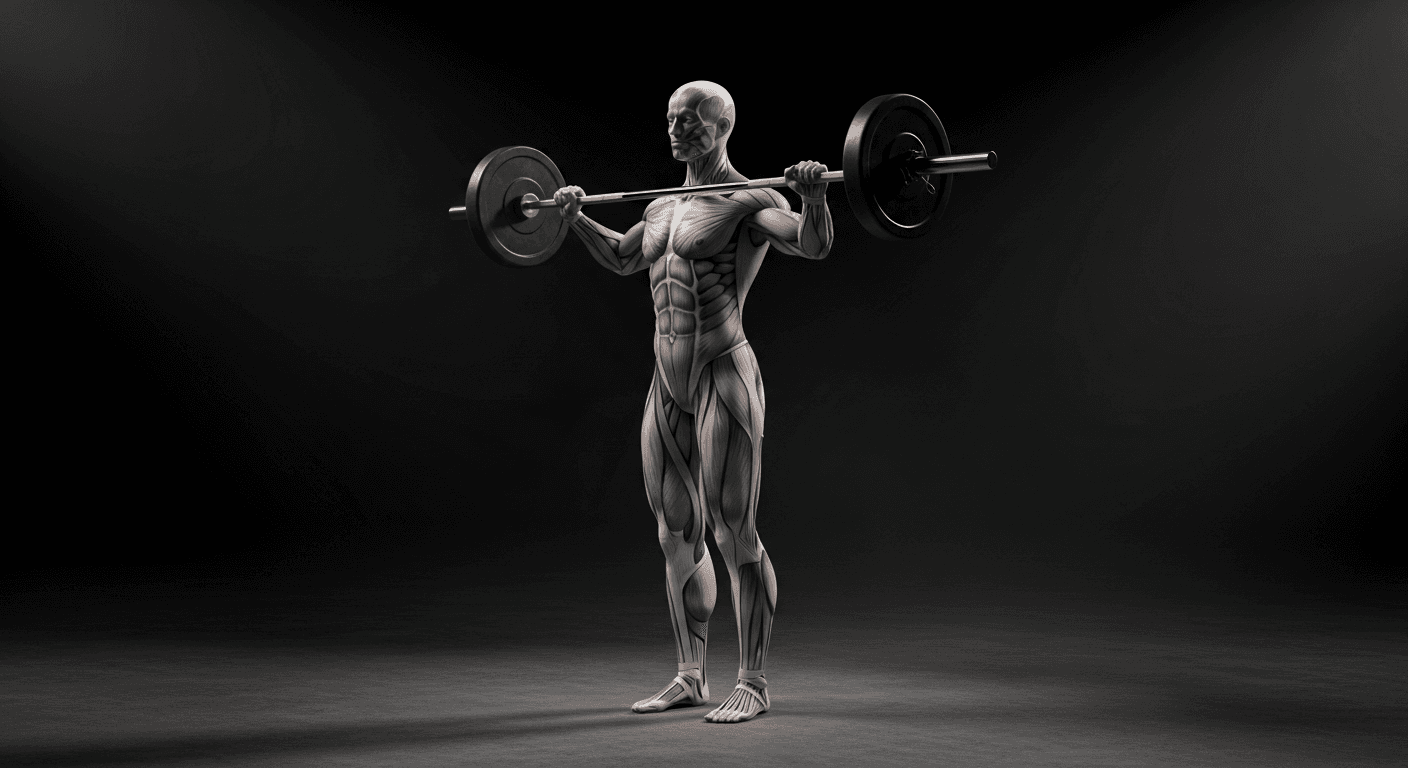
Photo by RepBro.
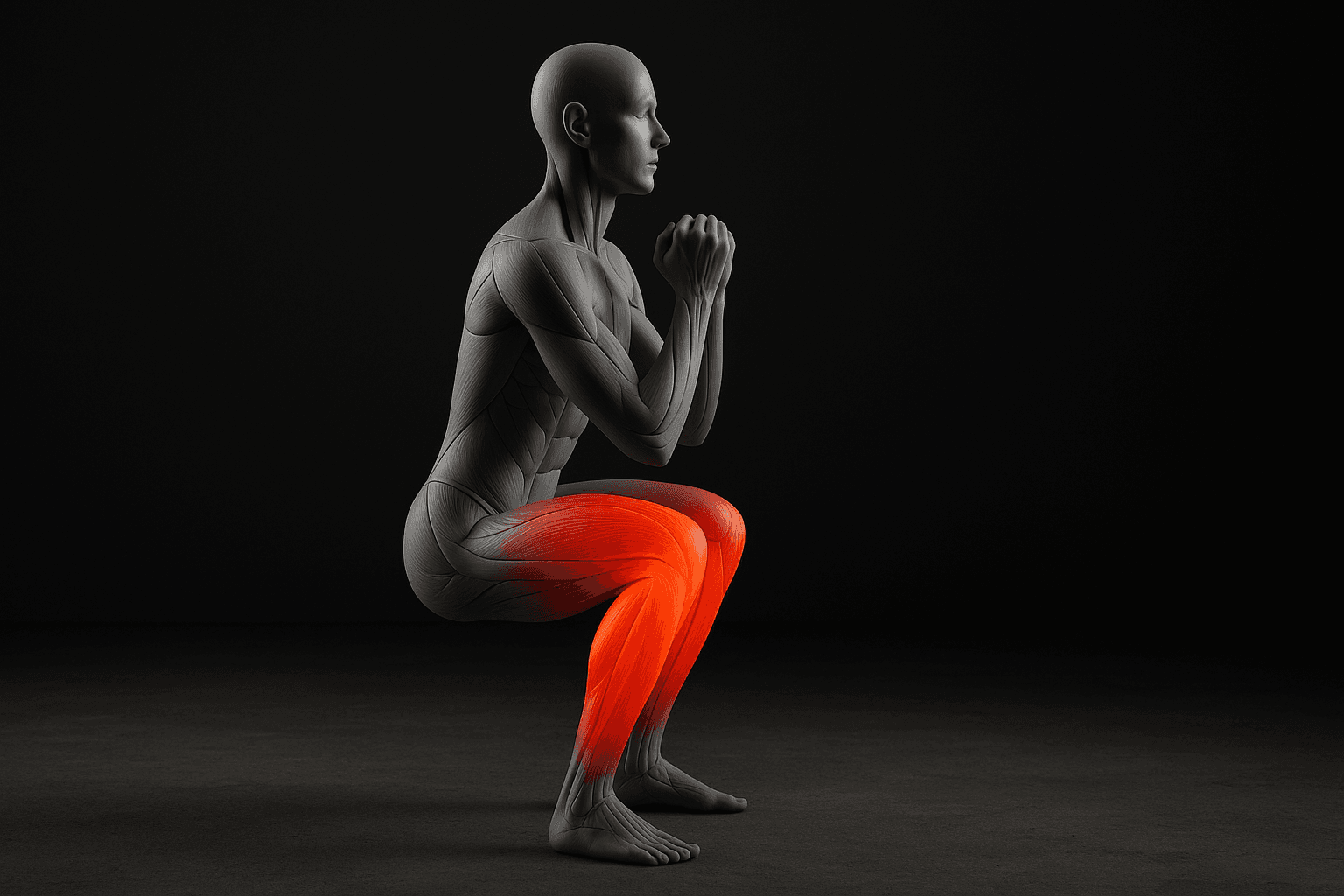
Answer-first: The box squat primarily trains the glutes, hamstrings and adductors (posterior chain) while still stressing the quads and spinal erectors; it also reinforces hip-hinge and paused-start strength for heavier lifts.
What exactly does a box squat target?
The box squat is a hybrid: it places larger demands on hip extension (gluteus maximus, hamstrings) than a conventional low-bar or high-bar back squat because you sit back onto the box and reset before the concentric. Secondary muscles include the quadriceps (knee extension), spinal erectors and core for trunk stiffness, and the adductors for stabilizing the descent and drive.
Muscle emphasis shifts with technique: a higher box or more vertical shin angle increases posterior-chain demand; a lower box with more knee travel increases quad involvement.
How does the box squat fit into a training program?
- Purpose: use box squats to improve starting strength from a paused position, teach proper hip hinge, reduce peak knee torque, or overload the posterior chain without full-depth squatting.
- Frequency: 1–3 sessions per week depending on program focus and recovery.
- Set/rep guidance: for strength, perform multiple sets of low reps (e.g., 3–6 sets of 1–6 reps). For hypertrophy or tempo work, use 3–5 sets of 6–12 reps and a controlled eccentric.
- Volume: distribute total weekly lower-body volume across exercises. Current training consensus supports moderate weekly set totals for hypertrophy; prioritize quality and progressive overload.
- Programming notes: pair heavy box-squat days with posterior-chain accessory work (Romanian deadlifts, hamstring curls) and lighter, higher-velocity days for carryover to full squats or competition lifts.
How should I box squat safely and effectively?
- Set box height so you sit either just below parallel (for carryover) or slightly above for teaching hip hinge.
- Cue sitting back — hips move before knees; keep tension rather than collapsing onto the box.
- Pause briefly to remove elastic rebound; control descent on the eccentric.
- Drive through the mid-foot and focus on hip extension to stand. Safety: stop on sharp pain, avoid bouncing if rehabilitating, and have an experienced coach check your technique. This advice doesn’t replace individualized clinical assessment.
What are solid alternatives to the box squat and when should I pick each?
Below are four practical alternatives with common use cases.
| Exercise | Primary targets | Equipment | When to pick it |
|---|---|---|---|
| Box squat | Glutes, hamstrings, quads, erectors | Barbell + box | Use for teaching hinge, paused starts, and posterior focus when you want reduced knee travel or to practice set-up strength. |
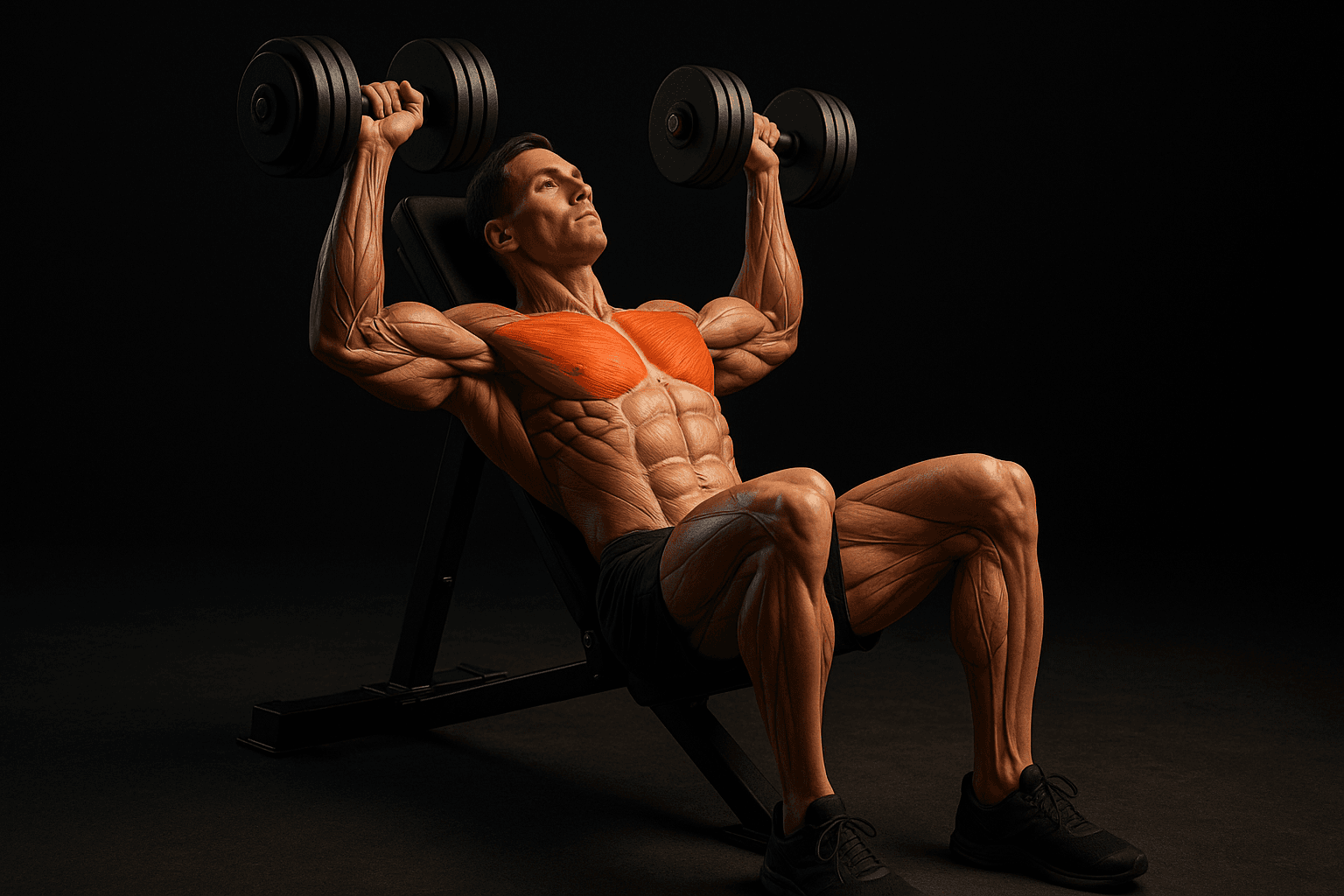
| Front squat | Quads, core, upright torso | Barbell | Choose if you need more quad and upright-torso demand or less lumbar shear; useful when working technique for Olympic-style positions. |
| Trap-bar deadlift | Glutes, quads, hamstrings, back | Trap bar | Use if you need lower back-friendly loading, more upright torso, or limited rack access; good for strength carryover without deep knee flexion. |
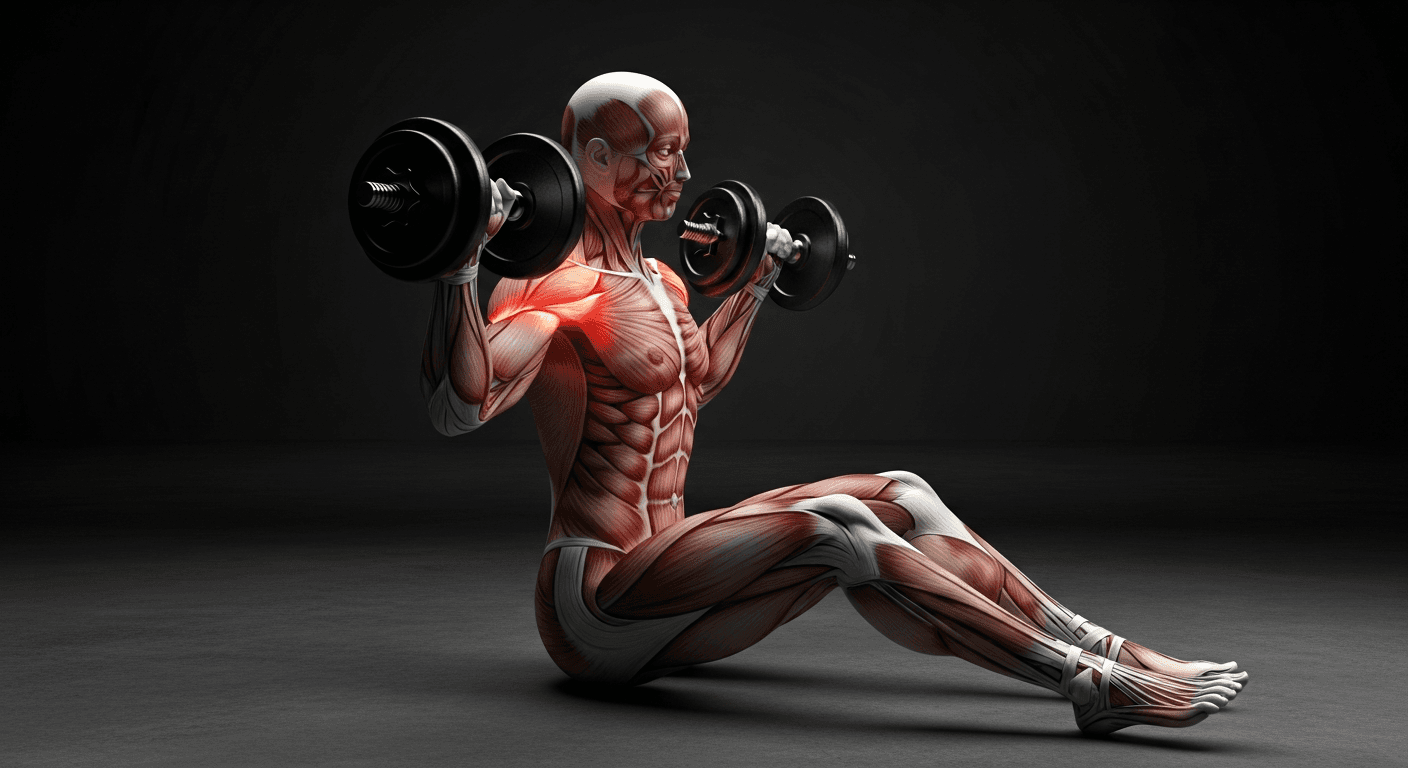
| Bulgarian split squat (or split squat) | Quads, glutes, balance/stability | Barbell/dumbbells | Pick to correct side-to-side imbalances, increase single-leg strength, or when limited by equipment space; lower spine load if performed upright. |
| Romanian deadlift (single/double-leg) | Hamstrings, glutes, erectors | Barbell/dumbbells | Use when targeting hamstring length-tension and hip extension, especially if you want posterior-chain hypertrophy and less knee drive. |
When to choose each alternative (equipment, injuries, plateaus)
- Limited equipment (no squat rack): trap-bar deadlift or Bulgarian split squat with dumbbells.
- Low-back issues: prefer trap-bar deadlifts or front squats for a more upright torso; avoid large spinal flexion under load. Consult a clinician.
- Plateau on concentric drive: use box squats to overload the first 1–2 inches of the lift, then transition to dynamic box or paused full squats.
- Quad hypertrophy focus: front squats or split squats offer more knee-extension emphasis than typical box-squat setups.
How to progress box squats sensibly?
Progress by increasing load, improving bar speed, or modifying box height. Monitor technique and recovery; increase load only when you can maintain tightness and movement quality. Include variation weeks and planned lighter sessions to avoid excessive fatigue. Track sets, reps and RPE—apps like RepBro can help log this data.
What are common mistakes and how to fix them?
- Collapsing onto the box: keep tension and tap the box rather than sit hard.
- Shifting weight too far back on heels: keep weight mid-foot.
- Using too high a box and losing specificity: choose box height based on the training goal (carryover vs teaching hinge).
What are the safety considerations?
Stop any set that produces sharp or radiating pain. Have a competent spotter or safety pins when working heavy. This article does not diagnose or treat injuries; consult a qualified professional for persistent pain or rehabilitation.
Limitations: what this article and apps cannot do
A written guide and tracking app can’t see your form, assess joint health, or provide a full diagnostic. No app replaces hands-on coaching or medical advice for injuries. Programming effectiveness also depends on adherence, sleep, nutrition and individualized recovery—consistency and quality of practice matter more than tool choice.
References and further reading: follow current strength-and-conditioning guidelines on strength (low-rep heavy work) and hypertrophy (higher volumes and moderate reps) and consult credentialed sources or a licensed clinician for personalized programming.
Frequently asked questions
- Does the box squat train different muscles than a regular back squat?
- Yes. The box squat shifts emphasis toward the posterior chain — glutes and hamstrings — and reduces knee travel, so quads are less dominant than in a regular back squat. It also trains hip hinge mechanics and starting strength out of a paused position.
- How often should I box squat per week for strength?
- For strength-focused training, use box squats 1–3 times per week depending on recovery and total volume. Keep sessions heavy but limited in volume (multiple sets of low reps), and monitor fatigue; reduce frequency if technique or performance drops.
- Which alternative should I pick if I have low-back pain?
- If low-back pain limits bar-loaded squats, choose a trap-bar deadlift or split stance variation to keep a more upright torso and reduce shear. Prioritize pain-free range of motion and consult a qualified clinician before loading heavy.