The Most Common Concentration Curl Mistakes (and How to Fix Them)
Practical, evidence-aware guide to the 6 most common concentration curl mistakes: why they happen, what you lose, and one concrete fix for each to protect gains and reduce injury risk.
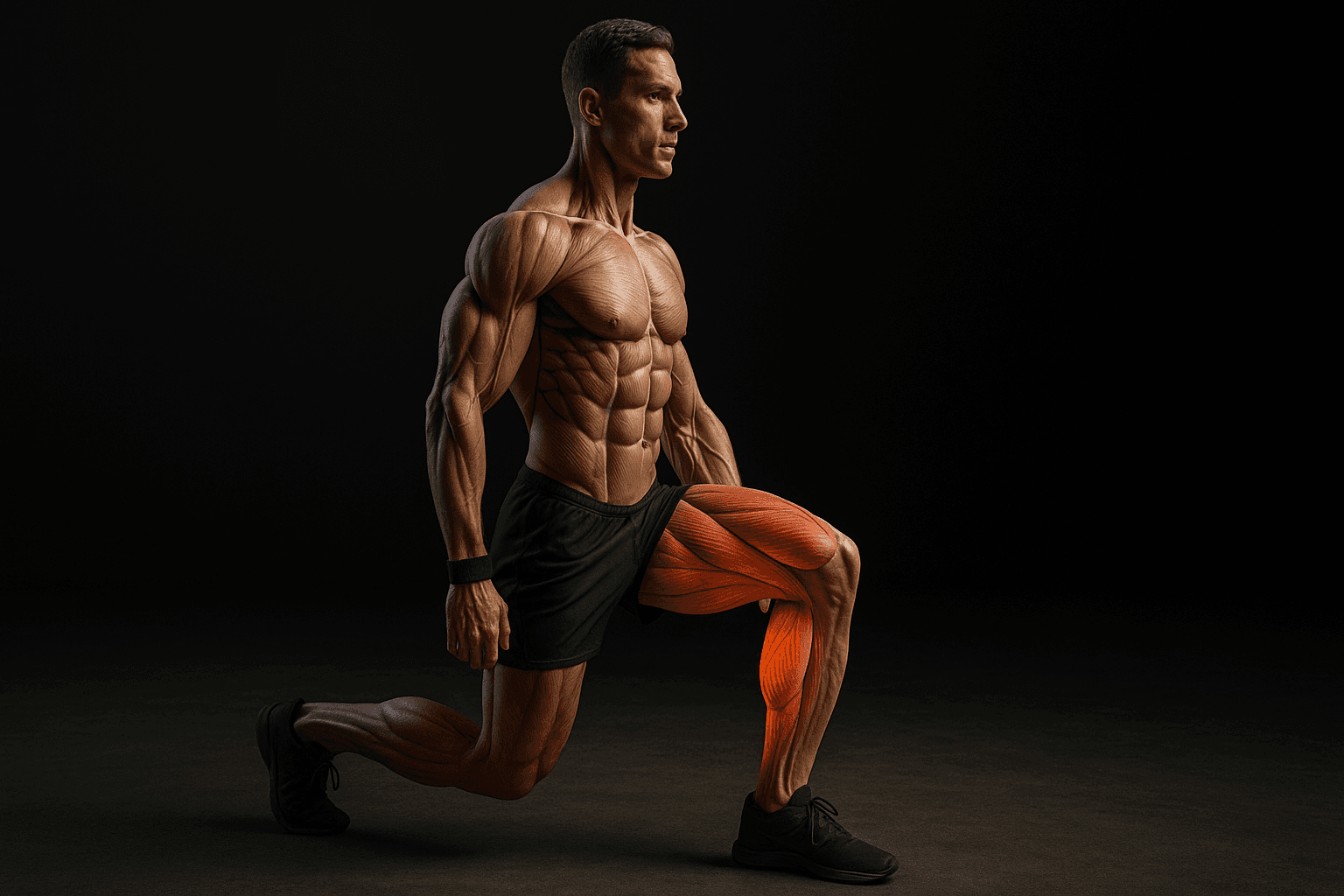
Photo by RepBro.
Concentration curls often fail because lifters use momentum, let the elbow wander, shorten the range, or curl with a bent wrist. Each error reduces biceps tension or increases injury risk. Fix common faults with specific cues and measured load so every rep targets the muscle.
What exactly are the most common concentration curl technique mistakes?
Below are six recurring faults I see in the gym, why they happen, what they cost (missed hypertrophy or increased injury risk), and one concrete fix you can apply immediately.
1) Am I using too much body swing or momentum?
Why it happens: People increase weight to feel stronger or to finish a set, and their torso, shoulder or hip drive the weight. Momentum can feel like stronger contractions. What it costs: Reduced mechanical tension on the biceps—hypertrophy depends on tension—and higher shear on the spine and shoulders if you jerk the trunk. Fix: Lower the weight 10–30% and perform strict reps. Sit tall, brace your core, and use a slow 2–3 second eccentric with a 1–2 second controlled concentric. If the top of the rep requires a hip thrust, the load is too heavy.
2) Is my elbow moving away from its anchor on the thigh?
Why it happens: Fatigue or poor set-up lets the elbow slide forward/backward, turning the exercise into a partial curl that shifts load to the shoulder. What it costs: Loss of isolation and inconsistent tension across repetitions; potential shoulder strain. Fix: Anchor the working elbow against the inner thigh with a firm but comfortable contact point. Before each rep, index the elbow position with a finger so you can feel if it drifts. Consider placing a small folded towel under the elbow to standardize placement.
3) Am I cutting the range of motion short at the bottom or top?
Why it happens: Lifters reduce range to use heavier weight or avoid the stretch/pain at the bottom. What it costs: Less time under tension and fewer sarcomere-level adaptations; missed eccentric stimulus that supports growth and tendon resilience. Fix: Start each rep with the arm fully extended (but not locked in the joint) and pause briefly at the top for a peak contraction. Use a weight that allows a controlled stretch on the eccentric and a full peak without compensatory movement.
4) Is my wrist bending or the forearm rotating excessively?
Why it happens: Weak grip, incorrect handle position, or habit causes wrist flexion/extension and reduces biceps mechanical advantage. What it costs: Less direct biceps loading, wrist discomfort, and transfer of force to forearm muscles rather than the targeted biceps brachii. Fix: Keep the wrist neutral and the palm facing up (supinated) through the movement. Grip the dumbbell so it sits low in the palm; the small finger side should carry more load. If maintaining a neutral wrist is difficult, reduce weight or switch to a lighter EZ-bar or supinated handle.
5) Am I using too-heavy weight because I’m counting reps instead of quality?
Why it happens: Goals like "8–10 reps" drive people to choose weight that forces cheating to hit numbers. What it costs: Diminished hypertrophic stimulus and higher injury risk; overloaded accessory muscles take over and reinforce poor movement patterns. Fix: Pick a weight that allows all prescribed reps with textbook form and a consistent tempo. Track progression by increasing strict set volume (reps × weight across strict reps) or improving rep quality before adding load.
6) Am I rushing reps and ignoring tempo?
Why it happens: Time pressure in the gym, boredom, or trying to pump out sets quickly. What it costs: Faster reps reduce time under tension and often turn an isolation exercise into a ballistic movement, which is less effective for controlled muscle growth and increases tendon load. Fix: Use a simple tempo, for example 1–2 seconds up, 2–3 seconds down, and a small isometric squeeze at the top. Rest long enough between sets to perform deliberate repetitions.
How do these mistakes compare at a glance?
| Mistake | Main consequence | Quick cue/fix |
|---|---|---|
| Momentum/body swing | Less biceps tension; spinal/shoulder strain | Reduce weight; sit tall; slow reps |
| Elbow drift | Loss of isolation | Anchor elbow; tactile cue (towel/finger) |
| Short ROM | Missed eccentric and peak contraction | Full extend and peak; reduce weight |
| Wrist bend | Less biceps engagement; wrist pain | Neutral wrist; adjust grip |
| Too-heavy load | Form breakdown; transfer of load | Use manageable weight; track strict volume |
| Rushed tempo | Reduced TUT; tendon stress | Adopt controlled tempo; pause at top |
What are easy coaching cues I can use right now?
- "Elbow on the pocket": place the elbow in the inside of the thigh pocket and keep it there.
- "Slow down, control down": emphasise the eccentric.
- "Palm up, wrist tight": keep supination and wrist alignment.
These cues are simple, repeatable, and help restore tension to the target muscle.
Safety note
Stop if you feel sharp or radiating pain. These tips are for technique improvement, not diagnosis. If you have persistent joint pain, tendon pain, or a recent injury, consult a qualified clinician (physio, sports doctor) before continuing.
What can't an app or AI coaching do for my concentration curls?
Apps and AI can track volume, provide cues, and show example videos, but they cannot physically correct subtle joint alignment, feel your activation, or assess pain that only appears under specific conditions. They also can't replace an in-person assessment for injury, individualized rehab, or manual adjustments. A plan only works if you do the work consistently.
If you want a simple rep counter or tempo timer to reinforce slow, controlled reps, tools like RepBro can help you record training data, but they don’t replace visual feedback from a coach.
Limitations
This article focuses on technique cues and common faults for healthy lifters. It does not provide individualized programming, medical diagnosis, or rehabilitation protocols. Evidence-based training principles guide the recommendations, but specific sets, loads, and frequencies should match your overall program, recovery capacity, and goals. For pain, structural concerns, or post-injury progression seek a qualified practitioner.
Practical next steps: film one arm from the side, compare reps to the cues above, and make one fix per session (anchor the elbow or reduce weight, for example). Small, consistent adjustments preserve tension and reduce wasted reps—consistency beats clever tweaks.
Frequently asked questions
- Do concentration curls build the biceps effectively?
- Yes. Concentration curls are an isolation exercise that can increase biceps peak and mind–muscle connection when performed with strict form and controlled tempo. They complement compound lifts rather than replace them; use them to add focused volume after heavier multi-joint work and progressive overload.
- How heavy should I go on concentration curls?
- Choose a weight you can control for slow, clean reps with a full range of motion and no trunk swing. If you must cheat to complete the repetition, lower the weight. Prioritize tension on the biceps and consistent progressive overload over maximal single-rep loads.
- How often should I include concentration curls in my program?
- Include them as accessory work based on total weekly arm volume and recovery: one to three focused sessions per week is common in evidence-based programs. Match load and sets to your broader program, ensuring progressive overload and recovery rather than chasing frequency alone.