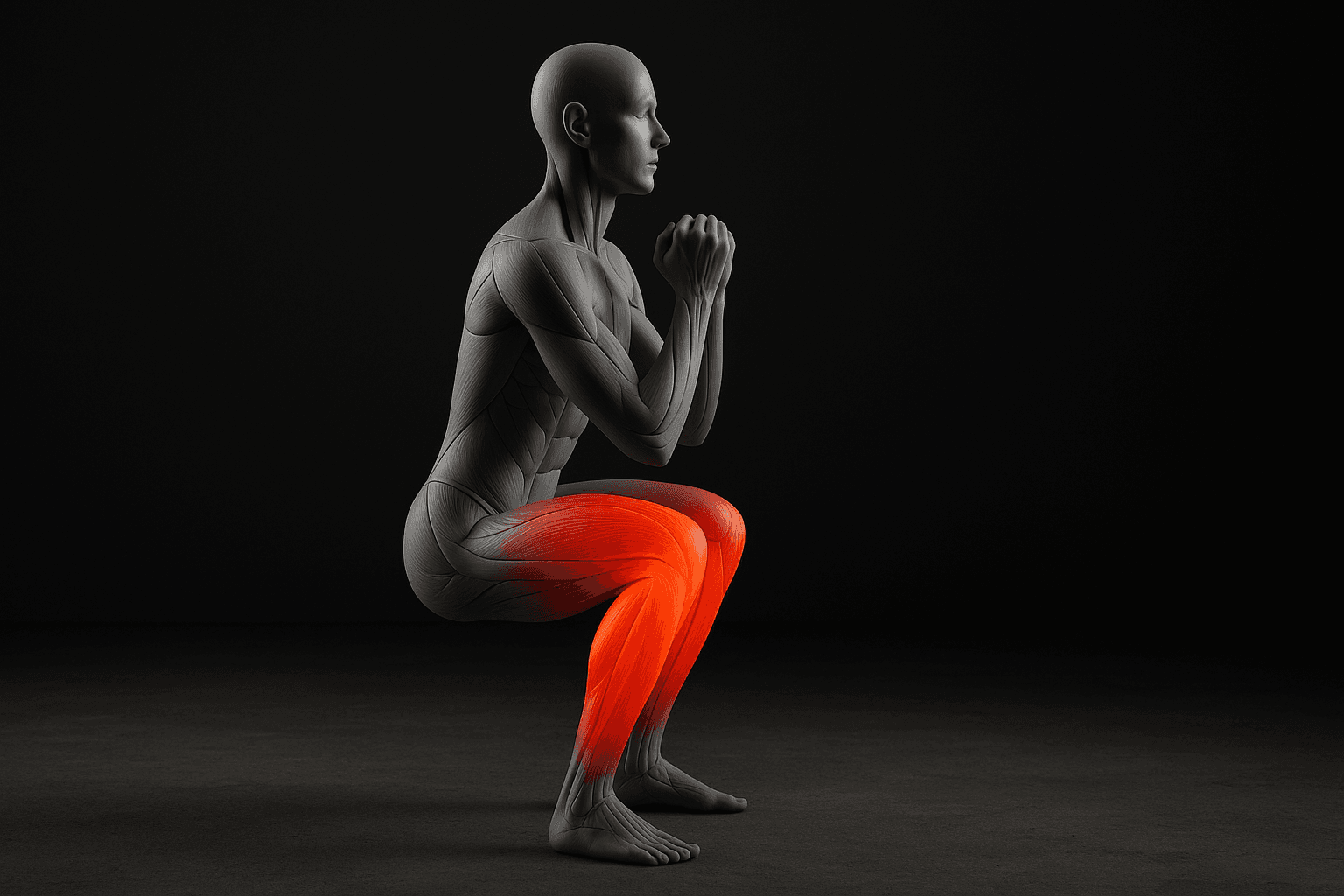
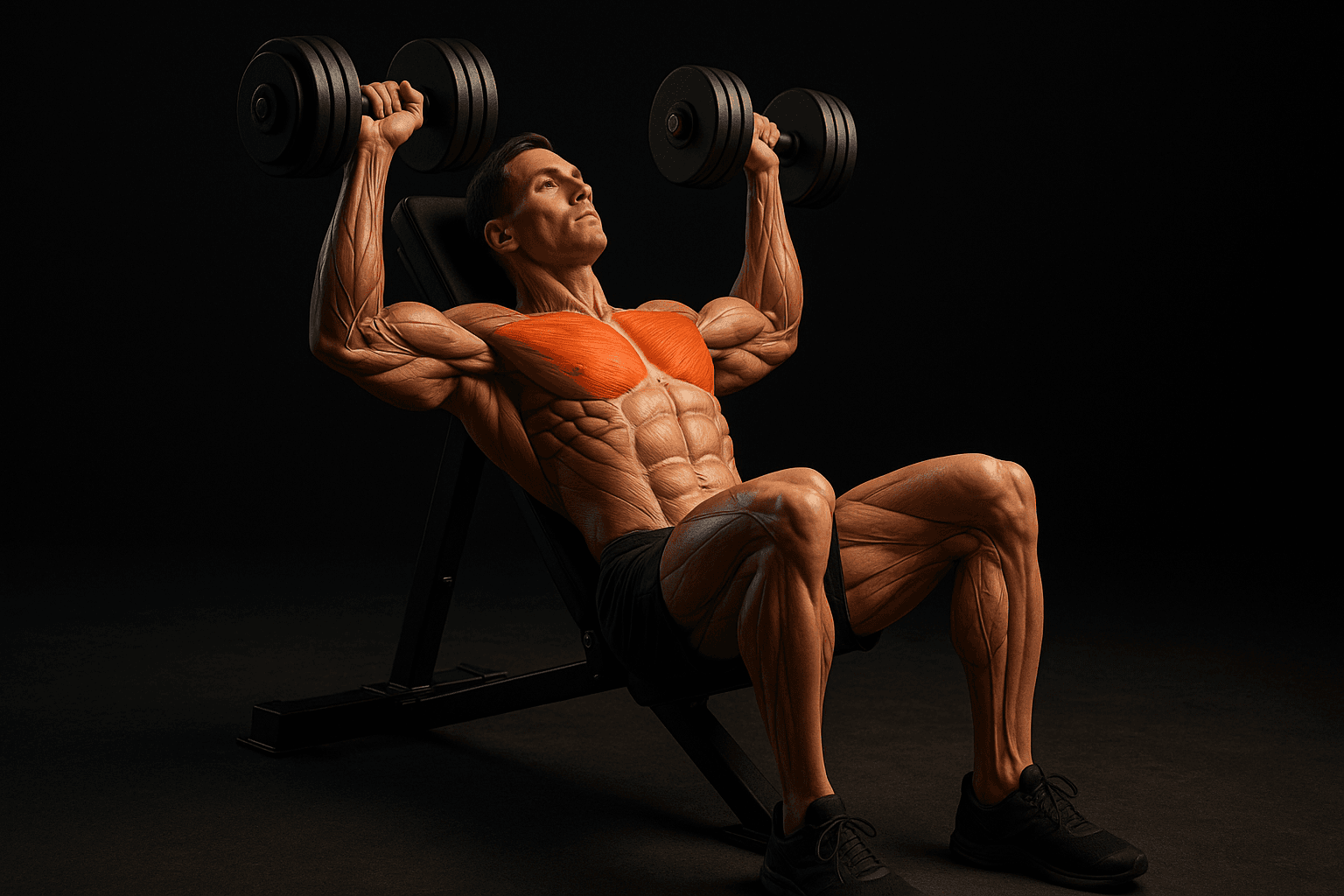
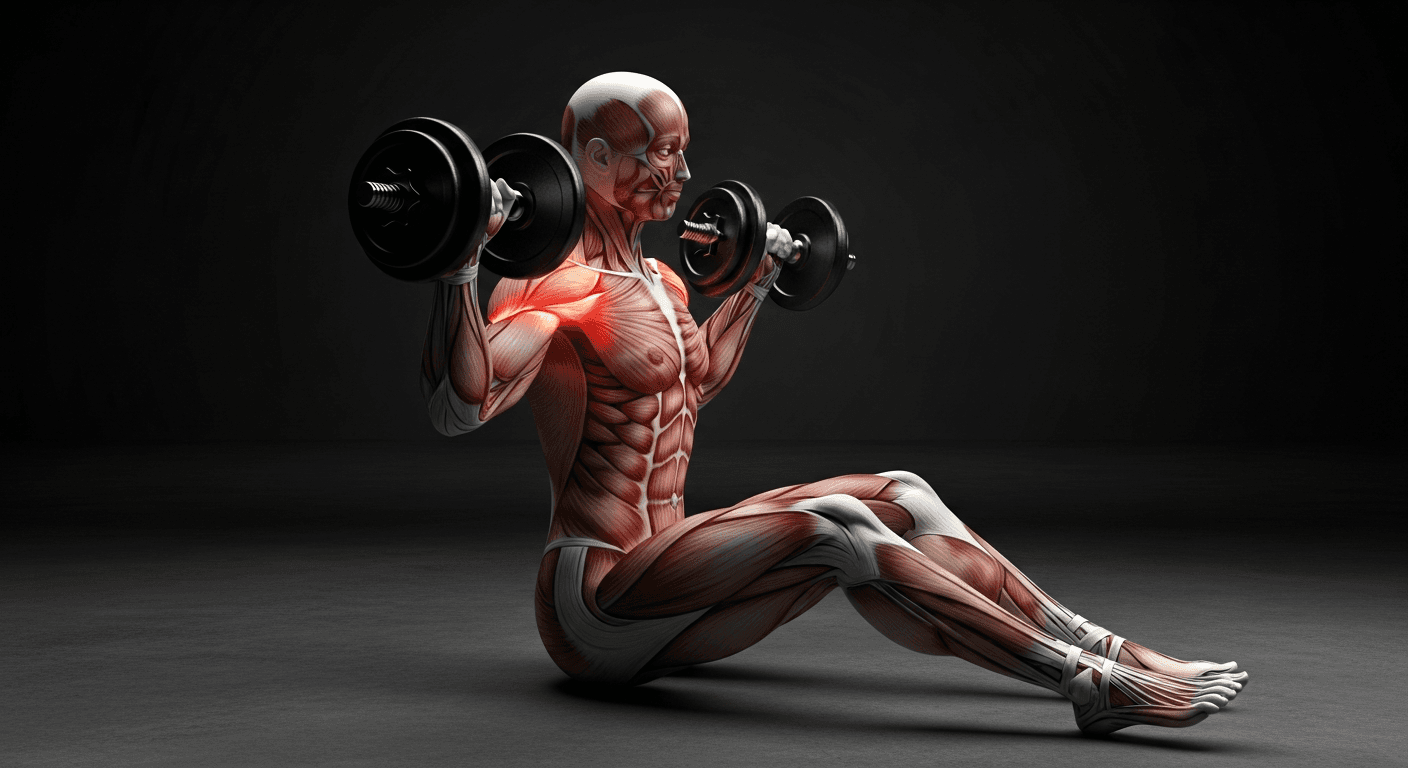
Conventional Deadlift: Proper Form, Step by Step
Definitive, safety-first guide to conventional deadlift form: exact setup, execution cues, breathing, tempo, common mistakes and fixes to lift safely and efficiently.
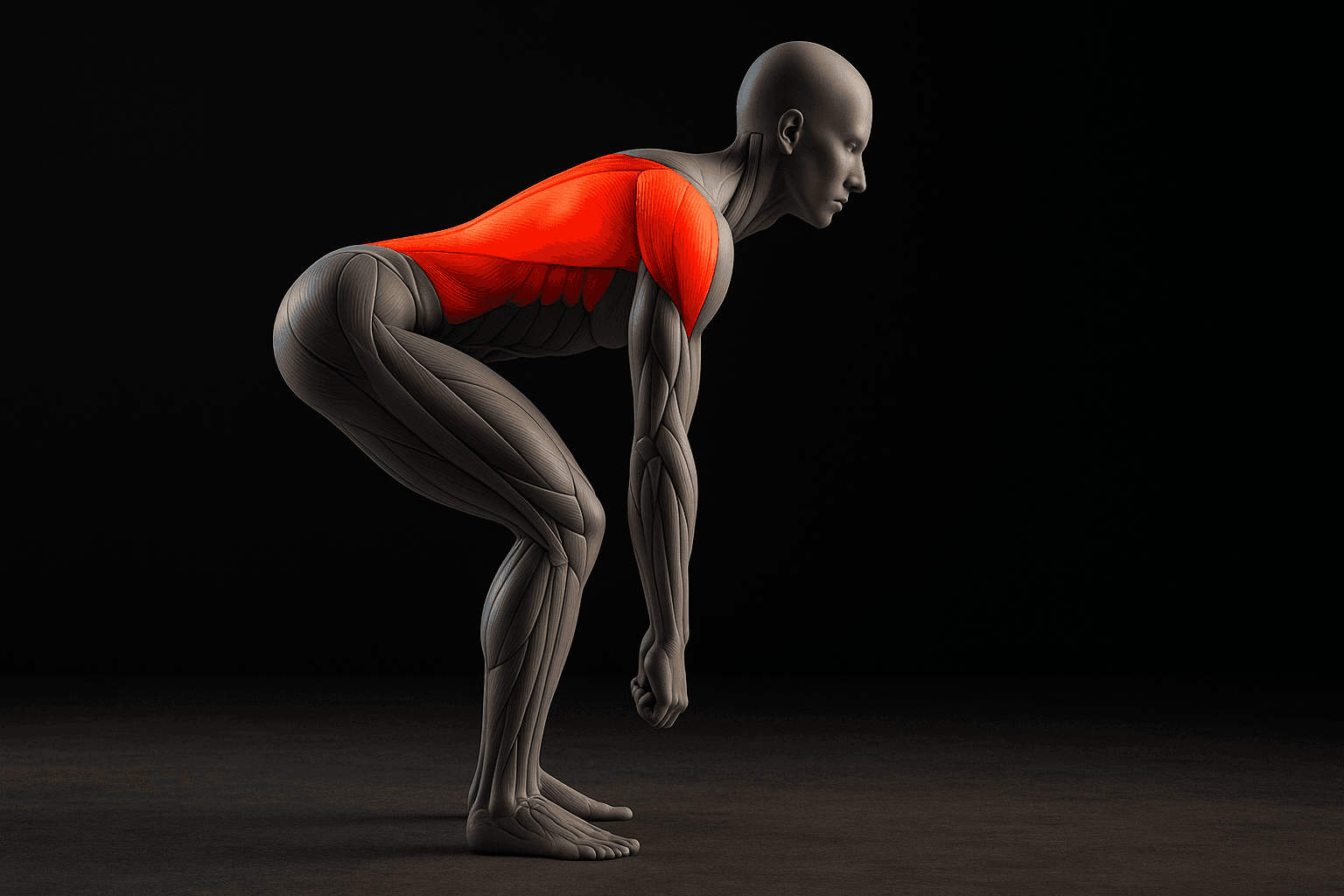
Photo by RepBro.
The conventional deadlift proper form is: bar over mid-foot, feet roughly hip-width, back flat, chest up, lats braced, hinge at the hips to drive the bar vertically and finish by standing tall without hyperextending. Follow the step-by-step setup and execution below to lift safely and efficiently.
How do I set up for the conventional deadlift?
-
Bar and foot placement
- Place the barbell over your mid-foot so it’s about 2–5 cm (1–2 in) from your shins at the start.
- Stand with feet hip-width apart (about 30–45 cm / 12–18 in) with toes pointing slightly out if that feels natural.
-
Grip and hand placement
- Grip the bar just outside your knees. Use a double overhand grip for most work; switch to mixed or hook grip for maximal loads.
-
Hip and shoulder position
- Hips: set them so your shins touch the bar and you can keep a neutral spine — typically your hips will be above knee height but below the level of your shoulders.
- Shoulders: position them slightly in front of the bar so your arms are vertical when the lift begins.
-
Back and upper body setup
- Chest up, lats packed (imagine squeezing your armpits around the bar), and scapula slightly retracted.
- Neck neutral: gaze 2–4 m (6–12 ft) ahead or slightly down to keep alignment.
-
Breathing and bracing
- Take a deep diaphragmatic inhale and brace your core like you’re about to be punched in the gut.
- Hold that brace through the first phase of the lift (Valsalva) for heavy sets; exhale at the top or during the descent. If you have cardiovascular concerns, consult a professional before using prolonged breath holds.
How do I execute the lift?
-
The first pull (floor to knees)
- Drive through the heels and mid-foot. Push the floor away rather than thinking of pulling the bar.
- Keep the bar close — brush the shins — and maintain a flat back.
- The hips and shoulders should rise at the same rate; avoid shooting the hips up early.
-
The second pull (knees to lockout)
- When the bar passes the knees, thrust the hips forward and squeeze the glutes to lock out.
- Do not hyperextend the lower back at the top; stand tall with ribs down and glutes contracted.
-
Lowering the bar (descent)
- Reverse the movement: hinge at the hips first, then bend the knees once the bar passes them.
- Control the descent for 2–3 seconds if lowering under control, or touch-and-go for lighter sets.
-
Tempo and rep timing
- Setup pause: 1–2 s to breathe and brace.
- First pull: 1–2 s depending on load; use explosive intent without sacrificing control.
- Lockout: 0.5–1 s to stand tall and reset.
- Lowering: 2–3 s for controlled eccentric work, faster only if practising speed and form with lighter loads.
What breathing pattern should I use?
- Heavy sets (near-max): take a deep belly breath, brace, hold (short Valsalva) during the pull, and exhale at the top or after you’ve safely racked the bar. If you have cardiovascular issues, consult a professional before using Valsalva.
- Submaximal sets: inhale and brace before the pull and exhale at the top or during the lowering phase.
- Always reset your breath and brace between reps if you’re doing singles or heavy doubles.
What are the most common mistakes and how do I fix them?
-
Hips too high (upper-back dominant pull)
- Fix: lower hips slightly so you feel tension in the hamstrings, chest stays up, and the bar is over mid-foot. Cue “hips down, chest up.”
-
Hips too low (squat-style pull)
- Fix: raise hips a touch and push through the heels. Cue “hinge at the hips” and practice Romanian deadlifts to grok the hip hinge.
-
Rounded lower back
- Fix: lighten the load, set the back by bracing and packing the lats, pull the slack out of the bar before you lift. Train core/bracing separately and consult a coach if the issue persists.
-
Bar drifts away from shins
- Fix: set the bar closer to mid-foot and actively drag it up your thighs; keep shoulders slightly ahead of the bar at setup.
-
Knees caving in
- Fix: focus on driving knees out over toes, cue “push the knees out” and strengthen glutes/hip abductors.
-
Overextending at lockout
- Fix: finish with glutes squeezed and ribs down — stand tall, don’t lean back. Think “hips forward, chest neutral.”
When should I see a coach or stop lifting?
- Stop immediately if you feel sharp pain, sudden joint popping, or any acute injury.
- See a qualified coach if your form consistently breaks down, you experience ongoing soreness that limits movement, or you’re about to pursue heavy maximal lifts.
- Safety note: stop on sharp pain and consult a professional — this guide is educational and not a diagnosis.
How do I practise form without heavy weights?
- Use lighter sets of 40–60% of your typical working load for technique work, 3–5 sets of 3–6 reps.
- Practice deficit deadlifts, Romanian deadlifts, and paused deadlifts to reinforce position and tempo.
- Record sets on video from the side to check bar path and hip/shoulder timing.
If you track lifts or follow programmed templates, RepBro’s app can help log tempo and cues as you progress (see RepBro) — and for differences between deadlift styles, compare variants here: https://www.repbro.app/vs.
One-sentence takeaway: Master the setup—bar over mid-foot, feet hip-width, chest up, lats braced—and pull by hinging the hips while keeping the bar close to your body to deadlift safely and efficiently.
Frequently asked questions
- Should I use a mixed grip or double overhand?
- Start with double overhand for sets under your maximal load to build grip strength; use mixed or hook grip for heavy singles when needed. Rotate grips to avoid imbalances.
- How low should my hips be at the start?
- Hips should sit between fully squatted and fully hinged — typically where your shins touch the bar and your shoulders sit slightly in front of the bar. Aim for a hip height where you can maintain a flat back and generate force through the hips.
- How many reps per set are best for form practice?
- Use 3–6 reps per working set to focus on solid technique under load; use lighter sets of 6–12 reps for volume and technical rehearsal.