Copenhagen Plank Alternatives at Home (Minimal Equipment)
Four-to-five at-home Copenhagen plank alternatives using bodyweight, dumbbells, or bands: what each preserves, what it loses, and when to train at home vs go to the gym.
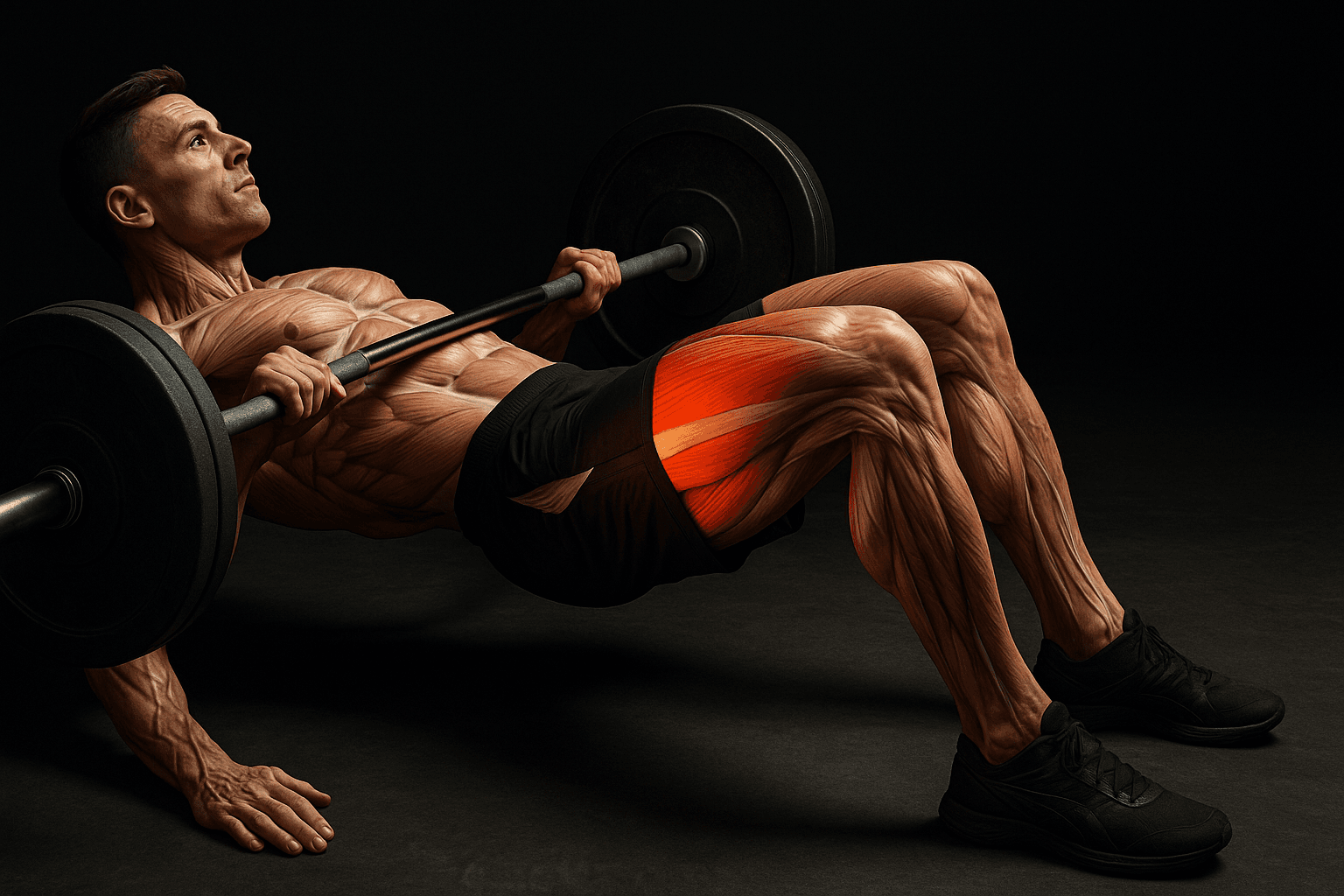
Photo by RepBro.
Yes — you can get most of the Copenhagen plank’s benefits at home. Use a mix of targeted adductor moves (lying adduction, supine squeezes), band-resisted standing adduction, single-leg bridges, or a supported side-plank on a stable object to preserve adductor strength and lateral anti‑rotation without a gym.
What does the Copenhagen plank actually train and why does that matter?
The Copenhagen plank is an intense unilateral isometric that heavily loads the hip adductors while challenging lateral trunk stability and hip control. It combines a long-range adductor eccentric/isometric demand with anti-rotation of the core and pelvic control—qualities important for change-of-direction, cutting, and balanced lower-body development.
Which home exercises mimic the Copenhagen plank with minimal equipment?
Below are 5 practical alternatives you can do with bodyweight, a band, or a dumbbell/chair. For each I list what it preserves from the Copenhagen plank, what it loses, progression tips, and when the swap is adequate vs when to return to gym equipment.
- Supported Side Plank (foot on stable object: chair or heavy dumbbell)
- What it preserves: Isometric lateral chain loading, hip adductor activation on top leg, anti-rotation demand.
- What it loses: Exact Copenhagen hip adductor length-tension if support height differs; less controlled eccentric loading.
- Progression: Raise support height or increase hold time; add a loop band around thighs for extra adduction cueing.
- When it's adequate: Good when you lack access to gym benches but have a stable elevated surface. If you can hold for long durations with little fatigue, consider needing gym progressions for added overload.
- Standing Band-Resisted Hip Adduction (low anchor)
- What it preserves: Dynamic concentric and eccentric adductor strength through range, load progression via band tension.
- What it loses: The sustained isometric anti-rotation and full side-plank trunk challenge of the Copenhagen.
- Progression: Increase band resistance, pause at end range, perform slow eccentrics (3–5 s lowering).
- When it's adequate: Use this when you want repeatable progressive overload at home; choose gym if you want heavier, precisely dosed loading.
- Side-Lying Lower-Leg Raises (bottom-leg adduction)
- What it preserves: Targeted bottom-leg adductor work and hip control; easy to regress/progress.
- What it loses: The cross-body core anti-rotation and the long lever of a Copenhagen hold.
- Progression: Add ankle weights or a band around the thighs to increase resistance; increase reps or tempo.
- When it's adequate: Good for beginners or rehab phases before attempting full Copenhagen holds.
- Supine Adductor Squeeze (dumbbell/ball between knees or ankles)
- What it preserves: High isometric adductor activation and control in closed-chain position.
- What it loses: Lateral trunk anti-rotation and single-leg pelvic stabilization under load.
- Progression: Use a heavier dumbbell between the knees/ankles, increase hold time, or incorporate pulses.
- When it's adequate: Useful for low-impact strengthening and early rehab; use gym tools for eccentric overload and function-focused variants later.
- Single-Leg Bridge or Hip Thrust with Band or Dumbbell
- What it preserves: Hip extension strength, pelvic stability, and adductor co-activation when the knees are driven in.
- What it loses: The long isometric adductor lengthening and sustained lateral plank anti-rotation of Copenhagen.
- Progression: Add a loop band around the knees and press inward, add dumbbell on the hip, or increase single-leg tempo.
- When it's adequate: Good when you want posterior-chain carryover with adductor contribution; gym barbell hip thrusts offer heavier, safer loading when needed.
How should I structure sets, reps, and frequency for these substitutes?
Follow general resistance-training consensus: train targeted muscle groups 2–3 times per week, allow 48+ hours recovery between focused sessions, and choose intensity and volume to match goals. For isometric holds (supported side plank or supine squeeze), start with multiple sets of 10–30 second holds and progress by adding 5–10 seconds per session or increasing resistance. For banded or dynamic reps, use 2–4 sets of a challenging rep range (for strength/hypertrophy choose lower–moderate reps with higher resistance; for control, use slower eccentrics).
How do these substitutes compare side-by-side?
| Exercise | Primary target | Preserves from Copenhagen | Loses vs Copenhagen | Equipment |
|---|---|---|---|---|
| Supported side plank (chair/dumbbell) | Lateral chain, adductors | Isometric anti-rotation, adductor load | Exact ROM/eccentric control if height differs | Chair or heavy dumbbell |
| Standing band adduction | Dynamic adductors | Progressive overload, range control | Side-plank anti-rotation | Loop band + anchor |
| Side-lying lower-leg raises | Bottom-leg adductors | Targeted adductor activation | Transverse core demand | Bodyweight (ankle weights optional) |
| Supine adductor squeeze | Isometric adductors | Max isometric contraction | Single-leg pelvic stability | Ball or dumbbell |
| Single-leg bridge w/ band | Hip extension + adductor co-activation | Pelvic control, posterior chain | Long adductor length tension | Band, or dumbbell |
What are the safety considerations?
Stop any exercise if you feel sharp pain. Use a stable elevated support for the supported side plank—dumbbells can roll, choose a wide-based object or chair. Progress gradually: increase load, range, or hold time only when form is solid. Consult a qualified clinician for pain or recent groin injury. Never rely on an app or video alone to diagnose an injury.
When should I go to the gym instead of staying at home?
Choose the gym when you need precise, heavy progressive overload (weighted Copenhagen progressions or controlled eccentric loading), safer elevated surfaces and racks, or when you’re no longer challenged by home variations. If you need supervision for technique or have a rehabilitative prescription, a gym with equipment and qualified staff can offer safer progression.
Limitations: what apps and AI can’t do for you
No app or AI can reliably see and correct your movement patterns in real time. They cannot replace hands-on assessment by a clinician for injuries or individual mechanical problems. Any program only works if you follow it consistently—consistency, good sleep, and recovery are decisive. For pain, recent injury, or surgery, consult a qualified professional before progressing.
If you want guided programming that integrates these substitutes into a balanced plan, consider tools that log progress and remind you to progress sets and holds; one example is RepBro (app link). Remember: practice, gradual overload, and safe progressions give the most transferable results.
Frequently asked questions
- Can I replace the Copenhagen plank with home exercises?
- Yes. You can replicate most Copenhagen plank benefits—adductor strength and lateral chain anti-rotation—using side-lying adduction, standing band adduction, supine squeezes, single-leg bridges, or a supported side plank with a dumbbell/chair. Each varies in how much isometric, eccentric, and core demand it preserves.
- How often should I train adductors and lateral core at home?
- Train adductors and lateral core 2–3 times per week, leaving 48+ hours for recovery between focused sessions. Use 2–4 sets per exercise; progress by increasing load, holds, or range. Match volume to overall program and fatigue—reduce frequency during heavy lifting phases.
- When is it necessary to use a gym to train Copenhagen-style strength?
- Go to a gym when you need heavier, controlled eccentric loading, precise progressive overload, or safer elevated supports for full-range Copenhagen progressions. If you outgrow home variations (able to hold/perform many reps with ease), gym equipment allows graded loading and safer high-resistance options.