Dumbbell Curl Alternatives at Home (Minimal Equipment)
Practical at-home substitutes for the dumbbell curl using bands, bodyweight, or household loads. What each option keeps, what it loses, and when to hit the gym.
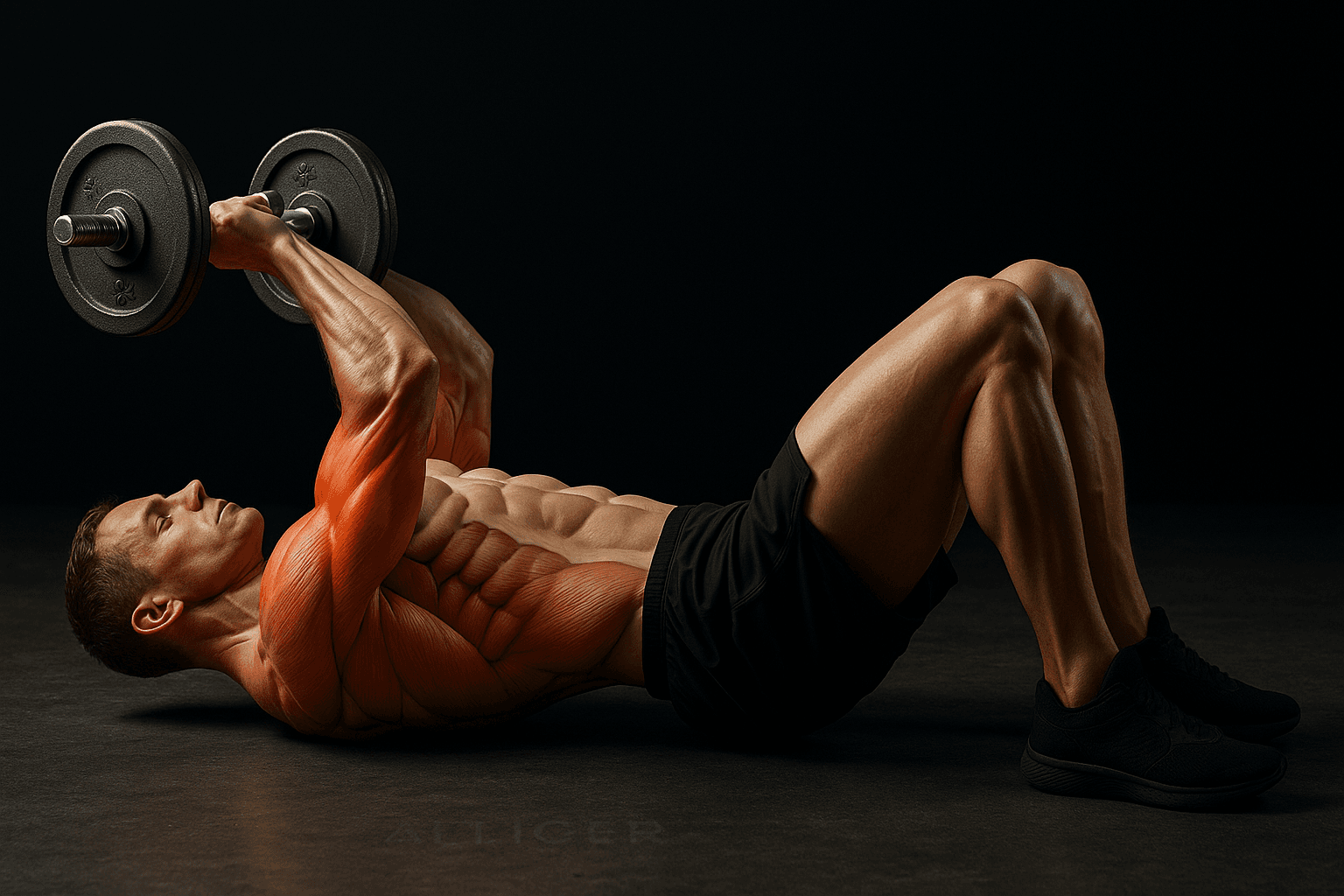
Photo by RepBro.
You can replace dumbbell curls at home with band curls, hammer or backpack curls, chin-focused bodyweight moves, and supinated inverted rows. Each preserves elbow flexion and time-under-tension but sacrifices maximal load or exact isolation. Use them for maintenance and progression; go to a gym when you need heavier, measurable overload.
What are practical dumbbell-curl alternatives I can do at home with minimal gear?
- Band curls (standing or single-arm)
- Hammer curls with light dumbbells or a filled backpack (neutral grip)
- Supinated inverted rows under a sturdy table or railing (bodyweight)
- Chin-up variants (narrow supinated grip or assisted negatives)
- Isometric holds or slow eccentric reps using a towel and a heavy object
These options cover bodyweight, bands, and improvised loads.
How does each substitute compare to a standard dumbbell curl?
| Alternative | What it preserves | What it loses | When it’s adequate |
|---|---|---|---|
| Band curls | Elbow flexion, time-under-tension, high rep volume | Linear load progression and identical resistance curve to free weights | Beginners to intermediates; easy to vary tension and set density |
| Hammer/backpack curls | Grip and forearm engagement; similar movement pattern | Precise loading increments and symmetrical balance when using one improvised object | When you want a heavier or different biceps/brachialis stimulus without a gym |
| Supinated inverted rows | Horizontal pulling with biceps involvement; full-body tension | Pure isolation of short-range elbow flexion; heavier single-joint loading | When you want a compound alternative that recruits multiple muscles |
| Chin-ups/assisted negatives | High overall loading and strong long-head biceps stimulus | Isolation and consistent constant tension at peak contraction | Great for strength-focused trainees who can perform multiple reps or use progressions |
| Isometrics/slow eccentrics | Time under tension and control at specific joint angles | Dynamic concentric overload and measurable progressive overload | Useful for injury-limited or time-efficient stimulus |
Which muscle qualities do these swaps preserve or miss compared to dumbbell curls?
- Preserves: elbow flexion mechanics, muscle time-under-tension, ability to use different grips to emphasize long vs short head.
- Often loses: precise incremental loading (especially for advanced lifters), pure single-joint isolation at consistent tension, and standardized range-of-motion control unless you’re disciplined.
Bands give more variable resistance (light at the bottom, heavier at the top). Bodyweight moves like chin-ups deliver high absolute load but require sufficient baseline strength. Improvised weights (backpack) can be loaded heavier but lack fine-grained increments.
How should I program these alternatives for hypertrophy and strength at home?
- Frequency: 2–3 sessions per week for your biceps work. That fits general resistance-training consensus for growth and recovery.
- Volume: Start with a modest number of working sets per week and increase gradually as you adapt. Track progress by increasing reps, sets, tempo, or band tension.
- Progression: Prioritize progressive overload — add band tension, add weight to a backpack, slow down eccentrics, or increase reps/sets. If you can’t increase any of these and training effort is maximal, gym weights may be needed.
- Example microcycle for a week (sample):
- Session A: 3 sets band curls (8–12 reps), 3 sets chin-up negatives or assisted chins
- Session B: 3 sets hammer/backpack curls (8–15 reps), 2 sets supinated inverted rows
- Session C (optional): 2–3 sets high-rep band curls or isometrics for metabolic stress
Always prioritize form and deliberate tempo. Eccentric control (2–4 seconds) increases time under tension without heavy absolute loads.
When is the swap adequate and when should I go back to a gym?
Adequate at home when:
- You are a beginner or intermediate and can progress by increasing reps, sets, or band tension.
- You want to maintain size and strength while traveling or between gym phases.
- Your goals include muscular endurance, balanced arm development, or technique work.
Go to a gym when:
- You require heavier absolute load for low-rep strength progression beyond what bands/backpacks can provide.
- You need precise incremental loading (small plates, fractional increments) or specialized equipment (EZ curl, preacher bench) for weak points.
- You plateau despite systematic progressive overload attempts at home.
How do I choose between bands, backpack/dumbbells, and bodyweight?
- Use bands if you want variable tension, portability, and high-rep work.
- Use a backpack or home dumbbells if you need more absolute load and a closer feel to traditional curls.
- Use chin-ups and inverted rows when you want to include compound, higher-load pulling that still taxes the biceps.
Mix them across the week: compound pulling for strength, isolated band/dumbbell work for targeted hypertrophy.
What safety points should I follow?
Stop if you feel sharp or unusual pain. Maintain strict form: avoid extreme swinging and uncontrolled momentum. Warm up joints and use manageable loads. If you have preexisting shoulder, elbow, or wrist issues, consult a qualified professional before progressing heavy work. Nothing in this article diagnoses injury or guarantees prevention.
What can’t an app or AI coach do for my curls?
- Apps and AI cannot visually assess or correct your form in real time. They can’t feel compensations, joint pain, or muscle imbalances.
- They can’t replace a qualified physical therapist or coach for injury rehab, complex biomechanics, or return-to-play decisions.
- A plan is only useful if you train consistently; adherence matters more than tool choice.
Limitations
- This guide does not replace individualized coaching or medical advice. If you’re recovering from injury, see a clinician. Apps and AI can help track sets and progress — for example, RepBro — but they can’t replace hands-on correction.
- Results require consistent effort; alternatives give useful stimulus but have practical loading limits for advanced lifters.
If you have a specific constraint (no bands, limited ceiling height, or tendon irritation), tell me what gear and limits you have and I’ll suggest a 4–6 week at-home plan that fits your situation.
Frequently asked questions
- Are band curls as effective as dumbbell curls?
- Band curls can be highly effective for biceps work because they preserve elbow flexion and allow high reps and tension across the range of motion. They differ in resistance curve and maximal load — bands provide variable tension and may limit heavy, low-rep overload needed for advanced strength gains.
- How often should I train biceps at home?
- Train biceps 2–3 times per week with total weekly volume adjusted to your experience: beginners can start lower and build up. Spread work across sessions (for example, 3–4 sets per session across three sessions) and increase load, reps, or sets gradually to progress.
- When should I go back to a gym for curls?
- Return to a gym when you can no longer progress load or challenge the muscle with available equipment, or when you need precise heavier loads and incremental increases. Also consider a gym if you want specialized machines, barbells, or heavier dumbbells above what bands or household weights allow.