How Many Sets and Reps for the Dumbbell Curl?
Practical, evidence-consensus set/rep/frequency ranges for dumbbell curls by goal (strength, hypertrophy, endurance), progression week-to-week, and clear signals to add weight or reps.
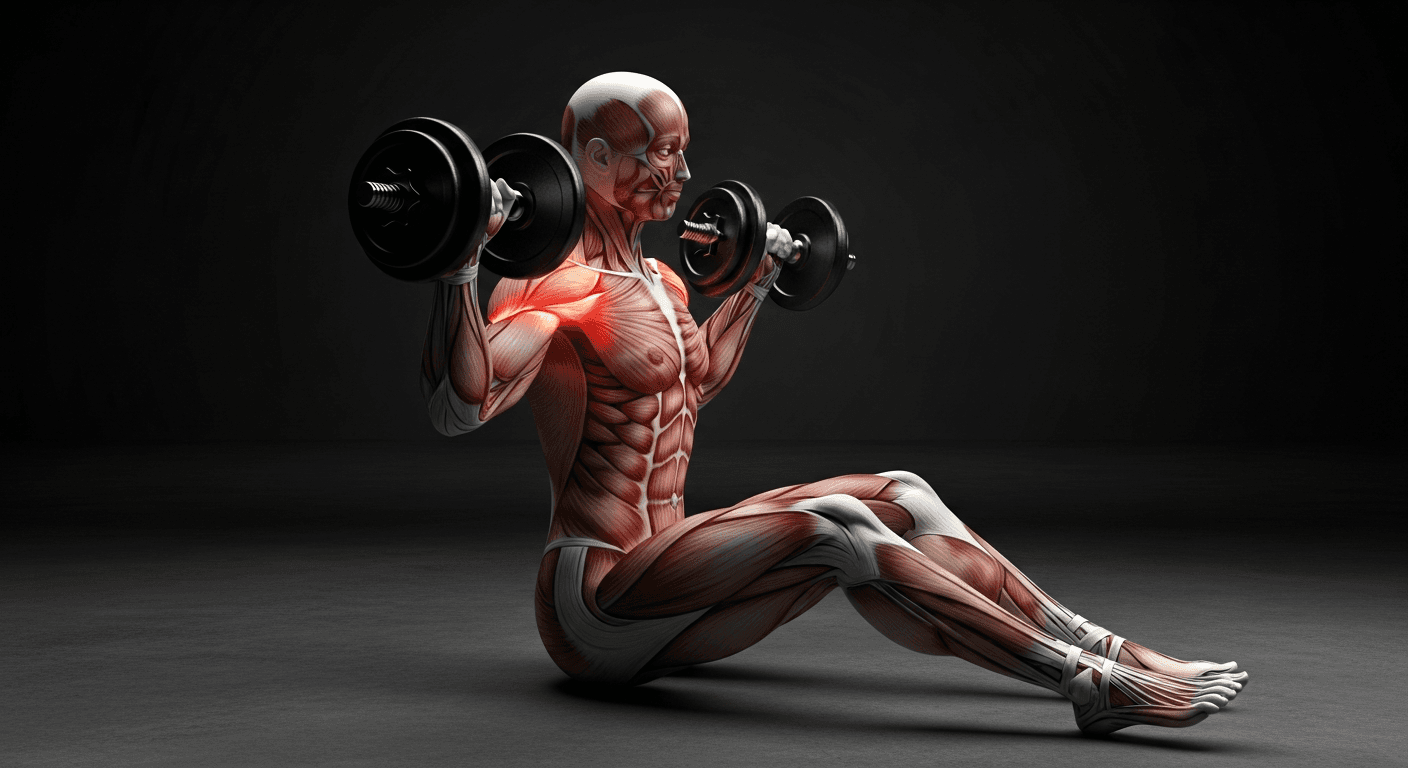
Photo by RepBro.
Direct answer: For the dumbbell curl, use these evidence-consensus ranges: Strength — 3–5 sets of 3–6 reps at heavy load, 2–3×/week; Hypertrophy — 3–6 sets of 6–12 reps, 2–3×/week (total 8–20 weekly sets); Endurance — 2–4 sets of 12–20+ reps, 1–3×/week. Progress by adding reps, then small weight jumps.
How many sets and reps for the dumbbell curl by goal?
-
Strength: 3–5 sets of 3–6 reps per exercise. Train 2–3 times per week if you want more frequent heavy practice; rest 2–4 minutes between sets. Use a weight that makes the final reps challenging while maintaining clean form.
-
Hypertrophy (muscle size): 3–6 sets of 6–12 reps per exercise. Most lifters get meaningful biceps growth with 8–20 total weekly sets for the muscle group; because biceps are small, staying toward the lower end of that range is often sufficient. Rest 60–90 seconds between sets.
-
Endurance: 2–4 sets of 12–20+ reps per exercise. Useful for muscular stamina or metabolic conditioning. Shorter rests (30–60 seconds) and lighter weights are appropriate.
These ranges reflect the consensus used in resistance-training guidelines and reviews: low reps with higher loads for strength, moderate reps for hypertrophy, and higher reps for endurance. Adjust within the ranges depending on how you recover and the rest of your program.
How often should I train biceps (dumbbell curl) per week?
Train targeted biceps work 2–3 times per week for most goals. Frequency helps distribute weekly volume and allows you to practice the movement pattern without needing excessive sets in a single session. Example splits:
- Strength focus: 2–3 short sessions with heavy sets (3–5 sets/session).
- Hypertrophy focus: 2–3 sessions with 2–4 sets each, summing to 8–20 weekly sets.
Spacing sessions 48–72 hours apart generally preserves performance and recovery.
How should I progress week to week on the dumbbell curl?
Use progressive overload with simple rules:
- Pick a target rep range for your goal (e.g., 6–12 for hypertrophy).
- Start at a weight that leaves 1–3 reps in reserve on most sets.
- Progress by rep-first: if you complete the top of the rep range for all sets across two consecutive sessions, increase load the next session.
- If you can’t increase weight (or only have large jumps available), add 1–2 reps per set until you reach the top of range, then add weight.
- Track performance (weights, reps, rest) — logging helps confirm trends. You can use an app like RepBro to keep consistent records.
Small, regular progress (micro-increments) is preferable to large jumps that break form.
When should I add weight versus add reps?
Add reps first when:
- You can’t safely add weight (gym lacks small increments).
- The next weight feels like a big jump that would force form breakdown.
- You’re below the top of your chosen rep range.
Add weight when:
- You can complete the top of the rep range (e.g., 12/12/12 across sets) for two sessions in a row.
- The extra load won’t compromise technique.
A practical signal: when you hit prescribed top reps for all sets in two consecutive workouts, it’s time to increase load by the smallest feasible amount.
What rest intervals, tempo, and load cues should I use?
- Strength: 2–4 minute rests, controlled concentric and eccentric; focus on force production.
- Hypertrophy: 60–90 second rests, moderate tempo (e.g., 1–2s concentric, 1–2s eccentric), and moderate effort (0–2 reps in reserve on final sets).
- Endurance: 30–60 second rests, lighter weight, higher reps.
Tempo matters less than progressive overload and adequate tension across a range of motion, but slow, controlled reps reduce momentum and increase time under tension.
Quick comparison
| Goal | Sets per session | Reps per set | Weekly frequency | Rest between sets |
|---|---|---|---|---|
| Strength | 3–5 | 3–6 | 2–3×/week | 2–4 min |
| Hypertrophy | 3–6 | 6–12 | 2–3×/week (8–20 sets/week) | 60–90 s |
| Endurance | 2–4 | 12–20+ | 1–3×/week | 30–60 s |
Safety note
Stop exercise on sharp or unusual pain. Maintain controlled form; don’t swing excessively or hyperextend the elbow. If you have a history of shoulder, elbow, or wrist problems, consult a qualified professional before progressing. This article does not diagnose injuries or promise prevention of injury.
Limitations — what apps and AI can’t do for your curls
Apps and AI can track sets, suggest ranges, and remind you to progress, but they can’t see your joint angles, detect subtle form breakdown, or manage complex medical issues. Only an in-person coach, physiotherapist, or clinician can assess movement quality, diagnose injuries, or provide hands-on rehab. Also, any program only works if you consistently show up and manage recovery and nutrition.
If you follow the ranges above, prioritize consistent logging, modest weekly progression, and proper recovery, the dumbbell curl will be an effective tool for biceps strength, size, or endurance depending on your chosen parameters.
Frequently asked questions
- How many sets and reps should I use for strength with the dumbbell curl?
- For strength-focused dumbbell curls, use heavy loads for 3–5 sets of 3–6 reps per exercise, 2–3 times per week. Rest 2–4 minutes between sets. Aim for near-maximal but controlled lifts; increase load when you can hit top reps across all sets for two sessions.
- How fast should I increase dumbbell weight for curls?
- Increase weight when you can complete the prescribed sets and reps for two consecutive sessions. Use the smallest plate increment available — typically 0.5–2.5 kg (1–5 lb) per dumbbell — and expect slower jumps for smaller muscles like the biceps.
- Can I build significant biceps size with only dumbbell curls?
- You can grow biceps with curls if you apply progressive overload, reach sufficient weekly volume, and support training with nutrition and recovery. That said, compound pulling movements and varied curl variations improve overall arm development and carryover.