Floor Press Alternatives at Home (Minimal Equipment)
Practical at-home substitutes for the barbell floor press using dumbbells, bands, or bodyweight. What each preserves, what it loses, and when to train at home vs. go to a gym.
Photo by RepBro.
Direct answer — If you can access at least one dumbbell, a resistance band, or your bodyweight, you can approximate the floor press at home with targeted variations. Each option preserves parts of the movement (horizontal push pattern, triceps lockout) and loses others (absolute load, bilateral bar stability, exact ROM).
What does a floor press train and why does it matter?
The floor press is a horizontal pushing movement that emphasizes the triceps and the lockout portion of the press while limiting shoulder extension because the elbows hit the floor. It is popular for reducing shoulder stress and improving top-end pressing strength. When replacing it, identify whether your goal is maximal strength, hypertrophy, pain-free pressing, or addressing a sticking point.
Which at-home alternatives should I consider with minimal equipment?
Below are five practical substitutes using dumbbells, bands, or bodyweight, with guidance on what each preserves and loses compared to the barbell floor press.
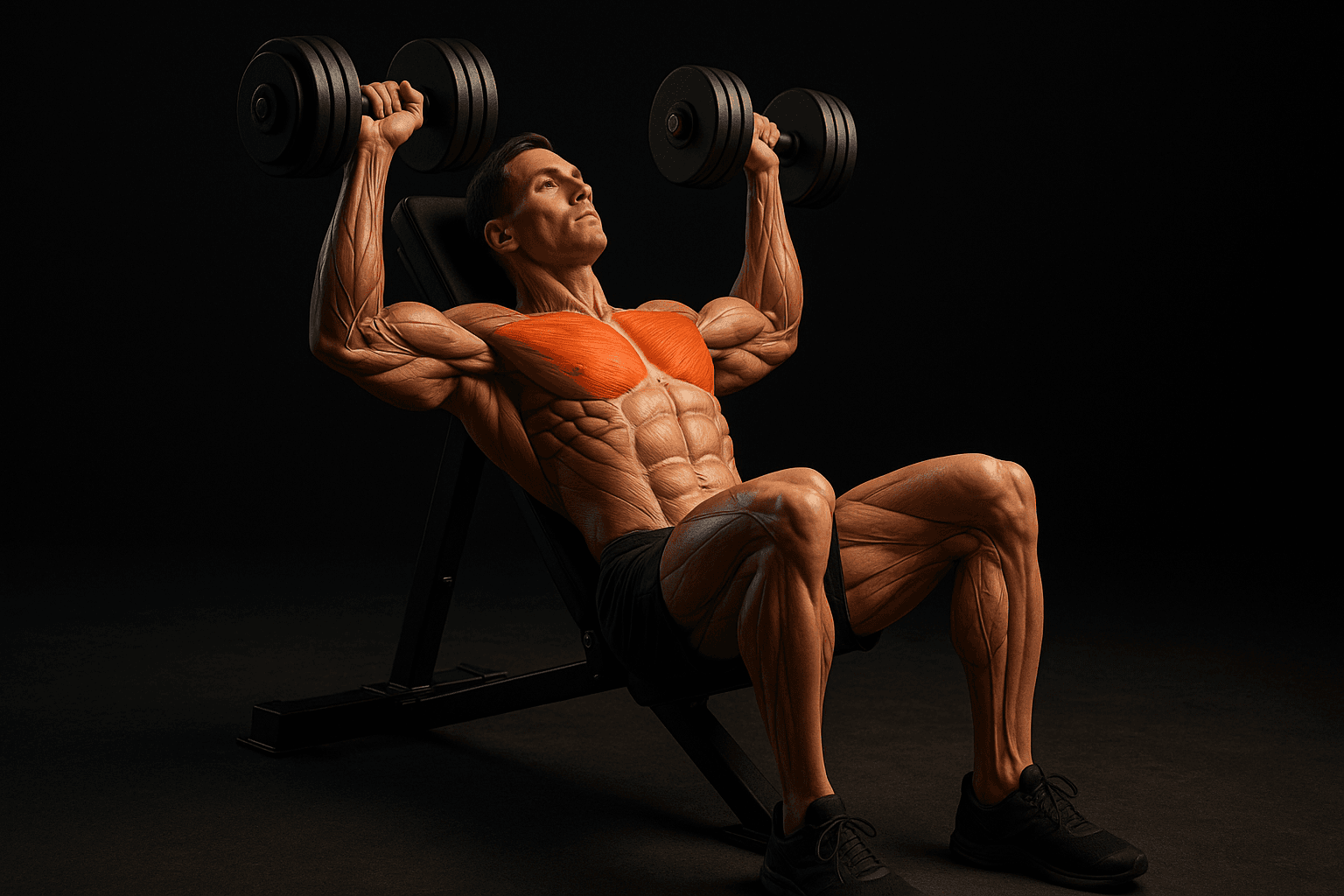
1) Dumbbell floor press
- How: Lie on your back, knees bent, press two dumbbells from the floor to full elbow extension; neutral or supinated grips both work.
- Preserves: Horizontal push pattern, similar elbow-travel and lockout emphasis, lower shoulder strain.
- Loses: Ability to load as heavily as a loaded barbell setup if dumbbells are light; bilateral bar stability and exact bar path.
- When to use: When you have moderate to heavy dumbbells and want a close substitute for strength or hypertrophy.
2) Single-arm dumbbell floor press
- How: Same as above but performed one arm at a time.
- Preserves: Unilateral strength, core anti-rotation demand, addresses side-to-side imbalances.
- Loses: Total external load and the ability to train true bilateral overload.
- When to use: If you have strength asymmetries or limited equipment; good for hypertrophy and stability work.
3) Push-up variations (standard, incline, decline) with tempo or weighted backpack/bands
- How: Change leverage (hands elevated or feet elevated), add slow eccentrics, bands, or a weight vest/backpack for progressive overload.
- Preserves: Full-body tension, functional pressing mechanics, and a long-range-of-motion that trains pecs through a greater excursion than the floor press.
- Loses: Triceps-focused lockout emphasis and the exact short ROM of a floor press; load scaling requires creativity.
- When to use: When you have no weights and want general chest and triceps development or endurance-focused pressing.
4) Resistance-band chest press (anchored at around chest height)
- How: Anchor a band behind you or under your foot and press forward with one or both hands.
- Preserves: Horizontal push pattern and continuous tension through the rep; easy progressive overload by increasing band tension.
- Loses: Stable fixed load curve of a barbell; band tension increases toward lockout (opposite of some free-weight feel).
- When to use: When you need variable resistance, portability, or joint-friendly loading.
5) Dumbbell press from a low surface (sofa/stacked mats) to increase range of motion
- How: Lie on a low, stable surface and press dumbbells from chest level rather than floor.
- Preserves: Traditional press ROM, ability to overload with heavier dumbbells if available.
- Loses: The floor’s reduction of shoulder extension that can be useful for rehab; requires a stable surface for safety.
- When to use: If you want more pec stretch than the floor press provides and have a safe setup.
How do these options compare at a glance?
| Alternative | Preserves | Loses | Best for |
|---|---|---|---|
| Dumbbell floor press | Lockout emphasis, horizontal push | High absolute load capacity, bar path stability | Strength and hypertrophy with limited gear |
| Single-arm DB floor press | Unilateral strength, core demand | Total external load | Imbalance correction, core stability |
| Push-ups (banded/weighted) | Full-body tension, ROM | Lockout emphasis, easy heavy loading | Endurance, hypertrophy without equipment |
| Banded chest press | Continuous tension, variable overload | Barbell feel, consistent load curve | Portable resistance, joint-friendly work |
| Elevated DB press | Greater ROM, heavier loads possible | Floor’s shoulder limitation | Pec stretch, hypertrophy when stable surface exists |
How should I program these at home? What are evidence-based guidelines?
- Frequency: Train horizontal pressing 2–3 times per week.
- Volume: Aim for roughly 10–20 working sets per week for the chest and triceps combined, adjusted by training age and recovery.
- Intensity & rep ranges: Use heavier, lower-rep sessions (2–6 reps) for strength emphasis and moderate reps (6–12) for hypertrophy. Bodyweight options can be progressed by reps, tempo, bands, or added weight.
- Progression: Follow progressive overload—add reps, reduce rest, increase band tension, add weight, or change leverage.
- Deloading: Reduce volume or intensity periodically (commonly every 4–8 weeks or when performance and recovery decline).
These recommendations reflect consensus in strength and conditioning literature on frequency, volume, and progressive overload principles.
If you want simple tracking at home, logging sets, reps, and resistance—whether dumbbell weight, band color, or push-up variations—helps ensure progressive overload. (RepBro can help with session logging and simple progression tracking: https://apps.apple.com/us/app/gym-workout-coach-repbro/id6763749305)
When is the home substitute adequate and when should you go to a gym?
Choose home options when you can progressively overload and meet your goal: hypertrophy, general strength, shoulder-friendly pressing, and imbalance work. Consider a gym when you need to train near-max singles or doubles regularly with heavy barbell load, require precise plate-loading increments, or need specialized equipment and a spotter for very heavy work.
What safety advice should I follow?
Stop any set if you experience sharp joint pain; mild muscle soreness or transient joint discomfort with load is normal, but sharp or persistent pain is not. Use controlled tempo, keep shoulder blades retracted during pressing, and ensure anchors and surfaces are stable. Consult a qualified professional for persistent pain or injury history. This is general guidance—not a diagnosis or guaranteed injury prevention.
What can’t apps or AI do? (Limitations)
Apps and AI can track numbers, suggest progressions, and show demos, but they cannot reliably see your form, detect subtle compensations, or replace hands-on coaching. They can’t diagnose injuries or tailor medical rehab; a qualified professional must assess persistent pain, structural issues, or return-to-lift protocols. Finally, no app replaces consistent training adherence: results require regular, progressive effort.
Limitations summary: an at-home plan works only if you consistently apply progressive overload, manage recovery, and seek professional help when pain or limitation arises.
If you need a short at-home pressing cycle built around the gear you have (one dumbbell, band, or bodyweight), list your equipment and goals and you can get a focused 4–8 week blueprint tailored to those constraints.
Safety reminder: this article is informational only. Stop on sharp pain, use reasonable loads, and consult a qualified coach or medical professional for injury concerns.
Frequently asked questions
- Can push-ups replace the floor press for strength and size?
- Yes, push-ups can substitute for the floor press for hypertrophy and general pressing strength if you can progressively overload (add reps, tempo, bands, or weight). They differ in load ceiling and locking mechanics, so for maximal heavy strength at near-max loads a gym barbell setup is preferable.
- Are dumbbells as effective as a barbell floor press?
- Dumbbells can be equally effective for muscle growth and often better for shoulder comfort and unilateral balance. They limit absolute load compared with a loaded barbell and change stability demands, but with progressive overload and adequate weekly volume they will build similar strength and size.
- How often should I train pressing movements if I switch to home alternatives?
- Train horizontal pressing 2–3 times per week, spreading 10–20 weekly working sets for chest and triceps depending on experience and recovery. Use heavier, lower-rep sessions for strength and moderate rep ranges for hypertrophy; deload or reduce volume when fatigue accumulates.