Floor Press: Muscles Worked and Best Alternatives
What muscles does the floor press train, where it fits in a program, and four practical alternatives depending on equipment, injury, or plateaus. Evidence-aware, program-focused guidance.

Photo by RepBro.
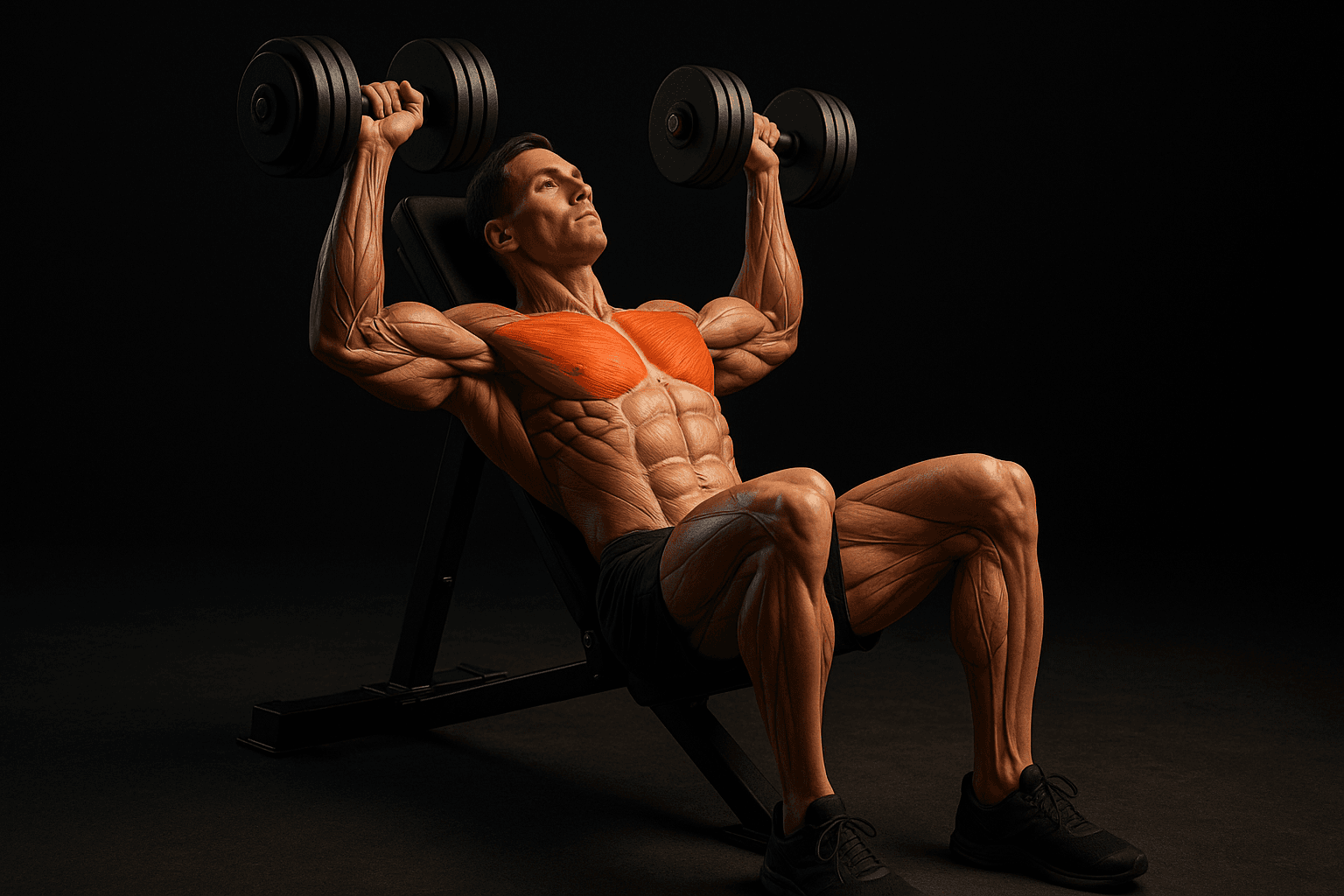
The floor press primarily targets the triceps and pectoralis major with reduced shoulder involvement; the anterior deltoid and scapular stabilizers act as secondary muscles. It's often used as a lockout accessory, a shoulder-friendly pressing option, or when you lack a bench or rack.
What muscles does the floor press train and why does it feel different from a bench press?
Primary movers
- Triceps brachii: The shortened range of motion and elbow position mean the triceps contribute strongly to pushing the bar from the bottom to lockout.
- Pectoralis major: The chest still contributes, particularly the sternal fibers, but the reduced stretch at the bottom lowers peak pectoral activation relative to full-range presses.
Secondary and stabilizers
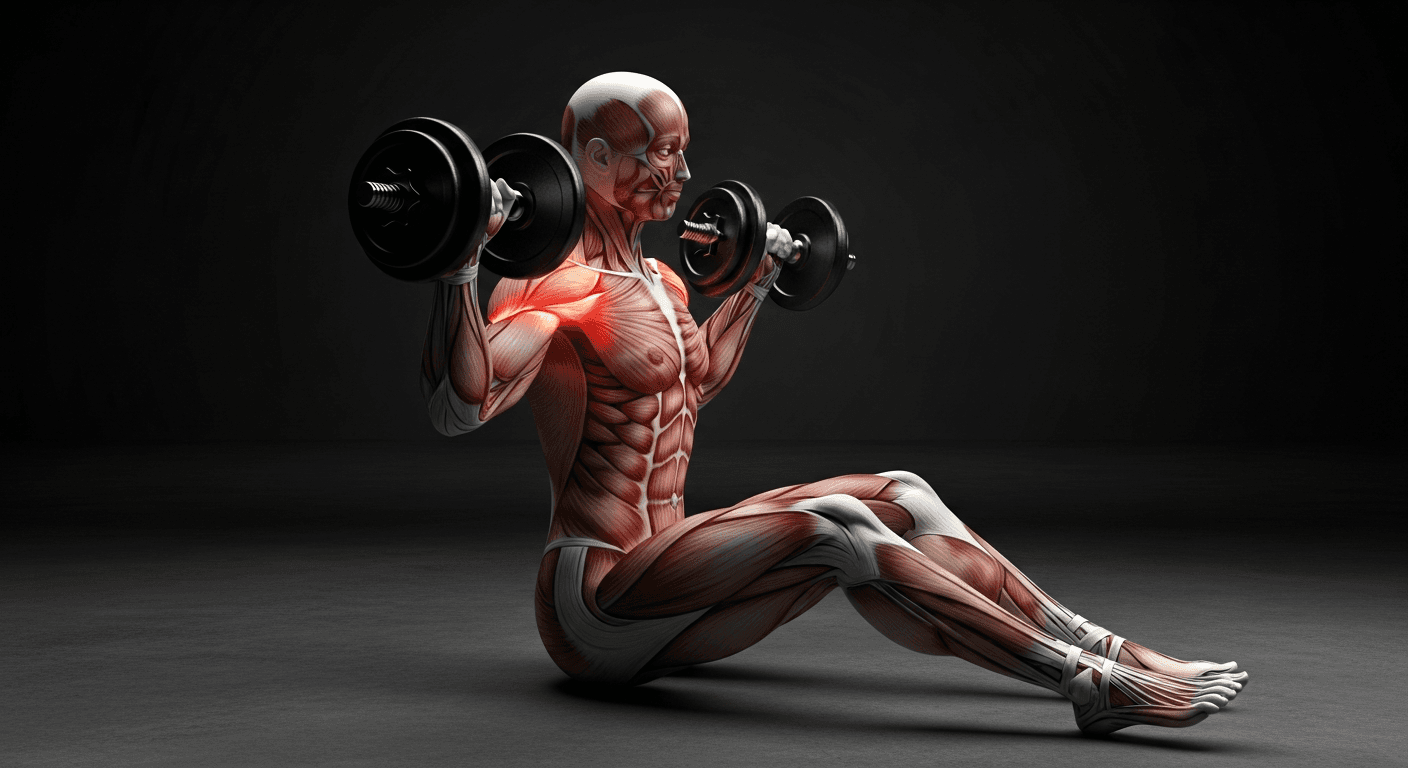
- Anterior deltoid: Assists horizontal adduction and shoulder flexion mid-range.
- Scapular stabilizers and rotator cuff: Provide control and stability throughout the press.
Why it feels different: stopping with the elbows on the floor cuts the eccentric range and end-range shoulder extension. That reduces shoulder stress for some lifters and shifts work toward the triceps and mid-range chest.
Where does the floor press fit in a lifting program?
- Accessory for bench press: Use it to overload the lockout and build triceps strength when the sticking point is off the chest.
- Alternative for shoulder issues: Because it limits shoulder extension, it can be less irritating for some shoulder conditions. Stop any exercise that produces sharp pain and consult a clinician if pain persists.
- Stand-alone pressing option: If you lack a bench or rack, it’s a practical pressing movement that can still drive upper-body strength and hypertrophy.
Programming notes (evidence-aligned guidance)
- Rep ranges: For strength phases, prioritize lower reps and heavier loads (e.g., 3–6). For hypertrophy phases, use moderate reps (6–12). Adjust according to exercise selection and overall program.
- Frequency: 1–3 sessions per week depending on goals and total pressing volume elsewhere in the program; integrate so you don’t exceed reasonable weekly workload for the same muscle groups.
- Volume: Plan floor press work as part of total weekly sets for chest and triceps. Reviews on resistance training suggest hypertrophy responses scale with weekly sets, so manage total sets across all chest/triceps exercises rather than isolating the floor press.
- Progression: Prioritize progressive overload (more load, more reps, better technique). Use microloading, slow increases in volume, or add pauses to increase difficulty.
What are the critical form cues and a brief safety note?
- Setup: Lie on the floor with knees bent, feet flat. Grip the bar so the forearms are roughly vertical at the start position.
- Elbow path: Lower until your elbows touch the floor lightly; keep the elbows at a comfortable tuck rather than flared wide.
- Scapulae: Retract slightly to maintain a stable base; don’t force an extreme arch as on a bench press.
- Press: Drive through the triceps and chest; lockout with control.
Safety: Stop on sharp or unusual pain and consult a qualified professional. This article does not diagnose injuries or guarantee prevention.
How does the floor press compare to common presses?
| Lift | Range of motion | Shoulder stress | Primary emphasis | Equipment |
|---|---|---|---|---|
| Floor press | Shortened | Lower for many lifters | Triceps + mid-range chest | Barbell or dumbbells, no bench required |
| Barbell bench press | Full ROM | Higher (depending on technique) | Full pectoral development + triceps | Rack/bench and spotter recommended |
| Dumbbell floor press | Shortened; unilateral option | Lower, stability demand | Unilateral triceps/chest balance | Dumbbells, floor only |
What are 4 practical alternatives and when should you pick each?
- Barbell bench press (full ROM)
- When to pick it: You want maximal pectoral stretch, full-range strength, or competitive bench transfer. Use when you have a rack/spotter and no shoulder issues that prohibit full ROM.
- Equipment/plateau note: If your lockout is sound but off-the-chest strength is weak, prioritize full-bench variations.
- Dumbbell floor press
- When to pick it: No rack available, or you need to fix left/right imbalances and improve shoulder comfort. Dumbbells let you change grip angles and reduce shear.
- Equipment/limits: Useful for home gyms or limited equipment setups.
- Board press or pin/lockout press
- When to pick it: Your specific problem is lockout weakness or a plateau at a particular sticking point. These let you work heavier loads for the top portion.
- Caveat: Ensure you program them as accessory work to avoid overloading joints repeatedly; technique must be precise.
- Push-up progressions or weighted push-ups
- When to pick it: Minimal equipment, rehab phase, or to build pressing endurance and stability. Variants (incline, decline, rings) shift emphasis and difficulty.
- Injury consideration: Push-ups are generally shoulder-friendly when pain-free and executed with good scapular control.
How should you choose between these options?
- Equipment: Use what you have access to (dumbbells/floor vs rack/bench).
- Weak point: Use floor/board/pin presses for lockout; full bench or dumbbells for chest development; close-grip or boards for triceps.
- Injury: Favor reduced-ROM presses or push-up regressions if full bench causes pain; always consult a professional for persistent or severe pain.
Limitations: What apps and written guides cannot do
- No app or article can see or correct your real-time form; video feedback from a qualified coach is often necessary for persistent technical issues.
- Remote guidance cannot diagnose injuries or prescribe individualized rehab — see a qualified clinician for medical concerns.
- A plan only works if you consistently follow and adjust it; adherence and progressive overload matter more than picking a specific exercise.
Brief closing reminder: Use the floor press as a purposeful tool — an accessory for lockout strength, a shoulder-friendly alternative, or a practical option when benches/racks aren't available. Monitor how it affects your bench mechanics and recovery, and adapt volume and variation accordingly.
Frequently asked questions
- Which muscles does the floor press primarily work?
- The floor press mainly targets the triceps and the pectoralis major with a relatively greater triceps contribution than a full-range bench press. The anterior deltoids and scapular stabilizers act as secondary muscles because the shortened range of motion limits shoulder extension.
- Is the floor press useful for improving my bench press lockout?
- Yes. Because the floor press shortens range of motion and reduces shoulder involvement, it overloads the lockout portion of the lift and strengthens triceps and elbow extension mechanics. Use it as an accessory when your sticking point is the top of the press.
- How often should I program the floor press?
- Program the floor press 1–3 times per week depending on overall volume and goals. For a strength emphasis use lower reps and heavier loads; for hypertrophy use moderate reps. Adjust weekly volume to avoid excessive fatigue and include periodic deloading as needed.