Front Squat: Proper Form, Step by Step
Definitive front squat form guide: setup, execution cues, breathing, tempo, common mistakes and quick fixes. Safety-first steps for a solid front squat.
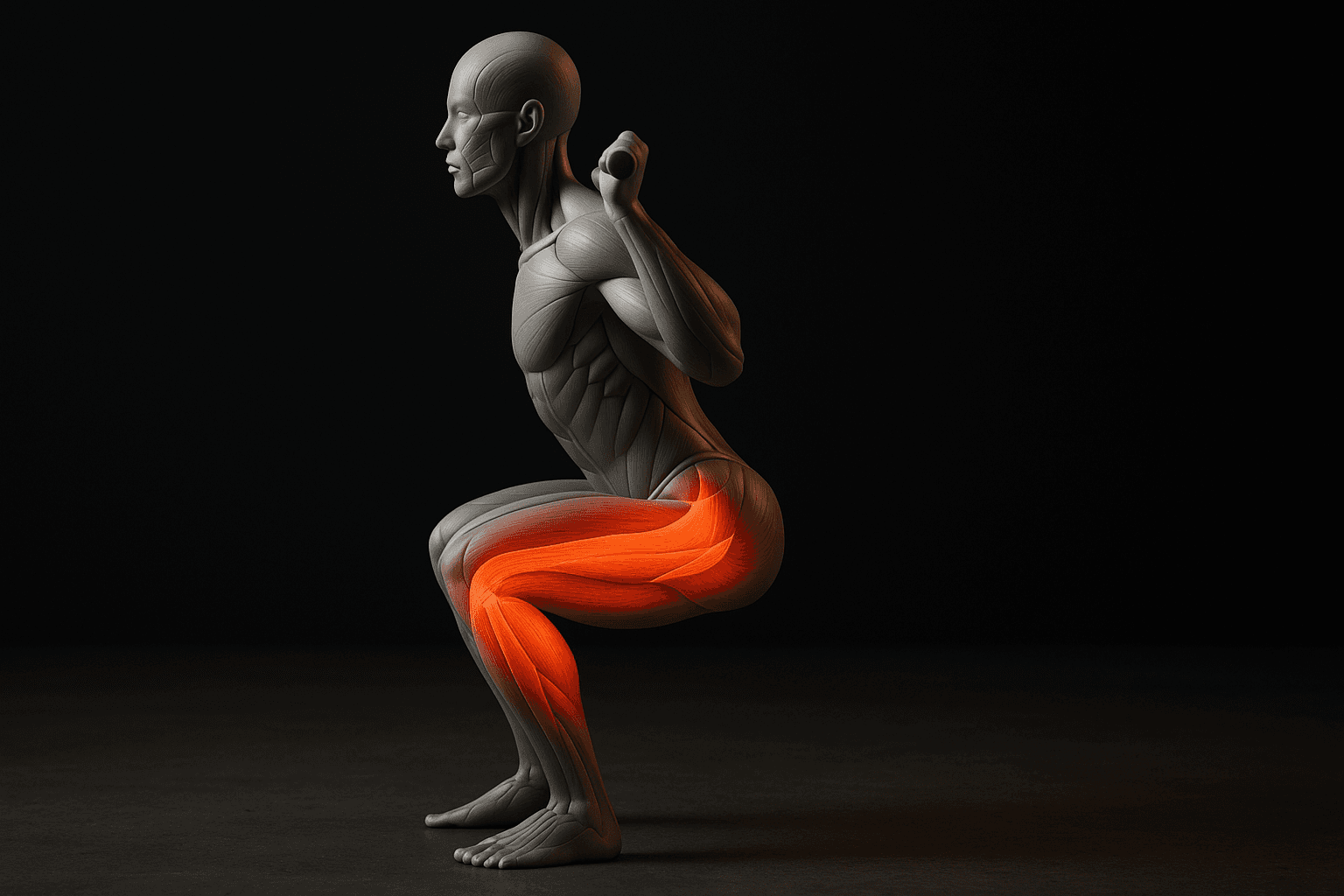
Photo by RepBro.
Front Squat: Proper Form, Step by Step
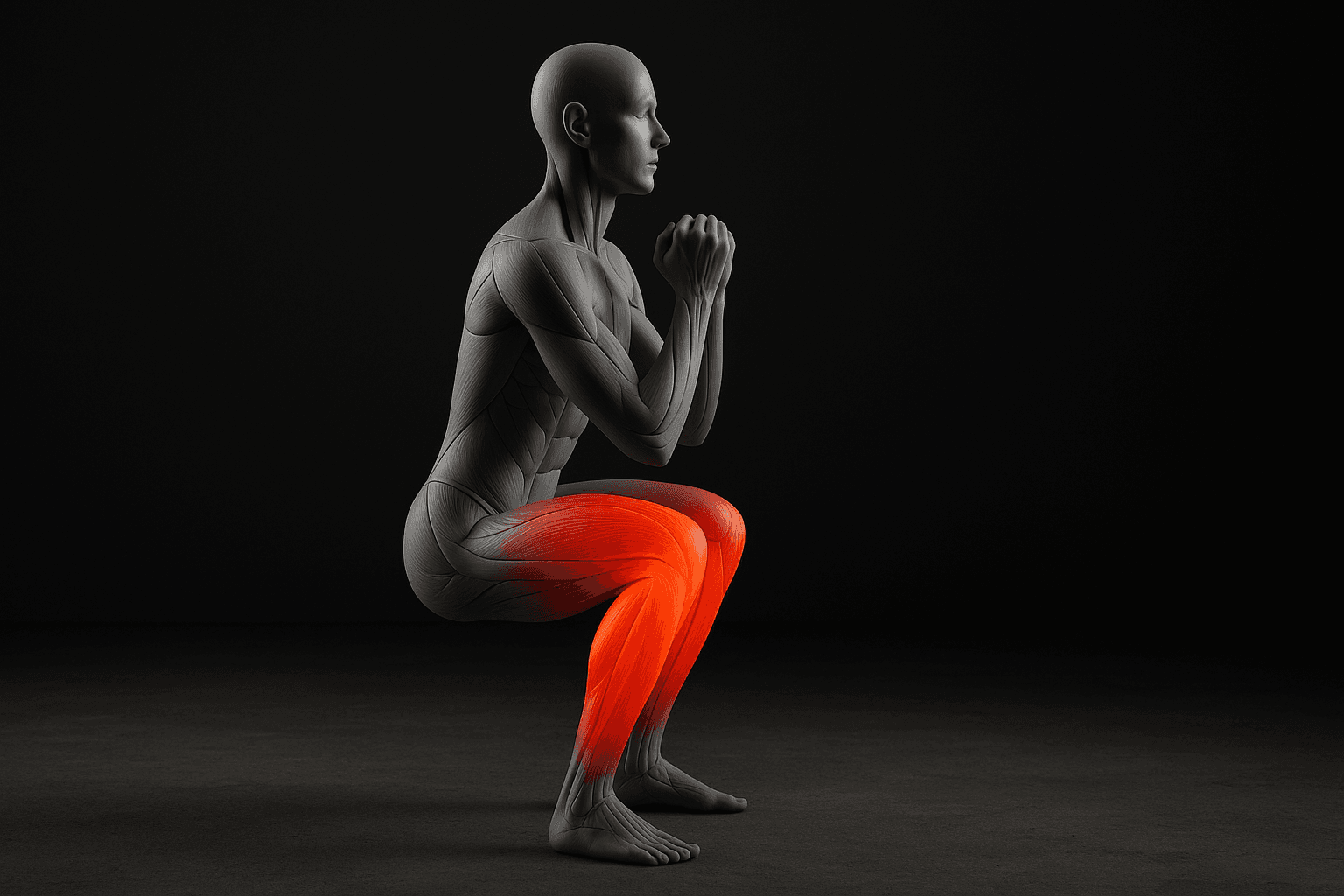
The front squat proper form is an upright, elbow-up squatting pattern where the barbell rests on the front of your shoulders; it emphasizes the quads and core and requires tight bracing, high elbows, and controlled descent to at least parallel. Follow the steps below for a safe, repeatable setup and execution.
What is the front squat and when should I use it?
The front squat places the barbell on the anterior shoulders (front rack) rather than across the back. Use it to develop quad strength, vertical torso control, and to transfer strength to Olympic lifts and athletic movements. It's also a useful variation when you want less compressive load through the spine than a heavy high-bar back squat would create.
How do I set up the bar and my body (step-by-step)?
- Bar height: Set the bar in a rack at about mid-chest level so you can unrack without stepping up or down.
- Grip/placement: Two common grips:
- Clean grip: Fingers under the bar, wrists extended, bar rests on the front deltoids. Use thumbs and fingers to steady the bar.
- Cross-arm grip: Arms crossed over the bar with fingertips on opposite deltoids; useful if wrist mobility is limited.
- Feet: Stand with feet hip- to shoulder-width apart (about 40–55 cm / 16–22 in). Toes pointed slightly out (~5–20°) depending on your hip anatomy.
- Unrack: Keep chest up, core braced, and take the bar out of the rack by straightening the legs. Step back 1–2 small steps, not a long walk.
- Stance check: Knees tracking over toes, weight distributed mid-foot to heel. Maintain a tall chest and high elbows before you begin the descent.
How do I execute the front squat (step-by-step cues)?
- Take a big inhale and brace your belly (create intra-abdominal pressure). Hold this brace throughout the descent and initial ascent.
- Hinge slightly at the hips and sit back and down between the feet. Keep torso more upright than a back squat—think of moving straight down rather than forward.
- Keep elbows high: Point them roughly at shoulder level or slightly above so the bar stays on your shoulders.
- Knee tracking: Push knees out along the line of your toes; avoid letting them cave inward.
- Depth: Lower until hip crease is at or below the top of the knee (parallel or slightly below). Stop if you lose an upright torso or bar position.
- Drive up: Push through the mid-foot and heel, extend knees and hips simultaneously, and keep chest proud. Exhale or control the release of breath as you pass the most difficult portion (sticking point).
- Rack the bar: Step forward 1–2 small steps, re-rack with control.
What breathing and tempo should I use?
- Breath: Inhale fully at the top and hold the breath to brace before descending (valsalva-style bracing). Exhale after you pass the hardest point on the way up or at the top between reps. For sets of multiple reps, reset your breath at the top each rep.
- Tempo: A commonly effective tempo is 2–4 seconds down, brief pause (0–1 s) at the bottom if needed for control, and an explosive but controlled ascent in 0.5–1 second. Slower tempos (3–5 s descent) build control and mobility; faster tempos train power but require precise technique.
How heavy should I go and how many reps?
- Beginners: Start with a light load you can handle for 3 sets of 5–8 reps with perfect form.
- Intermediate/advanced: Front squats are often programmed for 3–6 sets of 2–6 reps for strength, or 3–4 sets of 6–12 reps for hypertrophy. Adjust load so form stays clean—reduce weight if you lose posture or elbow height.
What do I need to watch for during the lift?
- Elbow drop: If elbows fall, the bar will roll forward—fix by using lighter weight and deliberately raising elbows and retracting the upper back.
- Torso collapse: If your chest folds forward, reduce load and practice front-rack mobility and core bracing.
- Knees caving: Strengthen glutes/hip abductors and cue "push knees out" to fix valgus collapse.
What are common mistakes and how do I fix them?
- Mistake: Wrists painfully extended (clean grip uncomfortable).
Fix: Use the cross-arm grip while you develop wrist mobility; work on wrist stretches and gradually transition to the clean grip. - Mistake: Bar rolls forward because elbows dropped.
Fix: Reduce weight, practice holding the bar in the rack position for 10–20 seconds while maintaining a tall chest, and cue "elbows up" aggressively. - Mistake: Excessive forward lean and rounded upper back.
Fix: Improve ankle and hip mobility, shorten stance slightly, and reduce load until you can maintain an upright torso. - Mistake: Rising on toes or shifting weight forward.
Fix: Focus on driving through mid-foot to heel; practice tempo squats with a box or pause to reinforce balance.
Safety note
Stop immediately on sharp or unusual pain and consult a qualified professional—this article does not diagnose injuries. Use collars on the bar, clear space when racking, and consider a spotter or safety pins on the rack if working near a max or training alone.
How does the front squat compare to the back squat?
The front squat encourages a more upright torso and greater quad emphasis; the back squat often allows more load and greater posterior chain involvement. For a direct comparison of programming and use-cases, see RepBro's comparison page: https://www.repbro.app/vs. If you track lifts, log front squats consistently in RepBro or your preferred tracker.
Quick troubleshooting checklist
- Bar stable on shoulders? If not, lighten weight or switch grips.
- Elbows high? If not, pause at the top and reset.
- Spine neutral? If not, reduce load and work mobility drills.
- Depth adequate? Aim for at least parallel while keeping form.
One-sentence takeaway: Front squats demand an upright torso, high elbows, strong bracing, and controlled tempo—prioritize technique over load and stop for pain or consult a professional if anything hurts.
Frequently asked questions
- Should my elbows stay high throughout the front squat?
- Yes—keep elbows up to create a stable shelf for the bar and maintain an upright torso. If your elbows drop, the bar will roll forward and balance will break.
- How deep should I squat in a front squat?
- Aim for at least parallel (hip crease at or below the top of the knee). If mobility allows, go to full depth (below parallel) while keeping a neutral spine and stable knees.
- Is the front squat safer for the knees than the back squat?
- The front squat typically loads the torso more upright and shifts stress toward the quads, but ‘safer’ depends on individual mobility, technique, and any pre-existing issues—consult a professional for guidance on pain.