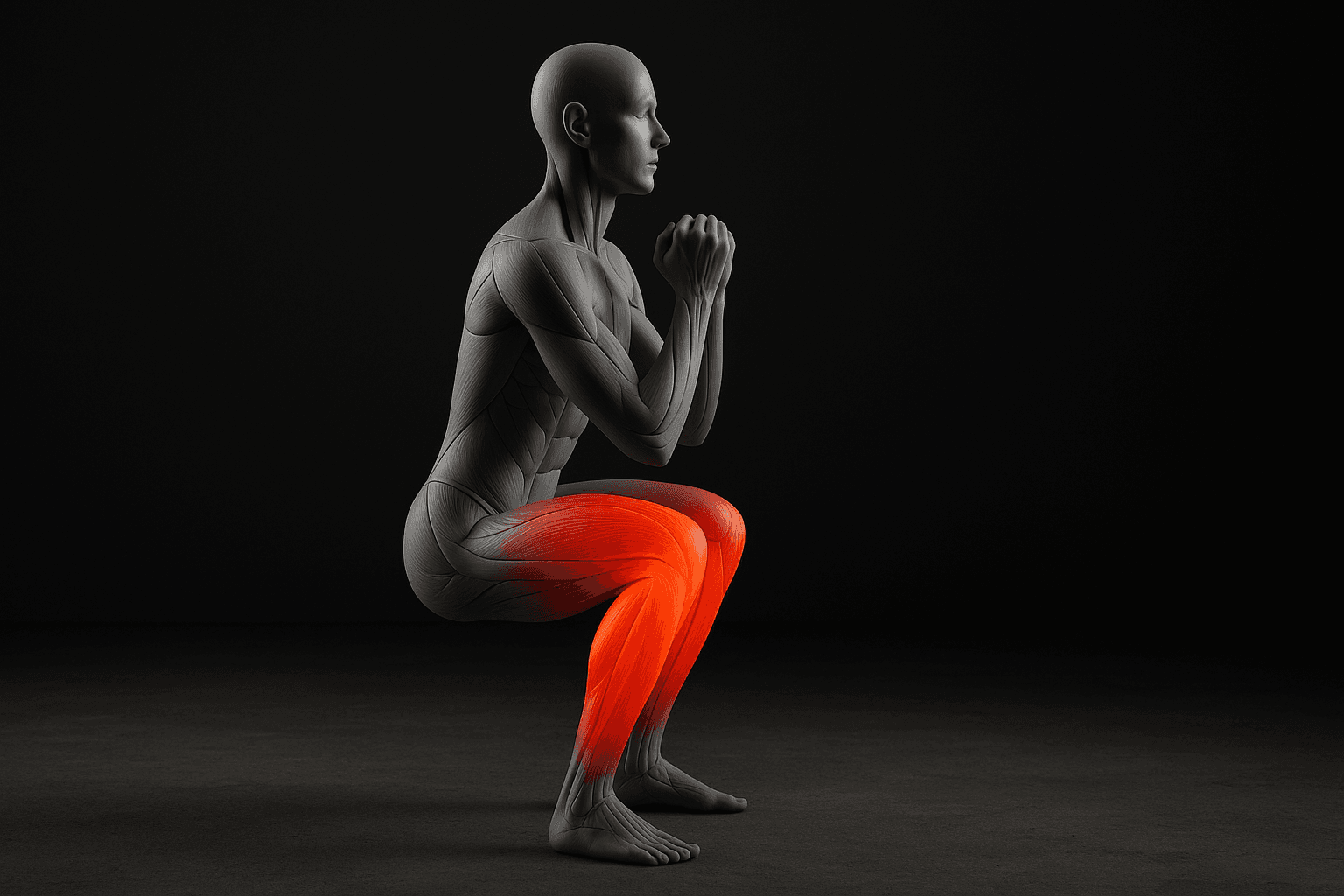
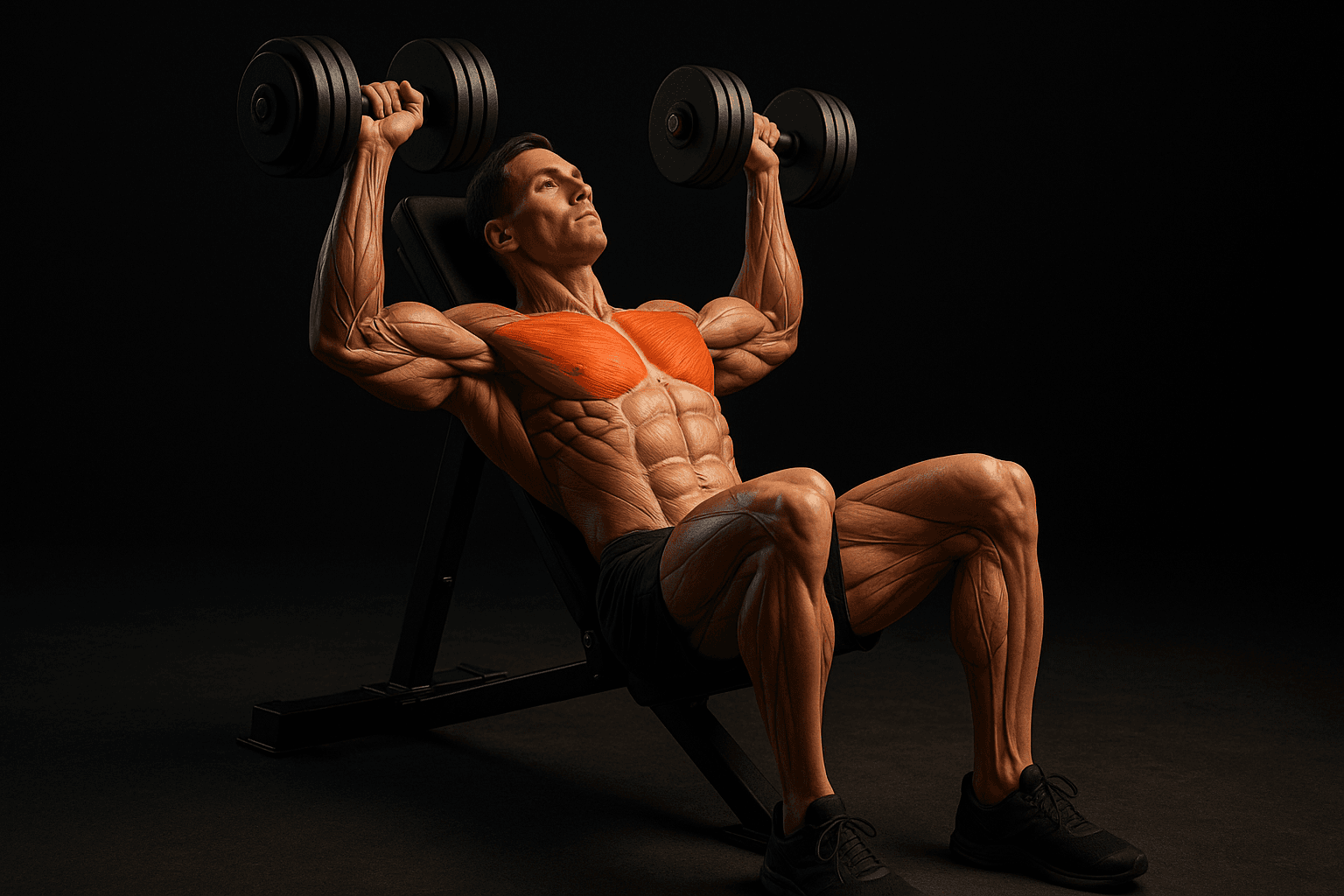
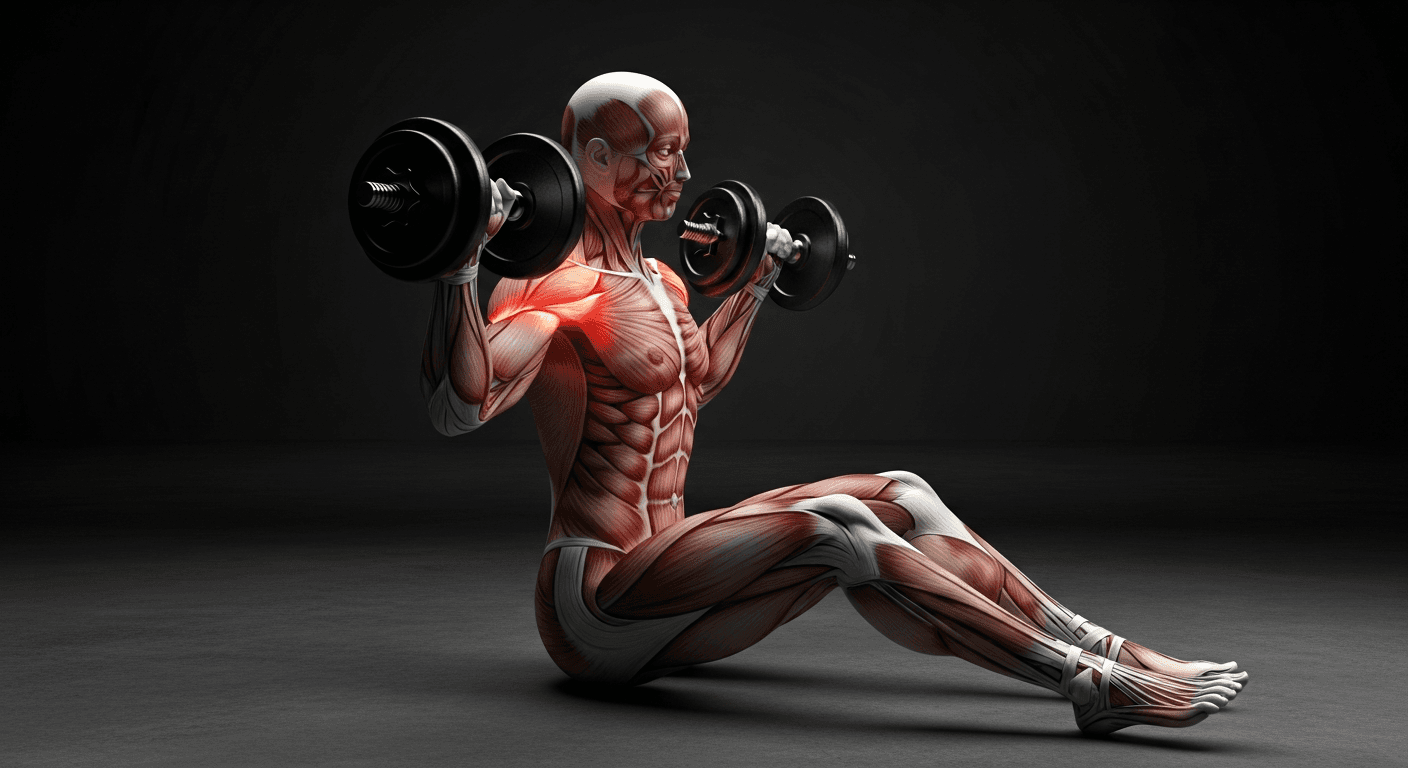
Front Squat Alternatives at Home (Minimal Equipment)
Practical at-home substitutes for the front squat using bodyweight, dumbbells, or bands—what each preserves and what it loses, plus programming and safety guidance.
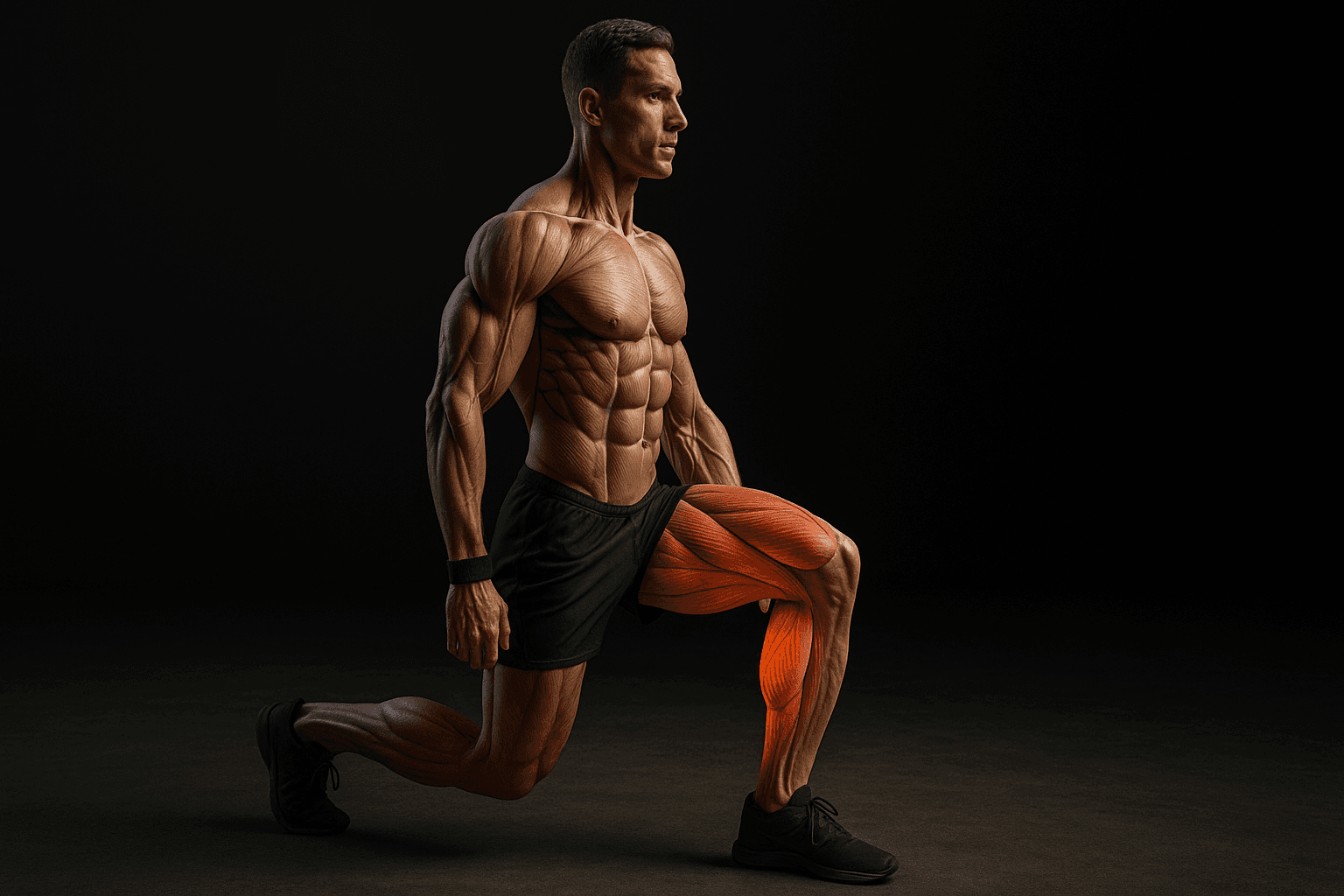
Photo by RepBro.
Direct answer (40–60 words): If you don't have a barbell, goblet squats, dumbbell front-rack squats, band-resisted front-loaded squats, Bulgarian split squats, and paused bodyweight squats each reproduce key front-squat features. They vary in how much load, upper-back demand, and technical carryover they provide—use them until you need heavier, bar-specific loading.
What does a front squat primarily train that I should try to keep?
The front squat emphasizes the quadriceps, forces a more upright torso, requires anti-extension core strength, and challenges the upper back and anterior shoulder mobility because of the front rack. It also allows relatively high absolute loading on a bilateral pattern, which matters for maximal strength and transfer to other barbell movements.
Which minimal-equipment alternatives can I do at home and what do they preserve or lose?
Below are five practical options with what each preserves and what it sacrifices compared with a barbell front squat.
- Goblet squat (one dumbbell or kettlebell)
- Preserves: upright torso bias, strong quad stimulus, core anti-extension demand at moderate loads. Good for teaching depth and breathing.
- Loses: absolute load ceiling (grip/chest placement limits near-max strength work) and the exact front-rack upper-back loading.
- When adequate: for hypertrophy, technique work, or general strength when you can progressively increase dumbbell weight or use slow tempos.
- Dumbbell front-rack / double clean-grip dumbbell squat
- Preserves: front-loaded position and greater loading potential than a goblet hold; more similar upper-back and shoulder demand if you hold dumbbells in the front rack.
- Loses: barbell-specific mechanics and ability to load as heavily as a barbell for maximal strength.
- When adequate: when you want heavier, bilateral loading but can’t access a barbell.
- Band-resisted front-loaded squat (bands looped under feet and across chest/shoulders)
- Preserves: progressive resistance through the concentric range and a front-loaded feel if positioned across the chest; trains the upright posture and acceleration out of the hole.
- Loses: predictable load increments compared with plates; band tension profiles differ from constant barbell mass.
- When adequate: to train speed and concentric emphasis, or to add load when dumbbells are light.
- Bulgarian split squat / rear-foot-elevated split squat (dumbbell or bodyweight)
- Preserves: quad emphasis, torso control, and a high knee travel similar to the front squat’s top-to-bottom mechanics; strong single-leg carryover to strength and balance.
- Loses: the bilateral axial load pattern and the same trunk anti-extension demand under a frontal bar load.
- When adequate: when you have limited load—split squats let you reach high relative intensity with modest weights and are effective for strength and hypertrophy.
- Bodyweight paused deep squat or tempo wall-facing squat
- Preserves: movement pattern, depth, ankle mobility, and thoracic mobility requirements; ideal for technique, mobility, and conditioning.
- Loses: external load for progressive overload unless you increase time-under-tension or reps.
- When adequate: for novice trainees, mobility-oriented phases, or when returning from layoff and barbell load is contraindicated.
How do these swaps affect programming and progression?
- Frequency: train legs 2–3 times per week for most lifters. Recovery and adaptation benefit from distributed volume.
- Volume: aim for 8–20 weekly sets for quadriceps depending on training age and goals — lower end for strength-focused with heavier sets, higher end for hypertrophy.
- Progression: where absolute load is limited, prioritize increasing reps, sets, reducing rest, adding tempo (slower eccentrics/pauses), or using unilateral variations and band tension. For strength goals, work in lower-rep ranges when load allows; for hypertrophy, 6–20 rep ranges are effective with appropriate volume.
- Deload: include a lighter microcycle (reduced volume or intensity) every 4–12 weeks depending on accumulated fatigue and individual response.
How close are these alternatives to the real thing—should I just train them forever?
They can produce comparable hypertrophy and strength improvements up to moderate loads. If your goal is maximal barbell front-squat strength, Olympic lifting transfer, or heavy bilateral loading, there’s no full substitute for the barbell. Use the alternatives until they stop producing progressive overload or your goals require bar-specific practice.
Comparison table: what each option keeps and loses
| Alternative | Equipment | Preserves (key features) | Loses (key limits) | Good when... |
|---|---|---|---|---|
| Goblet squat | 1 dumbbell / kettlebell | Upright torso, quad bias, core demand | Heavy absolute load, front-rack challenge | You need simple progression and technique work |
| Dumbbell front-rack | 2 dumbbells | Front-loaded position, higher load than goblet | Barbell max-load and exact mechanics | You need heavier bilateral loading without a barbell |
| Band-resisted front-loaded | Bands | Concentric emphasis, upright pattern | Precise load increments, different tension profile | You want speed-oriented or accommodating resistance work |
| Bulgarian split squat | Dumbbells/bodyweight | High quad demand, unilateral strength | Bilateral axial loading, identical trunk demands | You need intense stimulus with limited weight |
| Bodyweight paused squat | None | Movement pattern, mobility, depth control | External overload for long-term progression | Mobility, beginners, or rehab-ready phases |
What safety points should I remember?
Stop on sharp pain and consult a qualified professional for persistent joint or back problems. Keep braced core and neutral spine; don’t sacrifice depth or form for extra reps. Bands and heavy dumbbells can change load direction—start lighter to assess movement quality.
Limitations (what apps and at-home plans can’t do)
No app or AI can see your form live, identify subtle compensations in real time, or provide a medical diagnosis. If you have an injury, pain that persists, or complex rehab needs, see a qualified clinician. Plans only work when you follow them consistently and adapt based on real-world feedback from a coach or clinician.
If you need structured at-home progressions with clear daily cues and sets/reps adjustments, consider pairing these options with objective logging so you can track progression reliably. Consistency and gradual overload decide long-term results more than the specific platform you use.
Safety reminder: this article provides general information, not medical advice. If in doubt, consult a qualified coach or medical professional.
Frequently asked questions
- Can I get the same quad stimulus at home without a barbell front squat?
- Yes. Variations such as goblet squats, dumbbell front-rack squats, Bulgarian split squats, and band-resisted squats can reproduce the front squat’s quad bias and upright torso demands. They will usually limit absolute load, so progression focuses on volume, tempo, unilateral work, or band tension rather than maximal barbell load.
- How often should I train these front-squat alternatives?
- Train lower-body compound movements 2–3 times per week for most lifters. Aim for 8–20 weekly sets for quadriceps depending on experience and goals. Progress by adding load, reps, sets, or difficulty; include a deload phase after several weeks of accumulated fatigue.
- When should I stop using alternatives and return to barbell front squats?
- Return to barbell front squats when you need higher absolute loading for strength, sport-specific carryover, or barbell-specific technique practice. If alternatives stop producing progress despite sensible progression and recovery, it's appropriate to use a gym or equipment that permits heavier, technical loading.