The Most Common Glute Kickback Mistakes (and How to Fix Them)
Identify the most common glute kickback mistakes, why they occur, what you lose, and one concrete fix each. Evidence-aware, practical technique guidance for lifters.
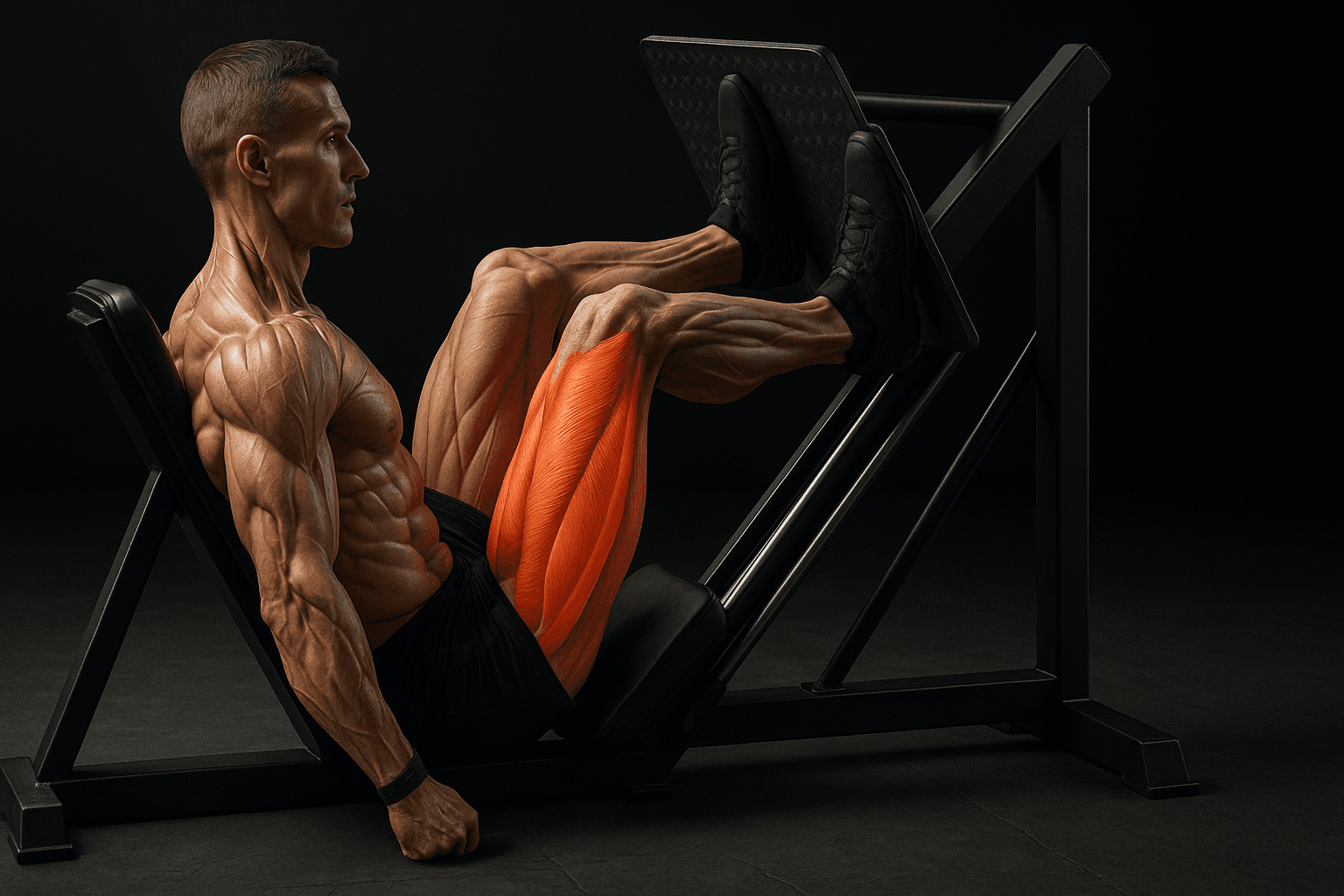
Photo by RepBro.
The most common glute kickback mistakes are using lumbar extension or momentum, insufficient hip range of motion, hip rotation or hiking, inappropriate knee/ankle position, and loading beyond control. Each reduces glute activation, slows progress, or raises injury risk. Below are causes, costs, and one clear fix each.
Why do people still mess up glute kickback form?
Many lifters treat kickbacks like a cosmetic or warm‑up movement and rush them, assume more weight equals more muscle, or don’t understand hip extension mechanics. Unlike big compound lifts, small errors here immediately turn the work into low‑back or hamstring movement, so attention to technique matters.
What are the most common mistakes and how do I fix each?
1) Using lumbar extension and momentum — why does it happen?
Why: A quick hip snap and arching the lower back feels powerful and lets you move more weight, so people substitute spinal extension for hip extension. What it costs: Reduced glute activation, higher compressive and shear forces on the lumbar spine, and poor carryover to targeted glute strength. Fix: Keep the ribcage down and core braced. Pause at the top of the rep with neutral pelvis; perform slow eccentrics (2–3 seconds lowering) so the glutes must control the movement.
2) Not using full hip extension (short range of motion) — why does it happen?
Why: People stop the leg too early, either from fear of strain or misunderstanding the cue; some use too much knee bend so the glute never reaches its long/short length. What it costs: Less mechanical tension across the glute maximus, which reduces hypertrophic stimulus and limits strength improvements in hip extension. Fix: Focus on driving the heel toward the ceiling and squeezing the glute at the end range. Use lighter resistance and a slow tempo to feel a clear contraction. Pause and hold 1 second at full extension.
3) Hip rotation or hiking the pelvis — why does it happen?
Why: When one side tires, the body compensates by rotating the hips, shifting load to the hamstrings, or hiking the pelvis to get more range. What it costs: Uneven muscle development, reduced target muscle tension, and potential strain on the lumbar spine and obliques. Fix: Anchor the hips. Place one hand on the working-side hip to feel movement. Use a band or cable for resistance that you can control for 8–20 reps, and reduce the load if the hips start to shift.
4) Excess knee bend or poor shank/foot positioning — why does it happen?
Why: Incorrect knee angle or allowing the foot to flex/point inconsistently changes muscle emphasis toward hamstrings or calves. What it costs: The glute may be underloaded; hamstrings can dominate and limit glute hypertrophy or strength gains. Fix: Decide your cue: for glute-max emphasis, keep a slight knee bend (~15–30°) and press through the heel/sole rather than the toes. Experiment with foot angle (neutral or slightly externally rotated) until you feel glute contraction.
5) Using too much weight or resistance — why does it happen?
Why: Ego, or the belief that heavier always equals better. When resistance exceeds control, form collapses into momentum or compensation. What it costs: Little effective tension on the glute, increased injury risk, and wasted effort. Fix: Drop the load so you can perform controlled, full‑range reps with a deliberate 1–2 second pause at peak contraction. Progress by increasing reps, sets, or time‑under‑tension before adding weight.
6) Poor neck and torso positioning — why does it happen?
Why: Looking up or craning the neck is common when set up on hands and knees or when using a bench, which disrupts the spinal neutral position. What it costs: Neck strain and a cascade of compensations through the thoracic and lumbar spine that reduce glute focus. Fix: Keep the head in line with the spine; look down at the floor or a fixed point a short distance ahead. Maintain a neutral spine and braced core throughout the set.
How do these mistakes compare at a glance?
| Mistake | Immediate cost | Quick corrective action |
|---|---|---|
| Lumbar extension/momentum | Low‑back load; poor glute activation | Slow reps, brace core, pause at top |
| Short ROM | Less glute tension | Drive heel up, squeeze at end |
| Hip rotation/hiking | Uneven development | Hand on hip, reduce load |
| Wrong knee/foot position | Hamstring dominance | Slight knee bend, press through heel |
| Too much resistance | Compensation, injury risk | Reduce load, increase control |
| Poor head/torso alignment | Neck/back strain | Keep neck neutral, gaze down |
How should I progress glute kickbacks without losing form?
Use progressive overload principles: increase reps, sets, time‑under‑tension, or resistance gradually while maintaining perfect form. Typical practice is 2–3 glute‑focused sessions per week alongside compound lifts. For control and hypertrophy, work in ranges of roughly 8–20 reps and 2–4 sets, adjusting based on recovery and overall program load.
Safety note: Stop if you feel sharp joint pain. If you have pre‑existing back, hip, or knee issues, consult a qualified professional before changing your program. This article does not diagnose conditions or guarantee injury prevention.
What can’t an app or article do for your form?
Limitations
- No app or article can see the subtle compensations your body makes in real time; video feedback or a qualified coach is valuable.
- For injuries or rehabilitation you need assessment from a health professional (physio or physician).
- Techniques and progressions only work if you consistently apply them; adherence and recovery are decisive.
If you want to self‑check form, record sets from two angles (sagittal and posterior), compare to the cues above, and consider short video reviews from a certified coach. Small, consistent improvements in control and range will yield better glute development and lower injury risk over time.
Frequently asked questions
- What is the single most common form error during glute kickbacks?
- The most common error is driving the leg with the lower back and momentum instead of isolating hip extension. Lifters overextend the lumbar spine or thrust with the torso, which reduces glute activation and increases low‑back load. Slow, controlled hip extension with a braced core fixes this.
- Will glute kickbacks build my glutes as well as squats?
- Kickbacks are a targeted hip‑extension exercise that can improve glute activation and shape, but compound lifts like squats and deadlifts load more muscle groups and typically allow heavier progressive overload. Use kickbacks as an accessory to complement, not replace, compound lifts.
- How many reps and sets should I do for glute kickbacks?
- Aim for 2–4 sets of 8–20 reps per side depending on load and goal: lower reps with heavier resistance for strength, higher reps with lighter resistance for hypertrophy and activation. Train glute exercises 2–3 times per week, allowing recovery between sessions.