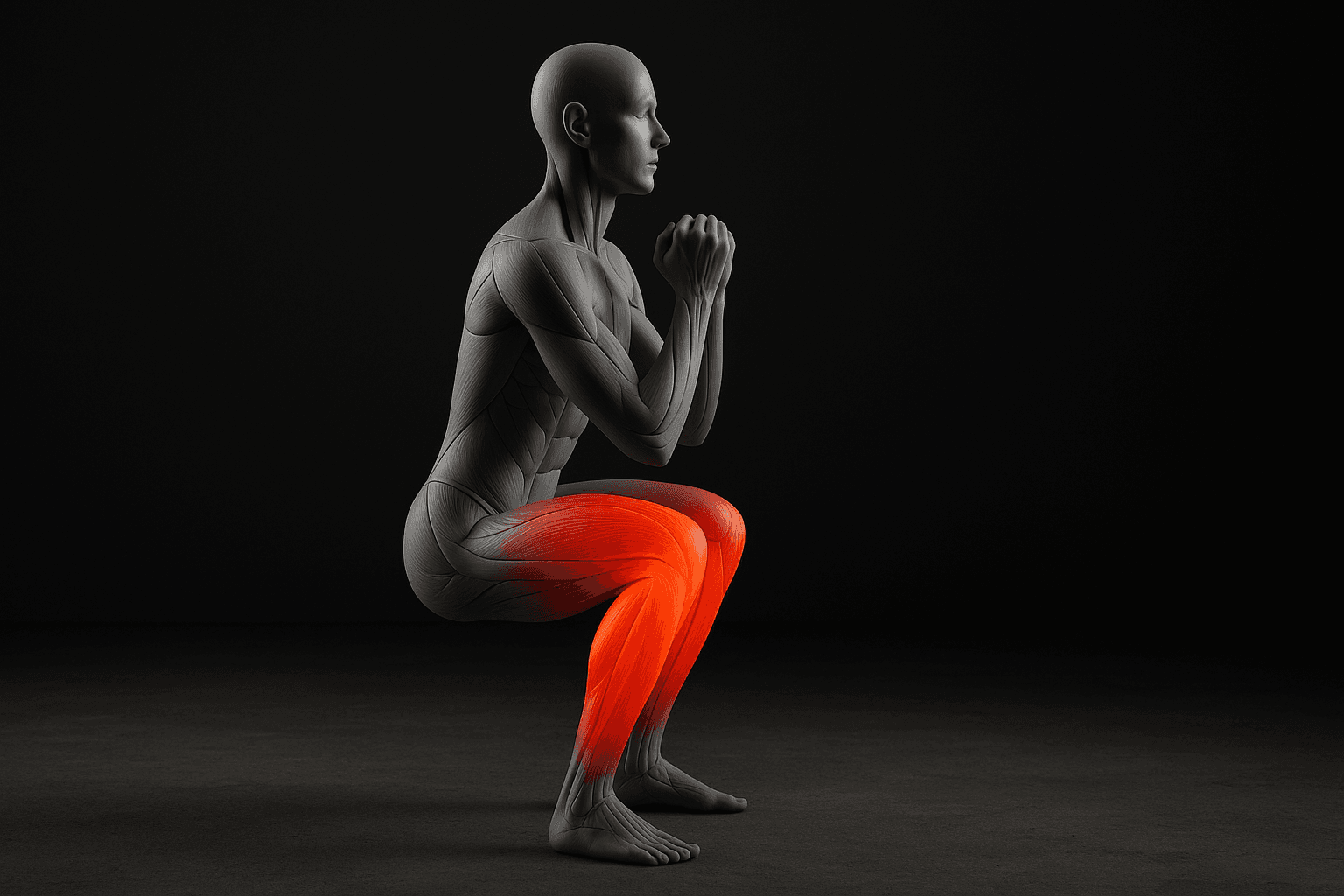
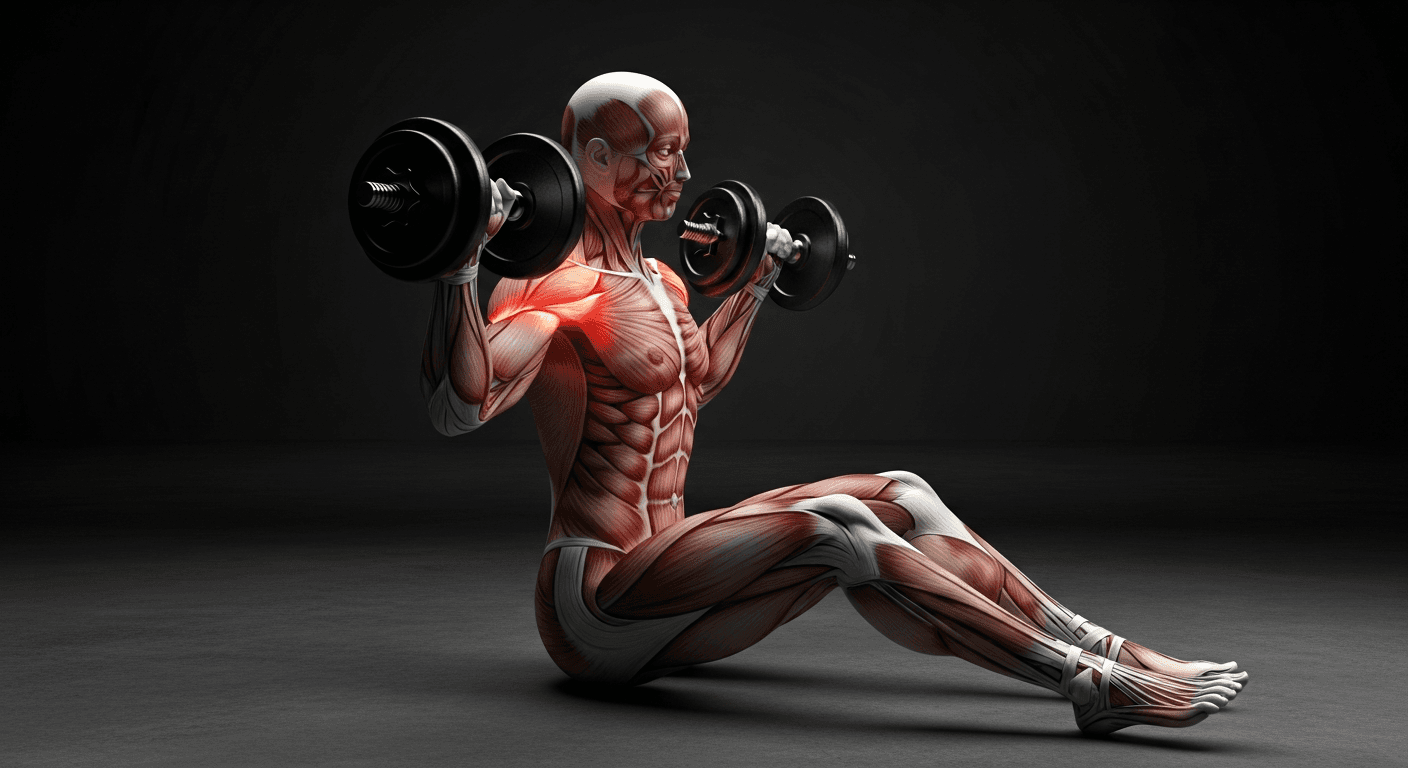
How Many Sets and Reps for the Goblet Squat (by goal, with progression rules)
Clear, evidence-consensus set/rep ranges for goblet squats by goal (strength, hypertrophy, endurance), how to progress week-to-week, and when to add weight vs reps.
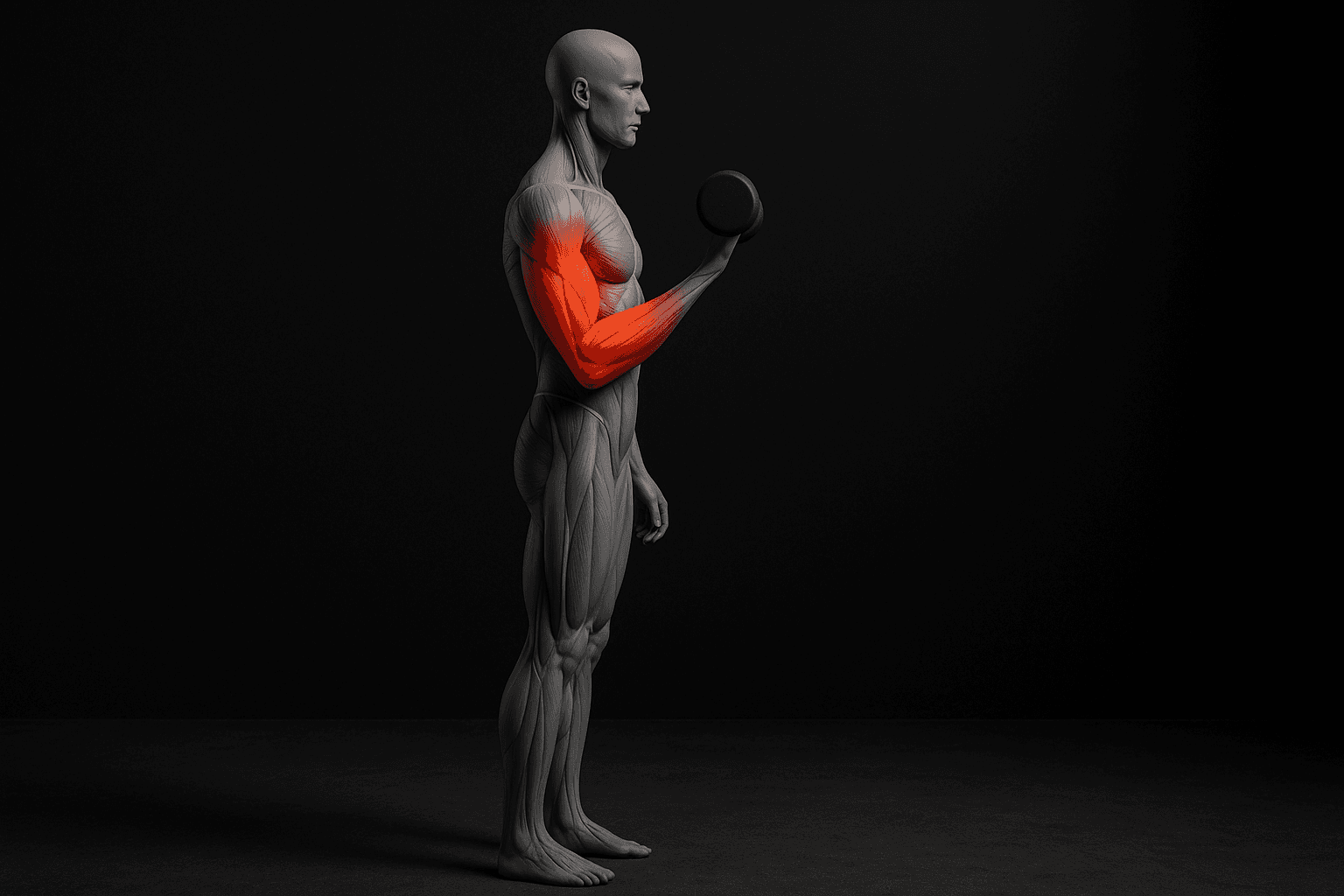
Photo by RepBro.
How many sets and reps for the goblet squat?
For most lifters: choose sets/reps by goal. Strength: 3–6 sets of 3–6 reps; hypertrophy: 3–5 sets of 6–12 reps; endurance: 2–4 sets of 12–20+ reps. Train the movement 2–3 times per week, progress reps first, add weight when top reps are consistently easy.
Why do rep and set recommendations change by goal?
Different adaptations respond to different loading and volume characteristics. Consensus guidance from major organizations (for example ACSM and strength-coach practice summarized by NSCA principles) places heavier loads and lower rep ranges toward strength, moderate loads and moderate reps toward hypertrophy, and lighter loads with higher reps toward endurance. Choose the range that matches the adaptation you want and structure session volume to hit weekly targets for the muscle groups involved.
How many sets and reps should I do for strength with the goblet squat?
- Recommended per-session: 3–6 sets of 3–6 reps.
- Frequency: 2–3 sessions per week for lower-body strength work.
Notes: the goblet squat is limited by how heavy you can comfortably hold a single kettlebell or dumbbell. If you can’t reach lower-rep strength ranges with meaningful load, prioritize other strength variations (barbell front/back squat). Use longer rests (2–3 minutes) between heavy sets.
How many sets and reps should I do for hypertrophy (muscle growth)?
- Recommended per-session: 3–5 sets of 6–12 reps.
- Frequency: 2–3 sessions per week for the squat movement or per muscle group.
Notes: hypertrophy is driven by weekly volume (total sets x reps x load). Aim to accumulate 10–20+ sets per muscle group per week across exercises. If goblet squats are a primary quad/hip developer in your program, target the higher end of weekly sets.
How many sets and reps should I do for muscular endurance?
- Recommended per-session: 2–4 sets of 12–20+ reps.
- Frequency: 2–4 sessions per week depending on conditioning goals.
Notes: shorter rest (30–90 seconds) and slightly higher tempo can help endurance adaptations. Use this range for conditioning or when using goblet squats as a metabolic tool.
Quick comparison: sets and reps by goal
| Goal | Sets per session | Reps per set | Frequency (per week) | Rest between sets |
|---|---|---|---|---|
| Strength | 3–6 | 3–6 | 2–3 | 2–3 min |
| Hypertrophy | 3–5 | 6–12 | 2–3 | 60–120 sec |
| Endurance | 2–4 | 12–20+ | 2–4 | 30–90 sec |
How should I progress the goblet squat week-to-week?
Follow a simple progression hierarchy (volume before load):
- Progress reps first: increase reps within your target range each week until you hit the upper bound.
- When you hit the top of the range for two consecutive sessions with good form, add load.
- If adding load is too large a jump (common with kettlebells), consider microloading (smaller weight increments), two-hand dumbbell holds, or add an extra set instead.
- Periodically reduce volume or intensity (a planned deload) after 3–8 weeks of steady progression depending on overall fatigue and performance.
Practical example (hypertrophy): goblet squat 4 sets x 8 reps at 20 kg (44 lb). Week 1: 4x8. Week 2: 4x9. Week 3: 4x10. After reaching 4x12 (top of range) for two sessions, increase weight and drop to 4x8 then repeat progression.
What are clear signals to add weight vs add reps?
Add reps when:
- You complete every set at the top of your rep range for two sessions in a row with clean technique.
- RPE (rate of perceived exertion) is moderate and you have 1–3 reps in reserve.
Add weight when:
- You’ve reliably hit the top rep target across two consecutive sessions without form breakdown.
- You need increased mechanical tension and the weight jump is manageable.
Hold off on adding weight if:
- Your posture, knee tracking, or depth degrades.
- You experience unusual joint soreness or sharp pain.
If weight increments are large and disrupt form, prefer microprogressions: extra reps, extra sets, slower tempo, or partial range for overload.
How many weekly sets of goblet squats should I aim for?
Think in weekly sets per muscle group rather than per exercise. For quadriceps and glutes, aim for the 10–20+ sets-per-week range commonly recommended for hypertrophy; adjust lower for beginners and higher for more advanced lifters. Spread sets across 2–3 sessions to support recovery and technique practice.
What about tempo, rest, and set structure?
- Tempo: control the descent (1–3 seconds) and a purposeful drive up; slower eccentrics increase time under tension.
- Rest: longer for strength (2–3 minutes), shorter for hypertrophy and endurance (60–120 or 30–90 seconds respectively).
- Variations: pause reps, slower eccentrics, or partials are progression tools when weight options are limited.
Safety and practical form notes
Stop if you feel sharp or unusual pain; consult a qualified professional for persistent issues. Maintain an upright torso, drive through heels/midfoot, keep knees tracking over toes, and hold the weight close to your chest to avoid excessive lumbar rounding. These are general cues—no text can replace in-person feedback.
Limitations: what this guidance and apps can't do
No article or app can see your real-time form, diagnose injuries, or tailor exercise selection to medical needs. Remote programs can't account for daily recovery, movement-specific faults, or structural limitations the way an in-person coach or physiotherapist can. Consistency, accountability, and real coaching feedback matter more than the specific app you use. If you have pain, structural concerns, or recent injuries consult a qualified professional.
If you want simple tracking of sets, reps and progressive steps, tools like RepBro can help log progress, but they don’t replace a coach for form correction.
Bottom line
Select sets and reps according to your goal: strength (3–6 reps), hypertrophy (6–12 reps), endurance (12+ reps). Train the movement 2–3 times per week, progress reps first, and add weight when you consistently hit the top rep range with good technique. Prioritize weekly volume for growth, adequate rest for strength, and stop for sharp pain or form breakdown.
Frequently asked questions
- How many sets and reps of goblet squats should I do for hypertrophy?
- For hypertrophy, aim for 3–5 sets of about 6–12 reps per set, 2–3 times per week for the movement or leg musculature. Accumulate at least 10–15 weekly sets for your thighs over the week; progress by adding reps then load when top reps are easy.
- Can goblet squats build strength, and what reps/sets work best?
- Goblet squats can build strength but are load-limited by dumbbells/kettlebells. Use 3–6 sets of 3–6 reps for a strength focus, performed 2–3 times weekly. If you cannot reach low rep ranges with sufficient load, use barbell front/back squats instead.
- When should I add weight versus add reps on the goblet squat?
- First increase reps within your target range. Add weight once you can complete the top rep target with good form for two consecutive sessions. If form breaks or you fatigue early, add rest or reduce load rather than increasing reps or weight.