The Most Common Good Morning Mistakes (and How to Fix Them)
Learn the 6 most common Good Morning technique mistakes, why they happen, what they cost (lost gains or injury risk), and one concrete fix for each. Evidence-aware, practical, and safe.
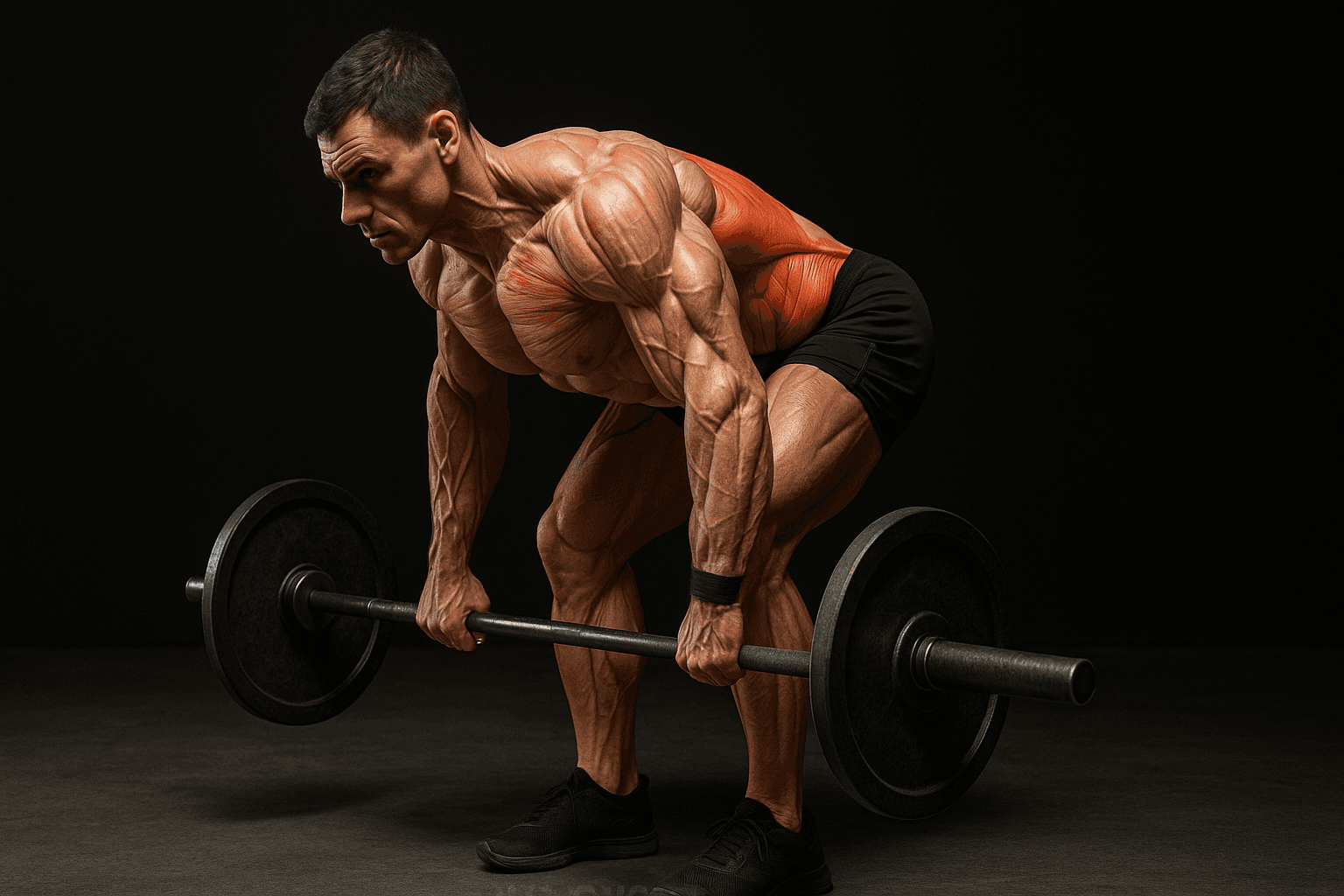
Photo by RepBro.
Answer-first
Good Mornings commonly fail through lumbar rounding, excessive knee bend, forward bar path, poor bracing, jumping to heavy loads, and uncontrolled tempo. Each error either shifts work away from the posterior chain or raises injury risk. Fixes are simple drills or setup cues you can use today.
What are the typical signs my Good Morning is wrong?
You’ll feel one of these: a pinchy lower back, the quads taking over, the bar drifting forward, your ribs flaring, or reps getting faster and sloppy. Those sensations map to technique faults: lost hip hinge, insufficient brace, or too much load for the motor pattern.
Which mistakes are most common and why do they happen?
Below are six frequent errors, why they occur, what they cost (lost gains or injury risk), and one concrete fix per mistake.
- Lumbar rounding during the descent
- Why it happens: weak brace or trying to hinge past your mobility limits; fatigue and excessive load also cause rounding.
- What it costs: increased shear stress on the spine, less tension on hamstrings/glutes, and reduced transfer to deadlift and hinge strength.
- One fix: Cue a neutral spine and practice the drill: stand with a dowel or broomstick along your back (contact at head, upper back, and sacrum) and hinge while keeping three contact points. Use a light bar until the pattern is reliable.
- Knees bend too much (turning it into a squat)
- Why it happens: misunderstanding the hip-hinge, or using the good morning as a hybrid squat when hamstrings are tight.
- What it costs: shifts demand from hamstrings to quads, reducing posterior-chain carryover and confusing motor patterns.
- One fix: Push hips back first; practice bodyweight hip-hinges to a bench: toes and knees slightly soft, sit hips back to touch bench without shifting knees forward. Add load only after mastering the pattern.
- Bar drifts forward away from mid-foot
- Why it happens: poor setup, torso angle too upright or hip hinge at the wrong joint, or a grip/setup that places the load anterior to balance.
- What it costs: increased moment arm at the lumbar spine, ankle compensation, and inefficient loading of the posterior chain.
- One fix: Set the bar so it sits over mid-foot when you start. Hinge at the hips while maintaining the bar in line with the mid-foot; think ’bar stays over the shoelaces.’
- Poor bracing and breathing
- Why it happens: not learning intra-abdominal pressure or breathing-through-the-belly; holding breath inconsistently under load.
- What it costs: torso collapse, lumbar flexion, and less force transfer; both reduce load capacity and raise injury risk.
- One fix: Inhale into the belly before the descent, brace the abs like you expect a light punch, then perform the rep while holding that brace. Exhale at the top or between reps once set is finished.
- Jumping to heavy weights too quickly
- Why it happens: chasing numbers, copying heavier athletes, or failing to progress motor control first.
- What it costs: lost skill acquisition, form breakdown, and higher acute injury risk; negates long-term strength gains.
- One fix: Use a conservative progression: practice with an empty bar or light load for multiple sessions until form is automatic, then increase load only when you can perform every rep with the correct hinge and brace.
- Reps are too fast, uncontrolled, or jerky
- Why it happens: treating Good Mornings like a warm-up exercise or using momentum to move weight.
- What it costs: reduced time under tension for the posterior chain, less eccentric control, and increased chance of form collapse.
- One fix: Slow the eccentric (2–4 seconds) with deliberate control and pause briefly at the bottom before returning. Use a tempo that forces you to feel the hamstrings and erectors working.
How can I test my hinge quickly?
A quick screening drill: stand with feet hip-width, slight knee bend, reach one hand to mid-shin while pushing hips back. If you can reach comfortably with a neutral spine while keeping load over mid-foot, your hip hinge is functional. If not, regress to glute bridges and bodyweight hip hinges.
Is there a simple comparison to spot differences between mistakes?
| Mistake | What it looks like | Primary cost | Quick fix |
|---|---|---|---|
| Lumbar rounding | Spine rounds at bottom | Increased spinal load, less posterior activation | Dowel/broomstick drill to enforce neutral spine |
| Excessive knee bend | Knees track forward; quads sore | Less hamstring/glute work | Bench hinge cue; sit hips back |
| Bar forward | Bar path anterior to foot | Larger lumbar moment arm | Start with bar over mid-foot; keep bar over shoelaces |
| Poor bracing | Ribs flare; easy collapse | Loss of rigidity; lower tolerance to load | Diaphragmatic inhale and brace before each rep |
| Too heavy | Form breaks under load | Skill loss; injury risk | Stay submaximal; progressive overload after mastering technique |
| Jerky tempo | Fast descent; momentum | Less TUT, less transfer | Slow eccentrics & brief bottom pause |
How should I progress Good Mornings without risking technique?
Train the movement 1–2 times per week within a program that balances load and recovery. Keep most working sets submaximal and focus on consistent technique before increasing load. Use accessory work—glute bridges, Romanian deadlifts, and back extensions—to build capacity for heavier loads.
If you track loads, using a simple tracker helps keep increases small and consistent—tools such as RepBro can make incremental progress and session notes easier to follow.
Safety — what should I watch for?
Stop on sharp or shooting pain. If you feel consistent pinching or neurological signs (numbness, tingling), stop loading and consult a qualified clinician. Never use a heavy max effort on a movement you’re still learning. This article does not diagnose or treat injuries.
What can't apps or AI coaching do for my Good Morning technique?
Apps and AI can track loads, offer cues, and show videos, but they cannot reliably see your exact joint angles, subtle lumbar rounding, or pain cues in real time. No app replaces an in-person assessment by a qualified coach or clinician for persistent pain, complex movement faults, or rehabilitation.
Limitations
- This guide helps identify and correct common technical errors but is not a substitute for individualized assessment.
- If you have existing spine pathology, nerve symptoms, or acute pain, see a qualified health professional before loading the movement.
- A plan only works if you progress consistently and respect recovery—consistency matters more than the specific app or program.
If you want a short checklist to carry to the gym: set bar over mid-foot, brace before you hinge, push hips back, keep a slight knee bend, control the descent, and stop if form breaks. Practice slowly and rebuild load from there.
Frequently asked questions
- Are Good Mornings safe for my lower back?
- Good Mornings can be safe when performed with a neutral spine, controlled tempo, and appropriate load. Risk increases with lumbar rounding, heavy loads without bracing, or fatigue. If you have pre-existing back pain, consult a qualified professional before loading the movement and start with bodyweight or unloaded hinge drills.
- How heavy should I go with Good Mornings?
- Prioritize technique over load. Start light enough to maintain a neutral spine and clear hip hinge for every rep—often an unloaded bar or light barbell—before adding weight. Progress gradually and keep most training sets submaximal so you preserve form and recover between sessions.
- What do Good Mornings train?
- Good Mornings primarily train the posterior chain: hamstrings, glutes, and spinal erectors, plus the core for bracing. They’re a hip-hinge dominant pattern useful for improving RDLs, deadlifts, and squat lockout strength when performed with consistent technique and appropriate loading.