Hack Squat Alternatives at Home (Minimal Equipment)
Practical, evidence-aware substitutes for the hack squat using bodyweight, dumbbells, and bands. What each preserves and loses, and when gym access matters.
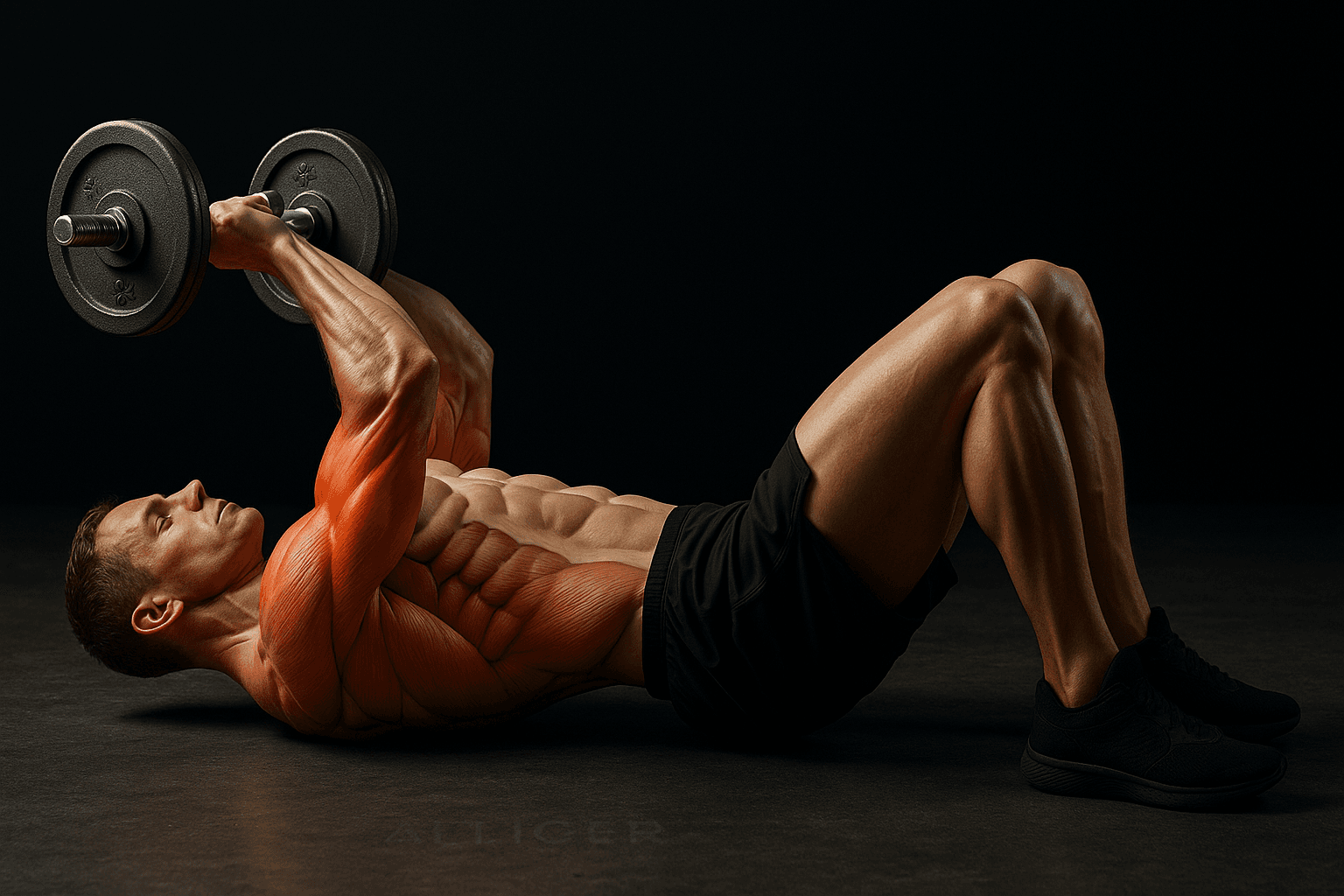
Photo by RepBro.
Yes — you can approximate the quadriceps-dominant stimulus of the hack squat at home using a mix of front-loaded squats, unilateral split variations, elevated-heel squats, band-resisted squats, and bodyweight sissy-style progressions. Each preserves some mechanical intent; choice depends on your load ceiling, balance, and whether you need absolute heavy loading.
Which at-home exercises most closely replicate the hack squat?
Here are five practical substitutes that require only bodyweight, dumbbells, or bands. For each I list what it preserves versus what it loses compared with a machine hack squat, and when the swap is adequate versus when gym access is advisable.
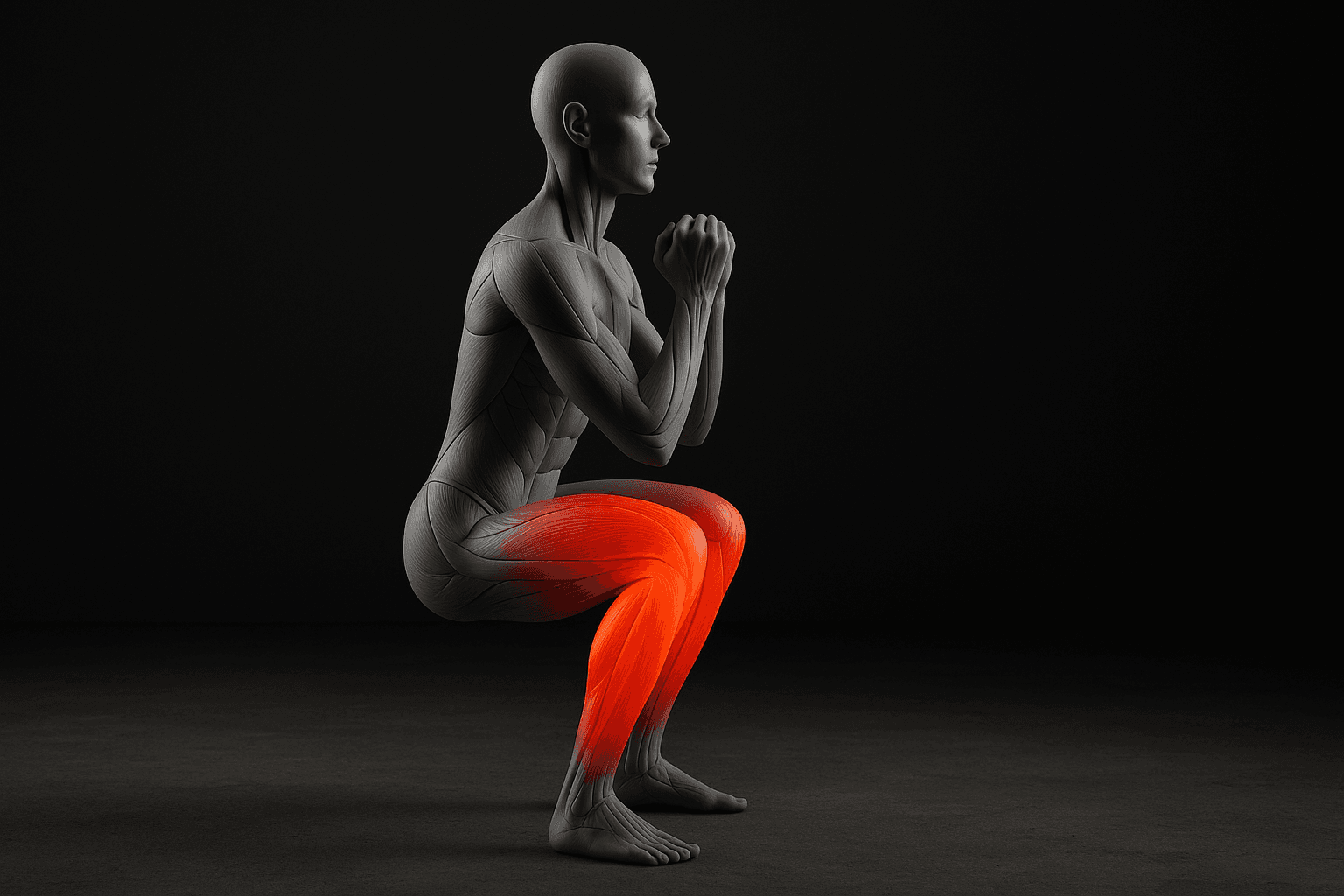
- High goblet / front-loaded dumbbell squat
- What it preserves: Upright torso, forward knee travel, strong quad emphasis. Good for teaching the same vertical shin angle and knee-dominant mechanics.
- What it loses: Absolute bilateral loading ceiling (limited by available dumbbells) and the fixed machine path that can let you load without balancing a bar or weights.
- When it’s adequate: If you can progress load or use slow eccentrics and higher volume. Choose the gym when you need sustained very heavy bilateral loading for maximal strength.
- Bulgarian split squat (rear-foot elevated)
- What it preserves: High single-leg quad loading, deep knee flexion, and the ability to overload one leg at a time to manage asymmetries.
- What it loses: Bilateral stability and the constant bilateral spinal loading that a hack squat provides. Also balance and coordination demand increases.
- When it’s adequate: For size, balance, and addressing leg imbalances. Prefer the gym if you need maximal bilateral strength carryover or very heavy sets.
- Elevated-heel front-loaded squat (heels on a small plate)
- What it preserves: Increased knee travel and quad emphasis by reducing ankle dorsiflexion limits, closer to the hack squat’s mechanics.
- What it loses: Machine stability and the ability to place high absolute loads across both legs simultaneously.
- When it’s adequate: When ankle mobility limits depth or when you want a more quad-dominant stance at home.
- Banded front squat or band-resisted squat
- What it preserves: Front-loaded position and progressive tension through the range; bands increase resistance at the top and can be paired with dumbbells for a mixed curve.
- What it loses: The more linear resistance profile of a machine; bands change the strength curve (lighter bottom, heavier top), which alters stimulus compared to a hack machine.
- When it’s adequate: For hypertrophy and variable resistance training when you lack heavy iron. Prefer gym for constant heavy resistance throughout the full range if that’s your priority.
- Sissy squat progression (bodyweight to weighted)
- What it preserves: Extremely high knee flexion and direct quad isolation similar to the hack squat’s emphasis at the knee joint.
- What it loses: Stability for very heavy loads and the ability to safely add large bilateral external loads without equipment.
- When it’s adequate: As an accessory quad-isolation tool or when load options are limited. Move to the gym if you need progressive heavy loading or a safer high-load bilateral platform.
How do these options compare side-by-side?
| Exercise | Equipment | Quad emphasis | Bilateral vs unilateral | Load ceiling | Best when |
|---|---|---|---|---|---|
| High goblet/front dumbbell squat | Dumbbell(s) | High | Bilateral | Moderate | Upright quad training without a machine |
| Bulgarian split squat | Dumbbells/bodyweight | High per leg | Unilateral | High per leg but limited total | Fixing imbalances, unilateral strength |
| Elevated-heel front squat | Dumbbells/plate | High | Bilateral | Moderate | Limited ankle mobility, quad focus |
| Banded front squat | Bands + dumbbell | Medium–High | Bilateral | Low–Moderate (band dependent) | Variable resistance and home hyptrophy work |
| Sissy squat | Bodyweight / light load | High (isolated) | Bilateral | Low | Quad isolation and accessory work |
(Use metric for plates and dumbbells according to what you own — e.g., 5–20 kg plates, 2.5–20+ kg dumbbells.)
How should I structure sets, reps, and frequency for quad growth at home?
Follow general resistance-training consensus: aim to train the legs 2–3 times per week and accumulate sufficient weekly volume for your goals. Use progressive overload — increase load, reps, or set volume over weeks. For hypertrophy, target moderate rep ranges and controlled tempo; for strength, include lower-rep heavy sets when you can safely load.
If you have limited load, increase total weekly volume, time under tension, or use unilateral exercises to maintain progressive stimulus. Monitor recovery and reduce volume or intensity when performance, sleep, or mood decline.
What safety checks should I use when substituting exercises?
- Stop on sharp or joint pain and consult a professional if pain persists.
- Prioritize technique over load: maintain an upright torso for quad emphasis and avoid deep forward knee collapse.
- Use a spotter or safety measures (wall, rail, or controlled range) when pushing near maximal loads with limited equipment.
When is it time to go to a gym for a hack squat or similar loading?
Choose the gym if any of the following apply: you need very heavy bilateral loading to progress strength, your home dumbbell/band load ceiling prevents progressive overload, or you want the stable machine pattern for managing a joint/rehab limitation. A gym also helps when coaching or advanced equipment (sled, hack machine, heavy barbells) is necessary.
What limitations should I keep in mind?
- No app or program can watch your form in real time; remote coaching and video feedback help but are not substitutes for in-person assessment when issues persist.
- If you have an injury or a specific rehabilitation need, consult a qualified clinician or physiotherapist; this article does not diagnose or prescribe rehab.
- Consistency and progressive overload drive results; the tool (bands, dumbbells, machines) matters less than applying progressive stimulus over time.
Safety note: this guidance is educational and not medical advice. Stop if you experience sharp pain; seek a qualified professional for persistent issues.
If you want structured home progressions that track volume and progression, use objective measures (load, sets, reps, RPE) and adjust weekly based on performance and recovery.
References and reading: follow contemporary resistance-training guidelines from sports science and professional bodies for frequency, progression, and monitoring. Apply conservative deloads or recovery periods when persistent fatigue, soreness, or performance declines appear.
Frequently asked questions
- Can I build quad size without a hack squat machine?
- Yes. You can stimulate quadriceps growth with high-quality, progressive loading using goblet/front-loaded squats, Bulgarian split squats, and banded squats. Match or exceed total weekly volume and load progression; if your home load ceiling is too low, gym access helps for heavier mechanical overload.
- Which single exercise most closely mimics a hack squat at home?
- A high goblet or front-loaded dumbbell squat (hold the weight high at the chest) best mimics the hack squat’s upright torso and quad emphasis. It preserves knee travel and vertical trunk but may be limited by how heavy your dumbbells are.
- How often should I train legs at home to keep progress?
- Train legs 2–3 times per week in line with standard resistance-training guidance, distributing volume across sessions. Prioritize progressive overload, recovery, and technique; take short recovery or deload periods when performance or motivation drops.