Incline Dumbbell Press Alternatives at Home (Minimal Equipment)
Five practical at-home substitutes for the incline dumbbell press using bodyweight, dumbbells, or bands—what each keeps, loses, and when to head to the gym.
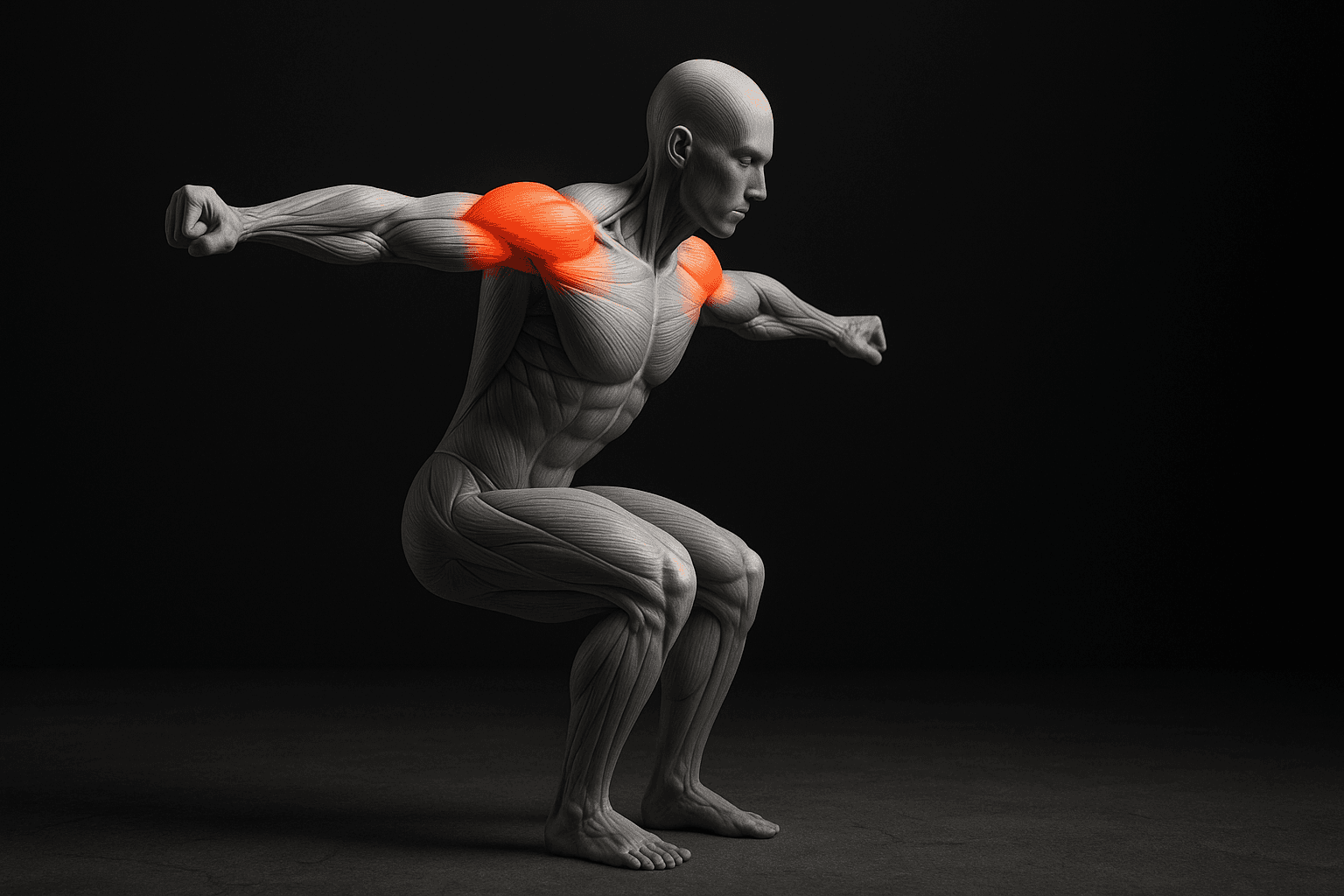
Photo by RepBro.
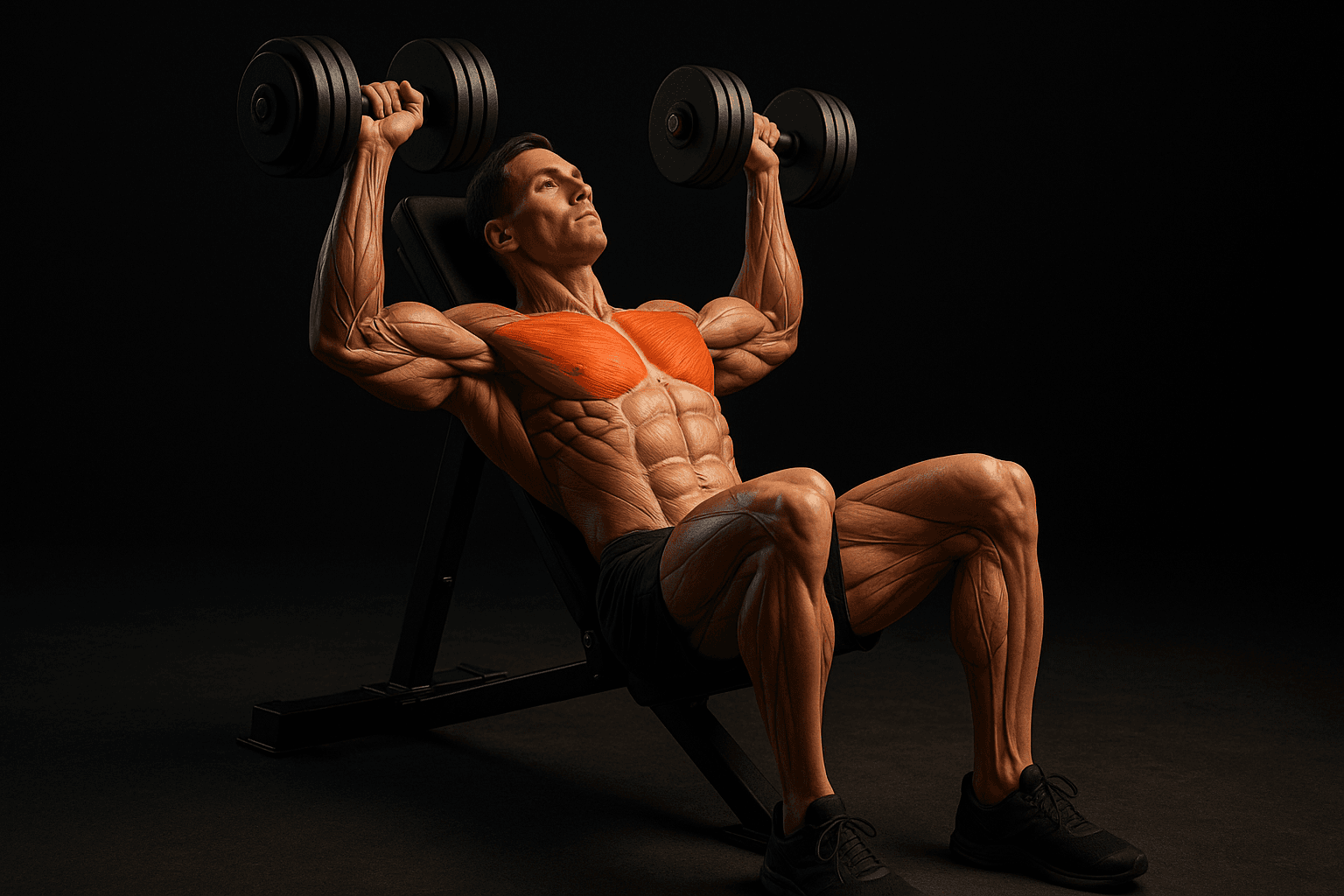
Direct answer (short): Feet-elevated push-ups, high-anchored band incline presses, seated incline-style dumbbell presses on a sturdy backrest, dumbbell floor presses, and single-arm standing chest presses reproduce most upper-chest stimulus you’d get from an incline dumbbell press. They sacrifice some absolute load and exact bench angle; use them until heavier, more specific loading is required.
What at-home exercises can replace the incline dumbbell press?
Here are five practical substitutes that work with minimal equipment (bodyweight, dumbbells, or bands). For each I note what it preserves compared with the incline dumbbell press, what it loses, and when it’s an adequate swap versus when you should seek gym equipment.
1) Feet-elevated push-up (feet on couch/bench)
- Equipment: none beyond a raised surface.
- What it preserves: pressing line that shifts load more to the clavicular head when feet are elevated; scapular control and core stability; good for high-rep hypertrophy and endurance work.
- What it loses: maximal absolute load and fine-grain progressive loading unless you add a weighted vest, weight plate, or slow tempos.
- When adequate: good for beginners and intermediate lifters focusing on volume, tempo, or unilateral variations. Sufficient when you can progressively increase reps, sets, or add external load.
- When go to gym: when you can perform high reps without meaningful challenge and need heavier progressive overload for strength/hypertrophy.
2) High-anchored band incline press (anchor above head)
- Equipment: resistance band and a high anchor point (door, beam).
- What it preserves: angle of force similar to an incline press when band starts high; allows continuous tension through the concentric range and good for unilateral work.
- What it loses: precise linear loading and maximal absolute load versus heavy dumbbells; band resistance is more variable (less bottom-end load, more top-end tension).
- When adequate: excellent for technique, volume, and for adding specific incline line or accommodating resistance. Works well for progressive resistance if you increase band thickness or sets.
- When go to gym: if you require very heavy training near maximal loads or precise linear loading for strength phases.
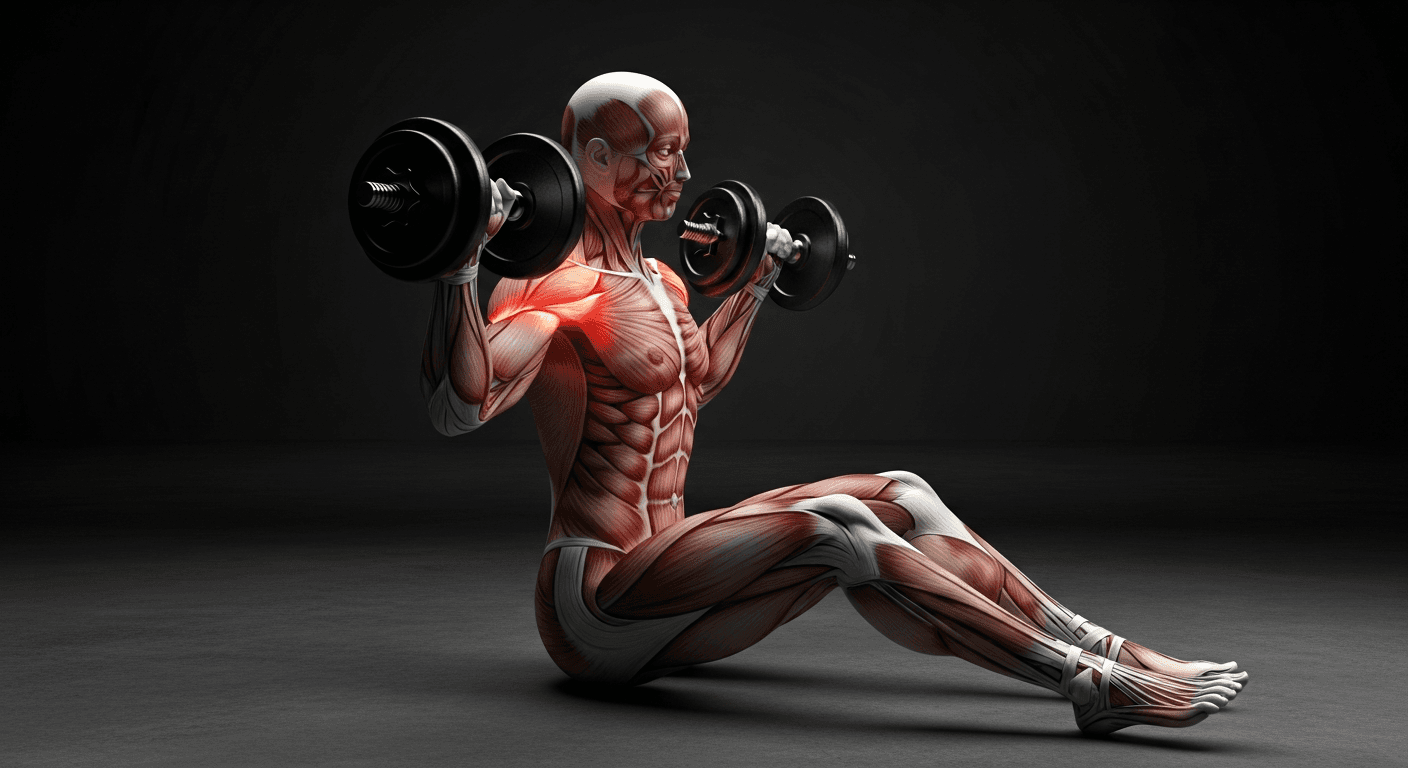
3) Seated incline-style dumbbell press using a sturdy chair or couch back
- Equipment: dumbbells and a strong backrest (high-backed chair or couch). Ensure the back support is stable and doesn’t move.
- What it preserves: similar torso angle and dumbbell path if you can create ~30°–45° recline; allows bilateral loading and conventional progressive overload if you have heavy enough dumbbells.
- What it loses: bench stability can be inferior; limited by how heavy your dumbbells are and how safe that setup feels.
- When adequate: when your home dumbbells are heavy enough and you can secure a solid backrest. Good bridge to gym-style pressing.
- When go to gym: when you can no longer incrementally overload safely at home, or your setup feels unstable.
4) Dumbbell floor press (bilateral)
- Equipment: dumbbells and a floor/mat.
- What it preserves: heavy pressing stimulus, ability to load progressively and train unilateral strength variations.
- What it loses: reduced shoulder/elbow ROM (stop on the floor), and you lose the incline angle that biases the upper chest.
- When adequate: when the priority is building pressing strength or when shoulder ROM/recovery necessitates a shorter range. Combine with other incline-biased movements for upper chest.
- When go to gym: when you need both incline-specific angle and full ROM overload simultaneously.
5) Single-arm standing chest press (band or dumbbell)
- Equipment: band or dumbbell.
- What it preserves: unilateral strength development, core anti-rotation demand, and the ability to adjust pressing line to an incline emphasis.
- What it loses: the same stable bench path and maximum loading possible on a bench; single-arm work may limit absolute chest loading per side relative to bilateral heavy pressing.
- When adequate: when you want to correct imbalances, practice unilateral control, or lack a bench but need progressive overload via bands/dumbbells.
- When go to gym: when bilateral heavy load or specific incline bench angles are necessary.
How should I program these substitutes relative to the real incline press?
Follow the same principles you’d apply to the incline dumbbell press: train chest/pressing 2–3 times per week, distribute 8–20 effective sets per week for the chest depending on your experience and recovery, and progress by increasing load, reps, sets, or improving time under tension. If your primary aim is strength, prioritize lower rep ranges with heavier loading; for hypertrophy, stay in moderate rep ranges and accumulate volume. Plan periodic deloads after several weeks of progressive loading.
Quick comparison table
| Exercise | Equipment | Preserves vs incline DB press | Loses vs incline DB press | When adequate | When go to gym |
|---|---|---|---|---|---|
| Feet-elevated push-up | None | Upper-chest bias, stability | Max load, exact angle | Volume/technique at home | Need heavier load |
| High-anchored band incline press | Band + anchor | Incline line, continuous tension | Linear heavy load control | Band progressive overload | Heavy linear loading needed |
| Seated incline on chair/couch | Dumbbells + sturdy backrest | Similar angle, bilateral loading | Bench stability, limited dumbbell mass | If setup is stable & weights suffice | When heavier/safe bench needed |
| Dumbbell floor press | Dumbbells | Heavy pressing, progressive overload | Incline angle, ROM | Strength focus or rehab | Need incline specificity |
| Single-arm standing press | Band/dumbbell | Unilateral control, adjustable angle | Max bilateral load, bench path | Fix imbalances, core demand | Need heavy bilateral incline load |
Safety notes
Stop any exercise that causes sharp joint pain. Ensure anchors and furniture are stable; use a spotter or lighter load for novel setups. Consult a qualified professional for persistent pain or if you're returning from injury. This article is informational and not a diagnosis.
Limitations — what apps and guides can’t do for you
No app or article can watch your form in real time or diagnose complex movement faults or medical issues. If you have chronic pain, a recent injury, or post-op restrictions, consult a qualified clinician or physical therapist. A program only works if you consistently execute it; accountability, recovery, and technique require human oversight more than an app alone. If you want to track progression, you can log sets and weights with tools like RepBro, but tracking alone won’t correct form.
If your home substitutes no longer progress you after intentional adjustments to volume, intensity, and frequency, a gym with an incline bench and heavier dumbbells will usually provide the most direct route to further upper-chest strength and size gains.
Frequently asked questions
- Can I build upper chest without an incline bench at home?
- Yes. Feet-elevated push-ups, high-anchored band incline presses, seated incline-style dumbbell presses (using a sturdy backrest), dumbbell floor presses, and single-arm standing presses can stimulate the clavicular (upper) head. They trade some absolute load and exact bench angle for convenience—progress with volume, reps, or added resistance.
- How often should I train pressing if I substitute incline dumbbell presses?
- Train pressing movements 2–3 times per week and distribute your weekly sets for the chest across those sessions. Aim to accumulate enough weekly volume for your goal (typical guidance for hypertrophy is on the order of several sets per muscle per week), and progressively overload by adding reps, sets, or resistance.
- When is it better to go back to the gym for an incline bench?
- Seek a gym when you need higher absolute loads, long-term heavy progressive overload, or precise bench angles for technique/rehab. If you stall despite progressive adjustments at home and shoulder mechanics are sound, accessing a bench and heavier weights can unblock further strength and hypertrophy gains.