Kettlebell Swing Alternatives at Home (Minimal Equipment)
Five practical kettlebell swing substitutes you can do at home with bodyweight, dumbbells, or bands. What each preserves and loses, and when you should return to a gym.
Photo by RepBro.
Direct answer: Use dumbbell swings, Romanian deadlifts (RDLs), banded hinge swings, single‑leg glute bridges, and explosive jumps to replace kettlebell swings at home. Each preserves hip‑hinge strength or explosive hip extension but sacrifices the kettlebell’s unique load distribution and inertia—acceptable for many goals, but not for maximal kettlebell-specific power progression.
What does the kettlebell swing actually train, and why should that inform my choice of substitute?
A kettlebell swing combines a ballistic hip hinge (power), posterior chain strength (glutes and hamstrings), core anti‑flexion/bracing, and a unique loading pattern: a heavy, rounded bell that moves between the legs and generates inertia. That mix produces transfer to sprinting, jumping, and metabolic conditioning. When choosing a substitute, ask which of those qualities you must keep: power, strength, conditioning, or motor pattern specificity.
Which bodyweight-only exercises at home best replace swings, and what do they preserve or lose?
- Single-leg glute bridge / single-leg hip thrusts
- Preserves: hip-extension strength, unilateral stability, core bracing.
- Loses: ballistic recoil and continuous external load; less conditioning stimulus unless you add tempo/volume.
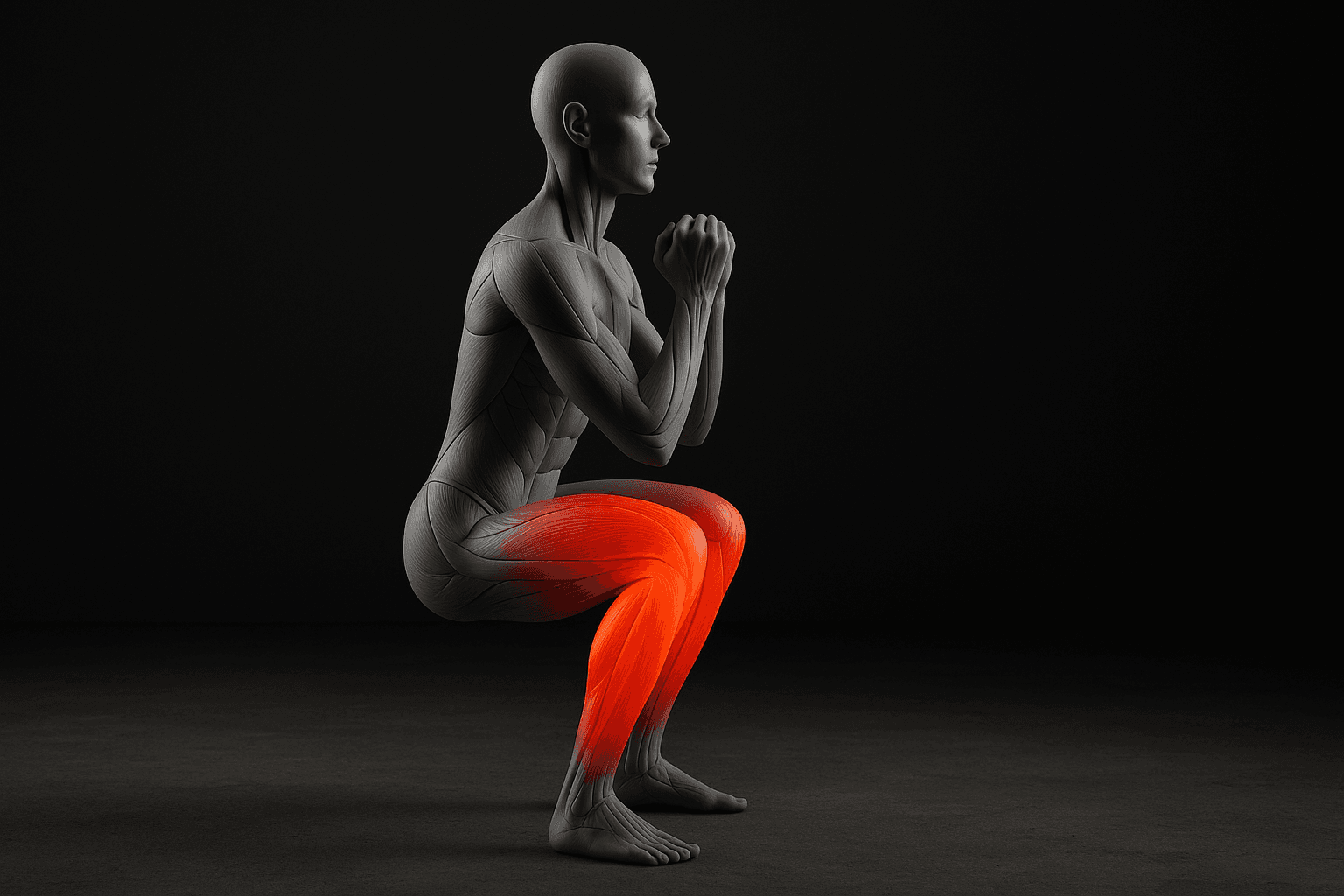
- Explosive broad jumps or squat jumps
- Preserves: hip-extension speed and power, spinal neutrality under load of movement.
- Loses: continuous posterior load and fatigue profile of repeated swings.
Use bodyweight options if you lack equipment or are rehabbing technique. Pair single-leg bridges with explosive jumps to get both strength and velocity components.
Which dumbbell options mimic kettlebell swings best at home?
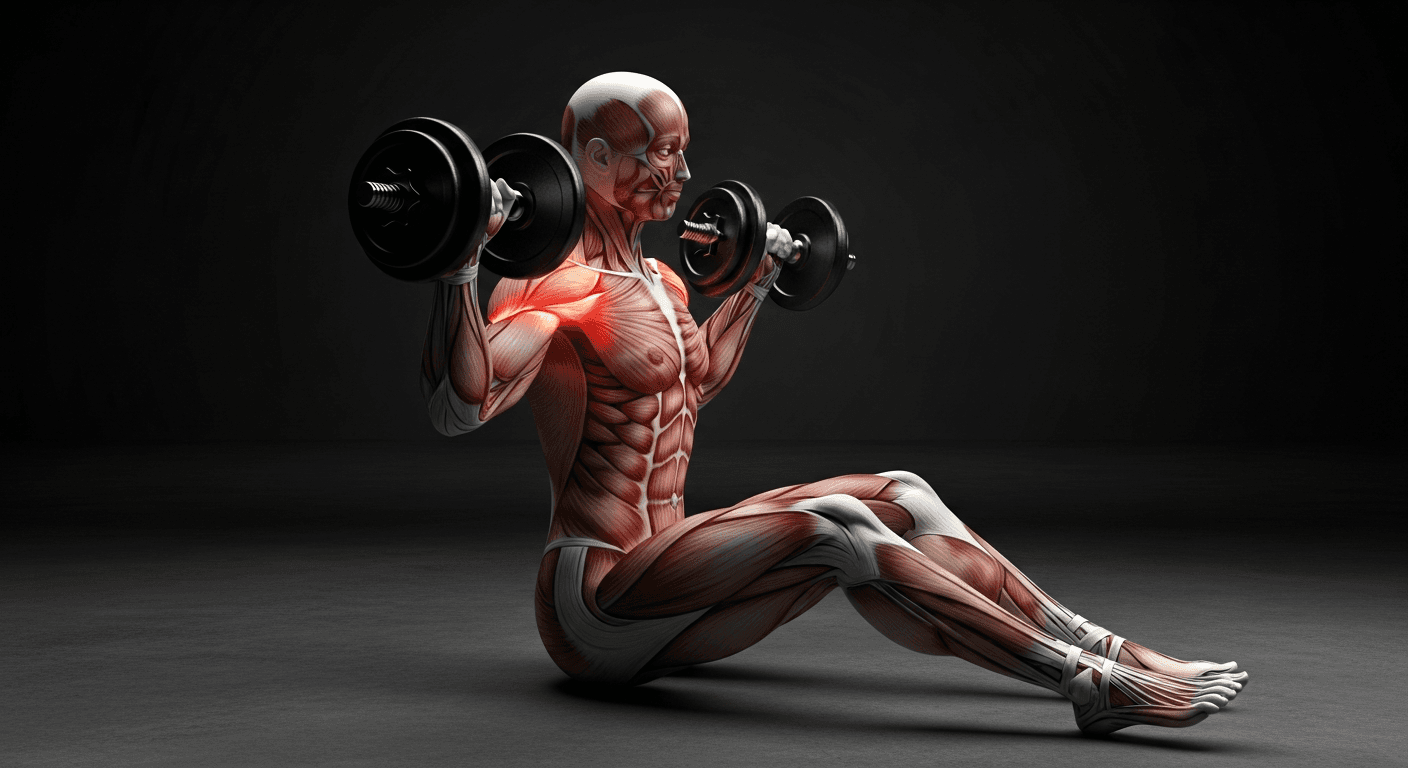
- Two‑handed dumbbell swing (hold one dumbbell vertically or by the horns)
- Preserves: hip hinge timing, ballistic hip extension, some inertia and conditioning effect.
- Loses: the kettlebell’s posterior offset feel; dumbbells can feel different in the bottom position.
- Romanian deadlift (RDL) with dumbbells
- Preserves: hamstring and glute strength and the hip‑hinge pattern. Excellent for strength progressions.
- Loses: the ballistic, elastic component unless you add a jump or speed emphasis.
Practical guidance: progress by adding small weight increments or doing interval sets (e.g., 30–60 second work bouts) for conditioning. Train 2–3 times/week and prioritize technique before adding load.
Can resistance bands approximate the swing? How well do they work?
- Banded hinge or banded “swing” (anchor band under both feet, loop around hips or hold handles)
- Preserves: progressive external resistance throughout hip extension and a tension curve that can encourage faster hip extension.
- Loses: mass-driven inertia and the off‑axis loading of a kettlebell; bands also change force direction and feel.
Bands are a lightweight, portable option that preserve movement pattern and allow high-velocity practice. Use them when you need variable resistance and cannot access dumbbells.
How should I choose among these substitutes based on my goal: strength, power, or conditioning?
- Strength/hypertrophy: prioritize RDLs, heavy single-leg bridges, and slow eccentric work with progressive overload. Train 2–3 times per week and increase load or sets gradually.
- Power: favor low‑to‑moderate loads moved quickly — dumbbell swings, banded swings, and explosive jumps. Do multiple short sets of high-quality, high-velocity reps and allow full recovery between sets.
- Conditioning/metabolic work: use higher-rep dumbbell swings, interval sets, or continuous circuits combining swings or jumps with bodyweight moves.
Quick comparison table: what each substitute preserves and loses
| Exercise | Equipment | Preserves (key) | Loses (key) |
|---|---|---|---|
| Two‑handed dumbbell swing | Dumbbell | Hip hinge timing, ballistic hip extension, conditioning | Exact kettlebell inertia and handle feel |
| Romanian deadlift (RDL) | Dumbbells | Posterior chain strength, progressive overload | Ballistic velocity unless modified |
| Banded hinge / banded swing | Resistance band | Movement pattern, variable tension, high-velocity practice | Free mass inertia, same load quantification |
| Single‑leg glute bridge / thrust | Bodyweight / bench | Unilateral strength, glute activation | Continuous external load and ballistic element |
| Explosive broad/vertical jumps | Bodyweight | Rate of force development and hip power | Posterior chain sustained loading and grip demand |
When is a home swap adequate, and when should I go to a gym?
A home substitute is adequate if: you can load the movement progressively, maintain clean hip-hinge mechanics, and your goal is strength, general power, or conditioning. Consider returning to a gym when: you need heavier loads than your equipment allows, you want to progress kettlebell-specific ballistic skill at maximal loads, or you require specialist coaching or calibrated increments.
If you’re unsure about technique, a few coached sessions (in person or via video review) are worth the investment before increasing load.
Safety notes
Stop immediately on sharp or unusual joint pain. Warm up with hip‑hinge drills (banded pull‑throughs, RDLs), and learn to brace your core before adding speed or weight. Consult a qualified professional for persistent pain or rehabilitation guidance. This article does not diagnose injuries or promise prevention of injury.
Limitations — what apps and AI coaching cannot do for you
No app or AI can reliably see and correct your live movement in all contexts; video feedback from a qualified coach is superior. Apps cannot replace a clinician for injury diagnosis or a physical therapist for rehabilitation. Finally, even the best program only works if you do it consistently — adherence and progressive overload are the practical limits.
If you want structured at-home sessions that emphasize technique, progressive overload, and simple substitutions for unavailable equipment, look for programming that includes clear cues, regressions, and progressions.
References and practical next steps: prioritize mastering the hip hinge, choose one or two substitutes (one for strength, one for power), train them 2–3 times per week, and increase load/volume by small increments while keeping perfect form.
Frequently asked questions
- Can I replace kettlebell swings at home and keep the same benefits?
- Short answer: often yes for strength, hypertrophy, and conditioning, but not always for kettlebell-specific load distribution or maximal ballistic power. Use weighted RDLs, dumbbell swings, banded hinges, single-leg glute work, and explosive jumps to cover most adaptations; return to a gym if you need heavier ballistic loading.
- How often should I train hip-hinge power or conditioning at home?
- Train hip-hinge power or conditioning 2–3 times per week with at least 48 hours between focused sessions. Prioritize technique work each session, and progress load or volume by about 5–10% every 1–2 weeks if form stays solid and fatigue is managed.
- Which home alternative is closest to the kettlebell swing for conditioning and power?
- A two-handed dumbbell swing (or clean-and-swing) is the closest single-item substitute: it preserves the hip-hinge motor pattern and allows similar ballistic timing. If you lack adequate dumbbell weight, banded hinge swings plus explosive broad jumps are a practical two-part substitute.