Landmine Press: Muscles Worked and Best Alternatives
Clear, evidence-aware guide to the landmine press: which muscles it trains, where it fits in a program, programming notes, safety, and 3–4 practical alternatives with when to choose them.
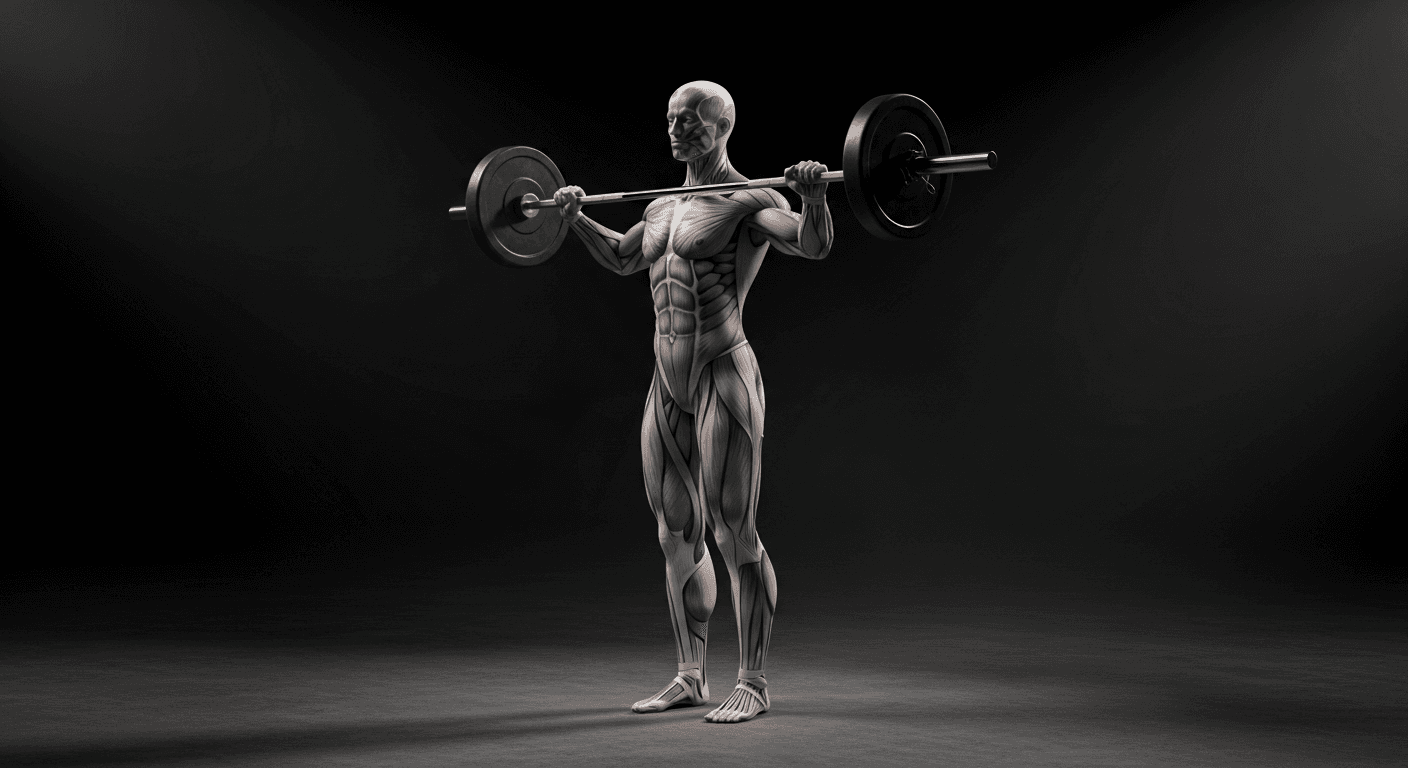
Photo by RepBro.
The landmine press predominantly trains the anterior deltoid and upper chest, with meaningful triceps and serratus anterior contribution; it also demands anti-rotation core stability and scapular control, especially in single-arm variations.
Which muscles does the landmine press train (primary and secondary)?
Primary muscles
- Anterior deltoid: the main mover through the pressing arc.
- Clavicular head of pectoralis major (upper chest): accentuated by the diagonal/forward press path.
- Triceps brachii: elbow extension during the press.
Secondary and stabilizers
- Serratus anterior and scapular stabilizers: drive and control scapular protraction and upward movement.
- External/internal rotators of the shoulder (rotator cuff): isometrically control the joint.
- Core (obliques and rectus abdominis): anti-rotation demand increases with unilateral work.
- Latissimus dorsi and posterior shoulder: assist with stabilization during the arc.
Note: two-handed landmine press spreads load bilaterally and reduces core anti-rotation demand; single-arm landmine press increases unilateral shoulder and core load.
How does the landmine press fit into a training program?
Role: accessory vertical/horizontal hybrid press
- Use as an accessory for upper-body pressing strength, a safer alternative for painful shoulders, or a tool for unilateral balance and core anti-rotation training.
- Place it on a push day or upper-body session. It can be a main press for novice lifters with limited equipment or an assistance exercise after heavier barbell/dumbbell pressing.
Programming guidance (evidence-aligned principles)
- Frequency: 1–3 sessions per week depending on overall shoulder/chest frequency and recovery.
- Volume: fit the landmine press into your weekly shoulder/chest set totals. Systematic reviews suggest 10–20 sets/week per muscle group for hypertrophy is reasonable; allocate a portion of that to landmine work based on priority.
- Reps and intensity: use 6–12+ reps for hypertrophy and 3–6 reps for strength when using heavier, controlled variants. Progressive overload (increasing load, reps, or quality over time) is essential.
- Progression: increase load or reps gradually, maintain technique, and deload when cumulative fatigue impairs movement quality.
What are the main benefits and limitations of the landmine press?
Benefits
- Neutral/semi-rotated grip and diagonal path often reduce shoulder impingement stress for lifters who struggle with straight overhead presses.
- Strong anti-rotation/core demand in single-arm work improves unilateral stability and core integration.
- Easy to scale and learn; useful with limited equipment (barbell and plates).
Limitations
- Less pure vertical torque than a strict overhead press, so it transfers imperfectly to heavy overhead strength.
- Load vector differs from classic barbell/dumbbell presses, so it shouldn't fully replace those variations if your goal is maximal overhead strength.
What are solid alternatives and when should I pick each?
Comparison table
| Exercise | Main muscles targeted | Equipment | Shoulder stress | Core demand | When to pick it |
|---|---|---|---|---|---|
| Barbell overhead press | Anterior/medial delts, triceps | Barbell/rack | Higher vertical/rotational demand | Moderate | If you want raw vertical pressing strength or train for overhead lifts |
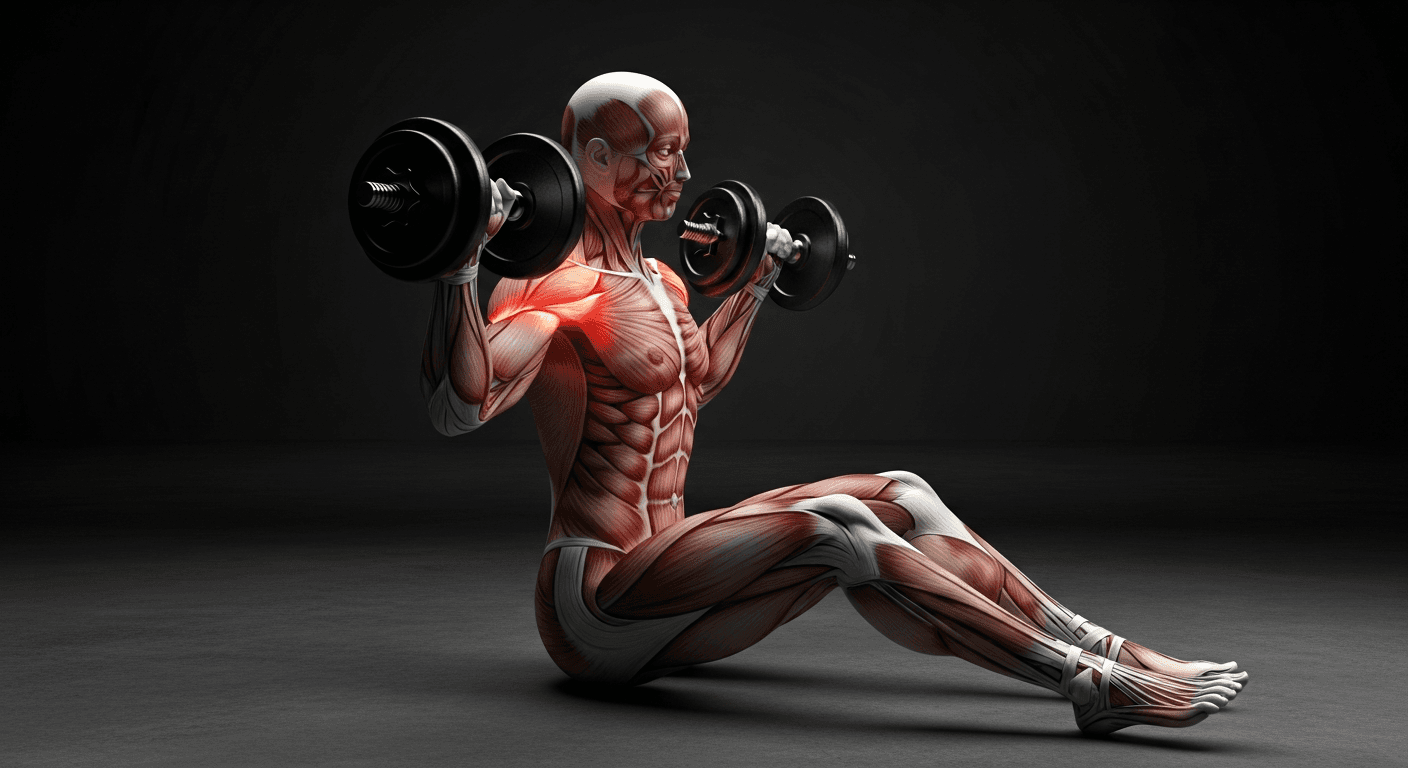
| Dumbbell seated/neutral press | Delts, upper chest, triceps | Dumbbells/bench | Lower rotational torque with neutral grip | Moderate | If you have shoulder pain with barbell OHP, want unilateral control and balanced strength |
| Single-arm cable press | Chest/deltoid, triceps, serratus | Cable machine | Very low joint shock; adjustable line of pull | High (depending on stance) | If you need constant tension, rehab-friendly progression, or fine-tuned angle work |
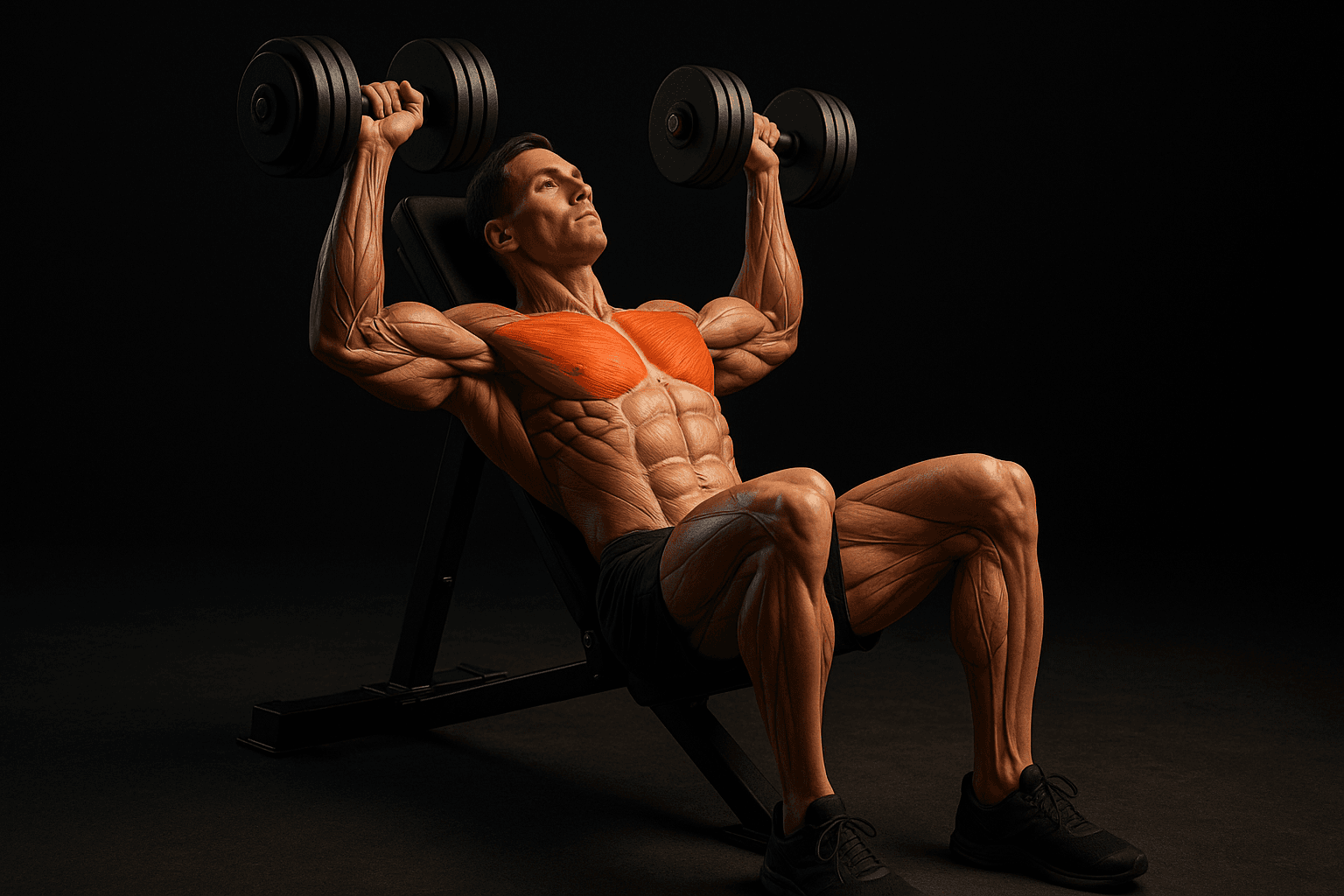
| Incline dumbbell or barbell press | Upper chest, anterior delts, triceps | Bench/barbell/dumbbells | Variable; often shoulder-friendly | Low–moderate | If your goal is upper chest hypertrophy and horizontal pressing strength |
When to choose each
- Choose barbell OHP when your priority is maximal vertical pressing strength or competition-style overhead work.
- Choose dumbbells (seated or neutral) when you want to reduce rotational stress and address bilateral imbalances.
- Choose cables if you lack heavy weights, need graded rehab progressions, or want constant tension and varied line of pull.
- Choose incline presses if the primary goal is upper chest development rather than core anti-rotation or unilateral stability.
What are the typical progressions and how do I avoid plateaus?
- Vary range and load: progress from two-handed to single-arm landmine work, then increase load or reps.
- Change tempo and volume: add slow eccentric phases or higher-rep sets for hypertrophy, or heavier low-rep sets for strength.
- Integrate complementary lifts: rotate landmine presses with dumbbell presses or barbell OHPs over mesocycles to avoid accommodation.
- Monitor recovery: adjust frequency and weekly volume if you notice persistent fatigue, loss of performance, or soreness that interferes with training quality.
What are the safety considerations?
- Stop on sharp or unusual pain and consult a qualified professional for persistent issues.
- Use controlled movement; avoid sharp torso twisting under load.
- Warm up the shoulder with mobility and activation drills before heavy landmine work.
- If you have a history of shoulder instability or recent injury, get clearance from a clinician and start with low loads or cable-based progressions.
What can’t an app or AI coaching do for your landmine press progress?
- No app or AI can reliably see and correct your movement faults in real time; human observation by a qualified coach or clinician matters for complex form issues.
- Programs can’t replace consistent training and progressive overload; adherence and recovery determine adaptation.
- Only a medical professional can diagnose injuries or prescribe rehabilitation — use apps for guidance, not medical care.
Limitations
- This article synthesizes common, evidence-aligned practice but does not replace personalized coaching or medical advice. Individual anatomy, injury history and recovery capacity change how an exercise should be prescribed. If you have persistent pain or a recent injury, consult a qualified clinician or a certified strength coach for assessment and a tailored plan.
Safety reminder
- Always stop if you feel sharp pain. Progress load gradually and seek professional supervision for significant pain, instability or post-surgery rehabilitation. This guidance is educational and not a medical diagnosis.
If you want structured progression templates for integrating landmine presses into hypertrophy or strength blocks, consider working with a certified coach who can assess technique and recovery capacity.
Frequently asked questions
- What muscles does the landmine press primarily train?
- The landmine press primarily targets the anterior deltoid and upper chest (clavicular pecs), with substantial triceps involvement. It also taxes the serratus anterior, obliques and anti-rotation core muscles, and scapular stabilizers. Unilateral variations increase core and unilateral shoulder demand.
- Is the landmine press good for shoulder pain or rehab?
- The landmine press can be shoulder-friendly because of its arcing, semi-neutral path that reduces external rotation and impingement stress for many lifters. Use it cautiously: stop on sharp pain, consult a clinician for persistent issues, and progress load gradually under professional guidance.
- How often should I include landmine presses in my program?
- Include the landmine press 1–3 times per week as an accessory or primary upper-body press depending on goals. For hypertrophy use moderate reps and progressive overload; for strength use heavier loads and lower reps. Adjust weekly volume to fit total shoulder/chest work.