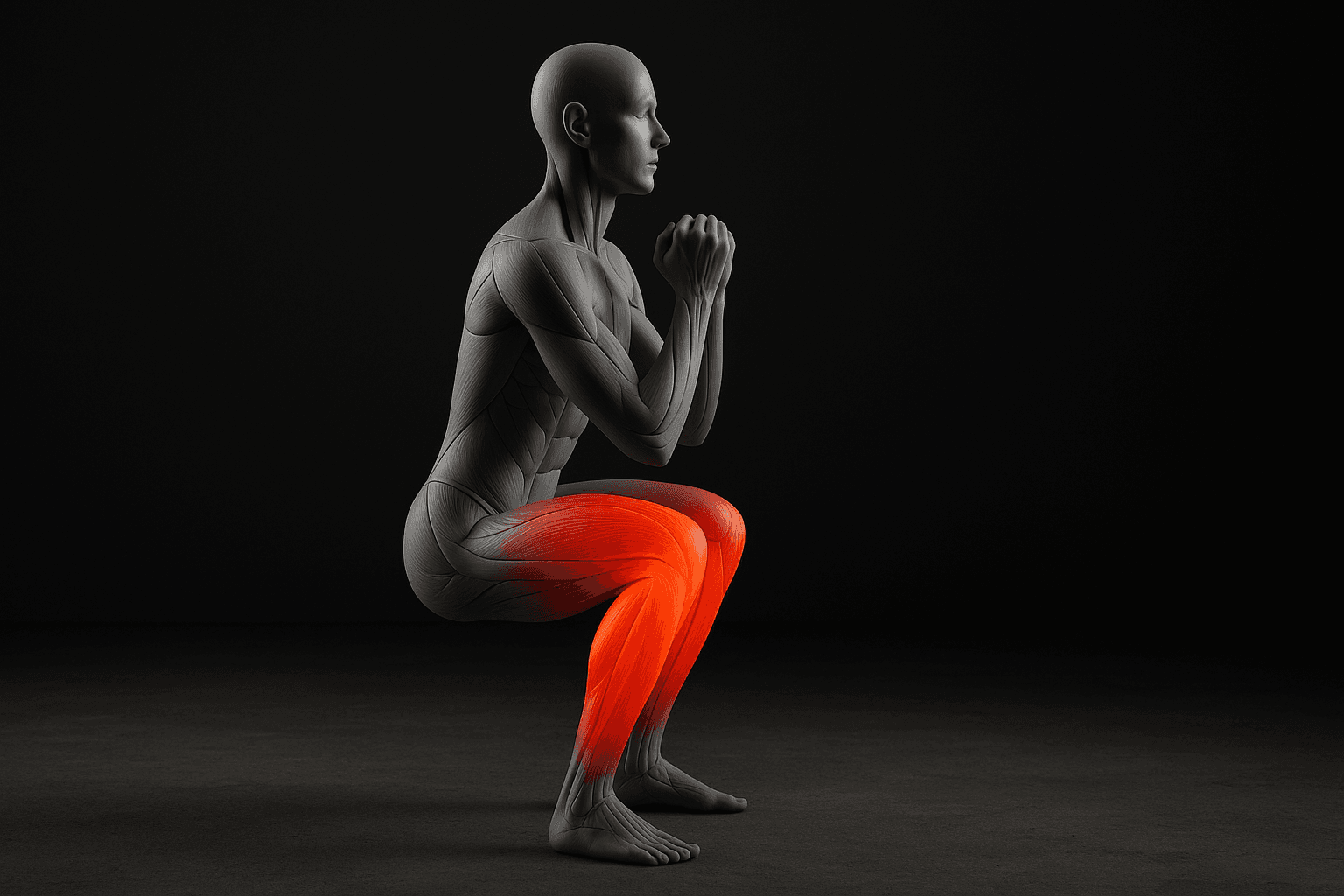
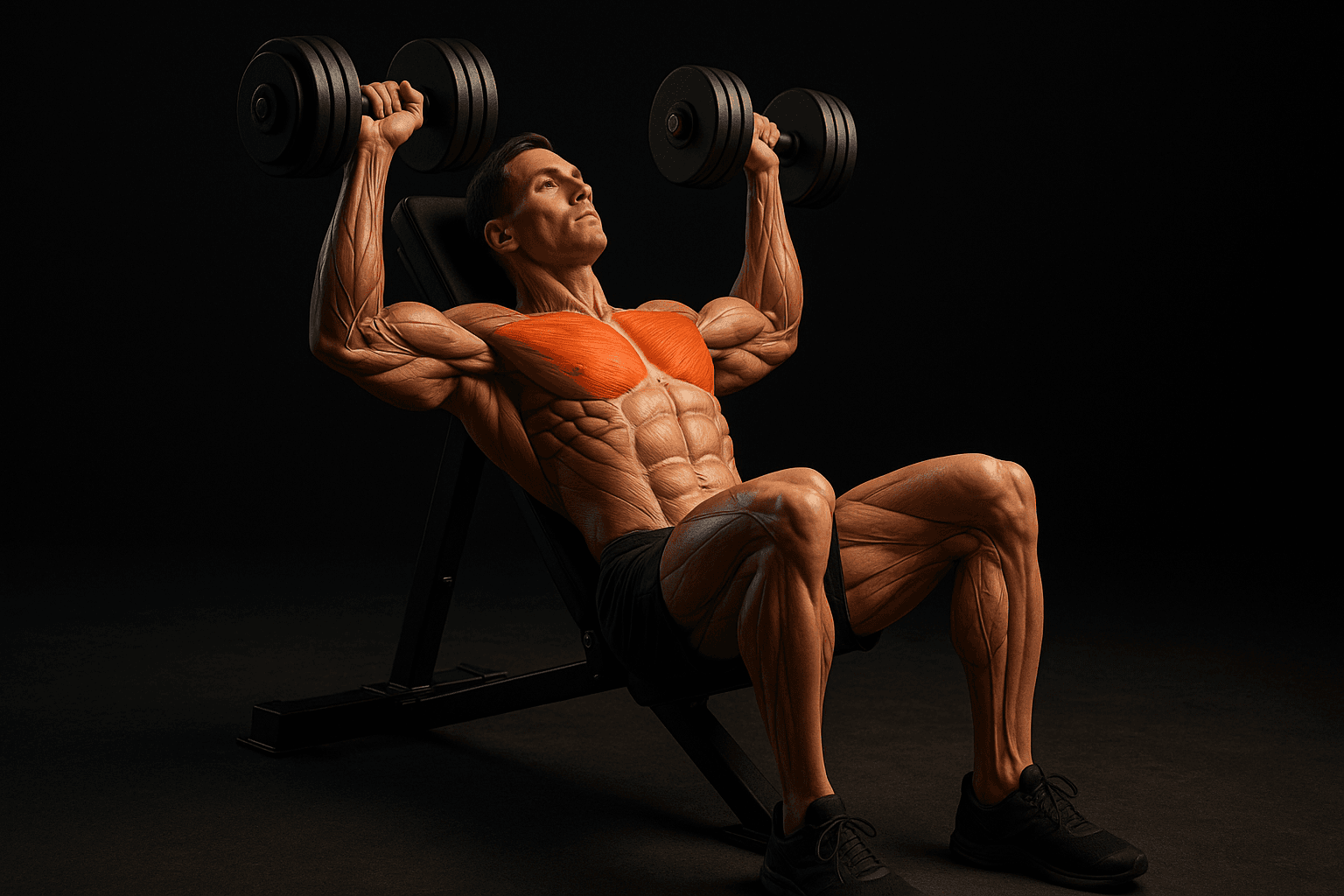
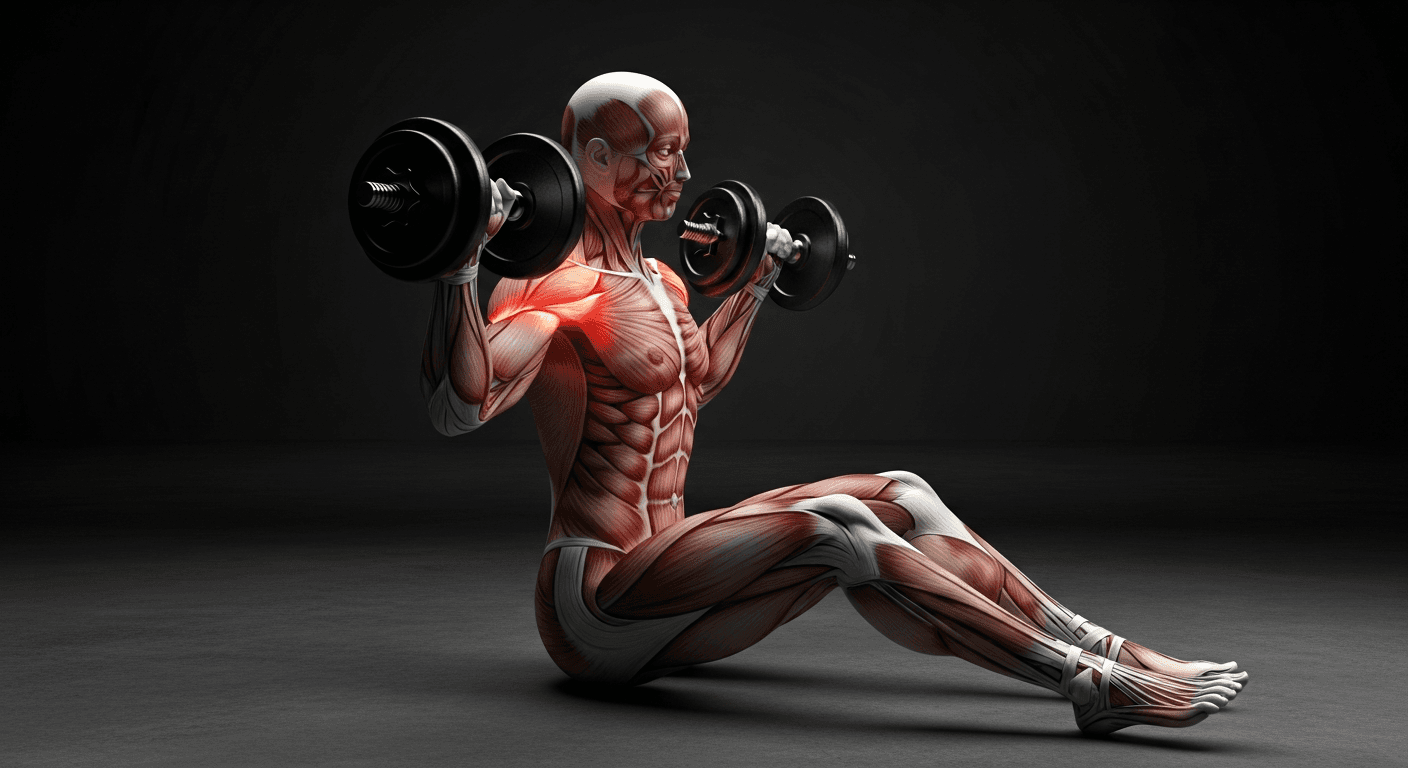
Leg Press: Muscles Worked and Best Alternatives
Which muscles does the leg press train, where it fits in a program, and 4 practical alternatives with when to choose each.
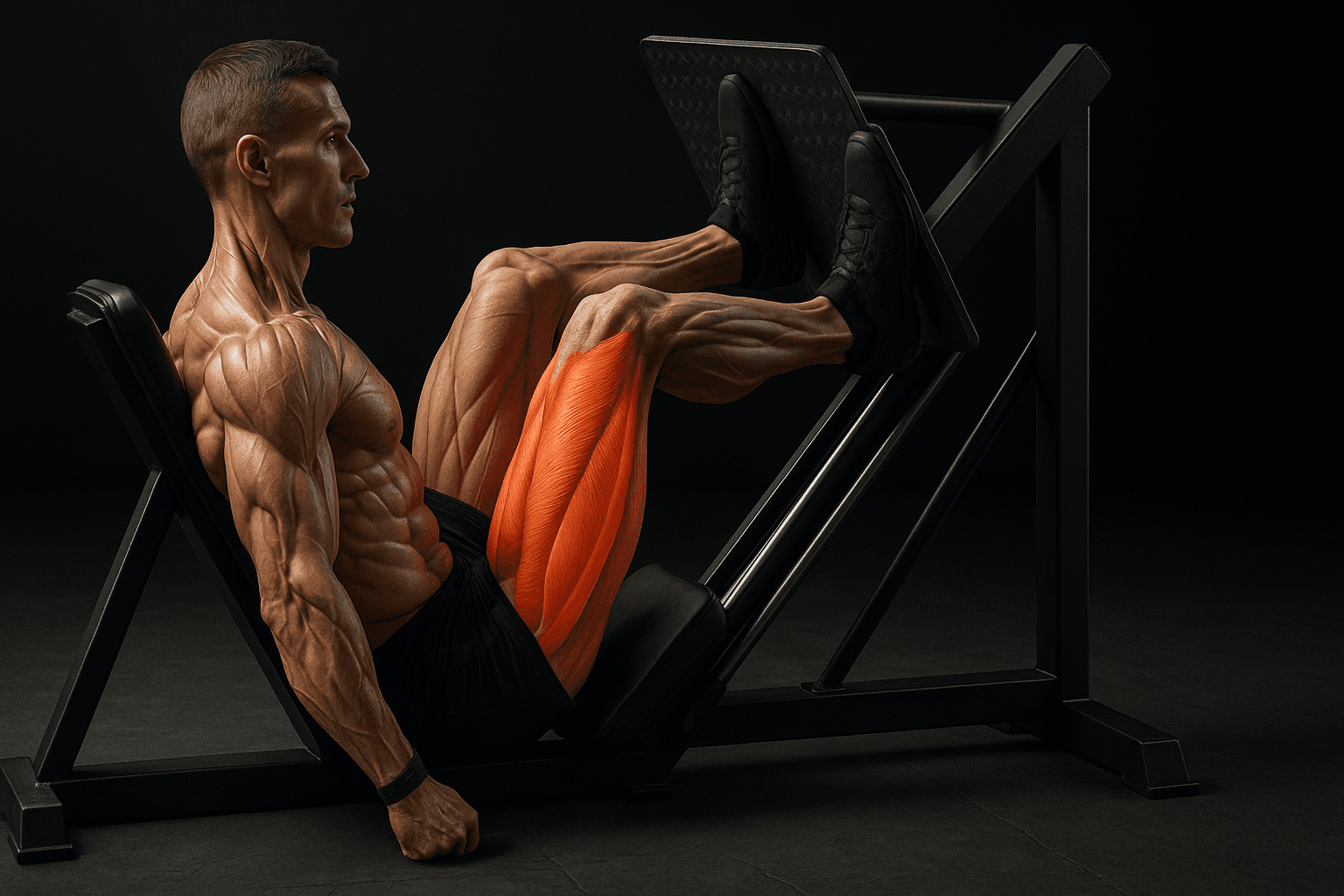
Photo by RepBro.
Leg Press: Muscles Worked and Best Alternatives
The leg press primarily trains the quadriceps (vastus lateralis, medialis, intermedius, and rectus femoris). It also loads the gluteus maximus and hamstrings as secondary hip-extensor contributors, plus the calves (gastrocnemius) to a lesser degree. Foot placement changes emphasis: lower on the platform increases quad demand, higher emphasizes glutes/hamstrings, and a wider stance recruits more adductors.
What muscles does the leg press work and which ones are primary vs secondary?
Primary
- Quadriceps: the dominant movers on most leg-press setups, especially with a lower foot placement and more knee flexion.
Secondary
- Gluteus maximus: becomes more involved with a higher foot placement and greater hip extension range.
- Hamstrings: active as hip extensors, more so when the torso/hip angle allows larger hip travel.
- Adductors: with wider stances they assist knee extension and stabilize the leg path.
- Calves (gastrocnemius): contribute to ankle plantarflexion, but usually less loaded unless you actively press through the toes.
The leg press is mechanically different from a loaded squat because the back is supported and the load path is fixed. That reduces the demand on spinal stabilizers and balance, and it lets you often move heavier absolute loads for the legs.
Where does the leg press fit in a training program?
- As an accessory: Most lifters use the leg press after a priority lift (squats, deadlifts) to add volume and target the quads without taxing the lower back or central nervous system as much.
- As a main lift substitute: When squatting is restricted by injury, lack of equipment, or fatigue, the leg press provides a compound, heavily-loaded alternative for lower-body mass/strength work.
- For progression: It’s a practical tool to increase training volume, perform heavier single-joint-like loading, and address weak rep ranges (e.g., sticking points in lockout) with controlled angles.
Programming reference (general):
- Strength: 3–6 reps, 3–6 sets, 2–4 min rest
- Hypertrophy: 6–12 reps, 3–5 sets, 60–120 sec rest
- Endurance/conditioning: 12+ reps, 2–4 sets, 30–60 sec rest
Avoid using the leg press as the only lower-body exercise for long periods; include hip-dominant and single-leg work to keep balanced strength and carryover to athletic movements.
How should you perform the leg press safely?
- Set foot placement intentionally—lower for quads, higher for glutes/hamstrings, wider for adductors.
- Keep knees tracking in line with toes; avoid excessive valgus (inward collapse).
- Do not lock the knees aggressively at the top—control the end range.
- Maintain a neutral spine and avoid rounding the lower back at the bottom of the stroke.
Safety note: Stop on sharp pain, and seek a qualified professional for persistent or unusual pain; this article does not diagnose or prescribe medical treatment.
What are the best alternatives to the leg press and when to pick each?
Below are 4 practical choices with clear scenarios for when to prioritize each. For head-to-head comparisons (e.g., leg press vs squat) see https://www.repbro.app/vs.
- Barbell Back Squat
- Why pick it: Best all-around compound for lower-body strength and transfer to athletic tasks because it trains hip/knee coordination, core stability, and balance.
- When to pick: You have a squat rack, no limiting injury to the spine or knees, and your goal includes strength that transfers to standing lifts or sports movements.
- Limits: Requires coaching for safe technique and loads the spine. If you’re short on recovery or have low back issues, pick a less axial-loaded option.
- Bulgarian Split Squat (dumbbell or barbell)
- Why pick it: Single-leg, high unilateral carryover that fixes left-right imbalances, improves stability, and builds quads and glutes under load.
- When to pick: Equipment limited to dumbbells or a barbell; you want to correct asymmetries or add quad volume without heavy axial spine loading.
- Limits: Can be fatiguing for balance and requires a higher skill-to-load ratio; reduce load if form breaks down.
- Goblet Squat
- Why pick it: Simple, low-tech, teaches upright torso position and good knee tracking; useful for beginners and fatigued sessions.
- When to pick: Minimal equipment (one dumbbell or kettlebell), rehab or return-to-training, or to increase work capacity without heavy barbell loads.
- Limits: Load ceiling is lower; progress by increasing sets/reps or switching to single-leg variations if you need more intensity.
- Trap-Bar Deadlift
- Why pick it: Strong posterior-chain and knee/hip drive emphasis with reduced shear on the low back compared to conventional deadlifts; loads the quads more than a conventional deadlift due to body position.
- When to pick: You want whole-leg and hip development, have limited squat tolerance, or want a movement that allows heavy, safe loading without a squat rack.
- Limits: It’s more hip-dominant than a low-foot-placement leg press; pair with extra quad work if quads are the priority.
Optional machine alternatives: Hack squat machine or sled pushes are useful when a controlled track is desirable or when training in a crowded gym.
How should you choose between the leg press and an alternative?
Ask three questions:
- What is my primary goal? (quad size, overall strength, unilateral work, or conditioning)
- What equipment do I have and what hurts? (rack vs dumbbells vs machines; existing injuries)
- How fatigued/am I from other training? (choose lower CNS demand after heavy sessions)
Example decisions
- If you want heavy quad loading but have lower-back pain: leg press or goblet squat.
- If you need unilateral strength and balance: Bulgarian split squat.
- If you want maximal whole-body strength and core demand: barbell back squat.
- If you need a safe, heavy hip-and-leg lift without a rack: trap-bar deadlift.
How do I progress when I hit a plateau on the leg press?
- Vary tempo: slow eccentrics (3–4 sec down) for 4–6 weeks.
- Change foot placement: higher foot to shift load and overload posterior chain.
- Add single-leg work to fix imbalances that limit bilateral force.
- Increase frequency or total weekly volume by 10–20% instead of one giant jump.
For guided programming, tracking, and importing workouts, check out RepBro and its plan import features at https://www.repbro.app/import.
One-sentence takeaway: The leg press is a quad-dominant, low-back-friendly way to add leg volume—use it as an accessory or substitute based on goals, and pick single-leg or barbell alternatives when you need balance, transfer, or core demand.
Frequently asked questions
- Is the leg press better than the squat for building legs?
- No single exercise is universally 'better.' The leg press is a safe, supported way to load the lower body and emphasise the quads; the barbell back squat is a fuller compound movement that trains core and balance in addition to legs. Choose based on goals, equipment, and injury history.
- Does foot placement change which muscles the leg press targets?
- Yes. A lower foot placement shifts emphasis toward the quadriceps; a higher foot placement increases hip extension demand (glutes and hamstrings); a wider stance engages the adductors more.
- How should I program the leg press for strength or size?
- For strength: 3–6 reps, 3–6 sets, longer rest (2–4 minutes). For hypertrophy: 6–12 reps, 3–5 sets, 1–2 minutes rest. For endurance/conditioning: 12+ reps, 2–4 sets. Progress load, reps, or sets consistently.