Nordic Hamstring Curl Alternatives at Home (Minimal Equipment)
Four to five at-home substitutes for the Nordic hamstring curl using bodyweight, bands, or dumbbells, with what each preserves, what it loses, and when to head to a gym.
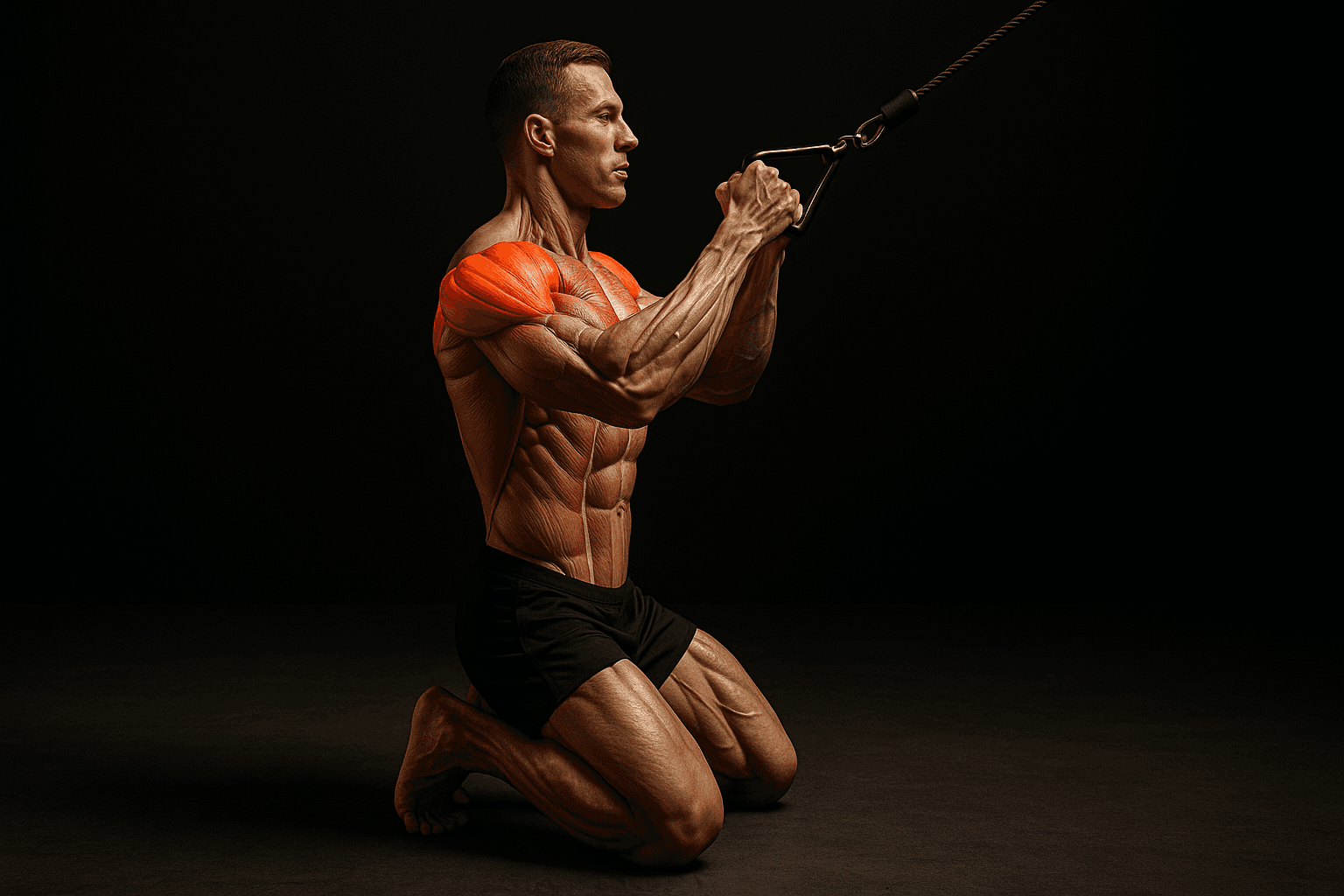
Photo by RepBro.
Answer-first (direct):
You can replace Nordics at home with banded Nordics, sliders/towel hamstring curls, single-leg Romanian deadlifts (RDLs), slow two‑leg dumbbell RDLs, or bridge-to-curl variations. Each preserves some eccentric or hip-extension work but loses elements of pure knee-dominant eccentric overload; choose by goal and available equipment.
What does the Nordic hamstring curl train and why do people value it?
The Nordic hamstring curl is a knee-dominant, high-eccentric-load exercise for the hamstrings. It emphasizes lengthened-knee flexor control during the lowering phase and is effective at increasing eccentric strength and fascicle length—qualities associated in the literature with reduced risk of hamstring strains. Its value comes from a high, targeted eccentric demand on the hamstrings that is hard to replicate with pure hip-hinge moves alone.
Which practical at-home substitutes require only bodyweight, a band, sliders/towel, or dumbbells?
-
Banded-assisted Nordic (band looped around torso/anchored): preserves the Nordic’s knee-focused eccentric while letting you control load by varying band assistance. Good for progression and for maintaining the familiar movement pattern.
-
Slider/Towel Lying Hamstring Curl (on wood/laminate or sliders): lie on your back with feet on sliders or a towel and perform heels-to-hips curls. Preserves knee flexion work and allows repeated sets; concentric can be assisted by pushing off with hands or hips.
-
Single-leg Romanian deadlift (dumbbell): hip-dominant, single-leg balance challenge that preserves eccentric control of the posterior chain and transfers well to sprinting and athletic tasks, but it reduces knee-flexion demand compared to Nordics.
-
Two‑leg Dumbbell Romanian Deadlift with slow eccentrics: use moderate weight, lower in a slow 3–5s eccentric to emphasize lengthening of hamstrings. This keeps heavy hip-extension eccentric stress but lacks the isolated knee-flexor emphasis.
-
Bridge-to-slider hamstring curl (glute bridge into a slider curl): start in a hip-extended bridge and perform slider curls; this mixes hip extension torque with knee flexor activity and is a good intermediate when you want both mechanics.
What does each alternative preserve and what does it lose compared to the original Nordic curl?
| Alternative | What it preserves | What it loses | When it’s adequate |
|---|---|---|---|
| Banded-assisted Nordic | Knee-focused eccentric, movement pattern | Slightly reduced peak eccentric load if over-assisted | When you lack an anchor but want the Nordic pattern |
| Slider/towel curl | Knee flexion and repeated eccentrics, volume | Maximal isolated eccentric lengthening at long muscle lengths | When you need volume and low-cost equipment |
| Single-leg RDL (dumbbell) | Eccentric hip-extension strength, balance | Knee-dominant eccentric emphasis | For general posterior chain strength and sport transfer |
| Two-leg slow DB RDL | Heavy hip-dominant eccentric stress | Isolated knee flexion control | When you have dumbbells and want controlled overload |
| Bridge-to-slider curl | Combination of hip and knee work | Pure long-length knee-flexor eccentricity | When you need mixed stimulus and limited equipment |
How should I program and progress these alternatives at home?
- Frequency: 2–3 sessions per week for eccentric-focused hamstring work is consistent with resistance training recommendations. Allow at least one recovery day between sessions.
- Volume: Start with low-to-moderate volume (e.g., 3–4 sets), and adjust reps so the last reps are challenging while preserving clean technique.
- Progression methods: reduce assistance (weaker band) for banded Nordics, increase range of motion or slow the eccentric for sliders and RDLs, add weight to single-leg or two-leg RDLs, or increase set count. Track perceived effort and movement quality rather than chasing numbers.
- Deloads: use an easier week every 4–8 weeks or reduce load/volume if soreness or performance in training declines.
When is a gym or partner-assisted Nordic warranted?
Go to a gym when you can no longer progress with home options—e.g., you can perform your assisted Nordic reps with high control and minimal challenge, or you need consistent, repeatable anchoring for maximal eccentric overload. Gym options (GHD, partner anchoring) also let you safely add external loading and better measure progression.
What safety steps should I follow while using these alternatives?
- Stop if you feel sharp or sudden pain and consult a qualified professional for assessment.
- Warm up hips and hamstrings with dynamic movements before heavy eccentrics.
- Prioritize slow, controlled eccentrics; don’t sacrifice form for range or reps.
- When using sliders or towels, ensure the surface is safe and your feet won’t slip unpredictably.
Safety note: this article does not diagnose injuries or prescribe rehabilitation. For suspected hamstring tears, persistent pain, or return-to-sport programming, consult a physiotherapist or medical professional.
What limitations should I expect from apps and AI coaching when doing these exercises at home?
- No app or AI can see your exact form reliably through the internet; they can help plan progressions but cannot replace live assessment.
- Injury diagnosis and individualized rehab decisions require a qualified professional who can perform physical tests.
- A plan only works if you follow it consistently—adherence and recovery management matter more than the specific app.
If you want to log sets and progressions for these alternatives, consider using RepBro to track load, reps, and frequency.
Bottom line: which substitute should I pick right now?
- If your goal is to replicate Nordic mechanics and you have a band or anchor: do banded-assisted Nordics and gradually reduce assistance.
- If you want high-volume knee-flexor work without a partner: use sliders/towel hamstring curls or bridge-to-curl variations.
- If you have dumbbells and want overall posterior chain strength and transfer to running/athletics: prioritize single-leg RDLs and slow two‑leg RDLs.
Choose the variation that matches your primary goal (eccentric knee control vs hip-extension strength) and the equipment you reliably have. Keep frequency at 2–3 times per week, progress by reducing assistance or increasing eccentric difficulty, and seek in-person help when pain or progression stalls.
Frequently asked questions
- Can I get the same eccentric stimulus as a Nordic curl using bands or sliders?
- Yes, you can approximate the Nordic's eccentric overload with banded or slider hamstring curls by emphasizing a slow controlled lowering phase and using assistance on the concentric. Expect some loss of purely knee-dominant mechanics unless you anchor the lower leg and maintain knee angle throughout the movement.
- How often should I train hamstring eccentrics at home if I replace Nordics?
- Train eccentric-focused hamstring work 2–3 times per week, with at least one day of recovery between sessions. Use multiple sets and gradually increase load or range of motion; reduce frequency if soreness significantly impairs movement quality during the following session.
- When should I progress from home variations to a gym-based Nordic or GHR machine?
- Progress to gym equipment when the home variations stop providing progressive overload—when you can complete prescribed reps with full control and minimal challenge—or if you need precise loading and consistent anchoring that only gym setups (partner, GHD, machine) can reliably provide.