The Most Common Overhead Cable Extension Mistakes (and How to Fix Them)
Clear, evidence-aware guidance on the most common overhead cable extension mistakes, why they happen, what they cost, and one practical fix per mistake.

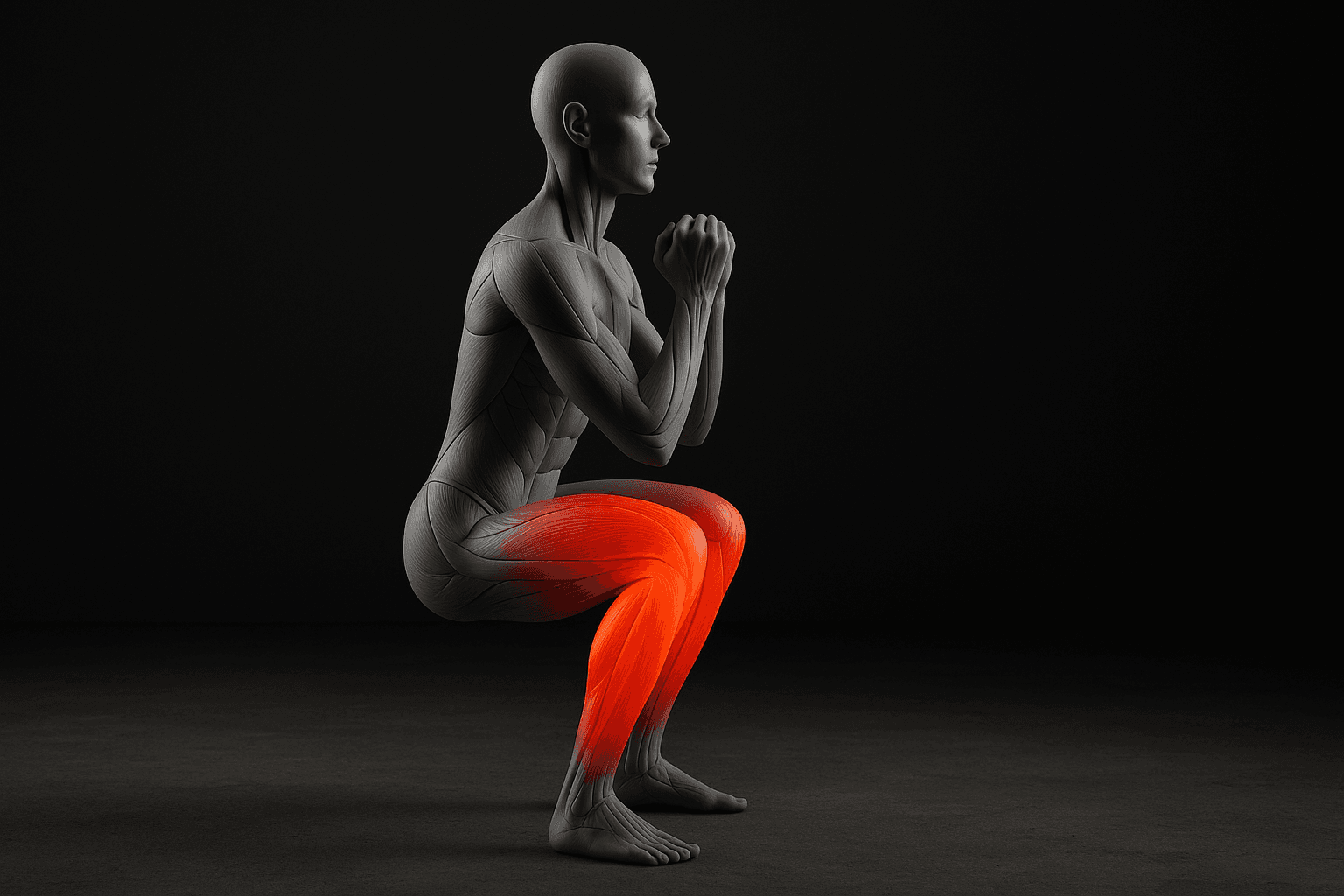
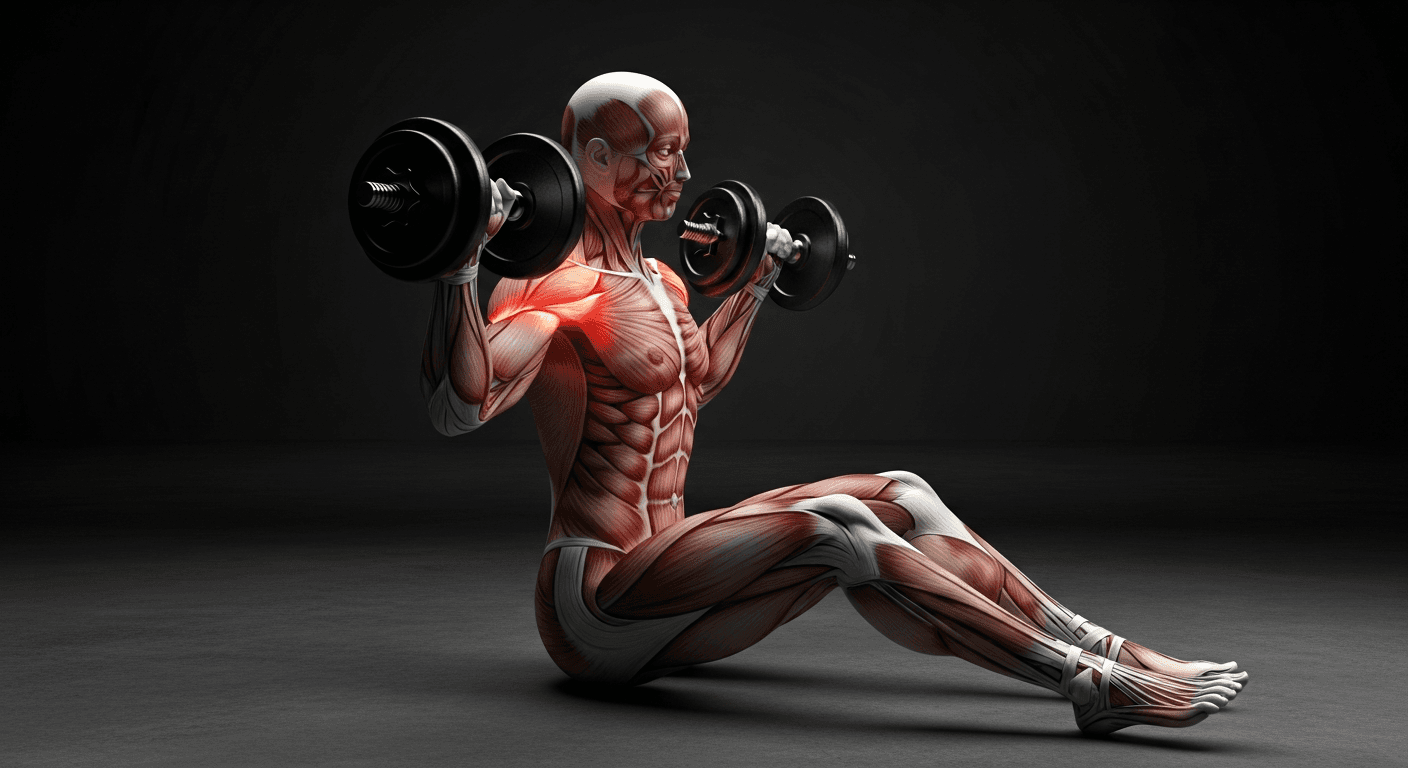
Photo by RepBro.
Short answer: The most common overhead cable extension mistakes are elbow flare, lower-back hyperextension, using momentum (jerk), poor cable line or handle choice, short range of motion, and wrist collapse. Each reduces triceps stimulus and raises injury risk; correcting setup, tempo, elbow position, and cable path restores effectiveness.
What is an overhead cable extension and why does form matter?
The overhead cable extension is a triceps exercise performed with a rope or single handle attached to a high pulley, pressing the arm(s) overhead and extending the elbow. Because the long head of the triceps crosses the shoulder, position and cable line change muscle tension. Poor technique reduces effective loading and increases stress on the elbow and shoulder.
Why does my elbow flare out during overhead cable extensions and what does it cost?
Why it happens: Elbow flare (elbows moving away from the head or rotating outward) occurs when stabilizers are weak, the lifter uses a wide grip, or the load is high and the body seeks leverage.
What it costs: Flared elbows shift tension off the long head and onto the lateral head and shoulder joint, reducing targeted triceps stimulus and increasing shear at the shoulder and elbow.
One concrete fix: Keep elbows close to the ears and imagine driving the pinky finger slightly back toward the head during the extension. Use a light warm-up set and video your side view until the elbow path stays vertical.
Why am I arching my lower back and what does it cost?
Why it happens: Excessive lumbar extension is usually compensation for too-heavy load, poor core bracing, or incorrect foot/stance. When the torso leans back to get a mechanical advantage, the spine takes unwanted load.
What it costs: Hyperextension increases low-back compressive and shear loads, reduces exercise efficiency, and can create pain or long-term irritation.
One concrete fix: Reduce the load, adopt a more neutral spine by tucking the ribs slightly and bracing the core, and keep feet hip-width with a slight soft knee. If needed, perform seated overhead cable extensions to reduce torso involvement.
Why am I using momentum or jerking the weight and what does it cost?
Why it happens: Using a heavy load or trying to force more reps leads to body sway, hip drive, or rapid eccentric-to-concentric transitions that cheat the movement.
What it costs: Momentum reduces time under tension and targeted stimulus, increases risk of elbow/shoulder strain, and makes progressive overload unreliable.
One concrete fix: Slow your tempo—try a controlled 2–3 second eccentric (lowering) and a 1–2 second concentric (press). If tempo control fails, lower the weight by 10–20% and repeat.
Why is my cable path or handle choice reducing effectiveness?
Why it happens: Using the wrong attachment (a short handle, straight bar, or routing the cable so it pulls at a bad angle) changes the line of pull. If the cable doesn’t stay roughly vertical from pulley to hand, the triceps may not be loaded through the target ROM.
What it costs: Poor line of pull decreases muscular tension across the desired range and can shift load to the shoulder or forearms.
One concrete fix: Use a rope or long single handle that allows neutral wrist alignment and routes the cable so the line of pull tracks with your forearm. Position the pulley about 10–20 cm (4–8 in) above your head so the cable stays vertical through the movement.
Why am I not using full range of motion and what does it cost?
Why it happens: Short ROM commonly stems from protecting the elbow, tight shoulders, or simply stopping early to use heavier weight.
What it costs: Partial reps reduce long-head stretch and shorten time under tension, limiting hypertrophic stimulus and functional strength gains.
One concrete fix: Emphasize a full, controlled stretch: at the bottom, allow the elbow to flex so the forearm approaches behind the head until a mild stretch is felt, then extend fully without locking aggressively. Reduce weight if you can’t maintain a full, pain-free ROM.
Why do my wrists bend or collapse and what does it cost?
Why it happens: Weak wrist stability or a poor grip/attachment forces the wrist into extension or flexion, shifting force into the forearm and reducing triceps work.
What it costs: Wrist collapse reduces force transfer and increases risk of tendon irritation in the forearm, and can change elbow mechanics.
One concrete fix: Use a neutral-grip rope and keep wrists stacked over the forearm. Squeeze the rope and think of pulling through the back of the hand rather than bending the wrist. If the rope is slippery, use chalk or a thicker handle.
Quick comparison: common mistakes at a glance
| Mistake | Immediate cost (lost gains / injury risk) | One concrete, testable fix |
|---|---|---|
| Elbow flare | Shifts load off long head; shoulder/elbow stress | Keep elbows tight to ears; video side view |
| Lower-back arch | Increased lumbar stress; lower exercise selectivity | Reduce load; brace core or sit |
| Momentum/jerk | Less TUT; higher strain | Slow tempo (2–3s eccentric) and drop weight |
| Poor cable line/handle choice | Reduced triceps tension; forearm bias | Use rope/long handle; pulley ~10–20 cm above head |
| Short ROM | Less hypertrophic stimulus | Permit controlled full stretch; lower weight |
| Wrist collapse | Forearm overload; altered elbow mechanics | Neutral grip; wrists stacked; chalk if needed |
What safety checks should I do every set?
Stop if you feel sharp or unusual joint pain. Ensure a pain-free, controlled path through all reps, keep breathing (exhale on effort), and never sacrifice form for weight. If you have prior shoulder or elbow problems, consult a qualified professional before loading overhead.
What can’t an article or app do for you?
Limitations: Written guidance can show common faults and cues, but no app or article can see your movement and instantly correct subtle form problems in real time. Only a trained coach or clinician can perform hands-on assessment, diagnose pathologies, or prescribe individualized rehabilitation. Also, a program only works if you show up consistently and manage recovery.
Safety note: This article is educational, not a diagnosis. If you experience persistent pain, numbness, or swelling, stop the exercise and seek professional medical or physiotherapy advice.
References & further reading: Look for exercise technique resources from accredited strength and conditioning organizations and peer-reviewed reviews on muscle mechanics and hypertrophy for context on exercise selection and progression.
Frequently asked questions
- Are overhead cable extensions better than skull crushers or pushdowns?
- They’re neither universally superior nor inferior. Overhead cable extensions load the long head of the triceps more because of shoulder flexion, while pushdowns bias the lateral head. Exercise selection should match goals, existing injuries, and program balance rather than a single “best” choice.
- How much weight should I use for overhead cable extensions?
- Use a weight you can control for the intended rep range without breaking form. If you need momentum, the load is too heavy. Progress by increasing reps, sets, or small weight increments while maintaining clean technique and controlled tempo.
- How often should I train overhead extensions for triceps growth?
- Train triceps 2–3 times per week as part of a balanced program, varying intensity and volume across sessions. Recovery and progressive overload matter; adjust frequency based on overall workload, soreness, and progress rather than a fixed rule.