Overhead Press Alternatives at Home (Minimal Equipment)
Four-to-five at-home overhead-press substitutes using bodyweight, dumbbells, and bands. What each preserves, what it loses, and when to return to a gym.
Photo by RepBro.
Answer-first (50 words): You can meaningfully replace the barbell overhead press at home with strict dumbbell presses, single-arm landmine-style presses, band overhead presses, pike push-ups/handstand progressions, and dumbbell push presses. Each preserves vertical shoulder loading but trades off maximal load, spine bracing, or technical specificity; choose by goal and equipment.
What does the overhead press accomplish that I should try to preserve?
The key functions are: vertical-plane shoulder and triceps strength, scapular control and upward rotation, axial load tolerance (spine/bracing), and the ability to produce high force with both shoulders together. Any substitute should aim to preserve most of those qualities relevant to your goal—size, strength, or transfer to sport.
Which at-home alternatives should I use and what does each keep or lose?
Below are 5 practical options using minimal equipment: dumbbells, resistance bands, and bodyweight.
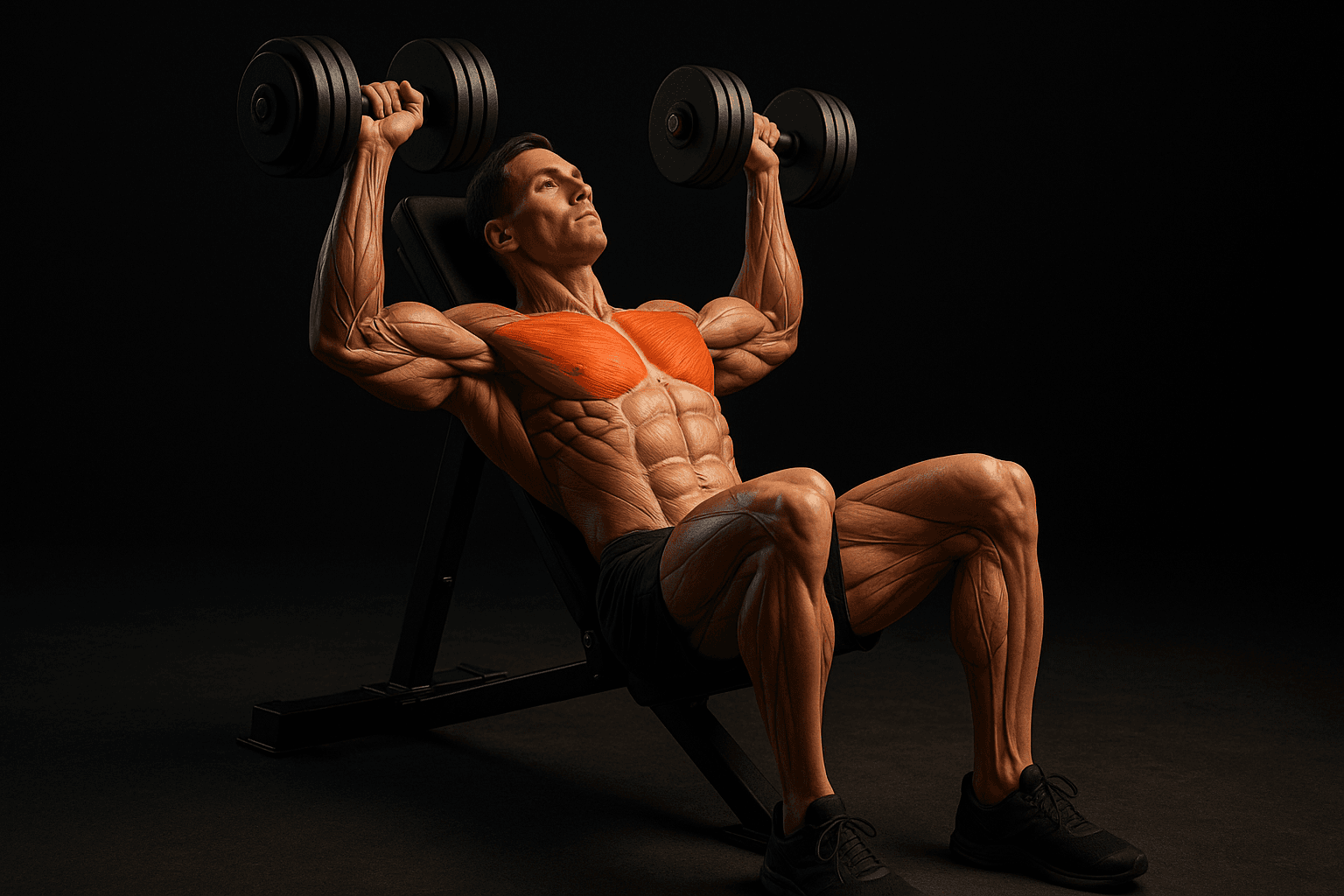
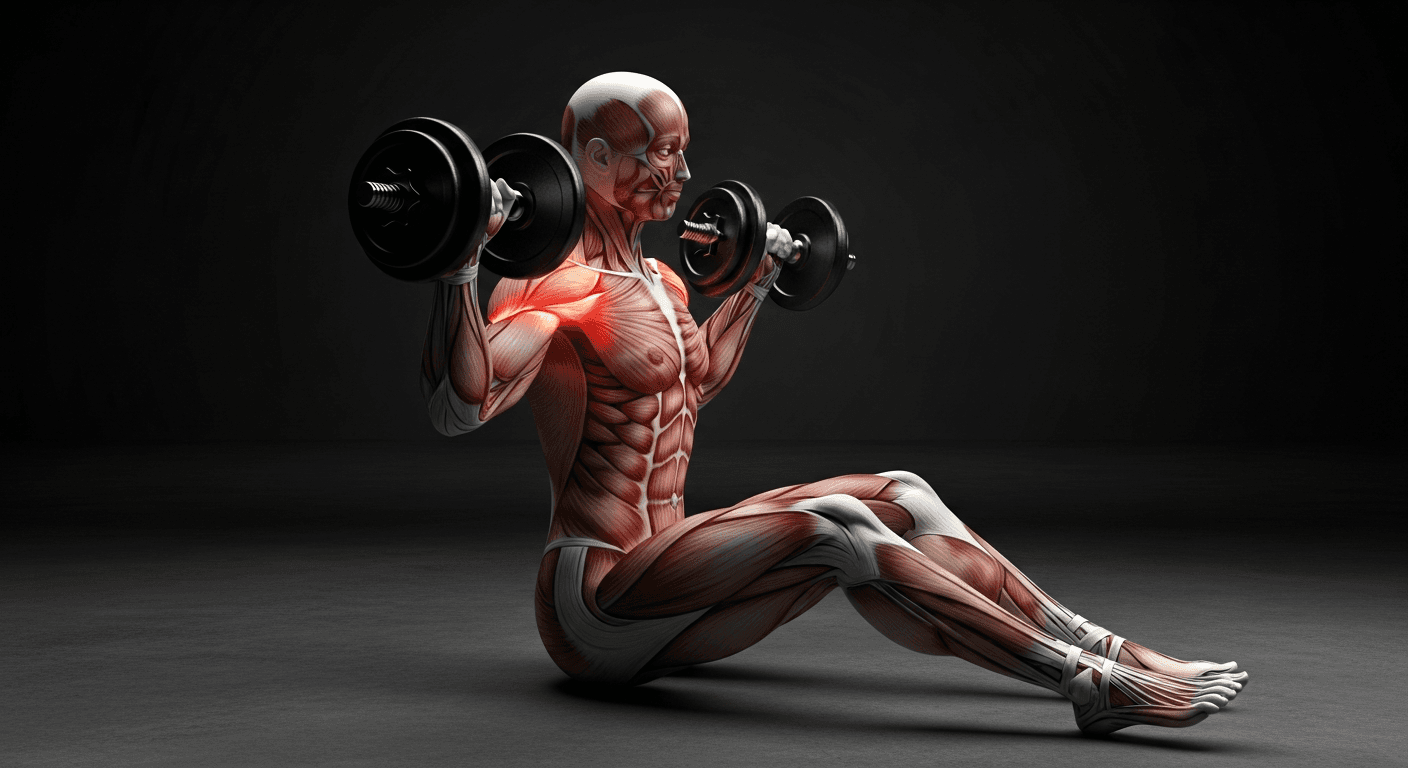
- Dumbbell strict press (standing or seated)
- What it preserves: Vertical pressing mechanics, deltoid and triceps loading, unilateral balance if done single-arm; similar ROM to barbell press.
- What it loses: Absolute maximal load capability compared to a loaded barbell; slightly different bar path and less axial cross-body stability training when seated.
- When it’s adequate: Best for strength and hypertrophy when your barbell 1RM is near or within reachable dumbbell loads. If you want heavy single-/double-arm strength and technical similarity, this is the closest home substitute.
- Dumbbell push press
- What it preserves: Vertical force production and overhead loading while allowing leg drive; useful for building power and higher loads than strict db press.
- What it loses: Less focus on strict shoulder strength and bracing—leg assistance shifts some demand away from pure deltoid/triceps.
- When it’s adequate: Use when you want to load heavier reps and develop explosive finish. Not a perfect replacement if your aim is strict press technical practice.
- Banded overhead press (standing)
- What it preserves: Shoulder ROM and continuous tension through the lockout; easy progressive resistance by stacking bands.
- What it loses: Absolute load precision—bands change resistance curve and provide less consistent heavy loading than dumbbells/barbells.
- When it’s adequate: Good for hypertrophy, rehab-friendly progression, and when you lack heavy dumbbells. Paired with tempo control it can drive volume safely.
- Pike push-up / Elevated pike push-up (progression toward handstand push-up)
- What it preserves: Vertical pressing angle, scapular control, and overhead range; strong carry to bodyweight pressing skill.
- What it loses: Max concentric overload compared with external weights; cervical and shoulder loading profile differs from barbell pressing.
- When it’s adequate: Useful if you want bodyweight strength, core and shoulder stability, or if equipment is minimal. Progress into partial handstand or wall-assisted HSPUs for greater overload.
- Single-arm landmine-style press with a dumbbell (wedge the handle) or angled DB press
- What it preserves: Asymmetric vertical/angled press, anti-rotation core demand, single-arm control; useful for building unilateral strength that carries to bilateral presses.
- What it loses: Exact bilateral load symmetry and some axial bar path characteristics of a barbell press.
- When it’s adequate: Good for improving one-side imbalances and building pressing strength when you can’t load both shoulders equally with a barbell.
How should I program these alternatives to make progress?
- Frequency: Pressing work 2–3 times per week per muscle group to balance stimulus and recovery.
- Volume: For hypertrophy aim for roughly 8–20 weekly sets for the shoulder/triceps complex; for strength favour lower-rep heavy work (3–6 reps) and accumulate sets across sessions.
- Progression: Increase load, reps, or sets gradually; when rep targets are reached across sessions, add load or move to a harder variation.
- Deloading: Schedule lighter weeks or reduced volume when performance stalls or perceived recovery declines. These are coaching principles consistent with strength and hypertrophy consensus; adjust to individual recovery and goals.
Quick comparison table: what each alternative trades
| Alternative | Loadability (how heavy) | Shoulder ROM | Core/bracing demand | Skill required |
|---|---|---|---|---|
| Dumbbell strict press | Moderate–High (limited by DB size) | High | Moderate | Low–Moderate |
| Dumbbell push press | High | High | Moderate–High | Moderate |
| Band overhead press | Low–Moderate (varies by band) | High | Low–Moderate | Low |
| Pike push-up / HSPU progressions | Low–Moderate (bodyweight) | High | High | High |
| Single-arm landmine-style press | Moderate | Moderate–High | High | Moderate |
When is it time to go to a gym to train the barbell overhead press?
If your goals require maximal barbell strength, practising the exact lift under heavy bilateral axial loading (barbell in rack, driven by legs and braced core) is necessary. Also go to a gym when home equipment prevents progressive overload (no heavier dumbbells/bands) or when you need coaching/spotting for heavy sets.
What safety notes should I follow?
Stop any set if you feel sharp or unusual pain. Maintain scapular upward rotation and avoid shrugging into impingement positions. For advanced bodyweight moves (handstand push-ups), progress gradually and work against a wall or with a spot. Consult a qualified professional for persistent pain or when returning from injury; this isn’t medical advice.
Limitations: what apps and AI coaching cannot do
An app or AI can guide programming, track volume, and suggest progressions, but no app can reliably see or correct your live movement and subtle form faults. For technique breakdowns, persistent pain, or rehab you need an in-person assessment from a qualified coach or clinician. And a plan only works if you show up—consistency is the biggest determinant of progress.
If you want a simple way to track sets, reps and progression with these alternatives, tools like RepBro can help log sessions, but they don’t replace coaching.
In short: choose the alternative that preserves the qualities most important to you. Dumbbells get closest to the barbell press; bands and bodyweight provide useful volume and safety; push presses and landmine-style single-arm work add load and core demand. Return to a gym when you need heavier, specific barbell practice or professional supervision.
Frequently asked questions
- Can I build shoulder strength at home without a barbell?
- Yes. You can develop shoulder size and pressing strength using dumbbells, bands and bodyweight progressions. Prioritise progressive overload, 2–3 training sessions per week per muscle group, and 8–20 weekly sets for hypertrophy. Heavy maximal strength beyond db loads may require gym equipment.
- How often should I perform these overhead press alternatives?
- Train vertical pressing 2–3 times per week to balance stimulus and recovery. Use lower reps (3–6) for strength with heavier loads, and 6–12 for hypertrophy. Track weekly sets and increase load or reps gradually; schedule a deload every 4–8 weeks depending on fatigue and progress.
- Which alternative transfers best to the barbell overhead press?
- Single-arm or bilateral heavy dumbbell pressing (strict or push press) transfers best because it preserves vertical plane mechanics and unilateral control. For maximal barbell strength you ultimately need an actual barbell to practice specific bracing and heavy bilateral loading.