Overhead Press: Muscles Worked and Best Alternatives
Which muscles does the overhead press train, where it fits in a program, and 4 practical alternatives—when to use each for equipment, pain, or plateaus.
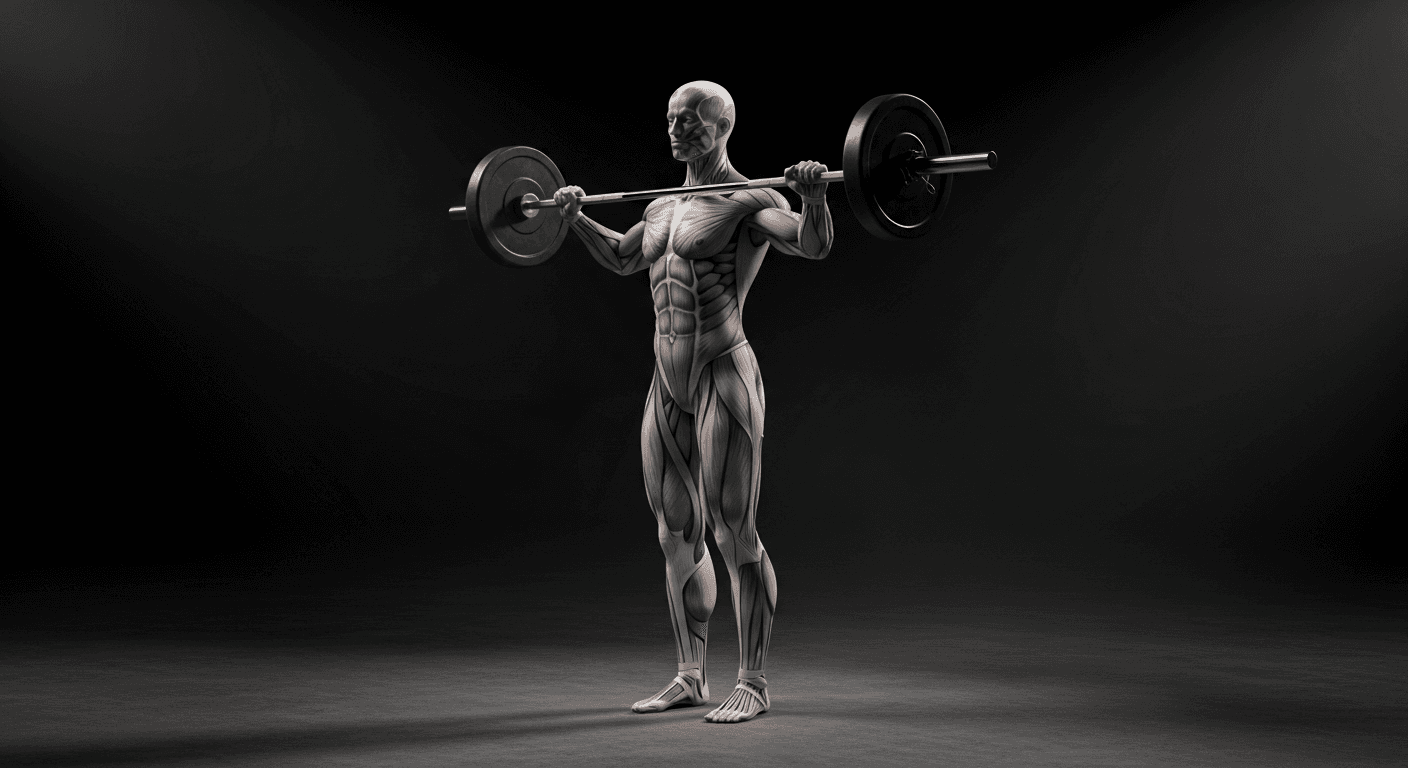
Photo by RepBro.
The overhead press primarily trains the shoulder muscles—especially the anterior (front) and medial (side) deltoids—and the triceps as the main elbow extensors; secondary contributors include the upper trapezius, clavicular portion of the pectoralis major (upper chest), rotator cuff muscles, serratus anterior, and the core/glutes for stability.
What muscles does the overhead press work?
- Primary movers: anterior deltoid (front head), medial deltoid (side head), and the triceps brachii. These produce the vertical push and lockout.
- Secondary muscles: upper trapezius (shrug and stabilize the shoulder girdle), clavicular pecs (assist near groove of the lift), serratus anterior (helps upward scapular rotation), and the rotator cuff complex (stability).
- Stabilizers: the core, obliques, and glutes resist extension and rotation so the torso stays rigid during heavy presses.
In short: the overhead press is a compound, vertical push that trains shoulder strength and pressing mechanics while recruiting numerous stabilizers.
How does the overhead press fit into a program?
- Priority: Place the overhead press early in a session if it’s a priority (first or second exercise). Do it after a specific warm-up for shoulders and thoracic mobility.
- Frequency: 1–3 times per week. For most lifters 2× gives a good mix of practice and recovery.
- Sets & reps: For strength, use 3–6 sets of 3–6 reps at heavier loads (roughly 80–90% 1RM when calibrated). For hypertrophy, 3–5 sets of 6–12 reps work well. For technique work, use 3–4 sets of 8–12 reps at lighter loads (50–70% 1RM) with a focus on bar path and bracing.
- Progression: Gradually increase load, reps, or volume by 2.5–5% or 1–2 reps per week. Track consistently—apps like RepBro make progression and program adjustments easier.
When should you pick an alternative to the overhead press?
- Equipment limits: No barbell or rack available, or you have only kettlebells/bands.
- Shoulder pain or mobility limits: Pain with bar path, limited external rotation, or a problematic bench-to-overhead transition.
- Plateau: Technique or strength plateaus where a variation helps overload weak links (e.g., lockout or leg-drive assistance).
- Sport-specific needs: You need single-arm carryover, anti-rotation stability, or different angle transfer.
If any exercise causes sharp or unusual pain, stop and consult a professional; alternatives can maintain stimulus while you address the issue.
Four solid alternatives (and when to pick each)
- Seated Dumbbell Press
- What: Strict press while seated on a bench (back supported or upright), using dumbbells.
- When to pick it: Limited equipment (dumbbells only); you want to eliminate leg drive and reduce lower-back demand; good for training unilateral balance and correcting left/right strength gaps.
- Load guidance: 3–5 sets of 6–12 reps; reduce load by ~5–10% per hand vs. barbell strict press.
- Pros: More natural wrist turn, easier to find comfortable scapular positioning; safer for those with lower-back issues.
- Cons: Usually lower max load than standing barbell press; less core demand.
- Push Press
- What: A dynamic overhead press where a small dip/drive from the hips contributes power to the bar.
- When to pick it: Breaking a strength plateau by overloading the top portion of the press, or training power and transfer to athletic movements.
- Load guidance: 3–6 sets of 2–6 reps; use 5–15% more load than your strict press depending on proficiency.
- Pros: Builds neuromuscular power, lets you train heavier loads safely, good for conditioning.
- Cons: Less strict shoulder-only strength carryover if used exclusively.
- Single-Arm Landmine Press
- What: One end of a barbell is anchored; press the other end from shoulder/upper chest with a neutral or angled path.
- When to pick it: Limited mobility, shoulder irritation with straight bar overhead, or you need anti-rotation/core work; also works when you lack a rack.
- Load guidance: 3–5 sets of 6–10 reps per side; use progressive loading with control.
- Pros: Reduced pure vertical load on the shoulder, more forgiving bar path, great for unilateral strength and scapular control.
- Cons: Different line of force than a strict press—carryover to heavy barbell pressing is substantial but not identical.
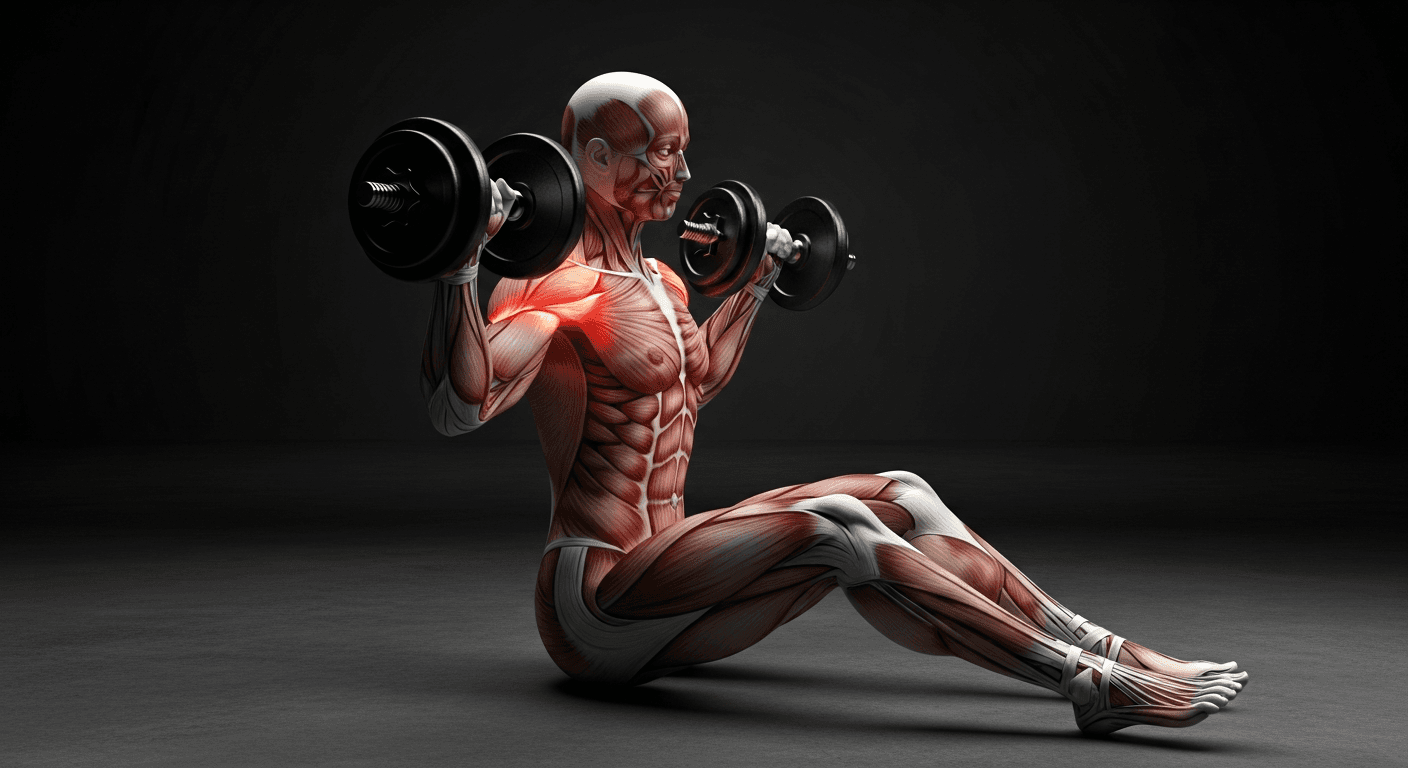
- Z-Press
- What: Strict barbell or dumbbell press performed seated on the floor with legs extended (no back support, no leg drive).
- When to pick it: You want to emphasize core and thoracic mobility, force strict pressing technique, or address excessive back extension.
- Load guidance: 3–5 sets of 4–8 reps; loads are typically 10–20% lighter than standing strict press.
- Pros: Eliminates leg drive while increasing demand on core and upper back; reveals mobility and stability issues.
- Cons: Limited load vs. standing press; requires good hip and hamstring mobility for comfortable setup.
Exercise form safety note
For any overhead variation: stop immediately if you feel sharp joint pain, severe catching, or numbness. If pain is persistent, consult a qualified healthcare or strength professional—this guide is educational and not a diagnosis. Focus on a controlled bar path, full scapular upward rotation, and consistent bracing.
Putting alternatives into practice
- If you have a shoulder niggle: start with the landmine press or dumbbells to find pain-free ranges, then gradually reintroduce vertical bar work.
- If you’ve stalled on strict strength: program push presses for 2–4 weeks to overload the nervous system, then return to strict presses with smaller jumps in weight.
- If equipment is limited: use seated dumbbell presses or kettlebell single-arm presses and track volume; avoid rapid one-week jumps in load.
For comparisons between variations, see the RepBro comparison tools at https://www.repbro.app/vs and import custom programs using https://www.repbro.app/import.
One-sentence takeaway: The overhead press is a high-value vertical push that primarily hits the deltoids and triceps—use strict press variations for shoulder strength, landmine or dumbbells for pain/limited gear, and push press or Z-presses strategically to break plateaus.
Frequently asked questions
- Does the overhead press primarily train the chest or the shoulders?
- The overhead press primarily trains the shoulders—especially the anterior (front) and medial (middle) deltoids—with the triceps doing heavy pushing work; the chest (clavicular pecs) assists but is a secondary mover.
- How often should I include the overhead press in a training week?
- Aim for 1–3 overhead-press sessions per week depending on goals: 2× is a solid compromise for strength and skill, 1× if recovery is limited, 3× only if volume and intensity are well managed.
- What should I do if the overhead press causes shoulder discomfort?
- Stop if you feel sharp pain, reduce load, try a variation that uses a more neutral grip (dumbbells or landmine), and consult a qualified healthcare or strength professional for assessment—don’t self-diagnose.