Plank Alternatives at Home (Minimal Equipment): 5 Substitutes, What They Keep and When to Get to a Gym
Practical plank alternatives you can do at home with bodyweight, a band, or a dumbbell. What each exercise preserves and loses vs the plank, programming tips, safety, and when to seek gym equipment.
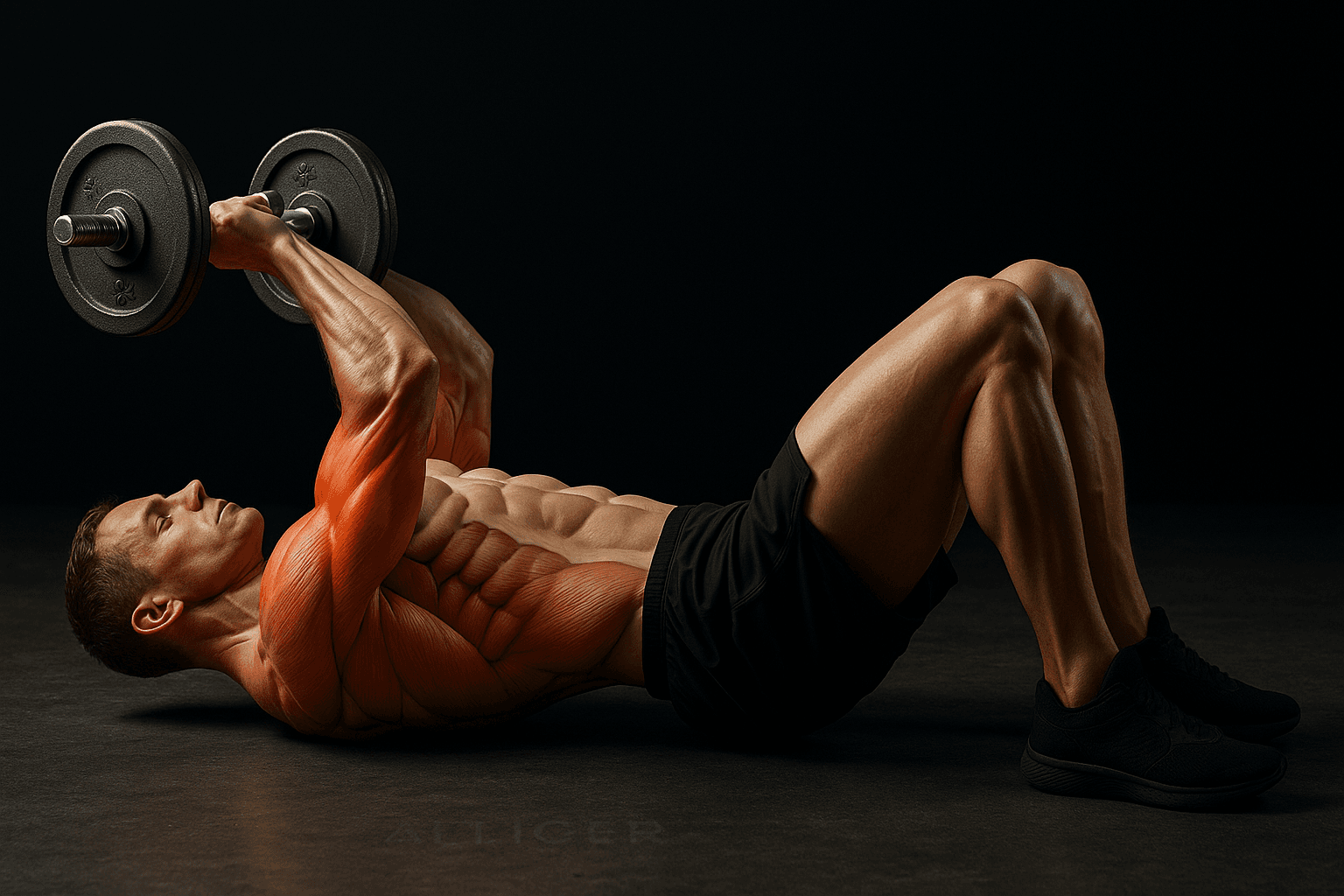
Photo by RepBro.
You can replace the plank with several effective at-home options: dead bugs and bird dogs (bodyweight), Pallof presses (band), single-arm farmer/suitcase carries (dumbbell), and renegade rows (dumbbells). Each keeps some plank benefits (anti-extension/anti-rotation) and sacrifices others (symmetry, absolute load).
What plank qualities matter and which can I replicate at home?
The classic front plank stresses spinal neutrality under isometric load and trains anti-extension, some anti-rotation, local endurance (transverse abdominis), and shoulder/scapular stability. At home you can replicate anti-extension and anti-rotation with bodyweight and small implements but not always the same sustained symmetrical load or progressive overload precision.
Which plank alternatives can I do with no equipment and what do they keep or lose?
-
Dead Bug
- How: Lying on your back, tuck ribs, lower opposite arm and leg slowly without losing lumbar contact. Keep breathing. 8–15 controlled reps per side.
- Preserves: Anti-extension control, lumbar bracing, motor control of deep core.
- Loses: Whole-body isometric shoulder/scapular demand and the vertical load component of carrying or standing planks.
-
Bird Dog
- How: From hands-and-knees, reach opposite arm and leg while keeping a neutral spine. Hold briefly and return. 8–12 reps per side.
- Preserves: Anti-extension and anti-rotation in a functional, limb-loading pattern; adds posterior chain coordination.
- Loses: Long-duration isometric torso endurance typical of planks and symmetric loading.
Which alternatives use minimal equipment and what do they preserve/lose?
-
Pallof Press (band)
- How: Anchor a band at chest height, stand perpendicular, press the band straight out and resist rotation. 8–15 reps per side or 2–4 sets of timed holds.
- Preserves: Direct anti-rotation demand similar to the plank’s bracing; easy progressive tension by changing band tension or distance.
- Loses: Significant axial loading and shoulder endurance of front planks; less hip stability challenge.
-
Single-Arm Farmer or Suitcase Carry (dumbbell)
- How: Walk 20–50 m or carry for 30–90 seconds with a dumbbell at your side. Keep upright posture and avoid leaning.
- Preserves: Anti-lateral-flexion (side-to-side), core tension, breathing under load, and real-world carry strength.
- Loses: Pure anterior anti-extension emphasis of the plank; carries are unilateral and emphasize lateral stability more than symmetric isometric endurance.
-
Renegade Row (dumbbells)
- How: From a plank position holding light dumbbells, row one arm at a time while keeping hips square. Do 6–12 rows per side.
- Preserves: High anti-rotation demand and shoulder/scapular strength while adding rowing strength.
- Loses: Pure plank hold duration and may trade spinal neutrality for torso rotation if done poorly; needs good shoulder control.
How do these alternatives compare side-by-side?
| Exercise | Equipment | Preserves vs plank | Loses vs plank | When this is adequate |
|---|---|---|---|---|
| Dead Bug | None | Anti-extension control, low-back bracing | Whole-body isometric load | Rehab, beginners, motor control work |
| Bird Dog | None | Anti-rotation, posterior chain activation | Long-duration hold, shoulder demand | Early-stage core training, mobility-focused sessions |
| Pallof Press | Band | Anti-rotation with adjustable tension | Anterior isometric hold, shoulder endurance | Anti-rotation specificity, progressive tension at home |
| Single-Arm Farmer/Suitcase Carry | Dumbbell | Anti-lateral flexion, breathing under load | Symmetric anterior hold | Transfer to real-world strength and unilateral stability |
| Renegade Row | Dumbbells | Anti-rotation + upper-row strength | Pure hold time, higher shoulder demand | When you can maintain strict plank form and want load |
How should I program these exercises so they replace planks effectively?
- Frequency: Train core-focused work 2–3 times per week, integrated with full-body sessions.
- Volume: 2–4 sets per exercise. For isometric holds aim 20–60 s per set; carries 30–90 s or 20–50 m; dynamic moves 8–15 reps per side.
- Progression: Increase time under tension, add load (heavier dumbbell or stronger band), add reps, reduce rest, or choose harder variations.
- Order: Put challenging anti-rotation or loaded carries earlier in a session. Use motor-control drills (dead bug) as warm-up or skill work.
These guidelines align with general strength and conditioning practice: regular frequency, progressive overload, and moderate weekly volume to build endurance and strength.
When are home alternatives not enough and gym time is warranted?
Choose a gym when you need: precise, heavier progressive loading (barbell rollouts, heavy carries, weighted planks), more incremental weight options than a single dumbbell provides, diagnostic testing supervised by staff, or access to medicine balls/Swiss balls for advanced instability training. Also visit a facility for clinically supervised rehab or when you’ve plateaued despite consistent, progressive at-home work.
What safety steps should I follow?
Stop if you feel sharp or radiating pain and consult a qualified professional. Maintain neutral spine and controlled breathing; do not sacrifice form for time or load. Start with bodyweight variations before adding bands or dumbbells. This is general information — I cannot diagnose or promise injury prevention.
Limitations: What apps and AI coaching cannot do
No app or AI can visually see and correct your movement in real time; they cannot replace hands-on assessment by a trained practitioner for pain or injury. Apps help with tracking and reminders but won’t enforce consistency for you — the plan only works if you show up. For rehabbing injuries or persistent pain, seek a qualified clinician.
If you like logging progress, tools such as RepBro can record holds, carries, and incremental load changes.
Final practical tip: pick two anti-rotation/anti-extension exercises (one unilateral carry or row plus one motor-control drill) and do them twice weekly for 6–8 weeks. Track time or load and progress systematically. Over time you’ll preserve plank benefits and build carry-over to stronger, more resilient movement patterns.
Frequently asked questions
- What are quick plank substitutes I can do at home?
- Dead bugs, bird dogs, Pallof presses with a band, single-arm farmer/suitcase carries with a dumbbell, and renegade rows replace different aspects of the plank. They retain anti-extension and anti-rotation training but vary in load, time under tension, and shoulder demand. Pick based on goals and equipment.
- How often and for how long should I do plank alternatives?
- Train core 2–3 times per week. Use 2–4 sets per exercise: holds 20–60 seconds, carries 30–90 seconds or 20–50 m, and dynamic moves 8–15 reps per side. Progress by increasing time, load, or difficulty. Match volume across sessions for steady progress.
- When are these alternatives not enough and I should go to a gym?
- Use a gym when you need heavy progressive loading (barbell carries, weighted rollouts), want precise overload increments beyond a household dumbbell, require supervised rehab, or if you’ve plateaued and need specialist equipment for weak points identified in testing.