Push Press Alternatives at Home (Minimal Equipment)
Home substitutes for the push press using dumbbells, bands, or bodyweight: 4–5 options, what each preserves/loses, programming guidance, and when to return to a gym.
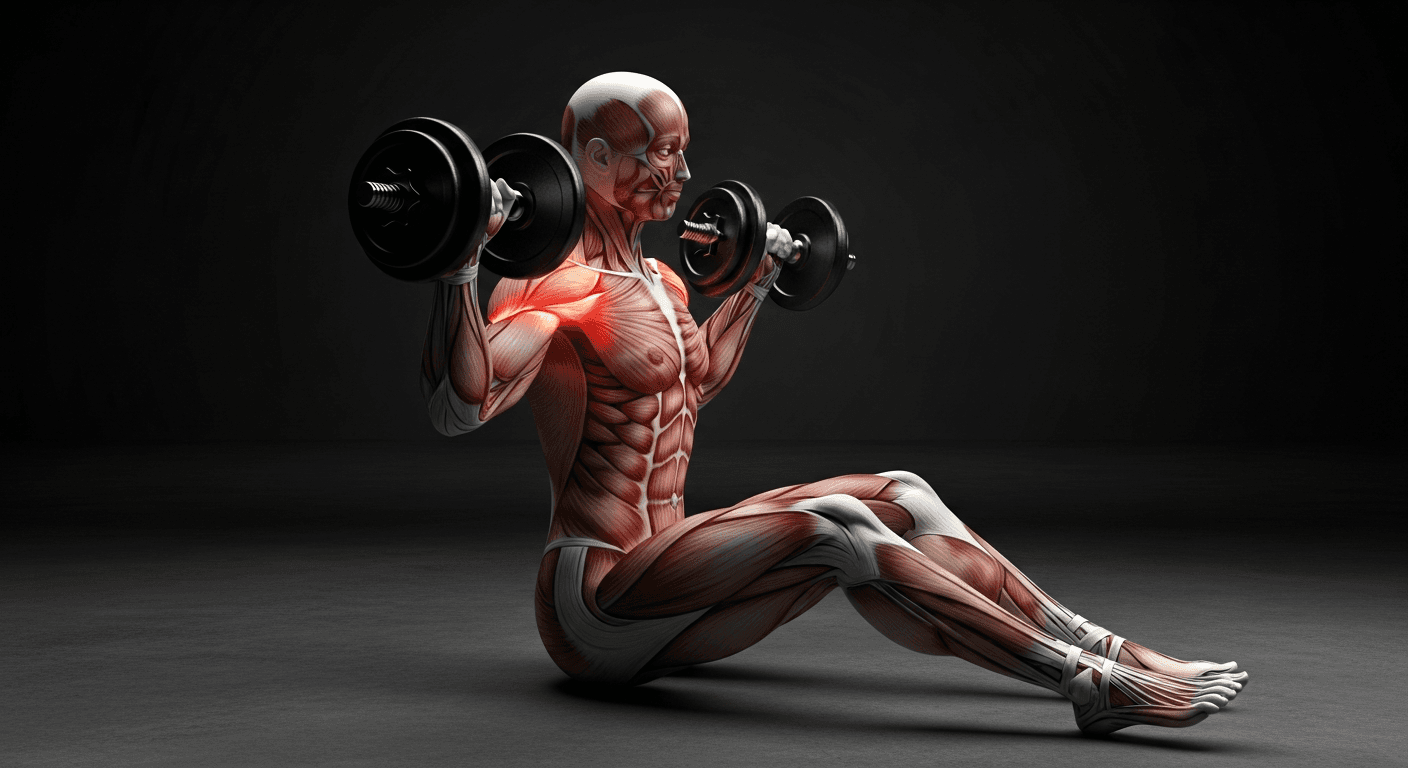
Photo by RepBro.
Short answer: When you lack a barbell, use single‑arm or two‑arm dumbbell push presses, dumbbell thrusters, banded push presses, and pike/handstand push‑up progressions. Each preserves leg drive, overhead loading, or speed qualities of the push press while trading off maximal barbell loading and exact bilateral mechanics.
What does the push press actually train that I should try to keep?
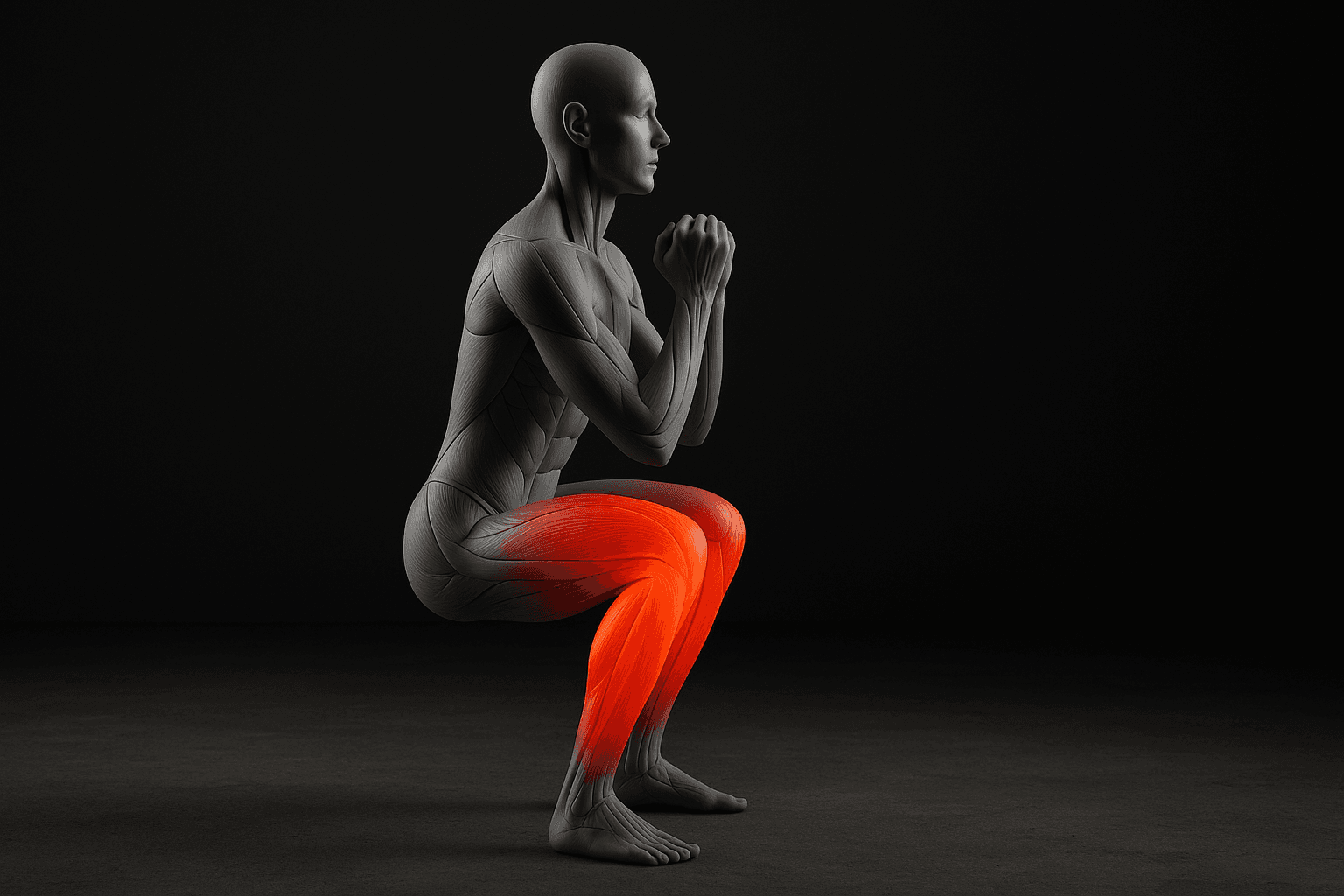
The push press is a technical, whole‑body lift. Key elements to retain when substituting: a short dip and powerful leg extension (leg drive), rapid transfer of force into an overhead press, and the ability to handle load overhead with shoulder and trunk stability. It’s part power expression, part press strength, and part timing.
Safety note: stop on sharp pain, don’t push through joint pain, and consult a qualified clinician for significant issues. No article replaces an in‑person coach for technical correction.
Which at‑home options give the most similar stimulus to a barbell push press?
Below are four practical substitutes using bodyweight, dumbbells, or bands. For each I list what it preserves and what it loses compared to a barbell push press.
| Exercise | Equipment | What it preserves | What it loses | When it’s adequate |
|---|---|---|---|---|
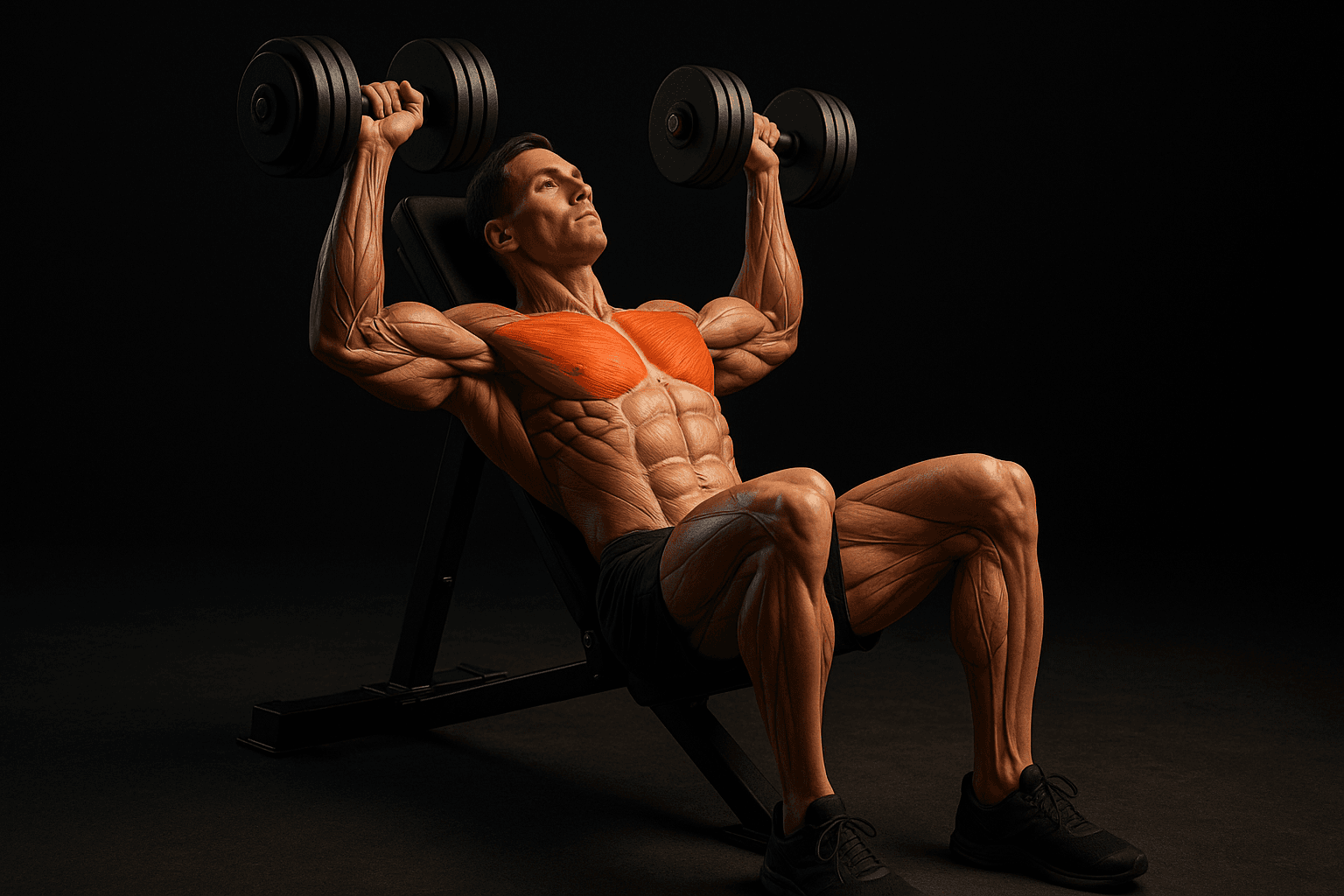
| Two‑arm dumbbell push press | Pair of dumbbells | Bilateral leg drive, overhead trajectory, rate of force transfer | Maximal absolute load, bar path stability | When you need similar patterning but not maximal load |
| Single‑arm dumbbell push press | Single dumbbell | Explosive hip drive, unilateral core stability, power timing | Symmetrical barbell loading and balance of both arms under heavy load | Useful for correcting side imbalances and limited equipment |
| Dumbbell thruster (front squat into press) | Pair of dumbbells | Triple extension sequencing, leg-to-press coupling, conditioning | Pure vertical power focus of a short dip; heavier singles harder to manage | Good for metcon, hypertrophy, and practicing sequencing |
| Banded push press (feet on band or anchor under feet) | Resistance band | Speed of extension, variable resistance at lockout, timing | Max load, consistent resistance curve different from barbell | Good for speed days and technical practice with light load |
| Pike push‑ups / handstand push‑up progressions | Bodyweight | Overhead pressing pattern, vertical trunk angle, shoulder strength | Leg drive/power transfer, external load beyond bodyweight | Use when equipment is absent and for high-rep pressing work |
How to choose the right substitute for my goal?
- If your priority is power and speed: pick banded push presses or light dumbbell push presses done with maximum intent for 1–5 reps per set. Focus on acceleration rather than slow reps.
- If your goal is hypertrophy or conditioning: thrusters or higher‑rep dumbbell presses (6–12+ reps) build shoulder and leg endurance.
- If you need technical practice or have no equipment: pike push‑ups and handstand progressions maintain vertical pressing strength and balance.
Programming guidance (evidence‑aligned):
- Frequency: 2–3 sessions per week for overhead pressing and push‑press‑type work. Adjust by recovery.
- Strength block: 3–5 sets of 3–6 reps for heavier work with longer rests.
- Power/speed block: 3–6 sets of 1–5 reps at lighter loads performed explosively, with full recovery between sets.
- Hypertrophy/conditioning: 3–4 sets of 6–12 (or more) reps with short to moderate rest. Progress by adding load, increasing sets/reps, improving intent (speed), or reducing rest in a planned way; use periodic deload weeks when total volume or fatigue climbs.
How to coach the technique at home (quick cues)
- Dip shallow: keep knees soft for a 10–30% hip hinge + knee bend rather than a full squat.
- Drive under the weight: extend hips and knees fast, then press overhead.
- Keep the bar/dumbbells in line with the midfoot at lockout and lock the elbows at full extension.
- For unilateral work, brace the core to avoid twisting.
When is a gym actually better than home substitutes?
A gym becomes necessary when you need: systematic, heavier bilateral loading; incremental loading above what your dumbbells/bands can provide; barbell‑specific technique for competition, or ancillary equipment such as safety racks and more loading plates. If progressive overload stalls because of equipment limits, gym access will let you continue measurable strength progress.
Track progressive overload and keep consistent records — tools such as RepBro (https://apps.apple.com/us/app/gym-workout-coach-repbro/id6763749305) can help log sets, loads, and intent for long‑term progress.
What are the common limitations of apps and online plans?
- No app can see or reliably correct your form in real time; video feedback from a qualified coach is superior.
- Apps don’t diagnose injuries or prescribe rehab — consult a clinician for pain or new injuries.
- A plan only works if you do the work: consistency and recovery decisions matter more than the platform.
Limitations: this article summarizes training options but does not replace an individualized assessment. For prior injuries, shoulder pain, or specific competition goals seek an in‑person coach or medical professional.
Final safety reminder: stop if you feel sharp or joint pain, progress conservatively, and consult a qualified professional for persistent issues. No single exercise guarantees injury prevention or specific outcomes; consistency, load management, and good technique produce the most reliable progress.
Frequently asked questions
- Can resistance bands replicate the power component of a push press?
- Yes, bands can help develop velocity and the timing of leg drive into an overhead press, but they usually provide variable resistance and limited maximal load. Use bands for speed work and technical practice; they supplement but don't fully replace heavy barbell overload for maximal strength or competition preparation.
- How often should I train push-press-style movements at home?
- Train push-press-style work 2–3 times per week, varying intent: one session for heavy strength (low reps, longer rests), one for speed/power (lighter load, higher intent), and optional hypertrophy work (moderate reps). Always progress load, reps, or quality and include regular deloads when volume accumulates.
- When is it worth returning to a gym to do the barbell push press?
- Return to a gym when you need systematically heavier bilateral loading, barbell-specific competition practice, or precise overload beyond your home equipment. If your goal is maximal strength or you’ve outgrown dumbbell/band loading for progressive overload, gym access will let you use heavier barbell variants and safer racks.