The Most Common Push Press Mistakes (and How to Fix Them)
Identify the top push press technical errors, why they happen, what you lose or risk, and one concrete, coachable fix for each. Safety and limitations included.
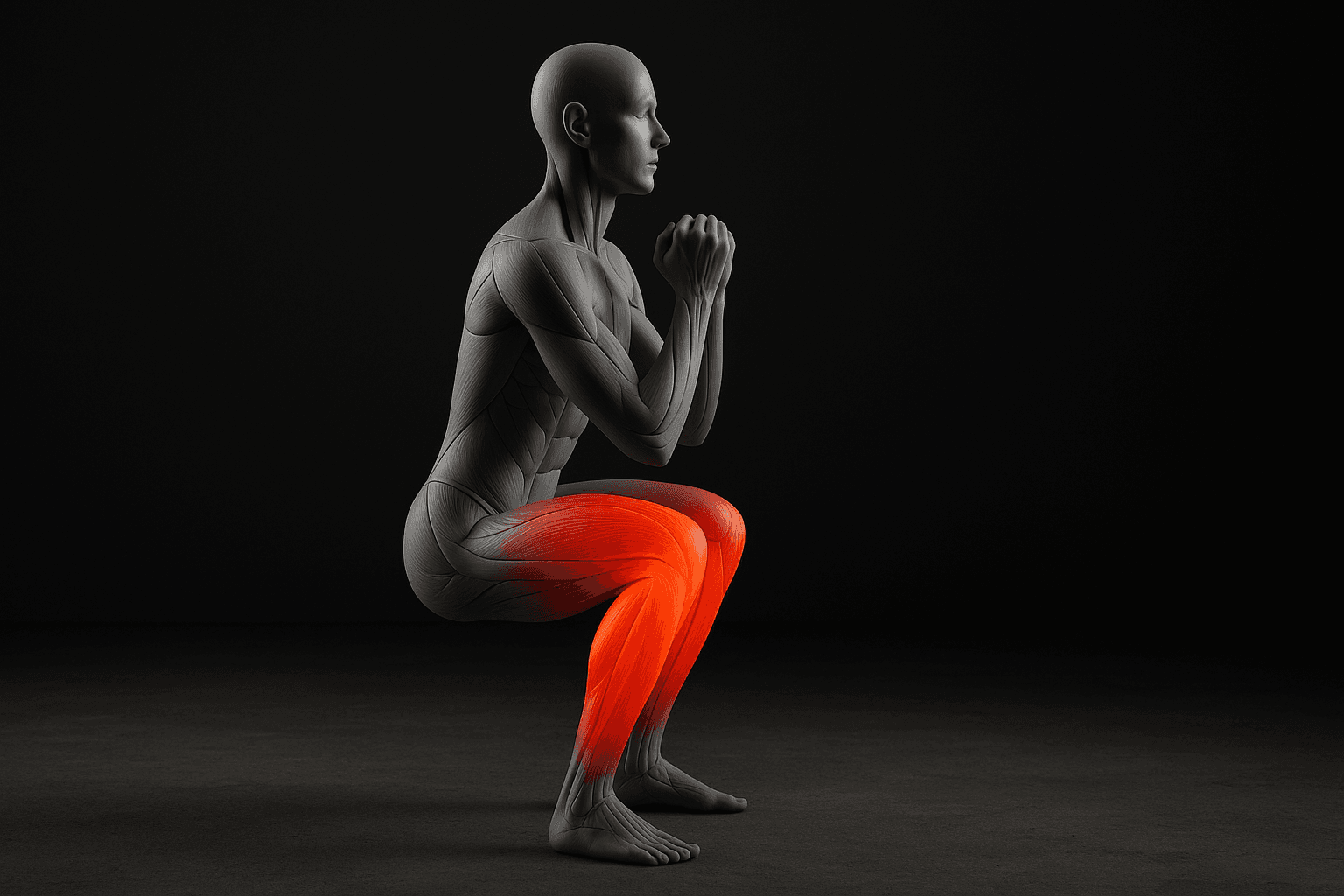
Photo by RepBro.
The most common push press mistakes are starting the press with the arms, dipping too deep, poor bracing/lower-back arch, a forward bar path, weak or mistimed leg drive, and a sloppy lockout. Each reduces efficiency, limits load, and raises injury risk; read the fix for each below.
Why am I starting the press with my arms instead of using my legs?
Why it happens: Lifters who learned the strict press first or who lack confidence in explosive hip drive often try to press early. Heavy ego-loading or poor cueing (“press the bar up”) also encourages arm-driven movement.
What it costs: You lose the push press’s primary advantage — using lower-body power to overload the upper body. Early arm pressing increases shoulder strain and stunts progress on heavier sets.
One concrete fix: Practice the timing drill. With a light barbell, practice a short dip (about 5–10 cm / 2–4 in) and explode upward without pressing until the hips have fully extended. Pause mid-shrug briefly to notice when leg drive stops and the arms should begin. Use a metronome or partner cue until timing is consistent.
Why am I dipping too deep on the push press?
Why it happens: Some lifters treat the dip like a squat and bend the knees deeply; others dip deep to generate more time for acceleration because they lack explosive hip extension.
What it costs: Too deep a dip breaks the quick stretch-shortening cycle, removes the elastic recoil advantage, and makes it harder to transfer force vertically. It also increases chance of forward torso lean, which shifts load to the shoulders.
One concrete fix: Make the dip a short, controlled ankle–knee–hip movement. Use a box or mark to limit how low you go (roughly a quarter squat depth). Drill shallow dip jumps or band-resisted city-block jumps to train rapid hip extension from a small countermovement.
Why does my lower back arch or my ribs flare during the push press?
Why it happens: Excessive arch usually comes from failing to brace the core, trying to compensate for weak shoulder strength with lumbar extension, or using loads beyond current control.
What it costs: Repeated extension under load increases lumbar stress and may cause discomfort or pain over time. It also ruins transfer of force from the hips to the bar.
One concrete fix: Learn to brace the midline. Before each rep, take a sharp diaphragmatic breath and brace as if expecting a punch. Keep ribs stacked over the hips by cueing “ribs down” and practice paused overhead holds with moderate weight until you can maintain neutral spine under load.
Why does the bar drift forward instead of going straight up?
Why it happens: A forward bar path is typically caused by early arm pressing, forward torso angle at the dip, or letting the bar ride away from the body in the catch phase.
What it costs: A forward bar path reduces mechanical efficiency, limits how much you can load, and increases stress on the anterior shoulder and rotator cuff.
One concrete fix: Groove a vertical bar path by keeping the bar close to the body. Drill wall-facing presses (standing a few centimeters from a wall) or slow, controlled push presses focusing on keeping the bar over mid-foot. Light touch cues—bar grazing the collarbone—help maintain proximity.
Why does my leg drive feel weak or poorly timed?
Why it happens: Weak hip extension, insufficient plyometric training, or unclear motor patterning (timing) can make the dip–drive ineffective. Fatigue and inappropriate load selection also blunt explosive output.
What it costs: Weak leg drive means you won't overload the shoulders effectively; you’ll need to use more arm strength and reduce total load lifted. That slows progression in overhead strength and power.
One concrete fix: Strengthen and train the hip drive separately. Use trap-bar or barbell jumps, hip thrusts, and tempo deadlifts for strength, and incorporate explosive practice with light loads focusing on aggressive hip extension. Pair technical push-press sets with accessory hip-extension work.
Why do I struggle with the lockout or get elbow pain on the push press?
Why it happens: A weak or late arm extension, poor shoulder stability, or incorrect grip width can make the lockout jerky and painful. Elbow pain often comes from aggressive hyperextension or poor bar tracking.
What it costs: Painful lockouts limit training volume and can lead to compensatory movement patterns that affect other lifts.
One concrete fix: Check grip and strengthen the triceps and shoulder stabilizers. Use close-grip overhead lockout work (rack lockouts or partial presses) and controlled eccentric practice. Make sure to finish with the arms stacked, elbows locked but not aggressively hyperextended.
| Common mistake | What it costs | Quick, actionable drill |
|---|---|---|
| Early arm press | Lost load potential; shoulder strain | Light timing drills: short dip + hip drive before arms |
| Too-deep dip | Lost elastic rebound; forward lean | Limit dip depth; shallow dip jumps |
| Poor bracing/arch | Lumbar stress; inefficient force transfer | Diaphragmatic brace + paused overhead holds |
| Forward bar path | Less mechanical advantage; joint stress | Wall-facing/close-bar-path slow presses |
| Weak/mistimed leg drive | Reduced overload; slower progress | Hip-drive plyometrics + light explosive push presses |
| Lockout/elbow pain | Limited volume; compensation | Rack lockouts, triceps strengthening, check grip |
How should I progress these fixes into my training?
Start technical corrections with light loads and low fatigue. Once the movement pattern feels reliable, gradually increase load while keeping reps per set moderate to preserve form. Maintain consistency: small, frequent practice of the correct pattern beats occasional heavy attempts with poor technique.
Safety note: Stop and seek professional evaluation for any sharp joint pain. This article does not diagnose conditions; consult a qualified coach or medical professional for persistent issues.
What can and can’t an app or AI do to fix my push press form?
Limitations: Automated apps or AI can provide cues, drills, and reference videos but cannot replace a live coach who can assess 3D movement, palpate muscle tension, or manage rehabilitation. They also can’t enforce consistency or address medical issues. A program only works if you follow it; consistency and supervised feedback yield the most reliable improvement.
If you want to record sets to self-check timing and bar path, use slow-motion phone video from the side and front. Review repeatedly against the cues above or bring footage to a qualified coach for targeted corrections.
Frequently asked questions
- What is the biggest push press mistake?
- The biggest push press mistake is initiating the movement with the arms before a strong leg drive. This wastes the lift’s power transfer, limits load, and increases shoulder strain. Fix it by practicing explosive hip extension with light loads and timing the arm push to start only after full leg drive.
- How do I stop arching my lower back during push press?
- Excessive lumbar extension usually comes from poor bracing or trying to lift too heavy. Train a neutral spine with a tight midline: brace like you’re about to be punched, keep ribs down, and practice paused overhead holds with moderate weight until you can maintain alignment under load.
- Why does the bar drift forward on my push press?
- A forward bar path often follows a forward torso lean or early arm press. It reduces mechanical advantage and stresses the shoulders. Correct it by keeping the bar close, driving the hips into the bar, and finishing with the arms stacked over the mid-foot; use wall-facing presses or slow presses to groove the path.