Push Press: Muscles Worked, Programming Role, and 4 Alternatives
Clear, evidence-aware guide to which muscles the push press trains, where it fits in a program, and four practical alternatives for equipment, injury, or plateau reasons.
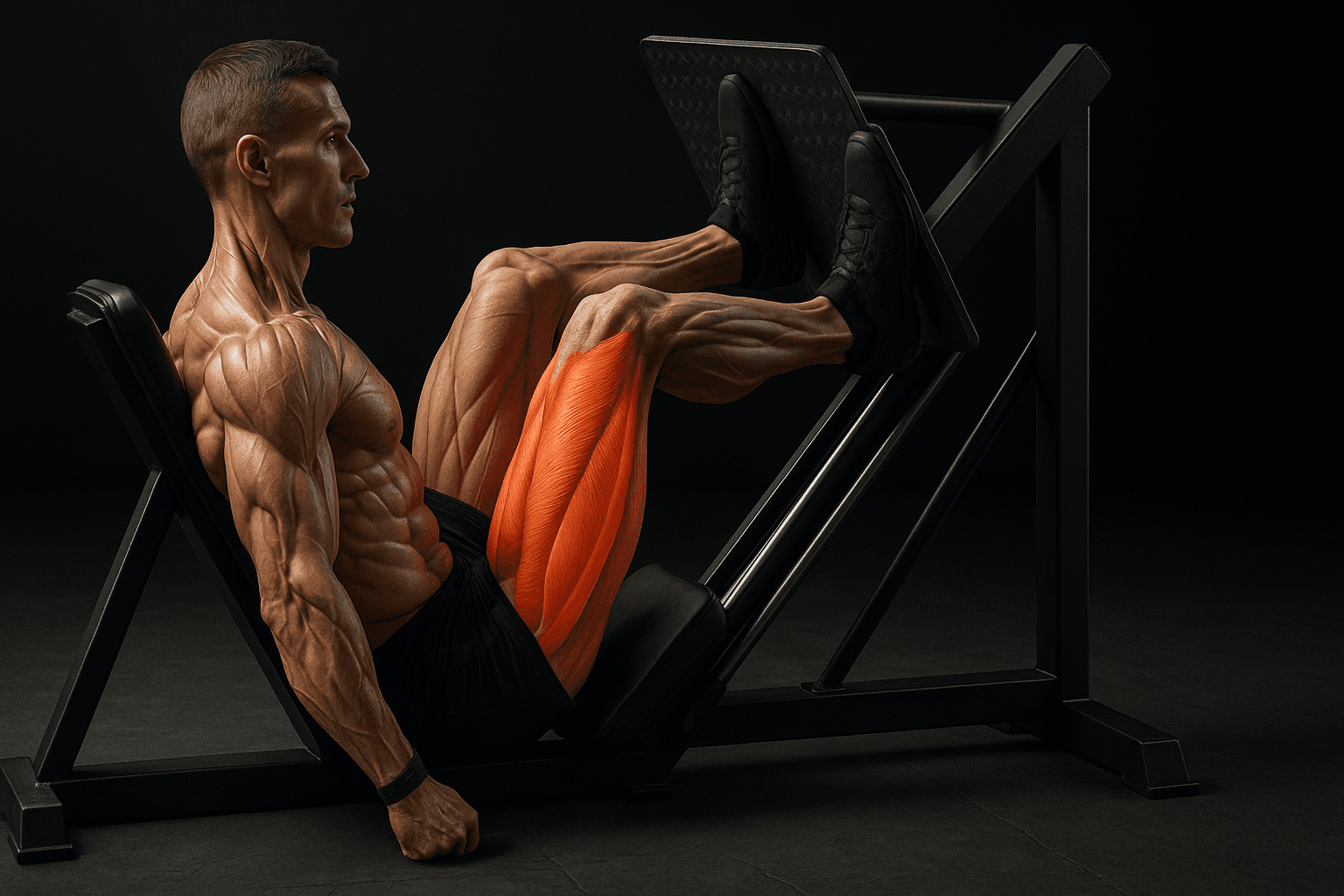
Photo by RepBro.
The push press primarily trains the shoulders (anterior and lateral deltoids) and triceps while using a dynamic leg drive that recruits glutes and quadriceps; it also taxes the upper chest, traps, serratus anterior, and the core for stabilization. It’s a power-strength hybrid useful for developing overhead force and transfer to other lifts.
What muscles does the push press train and how are they categorized?
Primary movers:
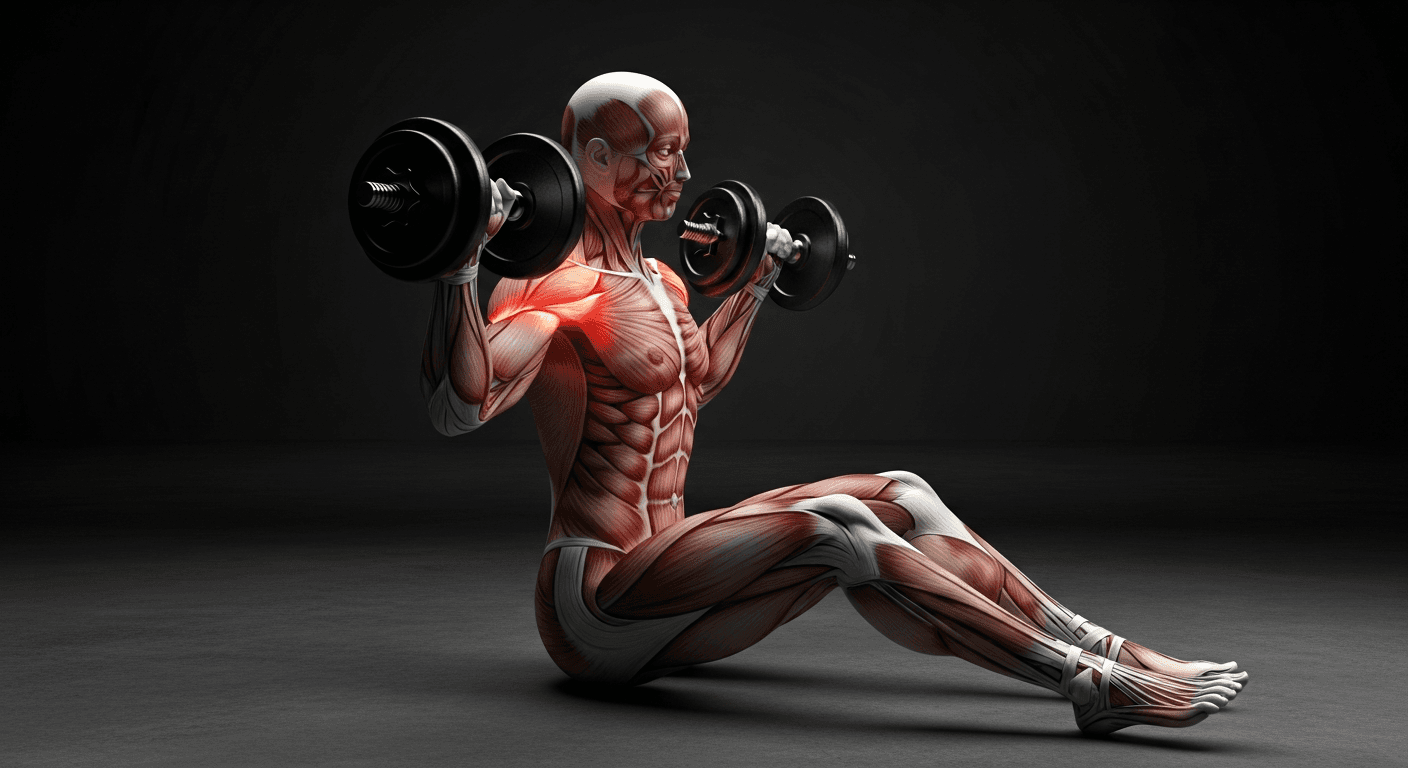
- Deltoids (anterior and lateral): drive the bar from shoulder to lockout.
- Triceps brachii: extend the elbow to finish the press.
Secondary and supporting muscles:
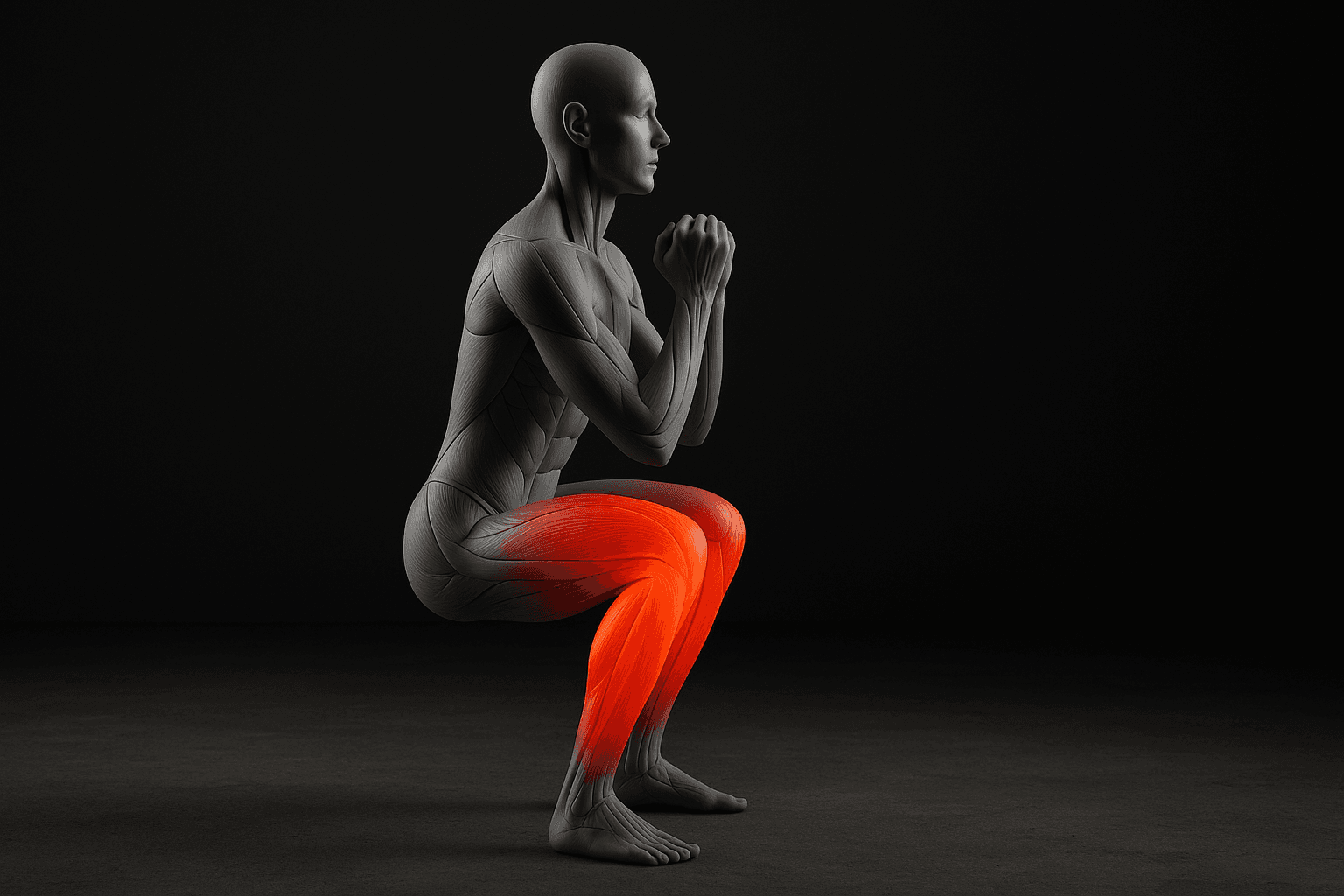
- Quadriceps and glutes: provide the dip–drive that starts the bar path.
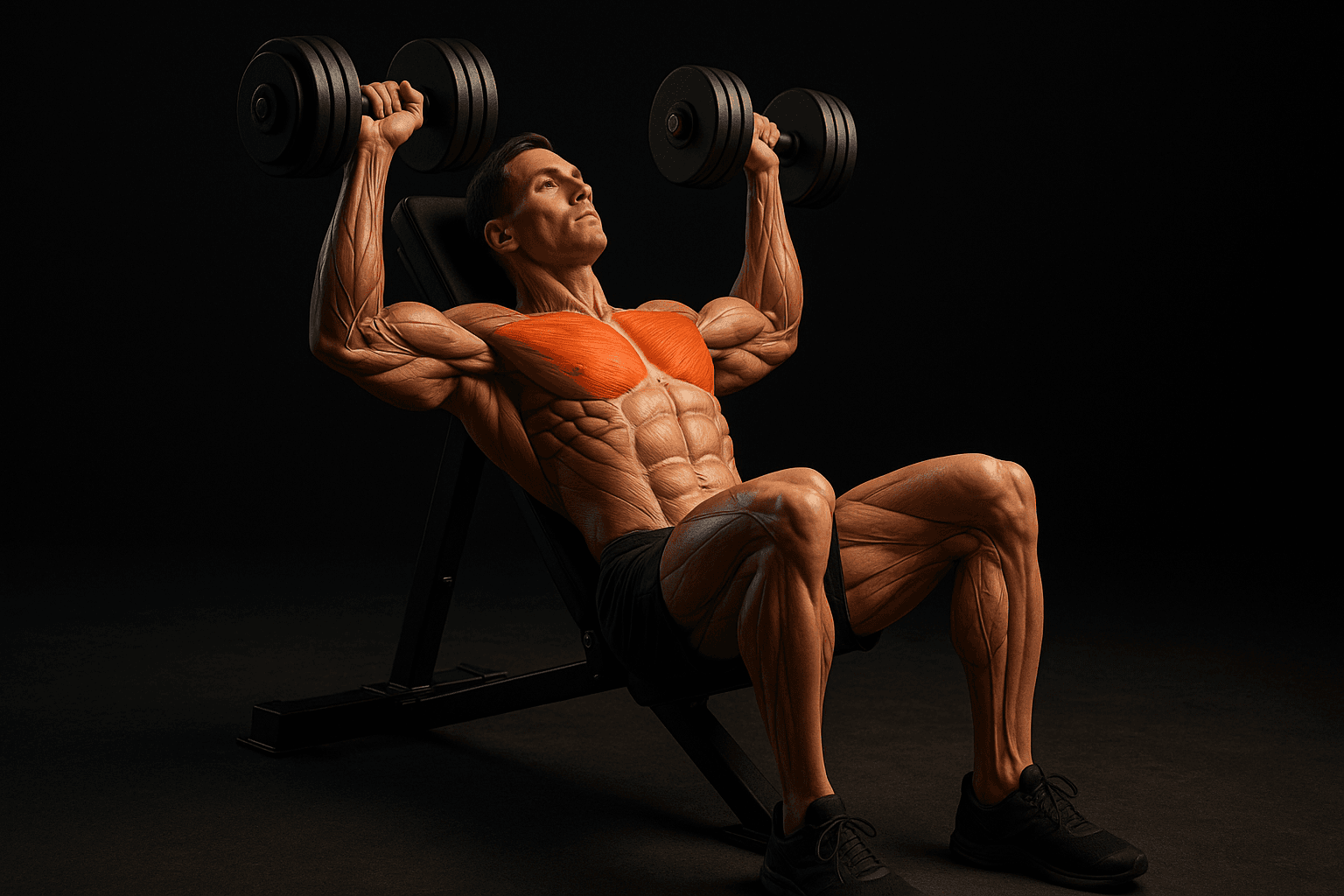
- Upper chest (clavicular pecs) and traps: assist in the finish and stabilize the shoulder girdle.
- Serratus anterior and rotator cuff: stabilize the scapula and humeral head under load.
- Core and obliques: resist extension and transfer force from legs to arms.
The push press is not a pure shoulder isolation movement—it is a coordinated, multi-joint expression of lower-to-upper kinetic chain power.
How should the push press be used in a program and when in a session?
Place push presses early in the workout when you are fresh and can move with intent and speed. For goal-based dosing, use established strength and power ranges:
- Power-focused: 3–6 sets of 1–5 reps with intent to move fast; rest 2–4 minutes between sets.
- Strength-focused: 3–6 sets of 3–6 reps with controlled but forceful drive; rest 2–4 minutes.
- Hypertrophy/conditioning: 3–5 sets of 6–12 reps, lighter load and stricter tempo (less ideal than strict press for pure size work).
Frequency: train overhead pressing patterns 1–3 times per week depending on recovery, overall upper-body volume, and proximity to heavy sessions in other lifts. Use autoregulation (RPE or reps-in-reserve) if fatigued. Plan deloads after several weeks of cumulative load—reduce intensity or volume for a week every 4–8 weeks depending on training age and stress.
What are the key technical cues and common errors?
Key cues:
- Set feet hip-width, grip just outside shoulder width.
- Clean the bar to shoulders (or rack with dumbbells); keep chest up and core braced.
- Perform a shallow dip (about 10–30% of a squat depth) with knees and hips; drive aggressively with legs and follow with the arms.
- Punch the bar overhead to full lockout, then stabilize before lowering under control.
Common faults:
- Excessive dip depth turning it into a push jerk or squat clean.
- Letting the bar drift forward overhead; aim for vertical bar path.
- Early arm press before completing leg drive, losing potential force transfer.
Which alternatives work well when equipment, injuries, or plateaus are factors?
Below are four practical alternatives and when to pick each.
| Exercise | Primary emphasis | Technical demand | When to pick |
|---|---|---|---|
| Strict (military) press | Shoulders, triceps (isolation) | Low–moderate | Shoulder-focused strength, rehab phases, lack of leg drive or when removing momentum to address weak sticking points |
| Push jerk / split jerk | Shoulders, triceps, legs (power & heavy loads) | High | Want higher loads and explosive transfer to Olympic-style overheads or to overcome a push-press plateau; requires technique practice |
| Dumbbell push press / kettlebell push press | Unilateral shoulder/triceps + legs | Moderate | No barbell available, reduce shoulder joint torque, address imbalances, or when wrist mobility limits barbell holds |
| Landmine press | Shoulders, core, unilateral stability | Low–moderate | Shoulder pain with vertical bar path, limited overhead ROM, or when you need progressive overload with safer arc and reduced shoulder torque |
How to choose between them
- Equipment limits: pick dumbbells or landmine presses if you lack a barbell or racks. Kettlebells work for home training.
- Shoulder pain or limited overhead ROM: landmine or unilateral dumbbell presses reduce strain and allow a more natural arc.
- Plateau in load: use the jerk pattern to train heavier loads, or cycle strict press phases to build raw pressing strength before adding leg drive again.
- Unilateral imbalances: dumbbell/kettlebell push press corrects side-to-side deficits.
How to progress and manage volume without overreaching?
Progression options:
- Load progression: add small weight increments when you can hit all prescribed reps for all sets while maintaining velocity and form.
- Rep progression: increase reps within the set range before adding weight.
- Intensity modulation: alternate weeks of heavier, lower-rep work with lighter, higher-velocity sessions.
Volume guidance follows mainstream resistance training consensus: choose sets and reps based on goal (see earlier ranges) and aim for 2–3 overhead sessions per week total workload split across variations. Monitor recovery—if bar speed drops or technique deteriorates, reduce volume or intensity and consider a deload week.
What safety checks should I follow?
Stop training and consult a qualified professional if you feel sharp or unusual pain. Start with light loads to learn the dip–drive timing and build shoulder stability. Keep the spine neutral, brace the core, and avoid hyperextending the lower back at lockout. This guidance does not diagnose or treat injuries.
Limitations: what apps and guides cannot do for you
No app or article can see your exact movement, feel your pain, or prescribe medical rehabilitation. Remote programs can't correct live technical flaws with full reliability. If you have persistent pain or a significant injury, seek assessment from a qualified healthcare professional. Any program only works if you consistently train and recover; adherence and individualized adjustments matter more than the specific tool.
If you want to log sets, velocity, or progression for overhead work, consider tracking with an app like RepBro to keep objective records of load and volume.
Practical closing: treat the push press as a power-strength tool—use it early in sessions, select set/rep schemes that match your goal, and pick an alternative when equipment, pain, or a plateau suggests a different stimulus. Follow sensible progression and rest, and consult professionals for technique or injury concerns.
Frequently asked questions
- Which muscles does the push press work?
- The push press primarily trains the shoulders (anterior and lateral deltoids) and triceps while using a rapid leg drive that recruits quadriceps and glutes. It also involves upper chest, traps, serratus anterior, and the core for stability and transfer of force overhead.
- How often should I include push presses in my program?
- Frequency depends on goal: for power or strength 1–3 times per week is typical. Keep volume moderate—multiple short sets of low reps for power/strength. Allow 48–72 hours recovery for the upper body session before reloading the same movement pattern.
- When should I choose a strict press instead of a push press?
- Use the strict press when you want to isolate the shoulders and triceps, limit leg involvement, or improve strict overhead strength for injury rehab or technique; reduce or remove leg drive and focus on controlled, full-range reps.