Reverse Curl: Muscles Worked and Practical Alternatives
Clear, evidence-aware guide to what muscles the reverse curl trains, where it fits in a program, and four practical alternatives for equipment limits, wrist issues, or plateaus.
Photo by RepBro.
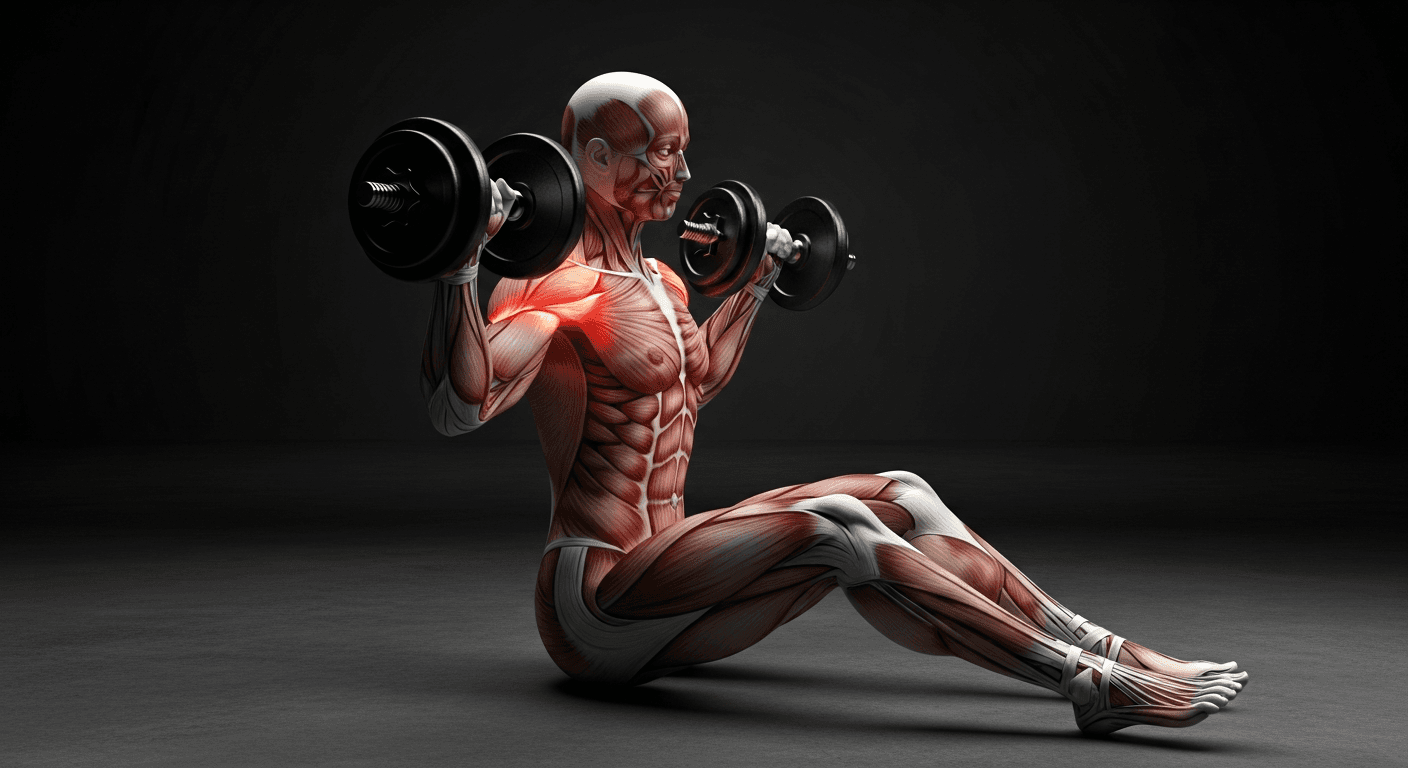
Reverse curl primarily trains the brachioradialis and the forearm extensors while also loading the brachialis and biceps brachii to a lesser degree. It’s an effective accessory for forearm size, grip strength, and balancing elbow-flexion mechanics; choose alternatives when equipment, wrist pain, or different adaptation priorities require it.
What muscles does the reverse curl work and which are primary vs secondary?
Primary muscles
- Brachioradialis: the main driver in elbow flexion when the forearm is pronated. Reverse curls place the brachioradialis under relatively high mechanical tension.
- Wrist/extensor group (extensor carpi radialis longus/brevis and other extensors): these act isometrically to stabilize the wrist in the pronated position and receive significant stimulus.
Secondary muscles
- Brachialis: contributes to elbow flexion across hand positions and still works under reverse curl.
- Biceps brachii: contributes less than in a supinated curl because supination increases biceps mechanical advantage.
- Forearm pronators and stabilizers: assist with wrist/forearm positioning.
Physiology note: changing grip (pronated vs neutral vs supinated) changes moment arms and muscle contributions — reverse curl shifts emphasis from biceps to forearm and brachialis.
How should I program reverse curls into a training week?
- Frequency: 1–3 sessions per week for small forearm/elbow-flexor work, depending on total arm volume and recovery.
- Sets and reps: common approaches are 3–6 sets of 6–12 reps for strength/hypertrophy blend, or higher reps (10–20) if you want more local muscular endurance and forearm hypertrophy. Use ranges consistent with your overall program.
- Progression: prioritize progressive overload via load, reps, or tempo. If you stall, change implement (dumbbell/bar/cable), vary tempo (slower eccentrics), or add volume gradually.
Keep reverse curls as an accessory after main pressing and pulling movements, or place them on an arm/forearm day. Because the muscles are small, total weekly direct sets of around 6–12 for forearm/brachioradialis work is a reasonable starting place; adjust based on response.
What are common form cues and mistakes?
Form cues
- Use a controlled arc: lift with the elbow remaining relatively stationary; drive the movement with the elbow flexors not momentum.
- Wrist position: keep the wrist in line with the forearm; avoid excessive wrist extension.
- Grip width and equipment: a barbell or EZ-bar gives bilateral loading; dumbbells allow unilateral control; cables keep constant tension.
Common mistakes
- Swinging the torso or using shoulder motion to cheat heavier weight.
- Letting the wrists collapse into excessive extension; that shifts load from forearm extensors to passive structures.
- Using too heavy a load and turning the exercise into a momentum lift rather than a targeted elbow-flexor/forearm stimulus.
Safety note: stop if you feel sharp or shooting pain in the wrist, elbow, or forearm. Consult a qualified professional for persistent pain. This article is informational, not diagnostic.
What solid alternatives are useful and when should I pick each?
Below are four practical alternatives and guidance on when to choose them.
-
Hammer curl (dumbbell, neutral grip)
- Why: Emphasizes brachioradialis and brachialis with less wrist extension torque than a pronated grip.
- When to pick: wrist pain with pronated grip, equipment limited to dumbbells, or when you want a slightly greater biceps/brachialis contribution.
-
Zottman curl (supinate up, pronate down)
- Why: Combines supinated concentric recruitment of biceps with eccentric pronated loading of forearm extensors.
- When to pick: you want the concentric biceps stimulus plus a targeted eccentric forearm/extension stress; useful for hypertrophy and tendon stimulus when pain-free.
-
Cable reverse curl (rope or D-handle)
- Why: constant tension and easier wrist position adjustments; can reduce swinging and allow higher volume safely.
- When to pick: you need controlled tension, want to manage wrist comfort, or are doing higher-rep accumulation work.
-
Farmer’s carry / heavy holds
- Why: not an elbow flexion exercise, but excellent for forearm and grip strength through isometric overload.
- When to pick: addressing grip strength or forearm size, or when elbow joint loading is problematic. Useful for functional strength and breaking plateaus in grip-related lifts.
How do these choices help with plateaus or injuries?
- Plateaus: change implement, rep range, or contraction type (slow eccentric sets) before adding lots of extra volume. Unilateral work and tempo control expose weak links.
- Wrist/elbow irritation: shift to neutral grips (hammer), cables with lighter load and higher reps, or isometrics. If pain persists, get assessed by a clinician.
Comparison: reverse curl vs common alternatives
| Exercise | Primary target | Equipment | When to pick | Pros / Cons |
|---|---|---|---|---|
| Reverse curl | Brachioradialis, wrist extensors | Barbell / EZ / Dumbbell | Forearm emphasis, balance elbow flexion | Direct forearm load; can stress wrist |
| Hammer curl | Brachioradialis, brachialis | Dumbbells | Wrist pain; unilateral work | Wrist-friendly; slightly more biceps involvement |
| Zottman curl | Biceps (concentric) + forearms (eccentric) | Dumbbells | Hypertrophy of both biceps and forearms | Time-consuming; demands coordination |
| Cable reverse curl | Brachioradialis, extensors | Cable machine | High-rep work; controlled tension | Constant tension; easy on momentum |
| Farmer's carry | Grip, forearms, whole-body | Dumbbells/kettlebells | Grip strength, plateaus | Functional; different stimulus (isometric) |
What limitations should I be aware of?
- No app or article can see your movement quality: video coaching or in-person assessment is required to correct nuanced form faults.
- If you have ongoing wrist, elbow, or shoulder pain, consult a qualified healthcare or rehab professional before loading the area.
- A program is only effective if you consistently follow it; selection of this exercise matters less than progressive overload and adherence.
Closing practical summary: reverse curls target the brachioradialis and forearm extensors and are a useful accessory for forearm size and grip. If pronated grip stress is problematic or you want slightly different muscle emphasis, choose hammer curls, Zottman curls, cable variants, or carries depending on your equipment and goals. Stop on sharp pain and seek professional help for persistent issues.
Frequently asked questions
- Does the reverse curl hit the biceps or forearms more?
- The reverse curl emphasizes the brachioradialis and forearm extensors more than the biceps brachii. The biceps and brachialis still contribute to elbow flexion, but with a pronated (overhand) grip their mechanical advantage is reduced so forearm muscles are the primary drivers.
- How often should I include reverse curls in my program?
- For growth and strength of small elbow-flexor and forearm muscles, include reverse curls 1–3 times per week depending on total upper-body volume. Use moderate loading and progressive overload; adjust frequency based on recovery and how many direct arm/forearm sets you already perform.
- Are reverse curls safe if I have wrist pain?
- Pronated reverse curls can aggravate wrist or distal radial issues. If you have wrist pain, choose neutral-grip alternatives (hammer curls), use cables or EZ-bars to reduce strain, or consult a healthcare professional before loading the area. Stop on sharp pain.