How Many Sets and Reps for the Reverse Curl?
Clear, evidence-aware guidance for reverse curl sets, reps, frequency, progression, and when to add weight vs add reps for strength, hypertrophy, and endurance.
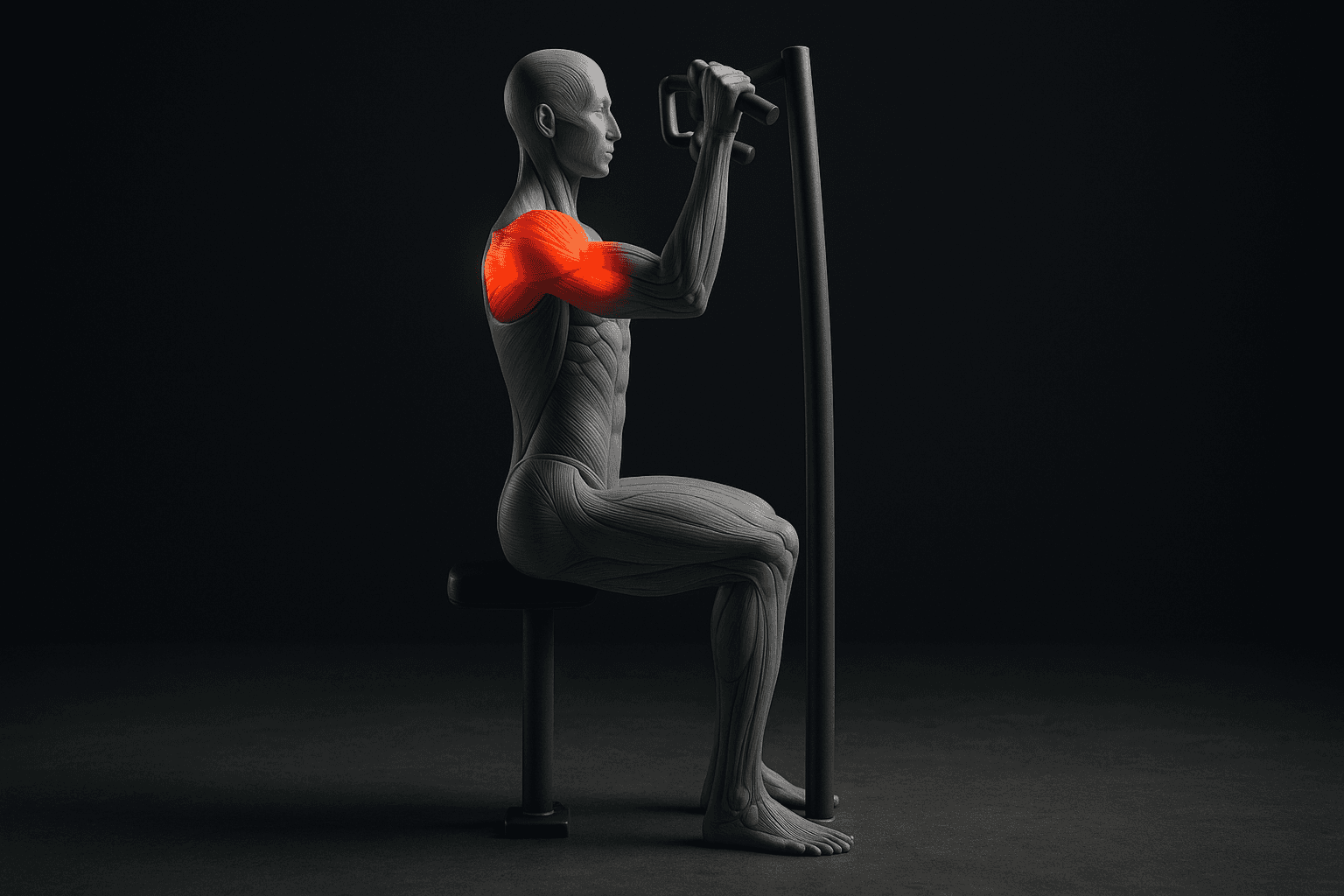
Photo by RepBro.
Direct answer (40–60 words):
Aim your reverse-curl sets and reps to match the goal: strength — 3–6 sets of 3–6 reps; hypertrophy — 3–5 sets of 6–12 reps; endurance — 2–4 sets of 15–25 reps. Train 2–3 times weekly as an accessory. Progress by adding reps to the top of range, then small weight increases.
What set and rep ranges should I use for strength, hypertrophy, and endurance?
-
Strength: 3–6 sets of 3–6 reps per session. Use heavier loads, slow eccentric control, and stop near technical failure (RPE ~8–9). Reverse curls are an accessory for elbow flexion/forearm strength, so keep volume moderate.
-
Hypertrophy: 3–5 sets of 6–12 reps per session. This falls into commonly recommended hypertrophy ranges used across the literature; tempo and time under tension matter less than total effective volume and proximity to failure.
-
Endurance: 2–4 sets of 15–25 reps. Use lighter weight, shorter rest (30–90 seconds), and focus on consistent tempo to train muscle endurance.
These are session ranges. Frequency (next question) and weekly volume determine adaptation.
How many times per week should I do reverse curls?
Train the reverse curl 2–3 times per week for most lifters. That frequency lets you accumulate useful weekly volume without overtaxing the small elbow flexor and forearm muscles. For example:
- Strength focus: 2–3 sessions/week of 3–6 sets each (total ~6–12 weekly sets).
- Hypertrophy focus: 2–3 sessions/week of 3–5 sets each (total ~9–15 weekly sets).
- Endurance focus: 2–3 sessions/week of 2–4 sets each (total ~4–12 weekly sets).
These weekly ranges align with general consensus on weekly volume for small muscle groups; they should be integrated with other pulling/biceps work.
How should I progress week to week on the reverse curl?
Use a simple, trackable progression model:
- Pick a target rep range for your goal (see above).
- Start with a weight you can complete for all sets with ~1–2 reps in reserve (RIR) or an RPE of 7–8.
- Progress by adding 1–2 reps to each set week to week while keeping form strict. When you can hit the top of the range on every set across a session, add a small weight increment (2.5–5% for barbells, 1–2.5 kg for dumbbells where possible) and drop back toward the low end of the rep range.
- If you can’t add reps for several sessions, hold weight and focus on technique, tempo, or slightly increasing set count before adding load.
This rep-first-then-weight approach is practical for accessory lifts and is commonly used because microloading can be limited on small implements.
How do I know whether to add weight or add reps?
Clear signals:
- Add reps when you complete all planned sets at the top of the rep range with the intended RPE (e.g., 3 sets × 12 reps at RPE 7–8).
- Add weight when you can do the top of the rep range across all sets for two consecutive sessions, and technique is solid.
- If you fail to reach the rep target on most sets or form deteriorates, do not add weight. Instead, keep the load, reduce rest, or add one extra set.
Use small weight jumps—because the reverse curl targets smaller muscles, tiny increases are more manageable than large jumps.
How should reverse curls fit into a program and which variations matter?
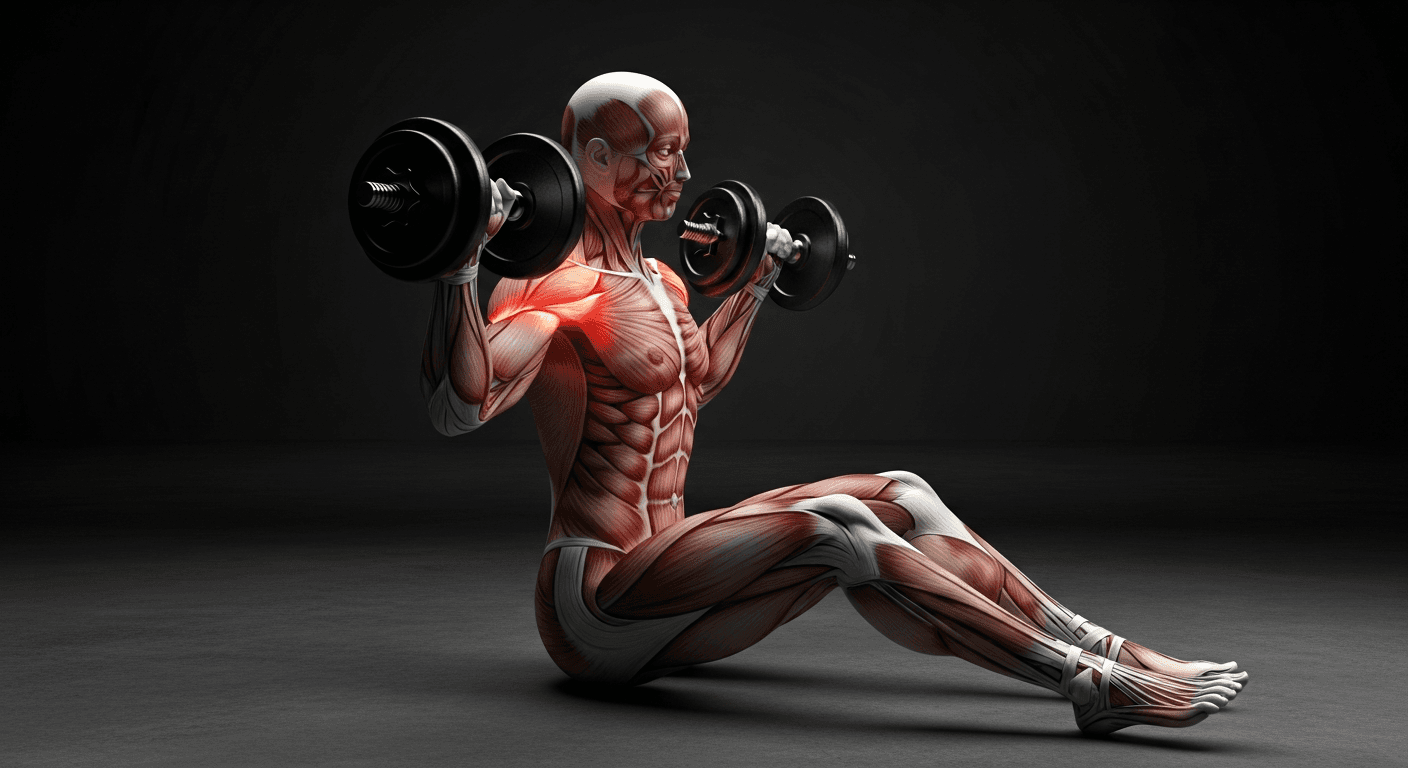
Treat reverse curls as an accessory movement after heavier compound pulls. They emphasize brachioradialis and brachialis more than a supinated curl.
Common variations:
- Barbell reverse curl (straight or EZ bar): good for load and stability.
- Dumbbell reverse curl: slightly more forearm demand and easier microloading.
- Cable reverse curl: constant tension, useful for higher-rep work.
Choose variations to avoid joint discomfort and to manage loading increments.
Comparison of recommended ranges by goal:
| Goal | Sets per session | Reps per set | Frequency per week | Weekly sets estimate |
|---|---|---|---|---|
| Strength | 3–6 | 3–6 | 2–3 | ~6–12 |
| Hypertrophy | 3–5 | 6–12 | 2–3 | ~9–15 |
| Endurance | 2–4 | 15–25 | 2–3 | ~4–12 |
What are the safety and technique points I should watch?
- Keep a neutral wrist; avoid excessive deviation that shifts stress to the wrist joint.
- Use a controlled tempo—avoid jerking the weight. Emphasize a steady eccentric phase.
- Stop on sharp or unusual joint pain; consult a qualified professional if pain persists.
- Don’t treat reverse curls as the only forearm/biceps work—balance with supinated curls and compound rows.
Safety note: this is general guidance, not medical advice. If you have pre-existing wrist, elbow, or shoulder issues, consult a clinician or experienced coach before loading heavy.
What are realistic short-term progression expectations?
Expect gradual increases: over several weeks you should be able to add a few reps per set or small weight increments if training consistently. Progress will be slower for small accessory muscles than for major lifts; consistency and incremental load matter more than rapid change.
Limitations — what apps and AI cannot do for your reverse curl training
- No app or AI can see your live technique and correct subtle errors; video review with a coach or clinician is necessary for form correction.
- Apps can track sets, reps, and load but cannot diagnose injuries or replace medical advice; for persistent pain or rehab work consult a qualified professional.
- A plan is only effective when performed consistently with recovery, sleep, and nutrition; no software can substitute for adherence.
If you track workouts digitally, many lifters log reverse-curl progress in their training app. If you use an app, choose one that allows microload steps and RPE tracking — for example, RepBro supports simple, incremental progression.
If you want a brief, printable 8–12 week accessory progression for reverse curls tailored to strength or hypertrophy, tell me your current weight/reps and I’ll produce one.
Frequently asked questions
- How many sets and reps should I do for reverse curls if my goal is hypertrophy?
- Aim for 3–5 sets of 6–12 reps per session, performed 2–3 times per week. Target weekly volume of roughly 9–18 sets for the elbow flexors as part of total arm work. Use controlled tempo and stop a rep or two before failure (about RPE 7–9).
- How often should I perform reverse curls for strength gains?
- For strength, perform reverse curls 2–3 times per week using heavier loads: 3–6 sets of 3–6 reps. Keep sets relatively close to failure (RPE 8–9) and keep total weekly sets modest to allow recovery—treat the reverse curl as an accessory, not a primary lift.
- When should I add weight versus add reps on the reverse curl?
- Progress by adding reps first: once you can complete the top of the target rep range for all sets with your planned RPE, add a small increment of weight and drop back to the low end of the range. If you miss rep targets repeatedly, hold weight steady and add quality reps or improve technique.