Romanian Deadlift Alternatives at Home (Minimal Equipment)
Four practical at-home substitutes for the Romanian deadlift using bodyweight, dumbbells or bands, what they keep/lose versus the barbell RDL, and when to return to the gym.
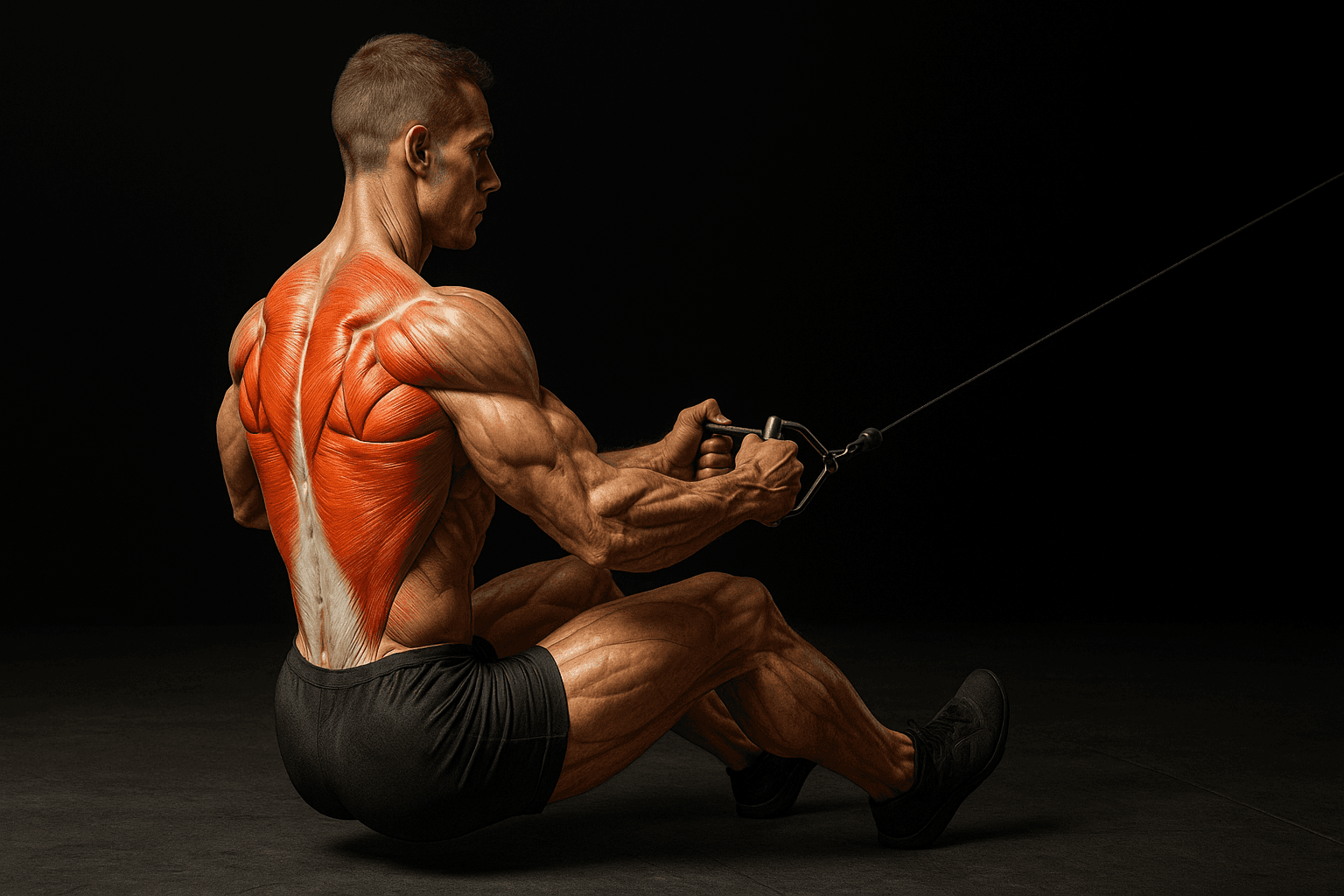
Photo by RepBro.
Yes. Dumbbell RDLs keep the hip‑hinge pattern, eccentric hamstring loading, and low‑back bracing but lower your max load and change balance compared with a barbell RDL. Below are four solid at‑home RDL substitutes (bodyweight, dumbbell, band) with trade‑offs, progressions, and when to seek a gym.
What does the Romanian deadlift do that I should try to preserve?
The RDL trains the posterior chain via a loaded hip hinge with controlled eccentric lengthening of the hamstrings and force production from the glutes and spinal erectors. Key elements to preserve: a hip‑hinge movement, adequate eccentric time under tension, gradual progressive overload, and a spine‑neutral brace.
Which at‑home alternatives truly replicate the RDL and what do they change?
Below are four practical substitutes. Each entry explains what it preserves and what it sacrifices compared with a loaded barbell RDL.
- Dumbbell Romanian Deadlift
- Equipment: one or two dumbbells (or a loaded backpack).
- What it preserves: hip hinge mechanics, eccentric hamstring loading, spinal bracing, and bilateral movement pattern.
- What it loses: absolute load ceiling and the exact bar path/stability of a barbell. Grip or dumbbell size can limit progression earlier than a bar.
- When to use: daily home training, hypertrophy and strength up to moderate loads. Progress by adding weight, reps, or slowing eccentric tempo.
- Single‑Leg RDL (dumbbell or bodyweight)
- Equipment: optional dumbbell or none.
- What it preserves: hip hinge and eccentric hamstring demand; increases unilateral stability and balance.
- What it loses: maximal bilateral force production and identical loading symmetry of a barbell RDL. Less absolute loading per side, but high relative load to each hamstring.
- When to use: if you lack heavy weights or want to correct side‑to‑side imbalances. Progress by increasing weight or reducing assistance.
- Banded RDL (standing band or anchored band)
- Equipment: medium‑to‑heavy resistance band anchored under feet or to a low point.
- What it preserves: hip hinge, variable resistance that increases at the top, and eccentric control. Bands allow high time‑under‑tension without heavy plates.
- What it loses: linear loading feel of a barbell and precise load increments; bands provide different tension curves and can challenge shoulders/grip differently.
- When to use: good when you have limited weight but want progressive overload by changing band stiffness or sets/reps.
- Nordic hamstring curl (assisted with band) or eccentric‑focused hamstring lowers
- Equipment: anchor point (furniture, partner) and possibly a band.
- What it preserves: very high eccentric hamstring demand and strength carryover for knee‑flexion strength.
- What it loses: hip‑hinge practice and glute/low‑back loading compared to an RDL. Nordic curls are knee‑dominant and less transfer to a hinge movement.
- When to use: when you want to prioritize hamstring eccentric strength and injury‑resilience work; pair with hinging exercises for balance.
How should I program these alternatives into my weekly routine?
- Frequency: train posterior chain 2–3 times per week.
- Volume: aim for 10–20 weekly sets for hamstrings and glutes combined, split across sessions (the literature supports a wide range; this bracket is a practical target for hypertrophy).
- Intensity/Progression: use progressive overload — increase load, add reps, slow the eccentric, or move to harder variations. When equipment limits weight, increase sets, reduce rest, or add tempo (e.g., 3–4 second eccentrics).
- Rep ranges: use 6–20 reps depending on load and goal. Lower reps with heavier weight for strength, higher reps or slower tempo for hypertrophy and eccentric focus.
- Deloads: include a lighter week every 4–8 weeks depending on total stress and recovery.
What's a useful at‑home progression plan for two sessions per week?
Session A: heavier focus
- Dumbbell RDL: 3–5 sets × 6–10 reps (moderate‑heavy)
- Single‑leg RDL: 2–3 sets × 6–8 reps per side
Session B: volume/eccentric focus
- Banded RDL or slow-tempo dumbbell RDL: 3–4 sets × 8–15 reps with 3–4 sec eccentrics
- Nordic curl (assisted): 3 sets × 5–8 reps (controlled eccentrics)
Adjust total weekly sets toward the 10–20 range for the posterior chain. Track RPE and add a small progression each week (weight, reps, or slower tempo).
How do these swaps affect carryover to heavy barbell deadlifts or competition lifts?
- If your priority is maximal barbell strength or meeting a competition‑specific adaptation, barbell training provides the most direct transfer because of load, bar path, and bilateral patterning.
- Dumbbell and band variations maintain general posterior‑chain strength and hypertrophy, and single‑leg work improves unilateral control. But they may not fully replace heavy barbell overload when absolute force transfer is needed.
Comparison table: how do home alternatives stack up against a barbell RDL?
| Exercise | Equipment | Preserves | Loses | Load ceiling | Best use case |
|---|---|---|---|---|---|
| Barbell RDL | Barbell/plates | Bilateral hinge, load, bar path | — | Very high | Gym strength/hypertrophy/competition |
| Dumbbell RDL | Dumbbells | Hinge, eccentric control, bracing | Max load, exact bar feel | Moderate | Home strength/hypertrophy |
| Single‑leg RDL | Dumbbell or bodyweight | Hinge, unilateral strength | Bilateral absolute load | Low–moderate | Balance, unilateral work, rehab |
| Banded RDL | Bands | Hinge, variable tension | Different tension curve, less precise increments | Moderate (via band tension) | High TUT when weights limited |
| Nordic curl | Anchor/band | Hamstring eccentric strength | Hip hinge and glute bias | Low | Eccentric emphasis and injury resilience |
When is it time to go back to a gym for barbell RDLs?
- You regularly hit the load ceiling of your dumbbells/bands and can no longer progress.
- You need specific barbell carryover for competition, technique work, or maximal strength testing.
- You want a coach to view and correct subtle technical issues under heavy load.
Safety note: stop any exercise that causes sharp or unusual pain. Maintain a neutral spine and braced core during hinges. If you have a recent injury or pain, consult a qualified health professional before loading. This article does not diagnose or promise injury prevention.
What limitations should I be honest about?
- No app or article can perfectly assess or correct your form remotely; video feedback from a qualified coach is ideal.
- AI guidance can’t replace hands‑on assessment for existing injuries or clinical rehab — see a physiotherapist or sports clinician.
- A program only works if you show up consistently; adherence and progressive overload matter more than the exact exercise choice.
If you track workouts, tools such as RepBro can help log variations and progress over time.
If you need a short home session today: pick one hinge (dumbbell RDL or single‑leg RDL) and one hamstring eccentric (assisted Nordic or slow negatives), do 3–4 sets each, and progress week to week. Over several months this will maintain and build posterior‑chain strength until heavier barbell options are available.
Frequently asked questions
- Can I replace barbell RDLs with dumbbell RDLs at home?
- Yes. Dumbbell RDLs keep the hip-hinge pattern, eccentric hamstring work, and spinal load but reduce maximum load and bar path stability. They’re an appropriate substitute for strength and hypertrophy until you need heavy bilateral loading or bar-specific carryover for competition.
- How often should I train hamstrings if using alternatives at home?
- Train the posterior chain 2–3 times per week using a mix of hinge and knee‑flexion exercises. Aim for 10–20 weekly sets for hamstrings and glutes combined, distributed across sessions, and use progressive overload (more load, reps, or harder variations) over time.
- When is it necessary to go back to a gym for barbell RDLs?
- Return to a gym if you need higher absolute load, barbell-specific carryover for lifts or sports, or when dumbbells/bands can’t reach training intensity despite progressing sets and tempo. Also seek gym supervision for maximal strength testing or technical coaching.