Sumo Deadlift Alternatives at Home (Minimal Equipment)
Practical at-home alternatives to the sumo deadlift using dumbbells, bands, and bodyweight. What each exercise preserves, what it loses, and when to return to a gym.
Photo by RepBro.
What to do when you can't sumo deadlift at the gym?
Use wide-stance dumbbell deadlifts, banded sumo pulls, goblet wide squats, dumbbell Romanian deadlifts, and hip-thrust or single-leg bridge work. These exercises preserve hip-dominant strength and adductor involvement but usually lose maximal loading, floor mechanics, and the specific neural patterning of heavy sumo deadlifts.
What are practical sumo deadlift alternatives at home?
- Wide-stance dumbbell deadlift (dumbbells required)
- How to: Hold a single heavy dumbbell or two light ones between the legs. Use a wide stance like a sumo, hips lower, chest up, hinge from the hips to stand. Pause at lockout.
- What it preserves: Hip abduction/adduction angle, more upright torso than conventional, posterior chain hip extension demand.
- What it loses: Absolute load capacity compared with a barbell, toes/grip orientation for heavy triples or singles, and the exact floor-to-lockout bar path.
- When adequate: Great for strength cycles and hypertrophy when you can progressively overload with heavier dumbbells.
- Banded sumo deadlift or band-resisted pull (bands required)
- How to: Stand on a band or attach bands low, step wide, hinge and pull against band tension emphasizing hip drive.
- What it preserves: Variable resistance through the lockout, hip-dominant motor pattern, and stance-specific demands.
- What it loses: High absolute load and the stable barbell setup; band tension can change loading feel compared with plates.
- When adequate: Useful for overload at end ranges, speed work, or when bar availability is low.
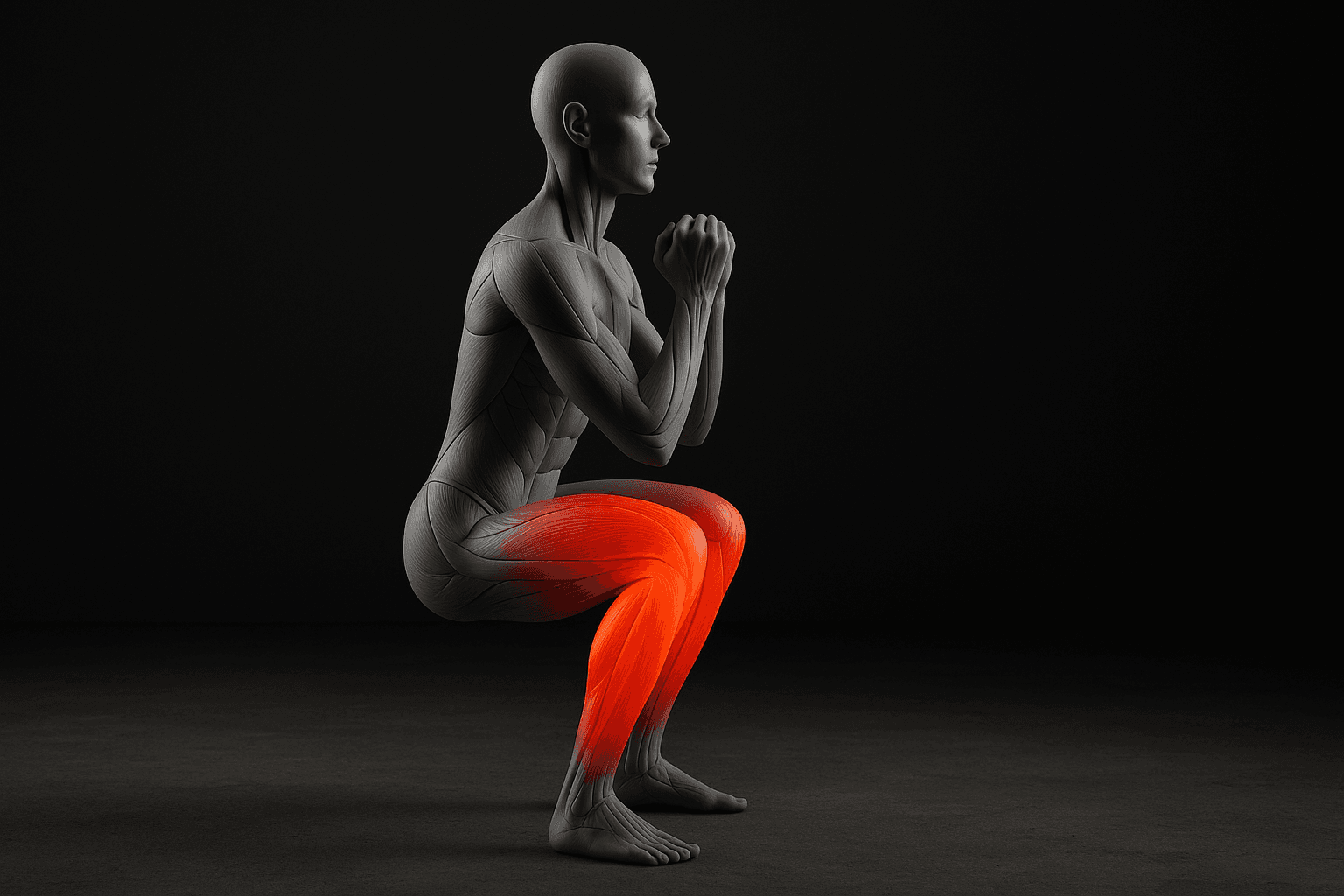
- Goblet wide (sumo) squat (dumbbell or kettlebell)
- How to: Hold a weight at chest, take a wide stance with toes slightly out, descend with knees tracking out and chest up. Push through heels to stand.
- What it preserves: Adductor activation and a more upright torso, useful for learning hip-knee relationships in the sumo stance.
- What it loses: Direct hip hinge and hamstring length-tension of a deadlift; less emphasis on pulling from the floor.
- When adequate: Good for accessory work, improving stance comfort, and increasing quad/adductor strength relevant to sumo lockout.
- Dumbbell Romanian deadlift (single or double dumbbell)
- How to: Hip hinge with a neutral spine, lower dumbbells along the legs until hamstring stretch, then stand by driving hips forward.
- What it preserves: Hip hinge mechanics and eccentric control for hamstrings and glutes.
- What it loses: The start-from-floor strength requirement and the bar path specificity of sumo deadlifts.
- When adequate: Best for building posterior chain strength and hamstring resilience; pair with heavier wide-stance pulls when possible.
- Hip thrusts and single-leg glute bridges (bodyweight or dumbbell)
- How to: Upper back on a bench (or floor for bridges), load across hips if possible, drive hips to full extension squeezing glutes.
- What it preserves: Maximal hip-extension strength and lockout-specific strength.
- What it loses: The floor pull and the upright torso/stance coordination of sumo deadlifts.
- When adequate: Highly useful for improving lockout strength and glute hypertrophy when barbell work isn't available.
How do these exercises compare directly to the sumo deadlift?
| Exercise | Equipment | What it preserves | What it loses | When it's an adequate swap |
|---|---|---|---|---|
| Wide-stance dumbbell deadlift | Dumbbells | Hip angle, upright torso cue, posterior chain load | Heavy absolute load, floor bar path | When you have progressive dumbbells and want similar movement pattern |
| Banded sumo pull | Bands | Lockout emphasis, band-accentuated hip drive | Stable heavy load, exact bar weight progression | When you need speed/overload without plates |
| Goblet wide squat | Dumbbell/kettlebell | Adductor and upright torso practice | Hip hinge emphasis, hamstring stretch | For stance work and accessory strength |
| Dumbbell RDL | Dumbbells | Hip hinge mechanics, hamstrings | Floor-to-lockout pattern, wide stance specifics | For posterior chain volume and control work |
| Hip thrust / bridges | Bodyweight/dumbbell | Lockout strength, glute activation | Pulling from the floor, stance mechanics | To increase glute strength and transfer to deadlift lockout |
How should I program these alternatives to keep getting stronger?
- Frequency: Train the posterior chain 2–3 times per week, separating heavier and volume-focused sessions. This aligns with consensus recommendations to target muscle groups multiple times weekly for strength and hypertrophy.
- Rep ranges: Use lower reps (2–6) for heavy strength work when load allows; use moderate reps (6–12) for hypertrophy and higher reps (12–20) for tempo or conditioning. Select ranges based on your goal.
- Progression: Increase load, increase reps, or reduce rest to progress. Track RPE or reps-in-reserve to avoid chasing failure on every set.
- Deloading: Schedule planned lighter weeks when fatigue accumulates; reduce intensity or volume for several sessions to recover.
Safety note: stop if you feel sharp pain; if you have a history of back or hip injury consult a qualified professional before attempting loaded variations. This article does not diagnose or treat injuries.
When is substituting not enough — when should I go back to a gym?
Return to a gym if any of these apply:
- You need to practice heavy singles or low-rep strength with barbell loading and competition-style cues.
- Progress stalls despite consistent overload with at-home options and you lack heavier implements.
- You want coach feedback on bar path, setup tension, or technical troubleshooting that requires live observation and heavier loading.
What precautions should I take when swapping movements?
- Focus on technique: a controlled hip hinge, neutral spine, and braced core transfer across most of these alternatives.
- Warm up hips, hamstrings, and adductors before heavy sets.
- Prioritize gradual loading — sudden jumps in load raise injury risk.
What can't an app or AI do for my deadlift training?
- See and correct your movement in real time. Video can help, but no app fully replaces a trained coach who can palpate, cue, and progress you live.
- Diagnose injuries or prescribe individualized rehab — that requires a clinician.
- Replace consistency and effort. A plan only works if you follow it.
Limitations
This guide outlines practical substitutes for the sumo deadlift but doesn't replace individual coaching or medical advice. If you have persistent pain or a complex injury, consult a qualified clinician. If you want to log sets and track RPE, apps like RepBro can help organize progress but cannot see or correct your form.
Summary
At-home alternatives can preserve the hip-dominant pattern, adductor involvement, and lockout strength of the sumo deadlift, but they typically reduce absolute loading and the exact floor-to-lockout bar mechanics. Use wide-stance dumbbell pulls, banded sumo pulls, goblet wide squats, RDLs, and hip-thrust variations in a planned program (2–3 sessions/week) and return to the gym when you need heavy barbell specificity or live coaching.
Frequently asked questions
- What can I do at home when I can't perform a sumo deadlift?
- Use wide-stance dumbbell deadlifts, goblet wide squats, dumbbell Romanian deadlifts, band-resisted sumo pulls, and hip-dominant bodyweight moves. Each keeps parts of the sumo pattern (hip emphasis, adductor involvement) but usually limits top-end load and floor-to-lockout cueing.
- Will these alternatives build the same strength as the sumo deadlift?
- They can maintain and improve hip-hinge strength, glute and hamstring capacity, and adductor work, but they rarely replace heavy loaded practice for maximal lifts. Use them for strength progressions, higher volume, or while you lack equipment.
- When should I return to the gym for actual sumo deadlifts?
- Return to gym sessions when you need heavy single- or low-rep practice, to learn the floor-to-lockout tension pattern with heavy loads, or if your progress stalls despite consistent overload with the at-home options.