T‑Bar Row Alternatives at Home (Minimal Equipment)
Practical at‑home substitutes for the T‑bar row using dumbbells, bands, and bodyweight. What each preserves, what it loses, and when you need a gym.
Photo by RepBro.
Short answer: Do single‑arm or two‑arm dumbbell rows, inverted (Australian) rows, chest‑supported incline dumbbell rows, and banded T‑bar style rows. Each preserves key horizontal‑pull mechanics but trades off absolute loading, stability, or resistance curve — adequate for long‑term work until you need maximal heavy loading at a gym.
What practical T‑bar row alternatives can I do at home with minimal equipment?
Here are five substitutes that work with dumbbells, bands, or bodyweight. For each I explain what it preserves from a T‑bar row and what it sacrifices.
- Two‑arm dumbbell row (standing bent‑over)
- Equipment: two dumbbells or a heavy single dumbbell.
- Preserves: hip hinge pattern, bilateral horizontal pull, and capacity for progressive overload with heavier dumbbells or slow tempo.
- Loses: the rigid bar path and the ability to load very heavy symmetrically like a barbell T‑bar; more demand on spinal stability.
- When adequate: when you can increase load or reps across sessions and your lower back can tolerate a hinge.
- Single‑arm dumbbell row (bench‑supported or staggered stance)
- Equipment: one dumbbell and a bench or support.
- Preserves: unilateral loading to fix imbalances, scapular retraction, and a long lat-oriented ROM.
- Loses: simultaneous bilateral loading and the same absolute load per side as heavy barbell setups; greater emphasis on torso bracing if unsupported.
- When adequate: if one side is lagging or you need to focus on clean technique and full ROM.
- Inverted (Australian) row
- Equipment: a sturdy bar, suspension trainer, or a low horizontal surface (table edge); bodyweight.
- Preserves: horizontal pull mechanics, scapular control, and ability to manipulate difficulty with foot position.
- Loses: absolute external load beyond bodyweight unless you add weight (vest/backpack), and the same loading progression granularity as weights.
- When adequate: for conditioning, hypertrophy early in a program, or for trainees who need lower back rest.
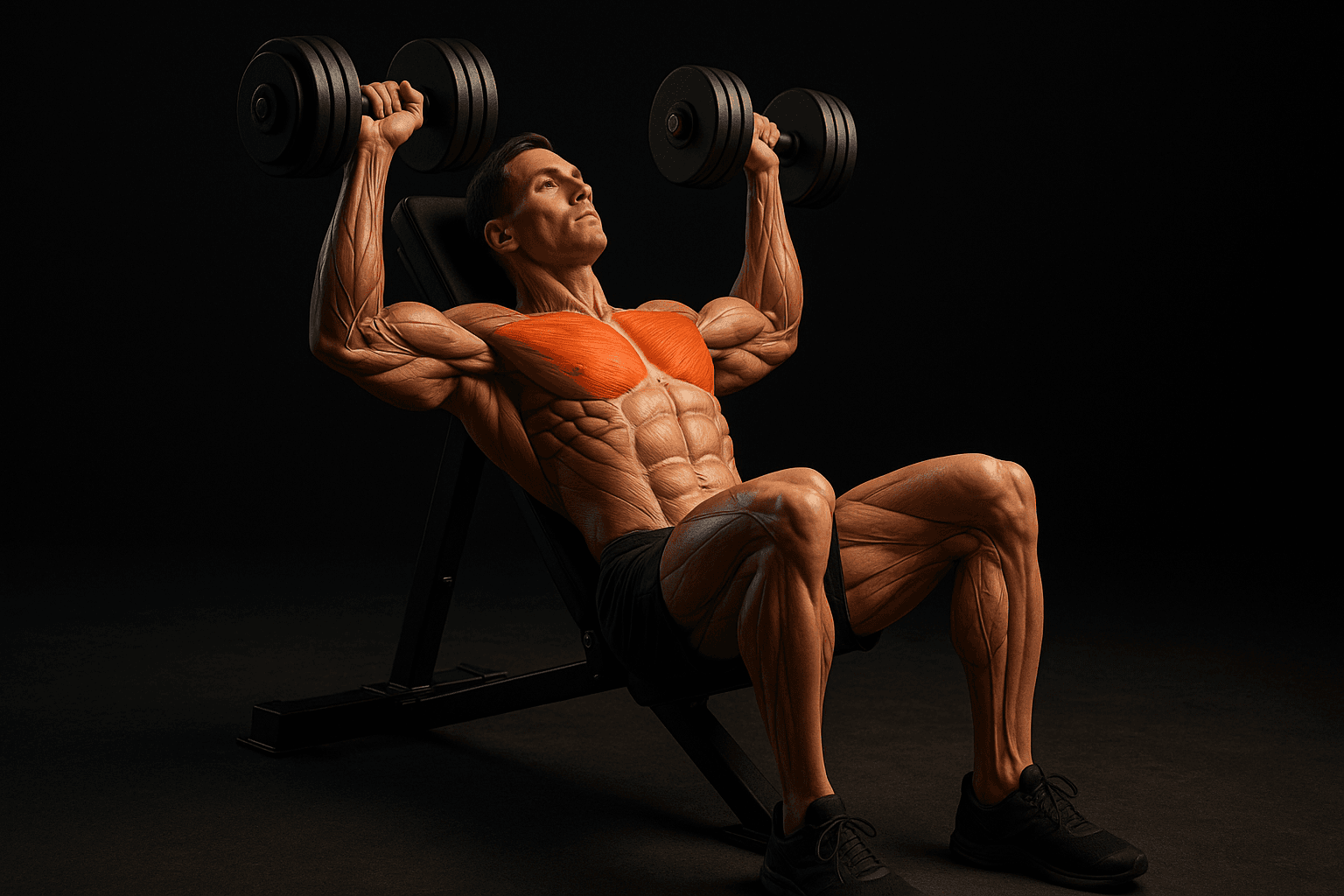
- Chest‑supported incline dumbbell row
- Equipment: adjustable bench set at ~30–45° and dumbbells.
- Preserves: strong isolation of mid‑back and lats while removing lumbar loading; cleaner rowing path.
- Loses: core and hip hinge strengthening; less carryover to deadlift‑type stability.
- When adequate: during lower‑back rehab phases or when you want to prioritize scapular and upper‑back hypertrophy.
- Banded T‑bar style row (single anchor under foot or looped around a heavy object)
- Equipment: heavy resistance band(s) and a handle or bar.
- Preserves: angled T‑bar feel and constant tension through the pull; easy to vary angle and grip.
- Loses: linear load increments and the flat resistance curve of iron; the band’s increasing tension near lockout changes muscle emphasis.
- When adequate: when you need portable, scalable resistance and a lifter can progress band resistance or add sets/reps.
How do these substitutions change programming and progression?
Use the same training principles you would for T‑bar rows: progressive overload, controlled tempo, and sufficient volume. Evidence‑based practice supports training a muscle group about 2–3 times per week for most lifters and increasing load, reps, or sets over time. Aim for rep ranges aligned with your goal: lower reps with heavier load for strength, moderate reps for hypertrophy, and higher reps for endurance. If a substitute limits absolute load (bands, bodyweight), increase volume, frequency, or time‑under‑tension to keep progress.
Weekly volume: many guidelines recommend adjusting total weekly working sets per muscle group based on experience and recovery; start conservatively and add volume if you recover well and progress stalls.
Programming example (per session):
- 3–5 sets of 6–12 reps for heavier dumbbell rows (strength/hypertrophy mix).
- 3–4 sets of 8–15 reps for banded or chest‑supported rows.
- 3–4 sets to near‑failure for inverted rows; add load when possible.
Track load and progression. If you want a simple tracking tool, consider an app like RepBro to log weight, sets, and progressive overload.
What should I expect to gain or lose when I switch from T‑bar rows to these options?
- Gains: better unilateral balance (single‑arm rows), safer options for low‑back pain (chest‑supported rows), and high time‑under‑tension (bands and bodyweight). You can still produce hypertrophy and strength improvements with these variations if you apply progressive overload.
- Trade‑offs: reduced maximal absolute load capacity, different resistance curves, and sometimes reduced carryover to heavy compound pulling strength. If your primary goal is to lift very heavy barbell rows, a gym eventually becomes necessary.
| Exercise | Equipment | Preserves vs T‑bar | Loses vs T‑bar | When adequate vs when to gym |
|---|---|---|---|---|
| Two‑arm DB row | Dumbbells | Bilateral horizontal pull, loading progression | Fixed bar path, some max load | Adequate for most; gym if you need very heavy plates |
| Single‑arm DB row | Dumbbell + bench | Unilateral strength, ROM | Simultaneous heavy bilateral loading | Adequate for balance work; gym for max loading |
| Inverted row | Bodyweight/strap | Horizontal pull, scapular control | Absolute load > bodyweight | Adequate for hypertrophy/conditioning; gym for heavy strength |
| Chest‑supported row | Bench + DBs | Mid‑back isolation, low lumbar stress | Hip hinge/core load | Adequate for hypertrophy/rehab; gym for compound progression |
| Banded T‑bar style | Resistance band | Angle, tension, portability | Linear heavy load, different curve | Adequate for progression with bands; gym for very heavy loads |
What safety checks should I follow when swapping exercises?
Stop on sharp or unusual pain and consult a qualified professional. Maintain a neutral spine during hinge rows, control the eccentric, and avoid jerky, momentum‑driven reps. If you have a history of back or shoulder issues, get form checked by a coach or clinician before increasing load. This article does not diagnose or prescribe medical care.
When is it time to go back to the gym for a real T‑bar row?
Go back when you can no longer create progressive overload at home (no heavier dumbbells/bands available), when your goal shifts to maximal or near‑maximal strength with heavy barbell loads, or when you need the specific muscle recruitment pattern a T‑bar/barbell setup provides for your sport or testing.
What are the limitations of apps and automated coaching for this problem?
No app or AI can reliably see and correct your form in real time; they can’t diagnose movement‑specific pain or manage complex rehab. Programming suggestions are only useful if you follow them consistently — adherence matters more than tool selection. For injury, persistent pain, or post‑op rehab, consult a qualified health or strength professional.
Safety reminder: this guide provides general training information, not medical advice. If you experience sharp pain, stop training and consult a healthcare provider. Consistent, measured progression and attention to form will deliver better results than chasing equipment alone.
Frequently asked questions
- What is the quickest at-home substitute for a T‑bar row?
- Short answer: A two‑arm dumbbell row (both dumbbells at once, hip hinge) is the quickest substitute. It preserves the bilateral horizontal pull and loading options; you can progressively overload by adding weight or reps. It loses the fixed bar path and may limit absolute load compared with a barbell T‑bar.
- Can resistance bands replace T‑bar rows for size and strength?
- Bands can substitute for the horizontal pull and offer high time‑under‑tension, making them sufficient for hypertrophy if progressed sensibly. They change the resistance curve and usually limit absolute maximal load, so they’re less ideal if your primary goal is maximal barbell strength.
- When should I go back to the gym instead of using home alternatives?
- Return to the gym when you need regularly to lift heavier than your home equipment allows, want very specific loading (e.g., heavy triples), or require specialty machines. If home options stop producing progressive overload or you need maximal strength adaptations, gym access is warranted.