Turkish Get-up Alternatives at Home (Minimal Equipment)
Practical at-home substitutes for the Turkish get-up using bodyweight, dumbbells, or bands. What each preserves, what it loses, and when to choose a gym.
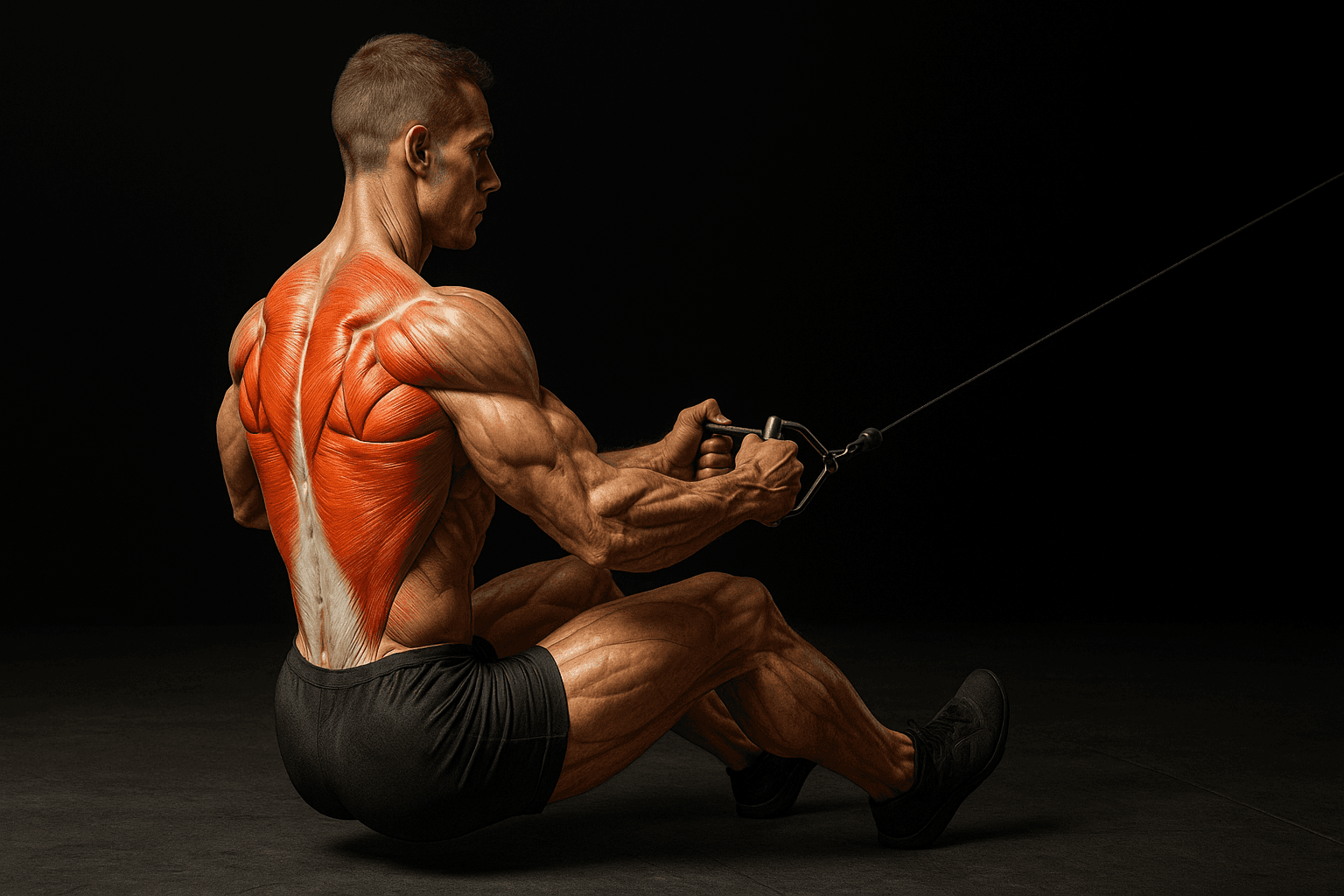
Photo by RepBro.
Short answer: Yes — you can capture most of the Turkish get-up’s benefits at home with minimal equipment by using targeted alternatives: unloaded get-up progressions, band Pallof presses with marching, dumbbell windmills, floor-press-to-bridge sequences, and suitcase carry-to-stand drills. Each preserves different components; pick the swap that trains the quality you lack.
What components of the Turkish get-up are we trying to preserve?
The TGU blends five practical qualities: unilateral overhead shoulder stability, torso anti-rotation/anti-extension, coordinated hip mobility and posterior chain drive, balance/transition skill, and loaded positional strength across ranges. Any substitute should be chosen with a priority: do you want more shoulder stability, core anti-rotation, hip mobility, balance/coordination, or simple loaded carry conditioning?
Which minimal-equipment exercises mimic different TGU qualities?
Below are four to five practical alternatives you can do at home with bodyweight, a single dumbbell, or resistance band.
- Unloaded (bodyweight) Turkish Get-up progression
- What it trains: movement sequencing, mobility, balance, and the timing of transitions from floor to stand without load.
- Equipment: none.
- What it preserves: the full pattern, positional awareness, and hip/shoulder mobility.
- What it loses: meaningful loaded shoulder stability and carry stress.
- When adequate: when learning the pattern or rehabbing load tolerance; good for daily mobility practice.
- Pallof Press + March (band)
- What it trains: anti-rotation core stability, single-leg co-contraction when you add marching.
- Equipment: medium resistance band anchored to a door or post.
- What it preserves: the TGU’s anti-rotation demand and contralateral bracing under a load path.
- What it loses: overhead shoulder stability and the full standing transition pattern.
- When adequate: you need core stability carryover for pressing or unilateral lifts and have limited shoulder load tolerance.
- Dumbbell Windmill
- What it trains: loaded shoulder stability, oblique chain, hip hinge and thoracic rotation/mobility.
- Equipment: one dumbbell (light-to-moderate weight) held overhead.
- What it preserves: single-arm overhead control and hip/torso dissociation similar to the TGU.
- What it loses: the stepwise floor-to-stand sequencing and some balance demands.
- When adequate: you want overhead stability with a mobility challenge but not the floor-to-stand skill.
- Floor Press to Hip Bridge (to single-leg bridge when ready)
- What it trains: loaded pressing, posterior chain drive, and hip extension mechanics from a supine position.
- Equipment: dumbbell(s) or a band.
- What it preserves: pressing strength and hip-drive coordination; useful for learning the press-then-hip drive aspect of the TGU.
- What it loses: unilateral balance, the standing portion, and anti-rotation under load.
- When adequate: you need to improve press strength or hip extension without overhead time under tension.
- Suitcase Carry into Half-Kneeling Stand-up
- What it trains: unilateral loaded carry, anti-lateral flexion, and the lower-body stand-up mechanics.
- Equipment: one dumbbell or heavy household object.
- What it preserves: carry-based core demands and the single-leg/half-kneeling stand sequence.
- What it loses: overhead press and the full coordination of the TGU’s upper-limb positions.
- When adequate: you want carry strength, core bracing, and leg stand-up strength without overhead load.
How do these alternatives compare to the full Turkish get-up?
| Exercise | Equipment | Preserves core/anti-rotation | Preserves overhead shoulder demand | Preserves mobility/hip drive | Balance/complexity |
|---|---|---|---|---|---|
| Full Turkish Get-up | Kettlebell/dumbbell | High | High | High | High |
| Bodyweight TGU | None | High | None | High | High |
| Pallof Press + March | Band | High | None | Low-moderate | Moderate |
| Dumbbell Windmill | Dumbbell | Moderate | High | High | Moderate |
| Floor Press → Bridge | Dumbbell/band | Moderate | Moderate | Moderate | Low |
| Suitcase Carry → Stand | Dumbbell | Moderate | None | Moderate | Moderate |
Use this table to pick the substitute that trains the key quality you’d otherwise get from a TGU.
How should I program these alternatives (frequency, sets, reps)?
General guidance consistent with resistance-training consensus:
- Frequency: include the selected movements 2–3 times per week. Skill and stability benefit from slightly higher frequency with lower load.
- Volume: 2–4 sets per exercise. For motor-control and stability drills use 8–15 slower reps per side; for strength-focused work use heavier weight and 3–8 reps per side.
- Progression: increase complexity (add single-leg variations, bottom-up holds, marching, or heavier bands/dumbbells) once technique is solid. If fatigue degrades form, reduce load or reps.
When is the home swap not enough and I should return to the gym?
Go to the gym if you need heavy, controlled overhead loading (for example for press-specific carryover), progressive overload beyond what your home dumbbells provide, hands-on coaching for technical faults, or a safer environment for high-risk progressions (heavy bottom-up holds, heavy unilateral loaded carries). If your training goal explicitly requires maximal unilateral overhead strength under heavy loads, a gym setup will be more appropriate.
Safety note
Stop if you feel sharp or unusual pain. Start with light loads and slow tempos when learning motor patterns. If you have shoulder, back, or hip injuries, consult a qualified professional before attempting loaded progressions. This article does not diagnose conditions or guarantee injury prevention.
Limitations: what apps and written plans cannot do
No app or article can see your exact movement and correct form in real time; remote programs are useful for structure and tracking but not a substitute for in-person assessment when pain or persistent dysfunction exists. Only a qualified clinician or coach can perform a hands-on screen, adjust progressions for pathologies, or manage rehabilitation. Also, an exercise plan only works if you show up consistently — adherence matters more than the perfect single exercise.
If you track swaps and progressions, consider logging sessions — apps like RepBro can help keep consistent records, but they do not replace professional coaching.
Start with unloaded progressions and one targeted alternative that matches your goal (shoulder stability, anti-rotation, or hip drive). Progress slowly, prioritize technique over load, and return to the full Turkish get-up in a gym setting when you need heavier overhead training or coached feedback.
Frequently asked questions
- Can I replace Turkish get-ups with at-home alternatives?
- Short answer: Yes — you can capture most of the Turkish get-up’s core benefits at home with minimal gear. Targeted options (unloaded get-up progressions, band Pallof presses, dumbbell windmills, suitcase carries and floor press-to-bridge drills) each preserve different qualities; choose according to what you want to train.
- How often should I practice these alternatives to see transfer?
- Train the selected alternatives 2–3 times per week as part of a balanced program. Use higher reps and slow tempo for skill/stability work, heavier loads and lower reps for strength. Progress by adding load, complexity, or sets — monitor fatigue and back off if technique suffers.
- When should I go to a gym to do Turkish get-ups instead of substitutes?
- Choose the gym if you need heavy, controlled overhead loading, access to a heavier kettlebell/dumbbell or coaching to address technical issues. If your goal is shoulder strength under load or maximal unilateral leg strength through the full get-up pattern, a gym setup and more weight will be necessary.