Zottman Curl Alternatives at Home (Minimal Equipment)
Four-to-five at-home substitutes for the Zottman curl using dumbbells, bands, or bodyweight: what each keeps and loses versus the original, plus when to stay home and when to go to a gym.
Photo by RepBro.
Answer-first (direct):
You can replicate most of the Zottman curl’s value at home with simple swaps: a deliberate dumbbell rotation ("Zottman-lite"), hammer and reverse curls, band supination work, and underhand bodyweight rows. Each preserves some targets and loses others—use a mix and migrate to a gym only when you need heavier, precise rotational overload.
What does a Zottman curl actually train?
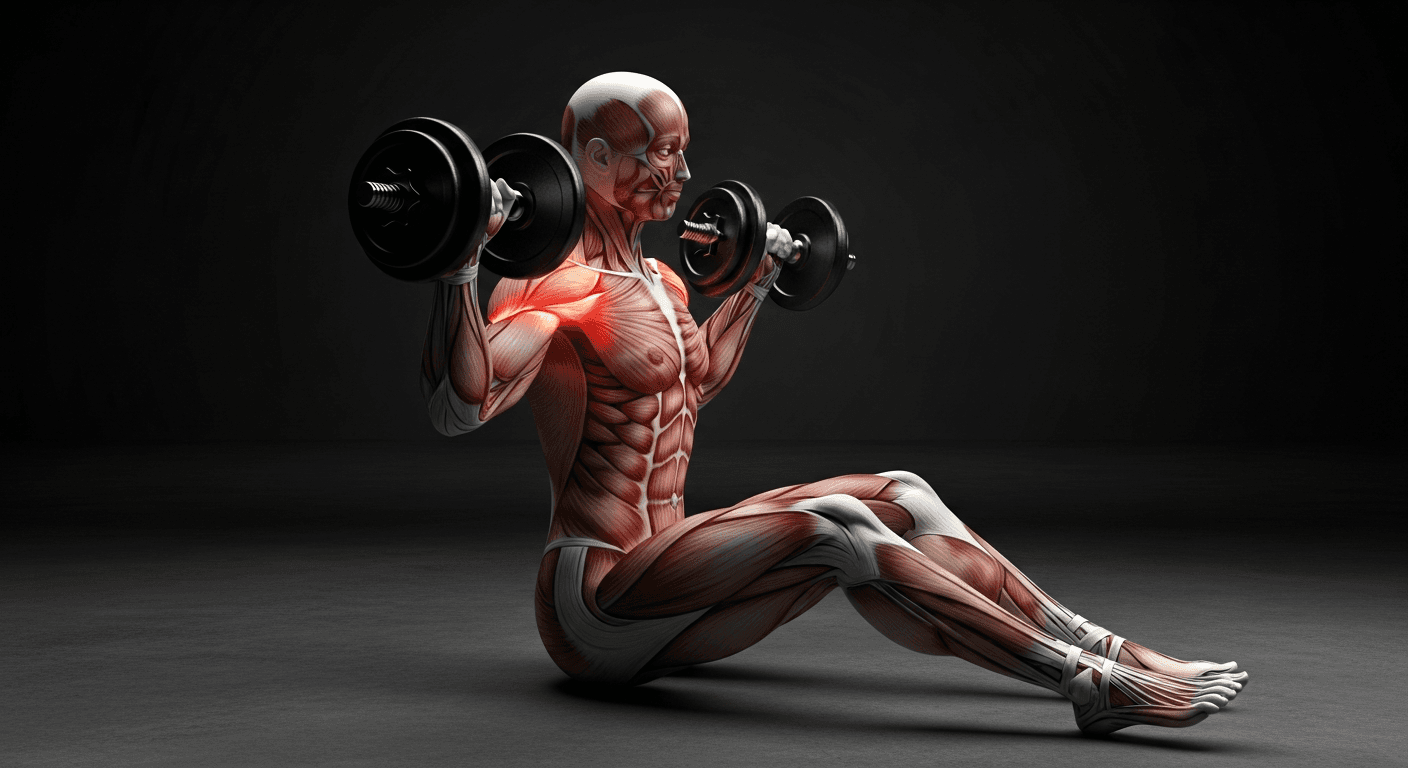
The Zottman curl trains elbow flexors (biceps brachii, brachialis) and forearm rotators by combining a supinated concentric (biceps emphasis) with a pronated eccentric (brachialis/brachioradialis and eccentric control). It gives both rotation-specific loading and an eccentric focus—useful for balanced arm development and forearm strength.
What practical, minimal-equipment alternatives can I do at home?
Below are five options that use dumbbells, bands, or bodyweight. For each I list what it preserves versus what it loses compared with a classic Zottman curl, then when that swap is adequate and when to consider the gym.
- Dumbbell "Zottman-lite" (supinate up, pronate for the negative)
- How: Curl with a supinated grip; at the top, rotate to pronation and lower slowly for a controlled eccentric.
- Preserves: the rotational component and eccentric emphasis.
- Loses: none meaningful—only limited by available dumbbell weight.
- When adequate: always adequate at home if you have progressive dumbbells. Move to a gym when you need heavier increments or barbell variations.
- Hammer curls (neutral grip)
- How: Dumbbells, thumbs-up grip, steady tempo. Focus on full range and controlled negatives.
- Preserves: strong elbow-flexion loading and brachialis/brachioradialis emphasis; allows heavier loads for size/strength.
- Loses: direct supinator training (less biceps long-head supination work).
- When adequate: good for hypertrophy and forearm thickness at home. Add rotational work separately if you still want supination strength.
- Reverse curls (pronated/overhand)
- How: Use a dumbbell or band with palms-down; curl focusing on forearm muscles.
- Preserves: brachioradialis and wrist/forearm extensors; trains pronated eccentric ability.
- Loses: concentric supination and biceps long-head emphasis.
- When adequate: useful for forearm balance; combine with another curl for full stimulus.
- Band-assisted supination/pronation drill
- How: Anchor a light band, hold the band or a handle, perform slow supination and pronation under tension (2–4s per phase).
- Preserves: rotational specificity (supinators/pronators) and tempo control; safe for eccentrics.
- Loses: top-end absolute load compared with heavy dumbbells.
- When adequate: ideal for rehab, prehab, and maintaining rotational strength; move to heavier rotational tools in the gym only if you need much higher external loads.
- Underhand inverted row (table/door) or supinated bodyweight row
- How: Under a sturdy table or using a low bar, pull your chest to the edge with a supinated grip. Adjust feet to change load.
- Preserves: compound pulling with supinated grip—good for functional elbow flexion under load.
- Loses: isolation and exact tempo control of a curl; limited by bodyweight unless you change leverage.
- When adequate: great if you lack weights and want meaningful loading. Progress to gym when you want strict isolation or higher tension ranges.
How should I program these at home for progress?
- Frequency: target elbow flexors 2×/week. Evidence-based consensus supports multi-week progressive overload and 2–3 sessions per muscle per week for most lifters.
- Sets and reps: use 2–4 sets per exercise, 6–20 reps depending on load and goal (lower reps with heavier loads, higher reps with lighter bands). Total weekly volume (sets × reps × load) is the primary driver, so spread volume sensibly across sessions.
- Progression: increase load, then reps, then sets, then reduce rest. Track a clear progression metric each week.
- Tempo: for eccentric focus, use a slower eccentric (2–4s). Tempo is especially useful for replacing the Zottman’s eccentric pronated lowering.
- Rest: 60–120 seconds between sets depending on intensity and set purpose.
Comparison: what do I keep vs lose compared to the Zottman curl?
| Exercise | Equipment | Preserves vs Zottman | Loses vs Zottman | Good when... |
|---|---|---|---|---|
| Zottman-lite | Dumbbells | Rotation + eccentric control | Only limited by weight | You have progressive dumbbells |
| Hammer curl | Dumbbells | Strong brachialis/forearm load | Supination work | You want heavier loading for size |
| Reverse curl | Dumbbells/bands | Forearm/brachioradialis emphasis | Concentric supination | You need forearm balance |
| Band supination/pronation | Bands | Rotational specificity, tempo control | Absolute heavy load | You want safe rotational training or rehab |
| Underhand inverted row | Bodyweight | Functional supinated pull under load | Pure isolation | You lack dumbbells but want tension |
When is it time to go to the gym instead of staying home?
Go to a gym when:
- You need finer incremental loading (small jumps in weight) to progress.
- You must use heavy concentric loads combined with controlled pronated eccentrics and your home weights are insufficient.
- You’re rehabbing a specific tendon and your clinician prescribes very specific eccentric loading protocols that require gym equipment.
Safety note
Stop any exercise that causes sharp or unusual pain. If you have shoulder, elbow, or wrist pain, consult a qualified medical or rehab professional before progressing. This article does not diagnose injuries or promise prevention.
Limitations — what apps and AI cannot do for your curls
No app or AI can see your form in real time, feel how your joints respond, or provide an individualized clinical diagnosis. Apps can help track sets, reps, and progression, but they cannot replace in-person coaching for detailed technique fixes or manage complex rehab protocols. A training plan only works if you follow it consistently.
References and practical takeaway
Use a mix of a rotational drill (band or Zottman-lite) plus a heavier flexion exercise (hammer or dumbbell curl) and 2–4 sets per exercise twice weekly. If you progress weight and control eccentrics, you can approximate the Zottman’s benefits at home. When you need heavier controlled rotation or precise equipment, consider gym access.
Safety reminder: stop on sharp pain and consult a qualified professional for injuries or complex programming.
Frequently asked questions
- Can I fully replace the Zottman curl with other home exercises?
- Yes for general elbow-flexion strength and hypertrophy, but not fully for supination-specific training. Mix one rotational drill (bands or manual rotation) with heavier flexion work 2×/week to approximate the Zottman stimulus.
- How often should I train biceps at home if I swap Zottmans out?
- Train biceps or elbow flexors 2 times per week, using 2–4 sets per exercise and progressive overload across sessions. Prioritize total weekly volume and gradual load or rep increases for growth.
- Do I need a gym to get strong forearms and supinators?
- No—bands and specific rotations can train supinators effectively. However, if you need very heavy, controlled eccentric rotation with high absolute loads, a gym setup with multiple dumbbell sizes or barbells will be more effective.