The Most Common Zottman Curl Mistakes (and How to Fix Them)
Clear, evidence-aware guidance on the 6 most common Zottman curl mistakes—why they happen, what they cost, and one concrete fix per mistake to restore safe, effective form.
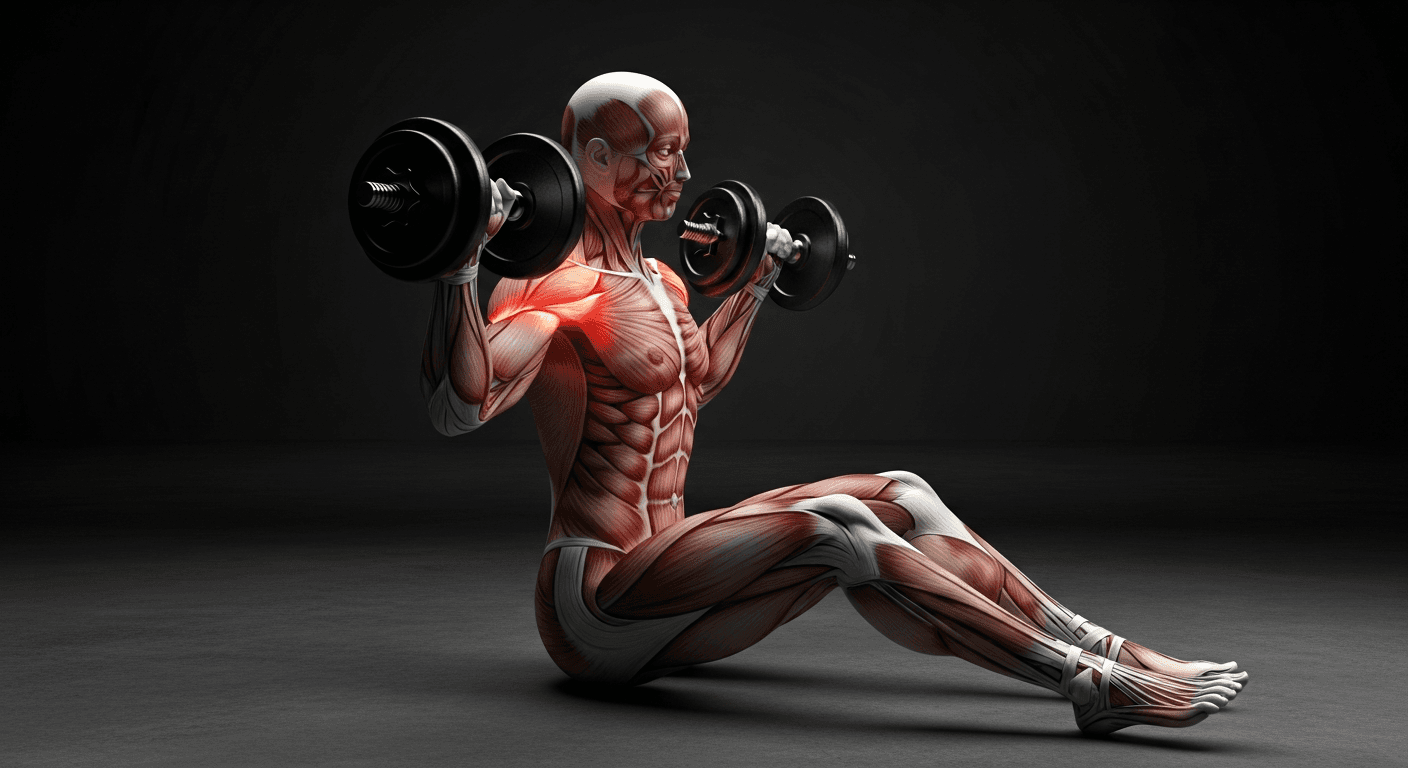
Photo by RepBro.
Zottman curl mistakes mostly come from using too much momentum, poor wrist rotation timing, elbow drift, too-heavy loading, and neglecting eccentric control. Each error reduces muscle stimulus or increases joint stress. Fixes are simple cues and load adjustments that restore strict tempo and safe rotation to target biceps and forearms effectively.
What is the Zottman curl and what should it look like?
A Zottman curl is a two-part movement: curl up with a supinated (palm-up) grip, rotate the wrists at the top to a pronated (palm-down) grip, then lower under control. The goal is concentric biceps work and eccentric forearm (brachioradialis, pronator teres) loading on the descent. An ideal rep is controlled, with the rotation brief and deliberate at the top.
What are the most common Zottman curl mistakes lifters make?
Here are the 6 most common errors, why they happen, what you lose or risk, and one concrete fix for each.
1) Why am I swinging my torso or using momentum?
Why it happens: When the load is too heavy or the lifter lacks confidence in the wrist rotation, they recruit hips, lower back, and momentum to complete the rep. What it costs: Momentum reduces biceps and forearm time under tension, blunts hypertrophy stimulus, and increases low-back strain risk. Fix: Drop the weight 20–40% and use a 2–1–3 tempo (2 s concentric, 1 s rotate/pause, 3 s eccentric). Anchor the ribs over the hips and think “no body help” for each rep.
2) Why is my wrist rotation incomplete or mistimed?
Why it happens: Lifters either rotate early (while lifting) or late (after starting the descent), often because the timing cue isn’t practiced or the forearm muscles are weak. What it costs: Rotating at the wrong time shifts load away from the target muscles, increases wrist shear and may irritate the connective tissue. Fix: Pause at the top for 1 second before rotating; practice the rotation with light weights and slow motion until it becomes a single, clean action.
3) Why do my elbows drift forward or flare out?
Why it happens: Letting the elbows move changes leverage, turning an isolation curl into a shoulder-assisted lift—usually done to compensate for weak lockout strength. What it costs: Less biceps isolation, reduced stimulus, and variable stress on the elbow and shoulder joint. Fix: Keep elbows fixed by placing a finger’s width in front of your torso as a reference point; train with lighter loads and focus on a full concentric contraction without elbow travel.
4) Why am I using too-heavy loads and doing ballistic reps?
Why it happens: Desire to feel “strong” or match previous curling numbers encourages loading heavier than the movement can handle. What it costs: Cheating reduces hypertrophic signaling, increases tendon stress, and can encourage poor motor patterns that transfer to other lifts. Fix: Use working loads that allow all reps to be strict at your chosen tempo. Measure progress by increased reps or cleaner form, not just heavier dumbbells.
5) Why do I neglect the eccentric (lowering) phase?
Why it happens: Lifters often drop the weight or rush the descent to reduce discomfort or speed up sets. What it costs: Eccentric control is important for hypertrophy and tendon health; skipping it lowers mechanical tension and increases eccentric-specific injury risk. Fix: Count a 3-second controlled descent every rep. If you can’t manage that, reduce load until you can.
6) Why do my wrists collapse or flex at the top?
Why it happens: Weak wrist stabilizers, fatigue, or rotating with momentum can let the wrist bend instead of remaining aligned. What it costs: Increased strain on the wrist joint and decreased effective forearm loading. Fix: Strengthen grip and wrist stability with light holds and farmer carries, and cue “thumbs back” during the rotation so the forearm and wrist stay in line.
How can I check my Zottman form quickly?
| Mistake | What that does | Quick check/cue |
|---|---|---|
| Torso swing | Steals tension from arms | Record a side video—no hip drive indicates strict reps |
| Bad rotation timing | Shifts load away from target | Pause at top and rotate cleanly |
| Elbow drift | Changes leverage | Place elbows against a light pad or track elbow position visually |
| Too-heavy load | Cheating, tendon risk | Reduce weight until tempo is met |
| Fast eccentric | Less mechanical tension | Count 3 seconds on the way down |
| Wrist collapse | Joint stress | Keep wrist neutral; practice light rotations |
What safety cues should I follow?
Stop if you feel sharp or shooting pain; mild muscle fatigue and transient soreness are normal but persistent joint pain is not. Consult a qualified clinician for new or worsening pain. Never diagnose injuries from self-assessment.
What limits do apps and online coaching have?
No app or AI can see your live movement perfectly or give a definitive diagnosis. Video feedback tools can highlight issues, but a qualified coach or clinician is necessary for complex movement retraining or injury management. Also remember: a plan’s effectiveness depends on consistent application—there is no substitute for adherence.
If you want a simple way to capture reps for later review, a slow-motion video of a set gives immediate insight; apps that let you replay at reduced speed can help you spot rotation timing or torso swing (for example, RepBro offers session logs and video review features).
Quick programming tips (evidence-aware)
Treat Zottman curls as an accessory movement. Use them within the context of progressive overload and appropriate overall arm volume for your experience and recovery. Match rep ranges to your goals, prioritize controlled tempo, and avoid making them a heavy-power move—they’re most valuable when performed deliberately to build biceps and forearm strength and durability.
Limitations: This article is educational; it doesn’t replace personalized coaching, hands-on assessment, or medical advice. For persistent pain, complex movement problems, or rehab, consult a qualified practitioner.
Safety note: If you experience sharp pain during any curl variation, stop immediately and seek professional evaluation. The guidance here is for healthy lifters looking to improve technique and is not a diagnosis or guaranteed prevention of injury.
Frequently asked questions
- Are Zottman curls good for forearms?
- Yes. Zottman curls combine a supinated curl up (biceps emphasis) with a pronated descent (forearm emphasis), so they train both the biceps and wrist/forearm musculature. Include them as part of a balanced program; they’re complementary, not a sole solution for forearm development.
- How many reps and sets should I do for Zottman curls?
- Rep and set choices depend on your goals. For hypertrophy, use moderate reps and multiple sets; for endurance, use higher reps. Focus on controlled tempo and progressive overload. Match total arm work to overall program volume and recovery capacity rather than treating these as isolated magic reps.
- Can Zottman curls cause tendon pain?
- They can if you overload, rotate aggressively, or have preexisting tendinopathy. Sharp pain or persistent soreness that worsens with activity signals caution. Reduce load, slow the rotation, shorten range or stop and consult a qualified health professional for assessment and individualized guidance.